Have you ever wondered how much food you really need to store for an emergency? It’s a question that could make all the difference when unexpected situations strike.
Knowing the right amount to keep on hand means you won’t be caught off guard or scrambling for supplies. You’ll discover simple, practical guidelines to help you prepare smartly and confidently. By the end, you’ll feel ready to protect yourself and your loved ones with the right food storage plan—no guesswork, just clear steps you can follow.
Keep reading to find out exactly how much food you should store to stay safe and secure.
Food Storage Basics
Storing food for emergencies is more than just piling up cans and hoping for the best. You need to understand the basics to make sure your supplies last and actually meet your needs. Knowing what types of food to store, how long they’ll last, and how much energy you require can make a huge difference in staying safe and healthy.
Types Of Emergency Food
Not all food is created equal when it comes to emergency storage. You want a mix of non-perishable items like canned goods, dried fruits, nuts, and freeze-dried meals. These foods don’t need refrigeration and can withstand power outages or natural disasters.
Think about variety too. Protein bars, rice, beans, and powdered milk provide different nutrients, so your diet won’t become one-dimensional during tough times. Have you considered which foods your family actually enjoys? Storing food you won’t eat is a waste of space and money.
Shelf Life Of Stored Foods
Every food item has a shelf life, which is the period it stays safe and nutritious. Canned goods often last 1-5 years, while freeze-dried meals can last up to 25 years if sealed properly. Check expiration dates regularly and rotate your stock by using older items first.
Temperature and storage conditions matter a lot. Cool, dark places extend shelf life, while heat and moisture shorten it. Have you ever opened a can only to find it spoiled? Proper storage prevents that unpleasant surprise.
Caloric Needs In Emergencies
Knowing how many calories you need daily helps you store the right amount of food. On average, adults require 2,000 to 2,500 calories per day, but this can rise if you’re physically active or stressed. Kids and seniors have different needs, so plan accordingly.
Don’t forget water – you need about one gallon per person per day for drinking and cooking. Missing this detail can turn your food storage into an emergency risk rather than a solution. What’s your plan for meeting both food and water needs during a crisis?
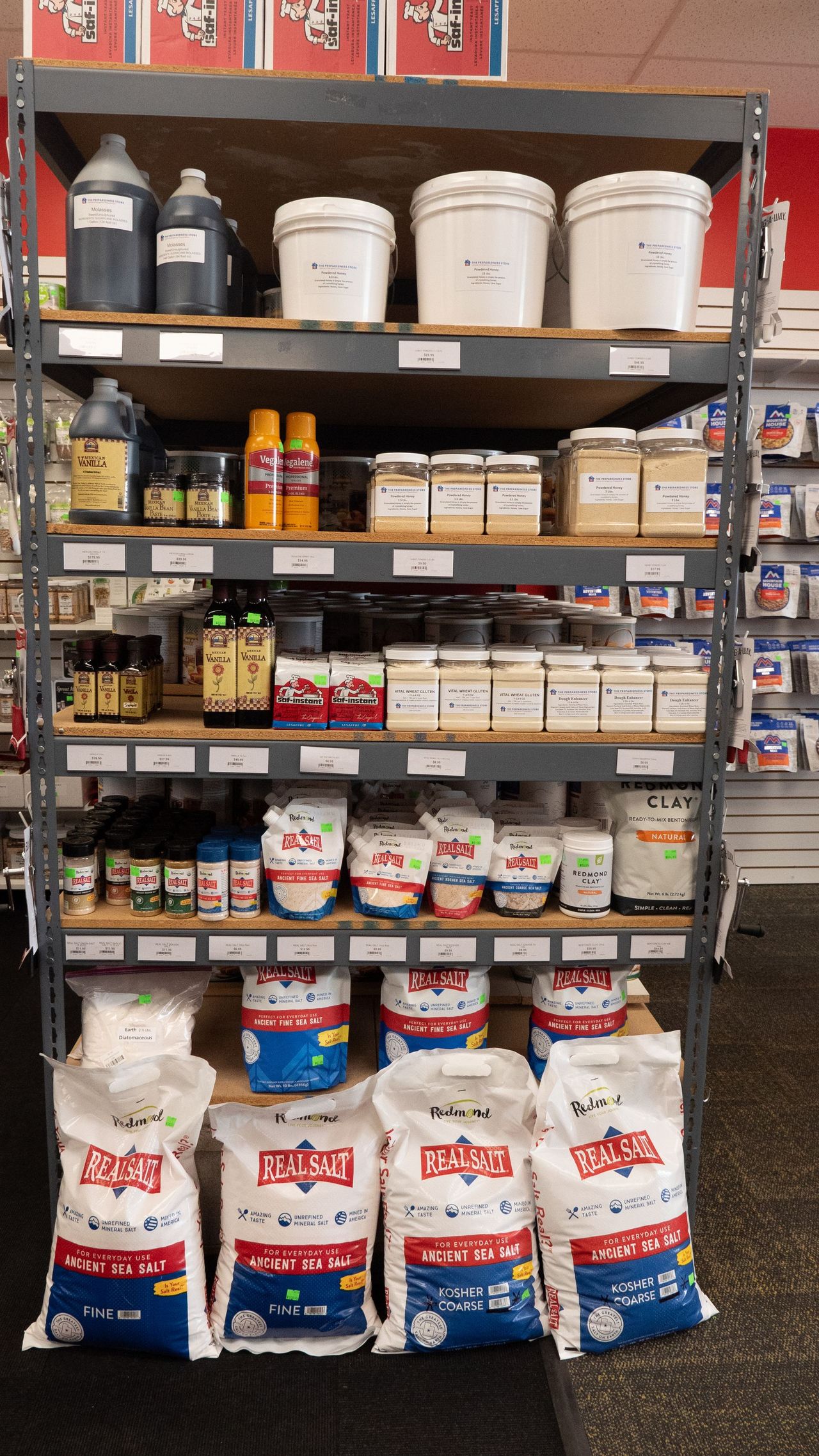
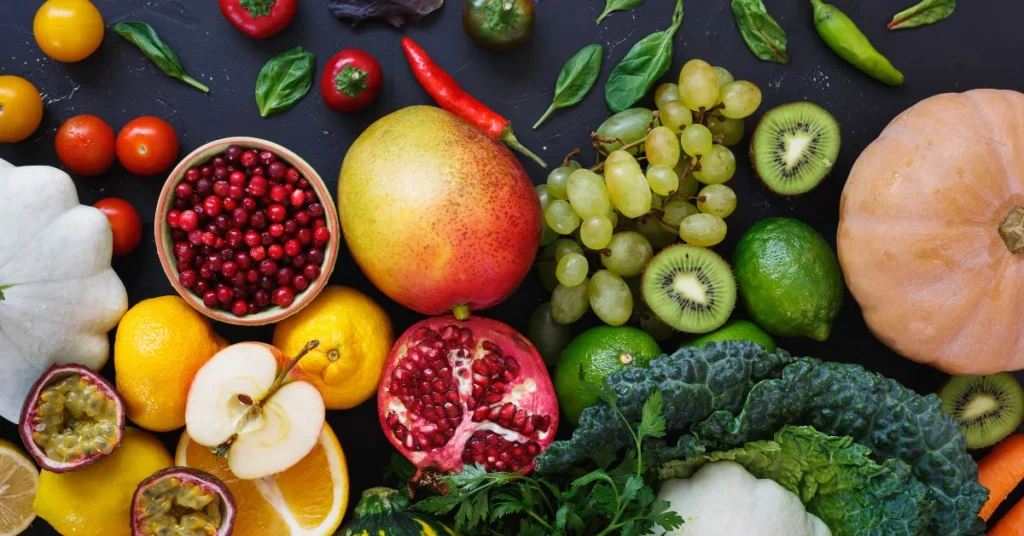
Credit: www.thepreparednessstore.com
Calculating Food Quantities
Figuring out how much food to store for an emergency can feel overwhelming. You want to have enough without wasting space or resources. Calculating food quantities starts with understanding daily needs and adjusting for the people in your household.
Daily Calorie Requirements
Everyone needs a certain number of calories each day to stay healthy and energized. On average, adults require between 2,000 and 2,500 calories daily. However, activity level, age, and health conditions can change this number.
Think about your own routine—do you have a physically demanding job or mostly sit at a desk? That affects your calorie needs. Planning for about 2,200 calories per person per day is a good starting point for most adults.
Portion Sizes Per Person
Knowing calorie needs helps, but you also need to translate that into actual food amounts. Portion sizes vary widely depending on the type of food. For example, 1 cup of cooked rice provides about 200 calories, while 1 ounce of nuts gives roughly 160 calories.
Creating a simple chart can help you visualize daily portions. Here’s a quick example:
| Food Item | Portion Size | Calories |
|---|---|---|
| Rice (cooked) | 1 cup | 200 |
| Beans (cooked) | 1 cup | 220 |
| Canned Tuna | 3 ounces | 100 |
| Peanut Butter | 2 tablespoons | 190 |
By mixing and matching foods, you can hit your daily calorie goals with balanced nutrition. Are you tracking which foods you enjoy and can store easily?
Special Considerations For Children And Seniors
Children and seniors have different nutritional needs. Kids often need fewer calories but more nutrients for growth. Seniors might require fewer calories but need foods that are easier to chew and digest.
For children, plan around 1,200 to 1,800 calories per day depending on their age. For seniors, focus on nutrient-dense foods with moderate calories to maintain health without overeating.
Consider allergies, medical conditions, and preferences. Have you factored in these differences when planning your emergency food supply?
Choosing The Right Foods
Choosing foods that last long and provide good nutrition helps in emergencies. Plan to store enough for at least three days per person. Focus on non-perishable items like canned goods, grains, and dried fruits.
Choosing the right foods for emergency storage is crucial. It ensures nutrition and energy when regular supplies are unavailable. Focus on foods that have a long shelf life and are easy to prepare. This section will guide you through selecting the best options for your emergency food storage.Non-perishable Staples
Non-perishable staples are essential for any emergency food supply. These items have a long shelf life and provide essential nutrients. Consider stocking up on canned goods like beans, vegetables, and soups. Rice and pasta are also excellent choices, offering filling and versatile meal options. Don’t forget about shelf-stable milk and peanut butter for added protein and calcium.Freeze-dried And Dehydrated Options
Freeze-dried and dehydrated foods are lightweight and easy to store. They retain most of their nutrients and can be prepared quickly. Options include fruits, vegetables, and full meals like stews or pasta dishes. Just add water to rehydrate them. These foods are perfect for long-term storage and require minimal space.Comfort And Variety Foods
In times of stress, comfort foods can boost morale. Include items like chocolate, tea, and coffee in your storage. They offer a sense of normalcy and can be a real treat during tough times. Don’t forget spices and sauces to add flavor and variety to your meals. Keeping a mix of these items ensures that you maintain a balanced diet and enjoy your meals.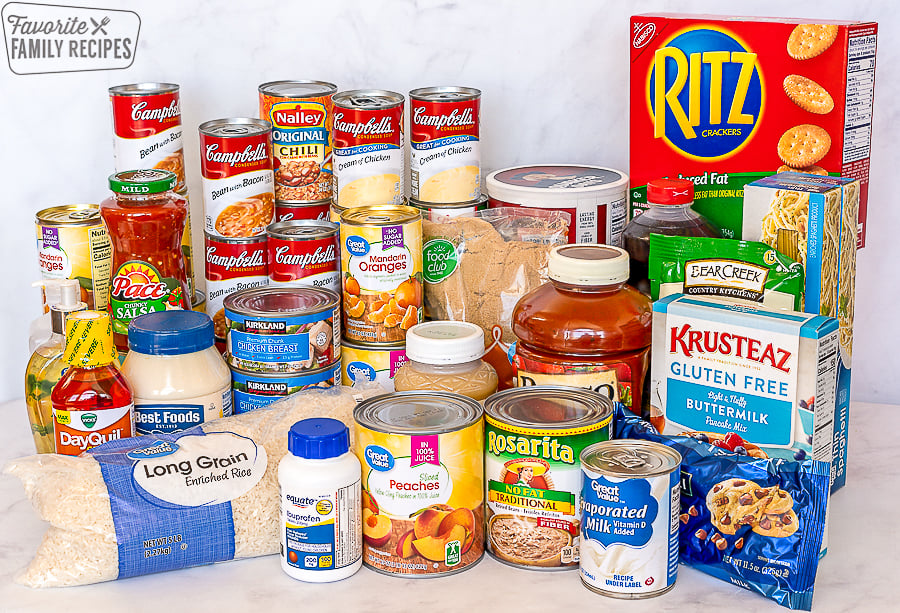
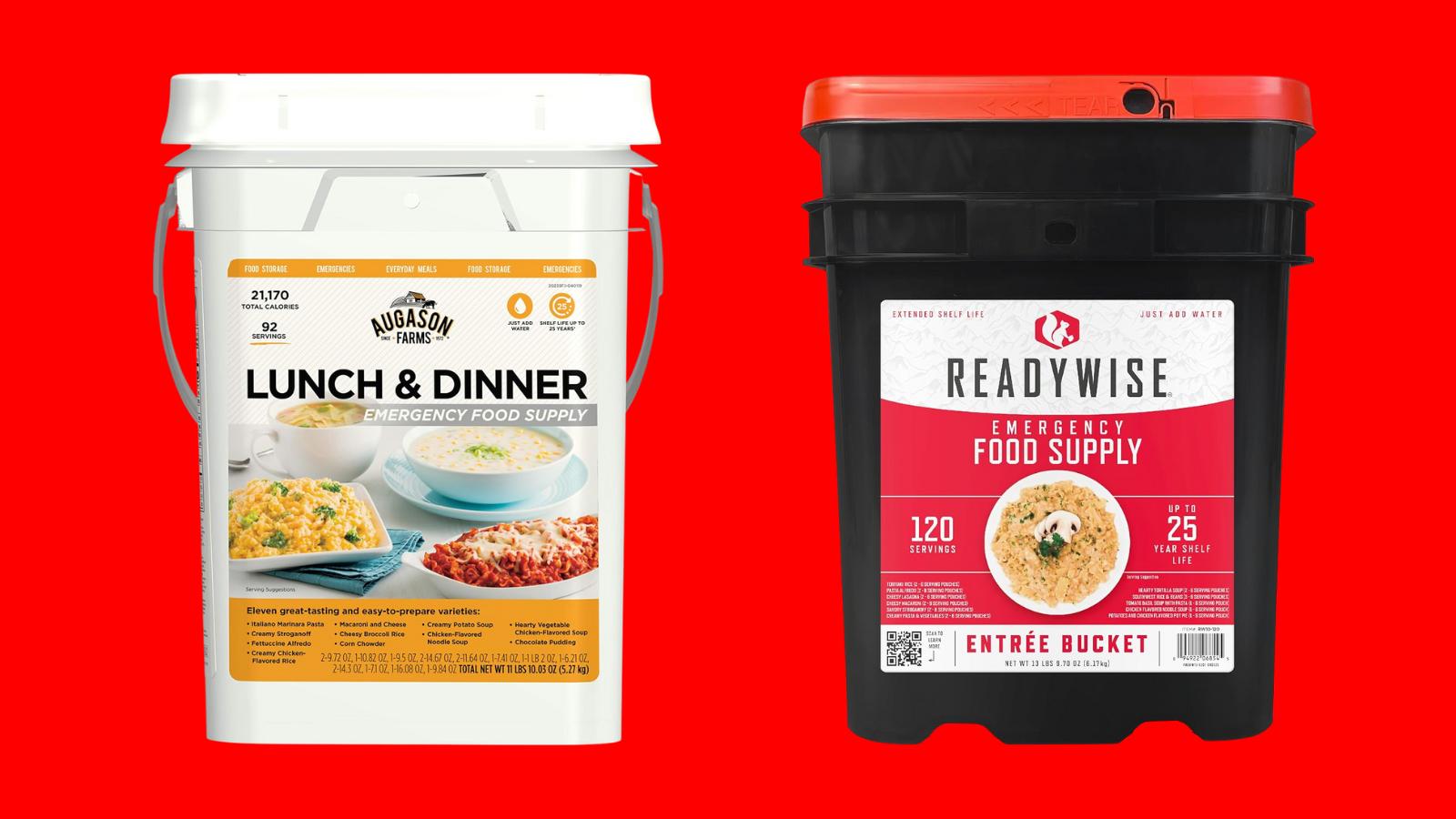
Credit: www.favfamilyrecipes.com
Water Storage Essentials
Water is the most critical element to store for any emergency. Without it, survival becomes difficult, even if you have plenty of food. Understanding how much water you need, how to store it safely, and how to purify it can make all the difference when disaster strikes.
Daily Water Needs
You need at least one gallon of water per person per day. This amount covers drinking, cooking, and basic hygiene. In hot climates or during heavy physical activity, your needs can double or even triple.
Think about your family size and any pets you may have. If you have children or elderly relatives, consider their specific hydration needs. Have you calculated the total water required for at least three days?
Safe Water Storage Methods
Choose clean, food-grade containers for storing water. Avoid containers that have held chemicals or non-food items. Seal containers tightly to prevent contamination and label them with the storage date.
Store water in a cool, dark place away from direct sunlight. This helps prevent algae growth and keeps water fresh longer. Rotate your water supply every six months to maintain quality.
Water Purification Techniques
If your stored water runs out or becomes contaminated, knowing how to purify water is crucial. Boiling water for at least one minute kills most pathogens. It’s a reliable method when you have access to a heat source.
Water purification tablets or drops are compact and easy to carry in an emergency kit. Make sure to follow the instructions carefully for effective use. Filters can also remove bacteria and sediment, but check they are rated for pathogens.
What purification method will you trust when safe water is scarce? Practicing these techniques before an emergency ensures you’re ready when you need them most.
Storage Tips And Organization
Proper storage and organization help keep your emergency food fresh and accessible. A well-planned system saves space and reduces waste. Clear methods make it easier to find what you need quickly.
Ideal Storage Conditions
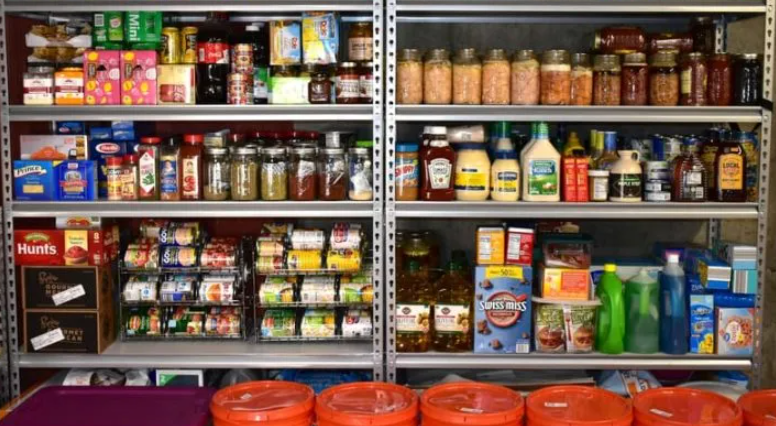
Keep food in a cool, dry place to extend shelf life. Avoid areas with direct sunlight or high humidity. Maintain a temperature between 50°F and 70°F (10°C to 21°C). Use airtight containers to protect food from pests and moisture. Store food off the ground to prevent damage from flooding or pests.
Rotating Food Supplies
Use the “first in, first out” method to keep food fresh. Consume older items before new ones. Check expiration dates regularly and replace expired goods. Make a habit of adding new food behind older stock. This prevents waste and ensures your supply stays ready for use.
Labeling And Inventory Management
Label each item with the purchase or expiration date. Use clear, large fonts for easy reading. Keep an inventory list to track supplies and quantities. Update the list every time you add or use food. Digital or paper lists both work well for organization.

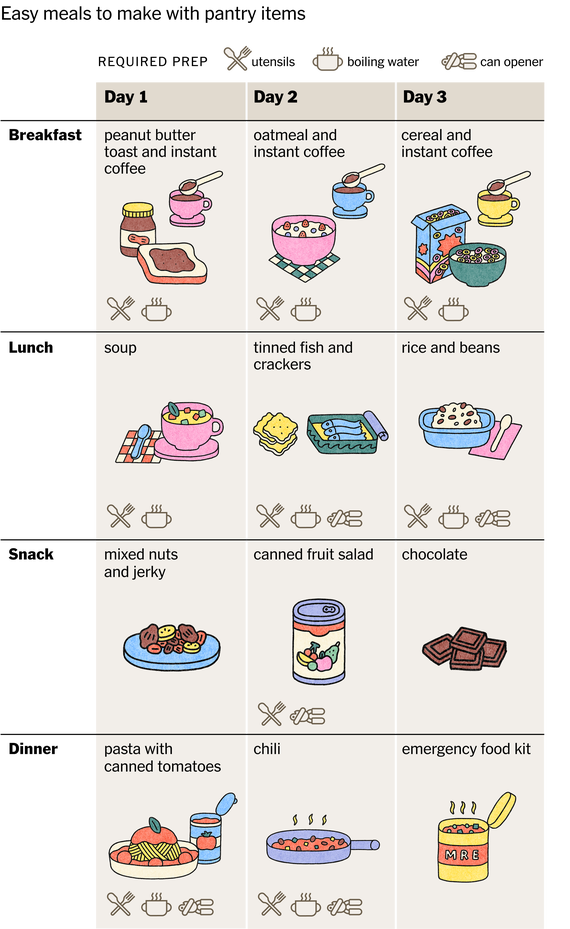
Credit: www.nytimes.com
Special Diets And Allergies
Storing food for emergencies is challenging enough, but it becomes even more critical when special diets and allergies come into play. You need to carefully choose items that meet dietary restrictions without sacrificing nutrition or shelf life. Ignoring these needs can lead to serious health issues during a crisis, so planning ahead is not just wise—it’s essential.
Gluten-free And Vegan Options
If you follow a gluten-free or vegan diet, your emergency food supply must reflect those choices. Gluten-free grains like rice, quinoa, and certified gluten-free oats store well and provide energy. Vegan options such as dried beans, lentils, nuts, and seeds offer protein and healthy fats that keep well over time.
Look for packaged meals or bars specifically labeled gluten-free and vegan to simplify your storage. Have you checked the labels of your emergency foods lately to ensure they meet your dietary needs?
Managing Food Allergies
Food allergies require extra caution. Cross-contamination during packaging can cause dangerous reactions, so choose products from trusted brands with clear allergen labeling. Store separate containers for allergen-free foods and clearly mark them to avoid mix-ups during stressful situations.
Think about your allergy triggers—nuts, dairy, shellfish—and exclude them entirely from your stash. Have you created a separate list of safe foods for your allergies, or are you relying on guesswork?
Nutritional Supplements
Sometimes, your stored food won’t cover all essential vitamins and minerals, especially with restricted diets. Adding nutritional supplements can fill those gaps and support your health during emergencies. Multivitamins, vitamin D, and omega-3 capsules are small, lightweight, and last long in storage.
Consider your individual needs and consult a healthcare provider if possible before buying supplements. Are you prepared to maintain your nutritional balance even when fresh food isn’t available?
Emergency Cooking Methods
Knowing how to cook during an emergency is just as important as having enough food stored. Cooking options may be limited, so understanding different methods can help you prepare meals safely and efficiently. Let’s look at some practical ways to cook or eat without heat when power or gas isn’t available.
No-cook Food Ideas
Sometimes, the best cooking method is no cooking at all. Stock up on ready-to-eat foods like canned beans, nut butters, dried fruits, and protein bars. These options save time and fuel, letting you focus on staying nourished without any heat source.
Think about foods that provide balanced nutrition and require no preparation. Jerky, trail mix, and canned tuna are great because they last long and keep well without refrigeration. Have you considered how much variety you can create with just no-cook items?
Portable Cooking Equipment
Portable stoves and grills are lifesavers when you lose access to your regular kitchen. Small propane or butane stoves fit in backpacks and work well outdoors or in ventilated spaces. Choose lightweight models with easy ignition to avoid frustration during stressful times.
Don’t forget simple tools like a camping pot, a sturdy pan, or a portable kettle. These make cooking on small stoves much easier. Have you tested your gear before an emergency to ensure it performs as expected?
Fuel Storage And Safety
Storing fuel safely is crucial. Keep propane or butane canisters in a cool, dry place away from heat sources and open flames. Use airtight containers for charcoal or wood chips to maintain dryness and prevent mold.
Always check expiration dates and inspect fuel containers regularly for leaks or damage. Remember, storing too much fuel in one spot can be dangerous—spread out your supplies if possible. How prepared are you to handle and store fuel responsibly during a crisis?
Planning For Long-term Emergencies
Planning for long-term emergencies means preparing for situations that could last weeks, months, or even longer. It’s not just about having enough food for a few days; it’s about ensuring your supplies can sustain you through extended disruptions. This requires careful consideration of how much food to store and how to manage those supplies effectively.
Monthly Vs. Yearly Storage
Deciding whether to store food for a month or a year depends on your risk level and available space. Monthly storage focuses on enough food to get through short-term crises, while yearly storage prepares you for prolonged emergencies.
Think about your family size and dietary needs. A simple way to calculate is to store at least one gallon of water and two pounds of food per person per day. For a year, that adds up quickly—about 730 gallons of water and 1,460 pounds of food for one person.
Start with monthly storage and build gradually. This approach helps avoid overwhelming your space and budget. Do you have enough room to keep a year’s worth of food safely?
Growing Your Own Food
Growing your own food can reduce your dependence on stored supplies. Even a small garden with tomatoes, herbs, and leafy greens can supplement your emergency food stock.
Try container gardening if space is tight. It’s rewarding and gives you fresh produce when stores run low. Have you considered how much time and effort you can commit to gardening during an emergency?
Preserving your harvest by drying, canning, or freezing also adds to your food security. These skills can be lifesaving when supply chains are disrupted.
Community Food Sharing
Connecting with neighbors and local groups creates a support network for sharing food resources. Community food sharing can help stretch your supplies and provide variety during tough times.
Organize food swaps or bulk buying groups to reduce costs and waste. Sharing knowledge about food preservation or gardening boosts everyone’s resilience.
Ask yourself: have you reached out to your community to build a food-sharing plan? Strong connections can make a big difference in long-term emergencies.
Frequently Asked Questions
How Much Food Is Needed Per Person For Emergencies?
For emergencies, store at least a two-week supply of food per person. Include calorie-dense, non-perishable items. This ensures adequate nutrition during unexpected situations.
What Types Of Food Are Best For Emergency Storage?
Choose non-perishable foods like canned goods, dried grains, and freeze-dried meals. Prioritize items with long shelf lives and minimal preparation requirements.
How Often Should Emergency Food Supplies Be Rotated?
Rotate your emergency food every 6 to 12 months. This keeps supplies fresh and ensures nutritional value remains intact during storage.
How Much Water Should Be Stored With Emergency Food?
Store at least one gallon of water per person per day. This supports drinking, cooking, and hygiene needs during emergencies.
Conclusion
Storing the right amount of food keeps you ready for emergencies. Plan for at least three days per person. Include water, grains, canned goods, and snacks. Rotate your supplies to keep food fresh. Think about special needs like children or pets.
Store food in a cool, dry place. Regularly check your stock and update it. Being prepared reduces stress during tough times. Start small and build your supply over time. Stay safe and confident with proper food storage.