Are you struggling to move buildings in Last Shelter Survival? You’re not alone.
Knowing how to relocate your structures can change the way you play the game. Imagine freeing up space, protecting your base better, and gaining a strategic edge—all by simply moving your buildings. In this guide, you’ll discover easy steps to shift your buildings without hassle.
Keep reading, and you’ll learn the secrets to mastering base management that many players overlook. Your path to a stronger, smarter shelter starts here.
Basics Of Moving Buildings
Moving buildings in Last Shelter Survival can change the way you manage your base and defend your territory. Understanding the basics helps you make quick decisions during battles or when reorganizing your layout. It’s not just about shifting structures; it’s about strategy and efficiency.
What Buildings Can Be Moved
Not all buildings in the game are movable. Typically, key structures like resource collectors, barracks, and walls can be relocated. However, some special buildings, such as the Command Center, remain fixed due to their importance.
Knowing which buildings you can move allows you to plan your base layout effectively. Have you checked which of your buildings are movable today? This small step can save you time in critical moments.
Requirements For Relocation
To move a building, you need to meet certain conditions. First, ensure the building is not under attack or construction. Attempting to move during these states will fail.
You also need enough action points, which regenerate over time or can be replenished using in-game items. Don’t forget to have enough free space where you want to place the building. Moving without space is impossible.
Limitations And Restrictions
There are strict limitations on moving buildings. You can’t relocate buildings outside your base boundaries. This restricts your options but keeps the gameplay balanced.
Additionally, some buildings have cooldown periods after moving, preventing constant repositioning. This means you must think carefully before making a move—what’s the best spot for your building now versus later?

Credit: www.youtube.com
Preparing For Building Movement
Preparing to move buildings in Last Shelter Survival requires more than just clicking the relocate option. You need a clear plan and the right setup to avoid losing progress or wasting resources. Taking the time to prepare ensures the move goes smoothly and your base stays strong.
Gathering Necessary Resources
Before moving any building, check your inventory for all required materials. You’ll typically need wood, steel, and sometimes special items depending on the building type. Running out mid-move can cause delays and frustration.
Think about what you have stored versus what you need to collect. Sometimes, a quick raid or resource exchange with allies can top off your supplies. Don’t underestimate the importance of having a buffer—extra resources help you handle unexpected costs.
Clearing The Destination Area
Moving a building isn’t just about picking a spot; it’s about making sure that spot is ready. Remove trees, rocks, and other obstacles that could block the placement. If you overlook this, the game won’t let you move the building, wasting your time.
Have you checked if other buildings or troops might interfere with the new location? Clearing space also helps your base look organized and can improve defensive strategies. Use this opportunity to rethink your layout.
Backing Up Your Progress
Before you start, save your game or sync your data if possible. Moving buildings sometimes causes glitches or unexpected errors, risking your progress. A backup gives you peace of mind and a way to revert if something goes wrong.
Don’t ignore this step even if you feel confident. I once lost valuable upgrades because I skipped backing up. That experience taught me the hard way that preparation isn’t optional; it’s essential.
Step-by-step Moving Process
Begin by selecting the building you want to move in Last Shelter Survival. Next, choose the new location carefully to avoid obstacles. Confirm the move, and the building will be relocated safely to the chosen spot.
Moving buildings in Last Shelter Survival can be a game-changer. It’s a strategic move that can optimize your base layout, improve defense, and boost resource production. Whether you’re a seasoned player or new to the game, understanding the step-by-step process of moving buildings can enhance your gameplay. Let’s dive into the details.Selecting The Building
First, identify which building you want to move. This could be a resource collector, a defensive structure, or any other essential facility. Make sure it’s the right choice for your strategy. Once you’ve selected a building, tap on it. This action will bring up a menu with various options. Choose the move option to proceed.Choosing The New Location
Consider the strategic importance of the new location. Is it closer to other essential buildings? Will it enhance your defense against attacks? Use the grid layout to find the perfect spot. Ensure there’s enough space and that it’s not obstructing other structures. A well-thought-out location can make a significant difference.Confirming The Move
After selecting the new location, confirm the move. Double-check everything before finalizing. This is your last chance to make changes. Once confirmed, watch as your building relocates smoothly. Feel the satisfaction of having optimized your base layout. Does moving buildings give you a fresh perspective on your base strategy? Small changes can have a big impact on how you play and succeed in Last Shelter Survival.
Credit: lss.fandom.com
Tips To Optimize Building Moves
Moving buildings in Last Shelter Survival is more than just dragging and dropping structures. You need to plan carefully to save resources and time. These tips will help you get the most out of every move and keep your base running smoothly.
Best Practices For Efficient Moving
Start by grouping buildings you want to move close together. This reduces the number of moves and saves you from wasting resources. Always check your building cooldowns before starting a move to avoid delays.
Think about the layout of your base ahead of time. Position resource buildings near storage and defensive structures at the edges. This strategy makes your base stronger and easier to manage after the move.
Avoiding Common Mistakes
Don’t move buildings randomly. Moving key structures like the Command Center too often can slow down your progress. Avoid moving buildings during active attacks or events to prevent losing progress.
Be careful not to exceed your move limits. Overextending can cause wasted resources and longer cooldowns. Have you ever lost valuable time because you moved too many buildings at once?
Using Boosts And Bonuses
Use move speed boosts to cut down on waiting times. These boosts can help you complete moves faster, especially during critical moments. Keep an eye out for event bonuses that reduce move costs or cooldowns.
Combine boosts with VIP perks for even greater efficiency. This combo speeds up your building moves and keeps your base ready for anything. Are you making full use of the boosts available in your game?
Troubleshooting Moving Issues
Moving buildings in Last Shelter Survival can sometimes hit unexpected snags. Troubleshooting these issues quickly keeps your base efficient and your gameplay smooth. Let’s look at common problems and how you can solve them without losing time or resources.
Handling Movement Failures
If your building refuses to move, check your available resources first. Moving structures often require specific items or enough energy to complete the action.
Also, make sure the target location is clear and meets all placement requirements. Buildings can’t overlap or sit too close to others, so double-check the surrounding space.
Have you tried restarting the game? Sometimes a simple reload fixes temporary glitches that block movement.
Dealing With Locked Buildings
Locked buildings can stop you from moving them until certain conditions are met. Usually, this means the building is currently upgrading or involved in active tasks like training or research.
Wait for these processes to finish before attempting to move. You can track progress in the building’s status panel.
If you urgently need to relocate a locked building, consider canceling ongoing activities—but be aware of potential losses.
Contacting Support
If none of your efforts solve the problem, reaching out to Last Shelter Survival’s support team is your next step. Provide clear details about the issue, including screenshots if possible.
Explain what you tried and how the problem persists. This helps the support team diagnose and resolve your issue faster.
Have you experienced quick and helpful responses from game support before? Sharing your positive experiences can encourage others to seek help when stuck.
Advanced Strategies
Mastering how to move buildings in Last Shelter Survival can give you a serious edge, especially when you apply advanced strategies. These tactics go beyond simple relocation; they integrate timing, team coordination, and defense planning to maximize your base’s potential. Let’s dig into some powerful ways to use building moves that can change your game.
Moving Buildings During Events
Events are prime opportunities to reposition your buildings for quick gains. Moving resource buildings closer to your command center during resource-boosting events can speed up your gathering significantly.
Think about moving production facilities near your defense towers when a defense event is active. This setup lets you reinforce and protect your resources faster, which can turn the tide in competitive events.
Have you noticed how some players move their hospitals closer to the front lines during attack events? This reduces the time troops spend healing and gets them back into action sooner. Timing your moves to coincide with these events can multiply your advantages.
Strategic Relocation For Defense
Defense is not just about strong walls or powerful troops; it’s also about smart placement. Moving your buildings to create choke points or funnel enemies into traps can drastically improve your base’s survivability.
Consider shifting your resource buildings to the inner layers of your base. This forces attackers to break through multiple defenses before reaching valuable assets.
Have you tried moving your watchtower to a higher ground or a corner to increase your vision range? Strategic relocation like this helps you spot threats earlier and prepare accordingly.
Coordinating With Alliance Members
Moving buildings isn’t just a solo task; it can be a team effort that strengthens your entire alliance. Coordinate with your alliance members to synchronize building moves for mutual defense or resource sharing.
For instance, relocating your medical facility closer to an ally’s base during joint attacks can speed up healing times for all. This simple move can save critical seconds in battle.
Discuss building moves during alliance meetings or chats. Planning who moves what and when can prevent wasted resources and improve your alliance’s overall efficiency.
What if you could create a shared defense network by moving key buildings strategically across multiple bases? Coordinated moves can turn your alliance into an almost unbeatable force.
Credit: lss.fandom.com
Frequently Asked Questions
How Can I Move Buildings In Last Shelter Survival?
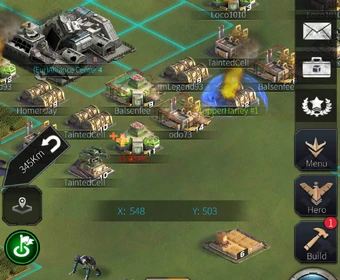
To move buildings, first enter the Edit Mode by tapping the hammer icon. Select the building, then drag it to your desired location. Confirm the move to finalize the placement. This helps organize your base efficiently.
What Are The Benefits Of Moving Buildings?
Moving buildings improves base layout and resource management. It enhances defense by strategic placement. Efficient building arrangement speeds up resource collection and troop training, optimizing gameplay progress.
Are There Any Restrictions When Moving Buildings?
Yes, some buildings cannot be moved once constructed. Movement may consume resources or have cooldown periods. Always check building status before attempting to move to avoid resource loss.
Does Moving Buildings Cost Resources In The Game?
Moving buildings typically requires a small amount of in-game resources like wood or steel. The cost depends on building size and type. Plan moves wisely to avoid resource shortages.
Conclusion
Moving buildings in Last Shelter Survival helps you organize your base better. It saves space and makes defense easier. You can place buildings where they suit your strategy. Just follow the simple steps and move with care. Keep your base neat and ready for any attack.
Practice moving buildings to get faster and smarter. This small skill can help you stay strong in the game. Try it today and see the difference yourself.