Are you facing tough times and wondering how emergency food stamps work? You’re not alone.
When unexpected challenges hit, having quick access to food assistance can make all the difference. But how exactly do emergency food stamps help you? What do you need to qualify, and how fast can you get them? This guide will answer these questions clearly and simply, so you know exactly what to expect and how to take action.
Keep reading to discover how emergency food stamps can support you when you need it most.
Emergency Food Stamps Basics
Emergency food stamps help people get food quickly during tough times. They provide fast assistance to families facing sudden financial problems. Understanding the basics of emergency food stamps can help you know how this support works and who can receive it.
What Are Emergency Food Stamps
Emergency food stamps are short-term benefits that help buy food. They are part of the Supplemental Nutrition Assistance Program (SNAP). These benefits arrive faster than regular food stamps. The goal is to offer quick help during emergencies.
These stamps work like a debit card for groceries. You can use them at many stores to purchase food items. Emergency food stamps are designed to stop hunger in crisis moments.
Who Qualifies For Emergency Aid
People who have urgent financial needs may qualify for emergency food stamps. This includes those who lost income or faced unexpected expenses. Families with little or no money for food get priority.
Qualifying rules vary by state but often focus on:
- Low income
- Job loss or reduced hours
- Natural disasters or emergencies
- Other sudden hardships
Applicants usually must prove their emergency situation quickly. This helps speed up the approval and delivery of benefits.
Differences From Regular Food Stamps
Regular food stamps follow a standard application and approval process. This can take days or weeks to complete. Emergency food stamps, in contrast, provide faster access to benefits.
Here is how they differ:
| Feature | Emergency Food Stamps | Regular Food Stamps |
|---|---|---|
| Approval Speed | Within days | Usually weeks |
| Benefit Duration | Short-term | Long-term |
| Purpose | Immediate crisis aid | Ongoing food support |
| Application Proof | Proof of emergency needed | Proof of income and expenses |
Application Process
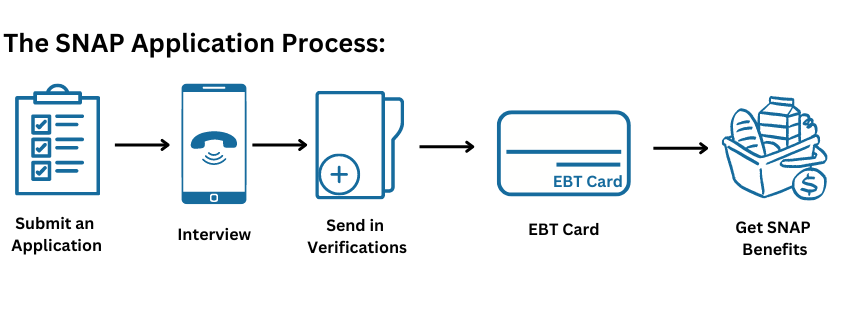
Applying for emergency food stamps can seem overwhelming, especially if you need help quickly. Understanding the application process can make a big difference. Knowing where to apply, what documents you need, and how to file an emergency request will help you get assistance without unnecessary delays.
Where To Apply
You can apply for emergency food stamps through your local Department of Social Services or the state’s food assistance program office. Many states offer online applications, which can save you time and allow you to apply from home. If you prefer face-to-face help, visiting a local office can provide direct assistance and answers to your questions.
Wondering if you can apply by phone? Some areas do allow phone applications, especially in urgent situations. Check your state’s official website for specific options available near you.
Required Documents
Gathering the right documents before applying can speed up the process significantly. You will typically need:
- Proof of identity (like a driver’s license or state ID)
- Proof of income (pay stubs, unemployment benefits, or a letter from your employer)
- Proof of residency (utility bills or lease agreements)
- Social Security numbers for all household members
- Details about your household expenses (rent, utilities, childcare)
Missing one document can delay your application. Have you checked your paperwork recently? It’s a good idea to keep copies ready in case you need to reapply quickly.
Filing An Emergency Request
If you need food assistance immediately, you can file an emergency request. This special request gets prioritized so you can receive benefits faster than usual. Contact your local office directly to explain your situation clearly and ask for an expedited review.
Be prepared to describe your emergency in detail. Showing proof, like a recent eviction notice or medical bills, can help your case. Have you ever had to make a call like this? Being straightforward and organized can make a big difference in how quickly you get help.
Approval And Distribution
Emergency food stamps require quick approval to help people in need. Once approved, benefits are sent through a card for easy use at stores. This system ensures fast access to food during tough times.
Navigating the world of emergency food stamps can seem daunting, but understanding how approval and distribution work can make the process smoother. Emergency food stamps, also known as Disaster Supplemental Nutrition Assistance Program (D-SNAP), provide crucial aid during times of crisis. Whether you’re facing the aftermath of a natural disaster or a personal emergency, knowing the steps for approval and how benefits are distributed can be a lifeline.How Quickly Aid Is Approved
In times of crisis, speed is crucial. The approval process for emergency food stamps is designed to be quick. Typically, aid is approved within a few days of applying, allowing you to focus on immediate needs rather than paperwork. The application process is streamlined to ensure those in need aren’t left waiting. You might be asked to provide proof of your situation, but the requirements are generally more flexible compared to regular food stamps.Receiving Benefits
Once approved, receiving your benefits is straightforward. Benefits are usually issued via an Electronic Benefit Transfer (EBT) card. This card functions much like a debit card, making it easy to use at grocery stores and other authorized retailers. Imagine the relief of having this card in your hand, knowing you can provide for your family. It’s a small piece of plastic with a big impact, ensuring you can access nutritious food without delay.Using Emergency Food Stamps
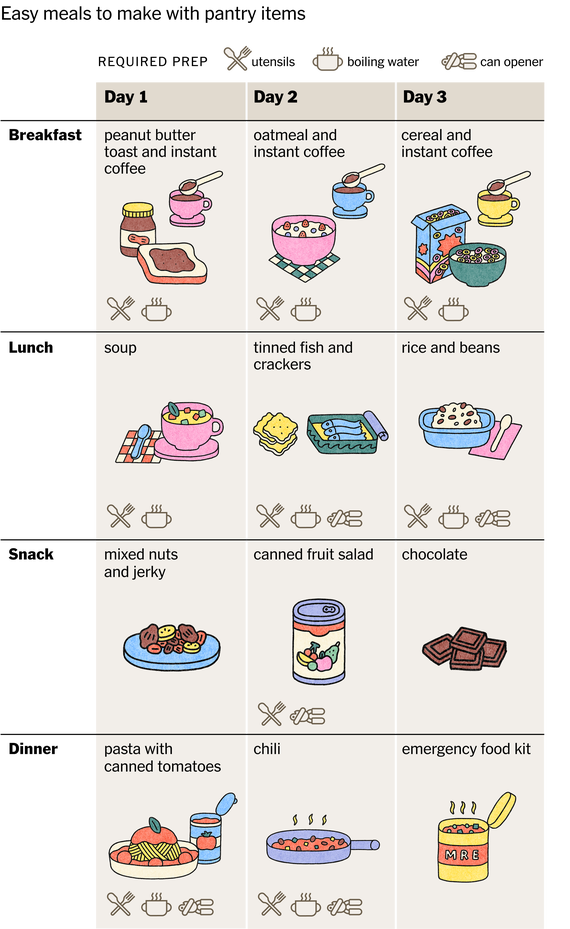
Using emergency food stamps is simple and convenient. The EBT card can be used to purchase a variety of food items. However, it’s important to note that certain items, such as alcohol or hot prepared foods, might not be eligible for purchase. Think about what you’ll need most in an emergency—canned goods, fresh produce, or baby formula. The flexibility of the program allows you to choose what best suits your family’s needs. Have you ever considered how you’d manage food costs in a crisis? Having emergency food stamps ensures that even in the toughest times, you can maintain some normalcy in your daily life.
Credit: www.economist.com
Common Challenges
Emergency food stamps help many families in tough times. Despite their importance, some common challenges can affect access and use. Understanding these issues can prepare applicants better.
Delays In Processing
Processing emergency food stamps can take longer than expected. Staff shortages or high demand often slow down application reviews. This delay can cause stress for families needing immediate support. Applicants should apply early and follow up regularly to avoid long waits.
Eligibility Issues
Not everyone qualifies for emergency food stamps. Eligibility depends on income, household size, and local rules. Confusion about these rules can lead to denied applications. Clear documentation and understanding requirements help reduce these problems.
Appealing Denials
Denials happen for various reasons. Applicants have the right to appeal if rejected. The appeal process requires submitting additional proof or correcting errors. Staying calm and organized improves chances of success during appeals.
Tips For Faster Access
Getting emergency food stamps quickly can make a big difference when you need help right away. There are ways to speed up the process and reduce waiting times. Paying attention to details and knowing who to reach out to can help you get assistance faster.
Preparing Your Application
Gather all necessary documents before you start your application. This includes ID, proof of income, and residency papers. Having everything ready prevents delays from missing information.
Double-check your forms for accuracy. Small mistakes like misspelled names or wrong dates can cause rejections or slow reviews. Think about how frustrating it was waiting longer due to a simple error—avoiding that is within your control.
Contacting Local Agencies
Reach out directly to your local social services office. Sometimes phone calls or visits can get you updates faster than online portals. Ask if they have expedited options for emergency cases.
Build a connection with caseworkers when possible. A polite conversation can encourage them to prioritize your file. Have you noticed how a personal touch often speeds things up?
Avoiding Common Mistakes
Don’t submit incomplete applications. Missing pages or unanswered questions lead to back-and-forth that stalls your approval. Take time to review everything carefully.
Watch out for deadlines. Emergency food stamps often have strict timeframes for application and documentation. Submitting late could mean waiting longer or losing benefits.
Lastly, don’t rely solely on automated systems. Sometimes, technology glitches or system overloads happen. Following up in person or by phone can keep your case moving forward.

Credit: www.lasp.org
Additional Resources
Finding emergency food stamps can be a lifesaver, but sometimes you need more than just financial help to get through tough times. Additional resources offer a wider safety net to make sure you and your family don’t go hungry or miss out on basic needs. Knowing where to look can save you time and stress when every minute counts.
Community Food Programs
Local food banks and pantries often provide free groceries, fresh produce, and meals to those in need. These programs are run by churches, non-profits, and sometimes local governments, making them accessible even if you haven’t qualified for emergency food stamps yet.
Have you checked if your community center hosts regular food drives? Many places offer weekly or monthly distributions that can supplement your food supply. Signing up for these programs is usually simple and can provide immediate relief.
Other Emergency Assistance
Emergency food stamps are just one part of the support system. You might also qualify for housing assistance, utility bill help, or childcare subsidies. Combining these resources can ease your overall financial burden and give you space to focus on rebuilding stability.
Think about reaching out to local social services or nonprofits that specialize in emergency aid. They often have caseworkers who can guide you through applying for multiple programs at once. Don’t hesitate to ask for help — these services exist to support you when times get tough.
Online Tools And Hotlines
Technology can be a powerful ally in emergencies. Websites like Benefits.gov or your state’s human services page offer quick eligibility quizzes and application portals for food assistance and other programs.
Hotlines provide direct access to advice and referrals. Calling a food assistance hotline can connect you to immediate resources in your area. Could a quick phone call today open doors you didn’t know existed?

Credit: www.yahoo.com
Frequently Asked Questions
What Are Emergency Food Stamps And How Do They Work?
Emergency food stamps are temporary benefits given during urgent financial hardship. They provide immediate access to groceries. States quickly approve these to help families facing sudden income loss or disaster.
Who Is Eligible For Emergency Food Stamps?
Eligibility depends on income level, household size, and urgent need. Those facing job loss, natural disaster, or unexpected expenses may qualify. Each state sets specific criteria to assess emergency cases.
How Can I Apply For Emergency Food Stamps?
Applications can be submitted online, by phone, or in person at local agencies. Provide proof of emergency and income details. Quick processing is common to ensure fast benefit delivery.
How Soon Do Emergency Food Stamps Get Approved?
Approval usually occurs within a few days or weeks. States prioritize emergency cases to deliver benefits quickly. Prompt approval helps families access essential food immediately.
Conclusion
Emergency food stamps help people buy food quickly. They support families during tough times. You apply through your local agency or online. Approval depends on your income and emergency needs. Benefits come fast to cover urgent food costs. Using them wisely ensures your family eats well.
Keep important documents ready for smooth processing. Remember, emergency food stamps provide short-term help only. Stay informed about rules to keep receiving aid. This support can ease stress and improve nutrition today.