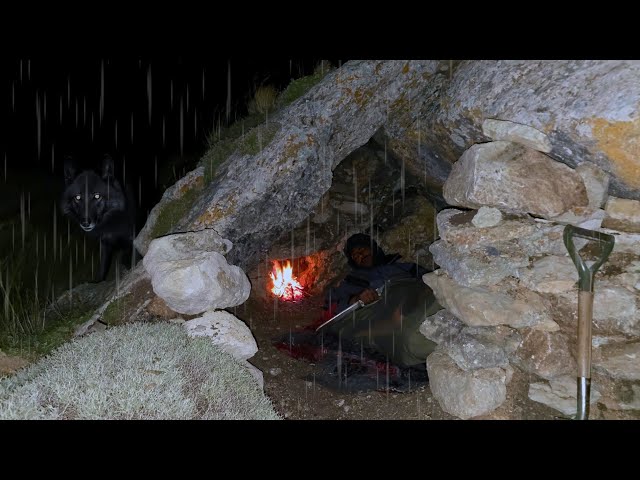
Imagine being out in the wild, with nothing but nature around you. Your first priority?
Staying safe and warm. Knowing how to build a survival shelter with a fireplace can make all the difference between discomfort and comfort, or even life and death. In this guide, you’ll learn simple steps to create a strong shelter that keeps you protected and a fireplace that provides warmth and a way to cook food.
By the end, you’ll have the confidence to face the outdoors with one less worry. Ready to take control of your survival skills? Let’s dive in.
Choosing The Right Location
Choosing the right location for your survival shelter with a fireplace is crucial. The spot affects your safety, comfort, and access to resources. Picking a good site ensures warmth, protection, and easier daily tasks. Consider terrain, weather, and nearby supplies before building.
Assessing Terrain And Weather
Find flat or gently sloping ground to build your shelter. Avoid low spots that collect water or flood easily. Check wind direction to place the fireplace where smoke blows away from the shelter. Look for natural windbreaks like trees or rocks to reduce wind chill.
Consider the local weather patterns. Choose a site that stays dry and has good drainage. Avoid areas prone to heavy snow or strong storms. A sheltered spot saves heat and keeps your shelter stable in bad weather.
Proximity To Resources
Select a location near essential resources. Water sources like streams or rivers are vital for drinking and cooking. Make sure the water is clean or can be purified. Look for places with plenty of firewood nearby. Wood should be dry and easy to collect.
Check for edible plants or game if you plan to hunt or gather food. Being close to resources means less effort and time spent outside the shelter. This increases your chances of staying safe and warm.
Safety Considerations
Avoid building near hazards such as cliffs, unstable ground, or animal trails. These areas can be dangerous and increase risk. Stay away from places with falling branches or dead trees. These can fall and cause injury or damage.
Make sure the fireplace is far enough from the shelter walls and flammable materials. This prevents accidental fires. Clear the area around the fireplace of leaves and dry grass. Keep an open space to control and contain the fire safely.
Selecting Shelter Type
Choosing the right type of shelter is crucial for survival. It affects warmth, safety, and comfort. Consider your environment and available materials. The shelter should protect from wind, rain, and cold. It must also allow space for a fireplace. Fire helps with heat, cooking, and keeping animals away. Here are common shelter types that work well with a fireplace.
Natural Shelters
Natural shelters use the environment’s features. Examples include caves, rock overhangs, and hollow trees. These shelters provide ready-made protection from weather. They save time and energy. Fire can be built outside or inside, if safe. Watch for hazards like falling rocks or flooding. Natural shelters blend with surroundings and offer camouflage.
Lean-to Shelters
Lean-to shelters are simple and quick to build. They have a slanted roof made from branches or bark. One side is open for the fireplace and ventilation. Position the open side away from wind. Use sturdy poles for support. Cover the roof with leaves or moss for insulation. Fire can be built in front, providing warmth and light.
Debris Huts
Debris huts use leaves, grass, and branches for walls and roof. Build a frame from sticks and lean them together. Pile thick debris on top for insulation. Make the entrance small to trap heat. Place the fireplace just outside or near the entrance. Smoke must escape easily to avoid danger. Debris huts are warm and blend well with nature.
Gathering Materials
Collect wood, leaves, and stones to create a strong shelter frame and fireplace base. Choose dry materials to keep fire burning safely. Gather enough supplies to build and maintain warmth throughout the night.
Gathering the right materials is crucial when building a survival shelter with a fireplace. The quality of your materials can significantly impact the shelter’s durability and comfort. Let’s break down the essentials you’ll need to gather for a successful build.Wood And Branches
Start by collecting sturdy branches for the framework. Look for branches that are roughly the thickness of your wrist; they should be strong enough to support the structure. Deadwood is ideal as it’s easy to work with and readily available in most forests. For the walls and roof, gather a mix of smaller branches and saplings. These will help fill in gaps and provide additional support. Remember, the tighter your structure, the better it will hold in heat.Insulating Materials
Insulation is key to maintaining warmth within your shelter. Use leaves, pine needles, or moss to layer the walls and roof. This natural insulation will trap heat and keep the cold out. Consider adding a thicker layer of insulation on the side of the shelter facing the wind. This will act as a natural barrier, keeping the interior cozy even in harsh conditions.Fireproof Stones
For the fireplace, gather flat stones to line the fire pit. These stones will help contain the fire and prevent it from spreading to the rest of your shelter. Make sure the stones are dry, as wet stones can explode when heated. Arrange the stones in a circle or square at the center of your shelter. This setup will direct heat upwards and outwards, effectively warming the entire space. Have you ever considered how the right placement of stones can turn a fire into a true source of comfort?
Credit: www.youtube.com
Building The Shelter Frame
Building the shelter frame forms the base of a sturdy survival shelter. A strong frame keeps the structure safe and stable. It supports the walls and roof, providing protection from weather. Focus on solid construction using available natural materials or simple tools. Precision in this step ensures the shelter lasts longer and stays secure.
Foundation Setup
Start by clearing the ground of rocks and debris. Choose a flat, dry area to prevent water pooling. Mark the shelter’s outline using sticks or rope. Dig shallow trenches along the outline for better stability. Place large, flat stones or logs in the trenches. These act as the base and keep the frame off the wet ground.
Constructing Walls
Use sturdy branches or logs for wall supports. Stand vertical poles firmly into the ground or foundation. Space them evenly for strong support and easy attachment. Tie poles together with rope, vines, or strips of cloth. Add horizontal branches between vertical supports to create a lattice. This lattice holds covering materials like leaves or bark.
Roof Assembly
Build a roof frame with long, strong poles. Lean them at an angle from the top of the walls to a central ridge pole. Secure joints tightly to prevent shifting. Cover the frame with overlapping branches or large leaves. Layer materials thickly to block rain and wind. Leave space for a chimney if adding a fireplace inside.
Constructing The Fireplace
Constructing a fireplace in your survival shelter adds warmth, a cooking spot, and a comforting glow. It requires careful planning and attention to safety. Let’s break down the key elements to help you build a functional and safe fireplace.
Choosing Fireplace Location
Pick a spot inside your shelter that’s away from flammable materials like dry leaves or wooden walls. Ideally, it should be near the center to distribute heat evenly but with enough clearance on all sides.
Think about ventilation. Position the fireplace where smoke can easily exit without filling your shelter. Have you noticed how smoke lingers when the fire is too enclosed? Avoid that by choosing a location with natural airflow or planned vents.
Building A Fire Pit
Start by digging a shallow pit on the ground to contain the fire. Use stones or bricks to line the pit, creating a barrier that keeps the fire controlled.
Make sure the fire pit is large enough for cooking or heating but small enough to manage safely. You can also place a metal grate over it if you plan to cook.
- Dig about 12 inches deep
- Use non-flammable stones to form a circle around the pit
- Clear surrounding area of debris to prevent accidental fires
Creating A Chimney Or Vent
Smoke can be dangerous inside a shelter, so a chimney or vent is essential. Build a vertical shaft above the fireplace to guide smoke outside.
Use metal or fire-resistant materials for the chimney. If unavailable, create a vent by cutting an opening near the roof to let smoke escape naturally.
Have you tried lighting a fire in a closed space without proper ventilation? The discomfort and danger it causes prove how critical this step is.

Credit: www.youtube.com
Ensuring Safety And Ventilation
Building a survival shelter with a fireplace requires careful attention to safety and ventilation. Proper airflow prevents smoke buildup and reduces health risks. Good ventilation helps keep the fire burning efficiently and protects the shelter’s structure. Safety measures lower the chance of accidents and ensure a secure place to stay.
Smoke Management
Smoke can harm your lungs and block visibility. Create a chimney or smoke vent at the top of the shelter. This lets smoke escape quickly and keeps air fresh inside. Position the vent away from sleeping and cooking areas. Check the vent often to avoid blockages from soot or debris.
Fire Prevention Tips
- Clear the area around the fireplace of flammable materials.
- Use dry wood to reduce excess smoke and sparks.
- Build a fire ring with stones to contain flames.
- Keep a bucket of water or sand nearby for emergencies.
- Never leave the fire unattended.
- Extinguish the fire fully before sleeping or leaving the shelter.
Emergency Exits
Plan more than one exit from the shelter. This ensures a quick escape if fire or smoke blocks the main door. Keep exits clear and easy to open. Mark exits clearly inside the shelter. Practice moving through exits quickly to stay safe in an emergency.
Enhancing Comfort And Insulation
Creating a survival shelter with a fireplace is not just about protection. Comfort and warmth are essential for staying safe and healthy. Enhancing insulation helps keep the cold out and the heat in. It also makes the shelter cozy and livable during harsh weather. Simple steps can improve your shelter’s comfort dramatically.
Adding Insulation Layers
Insulation slows down heat loss and keeps your shelter warm. Use natural materials like dry leaves, pine needles, or moss. Layer these materials on walls and roof. You can also add blankets, tarps, or foam boards inside. Thicker layers trap more heat and block cold air.
Flooring Options
The ground is cold and damp. Adding a proper floor helps keep your feet warm and dry. Use wooden pallets, logs, or branches to create a raised floor. Cover the floor with leaves, grass, or pine boughs. These materials provide extra insulation and comfort.
Weatherproofing Techniques
Seal gaps and cracks to stop wind and rain from entering. Use mud, clay, or snow to fill holes in the walls. Cover your shelter with a tarp or plastic sheet to block water. Angle the roof to let rain run off easily. Protect the entrance with a flap or door made from fabric or wood.

Credit: www.youtube.com
Maintaining The Shelter And Fireplace
Maintaining your survival shelter and fireplace is essential for safety and comfort. A well-kept shelter protects you from harsh weather, while a clean fireplace ensures efficient heating and reduces fire hazards. Regular attention to these areas can make a big difference during extended stays outdoors.
Regular Cleaning
Keep your shelter tidy by removing debris, leaves, and dirt daily. This prevents moisture buildup and keeps pests away. For the fireplace, clear ashes and unburned wood after each use to maintain airflow and prevent smoke backup.
Check the chimney or smoke vent regularly for soot buildup. A clogged chimney can cause dangerous smoke inside your shelter. Use a simple brush or stick to clear the vent before lighting your fire.
Repairing Damage
Inspect your shelter’s walls, roof, and floor for cracks or holes. Even small gaps can let cold air or rain inside, reducing warmth and comfort. Patch these with available materials like mud, leaves, or spare wood.
Pay close attention to the fireplace structure. Loose stones or broken bricks can cause sparks or collapse. Replace or reinforce damaged parts immediately to keep your fire safe and stable.
Seasonal Adjustments
Change your shelter setup as seasons shift. In colder months, add extra insulation using pine boughs, blankets, or foam if available. This traps more heat and keeps the chill out.
During warmer seasons, improve ventilation by opening windows or vents to prevent overheating. Also, clear away any snow or fallen branches from around your shelter to avoid damage or blockages.
How often do you check your shelter and fireplace? Making it a routine can save you from unexpected problems when you need your shelter the most.
Frequently Asked Questions
What Materials Are Best For A Survival Shelter Fireplace?
Use dry, non-toxic wood like pine or oak for fuel. Build a stone or metal fire ring to contain flames safely. Avoid green wood as it produces smoke and burns inefficiently.
How Do You Ensure Proper Ventilation In A Shelter Fireplace?
Create a chimney or vent hole above the fireplace to allow smoke to escape. Position vents to promote airflow and prevent smoke buildup inside the shelter.
Can A Survival Shelter Fireplace Provide Enough Warmth?
Yes, a well-built fireplace can heat a small shelter effectively. Proper insulation and fire maintenance maximize heat retention and comfort.
How To Safely Build A Fire Inside A Survival Shelter?
Clear flammable materials around the fire area. Use a fireproof base like stones or dirt. Never leave the fire unattended and fully extinguish before sleeping.
Conclusion
Building a survival shelter with a fireplace takes careful planning and effort. A good shelter keeps you safe and warm in tough conditions. The fireplace helps control heat and smoke. Choose strong materials and place the shelter in a good spot.
Keep safety in mind when lighting the fire. Practice building your shelter before you really need it. This skill can make a big difference in an emergency. Stay prepared and confident in the outdoors. Shelter and fire together create comfort and protection.
Simple steps lead to survival success.