Imagine facing a sudden emergency with no time to shop or prepare meals. How would you feed yourself and your loved ones?
Building an emergency food supply is one of the smartest steps you can take to protect your family and stay calm in a crisis. In this guide, you’ll discover simple, practical ways to create a stockpile that fits your needs and lifestyle.
By the end, you’ll feel confident knowing you’re ready for whatever comes your way. Keep reading to learn exactly how to start building your emergency food supply today.
Choosing The Right Foods
Choosing the right foods for your emergency supply is more than just grabbing anything with a long shelf life. The goal is to balance convenience, nutrition, and energy so you’re prepared for any situation. Think about what foods will keep well, satisfy hunger, and support your body during stressful times.
Shelf-stable Staples
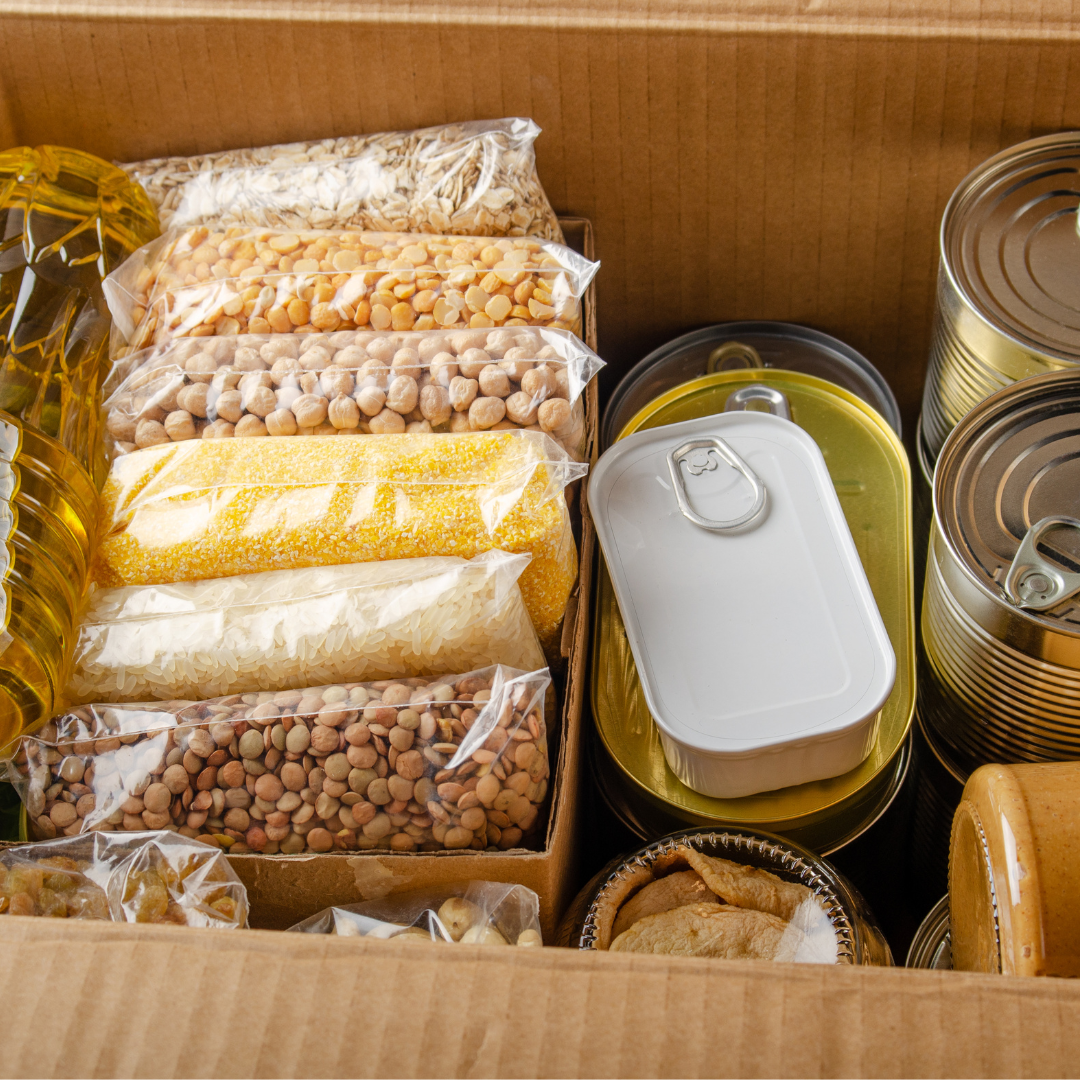
Shelf-stable foods are the backbone of any emergency food supply because they can last months or even years without refrigeration. Look for items like canned beans, rice, pasta, dried lentils, and canned vegetables. These foods are easy to store and can be the base for many meals.
Don’t forget about canned meats such as tuna or chicken, which add protein without needing refrigeration. Also, consider shelf-stable milk or powdered milk as versatile options. Ask yourself: How much space do you have, and what cooking equipment will you use?
High-calorie Options
In emergencies, your body needs extra calories to stay energized, especially if you’re physically active. Include calorie-dense foods like peanut butter, nuts, seeds, and granola bars. These foods pack a lot of energy into small portions and require no cooking.
Dried fruits like apricots and raisins add natural sweetness and calories too. Don’t overlook energy bars or trail mix, which are designed to fuel you quickly. Think about how you will ration these to avoid running out too soon.
Nutrient-rich Choices
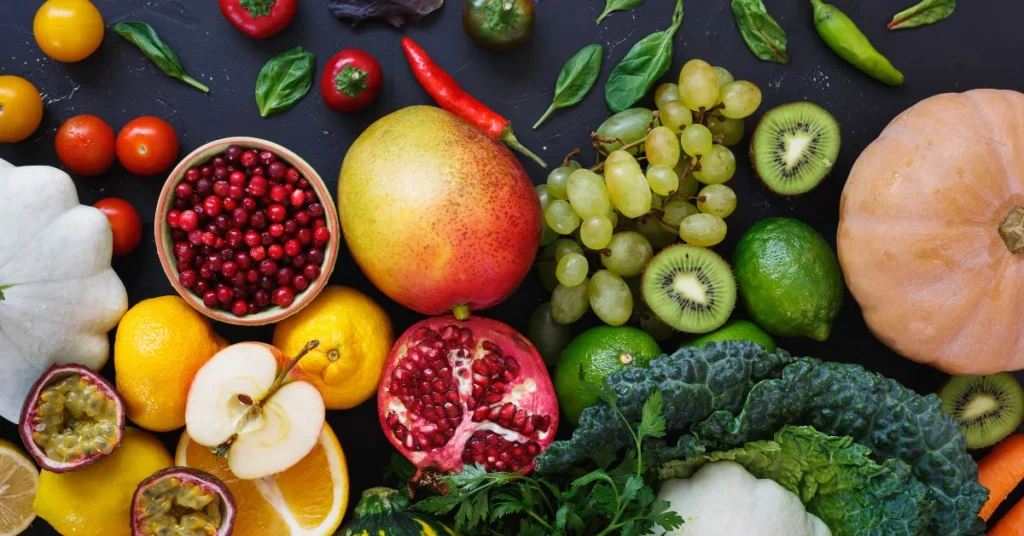
Surviving isn’t just about calories; your body needs vitamins and minerals to function properly. Add foods rich in essential nutrients such as canned spinach, kale chips, or freeze-dried vegetables. These help prevent deficiencies that can weaken your immune system.
Vitamin C is crucial, so include items like canned tomatoes or citrus-flavored vitamin supplements. Also, consider multivitamin tablets as a backup to fill any nutritional gaps. How will you keep your immune system strong when fresh produce isn’t available?
Storage Techniques
Building an emergency food supply is only half the battle; how you store that food can make or break your preparedness. Proper storage techniques ensure your food stays safe, fresh, and edible when you need it most. Let’s dive into practical ways to keep your emergency food supply in top shape.
Container Selection
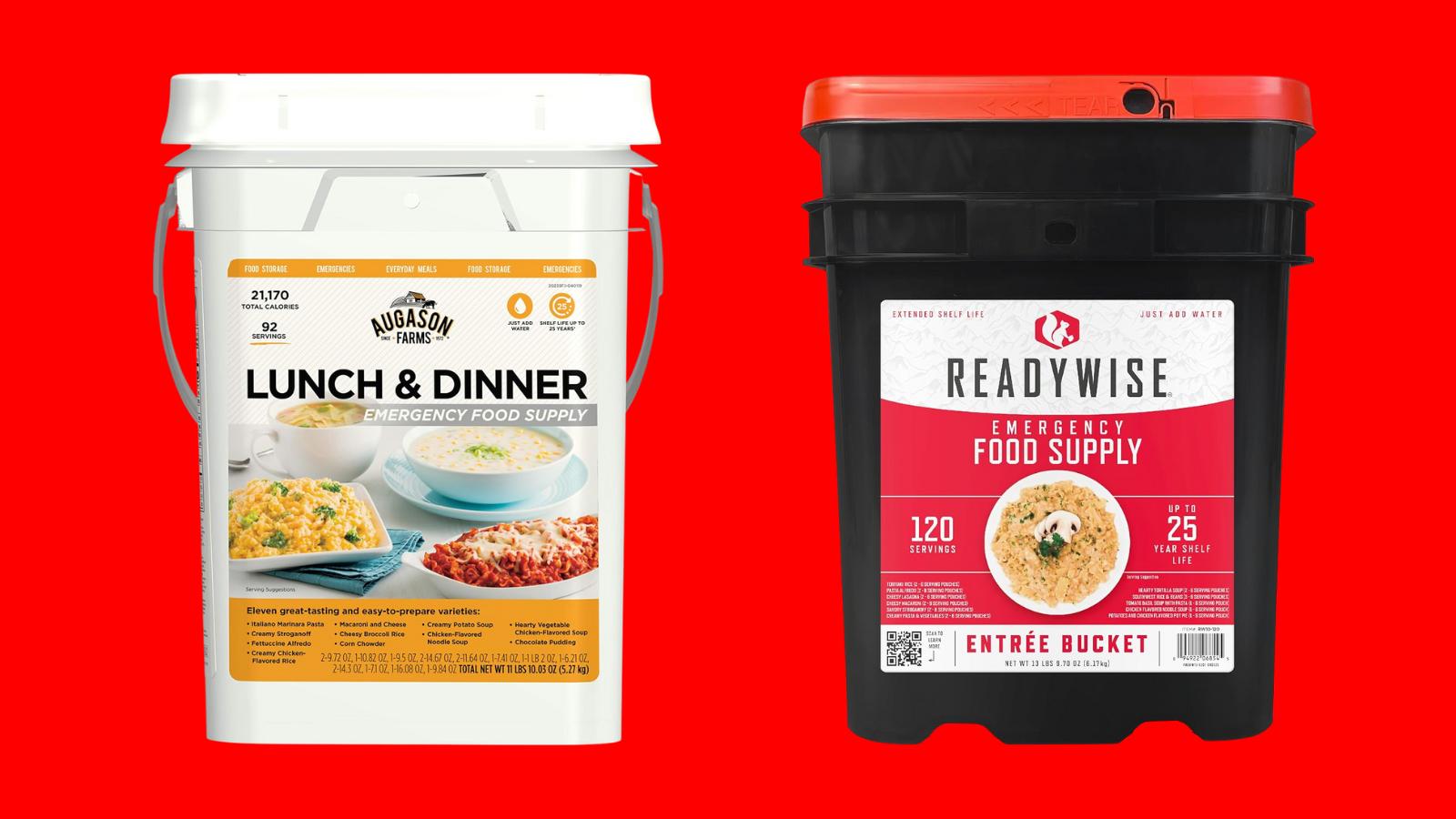
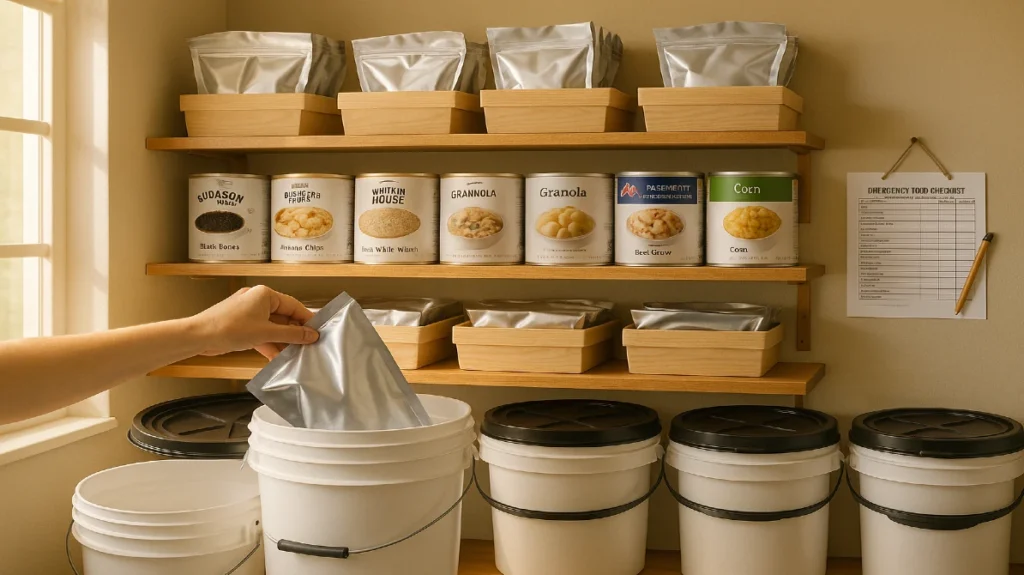
Choosing the right containers protects your food from moisture, pests, and air exposure. Airtight containers like Mylar bags with oxygen absorbers are excellent for long-term storage. You can also use food-grade plastic buckets with sealed lids to keep larger quantities safe.
Glass jars work well for dry goods but avoid using them for heavy bulk storage to prevent breakage. Think about your storage space and portability needs when selecting containers. Have you considered how easy it will be to open your containers in an emergency?
Optimal Storage Conditions
Temperature and humidity play a huge role in food longevity. Store your emergency supplies in a cool, dark, and dry place to slow down spoilage. A basement or a closet away from direct sunlight often works well.
Keep humidity below 60% to prevent mold and spoilage. If you live in a humid climate, consider using silica gel packs or dehumidifiers. Ask yourself if your current storage area maintains consistent temperature and low moisture year-round.
Rotation And Expiry Management
Even the best-stored food has a shelf life. Regularly check expiration dates and rotate your stock so older items get used first. Label containers with the date you stored the food to make this easier.
Set reminders to inspect your supply every 6 months. This habit helps you avoid surprises when you need your emergency food most. What system can you create today to ensure you’re always eating the oldest items first?
Meal Planning For Emergencies
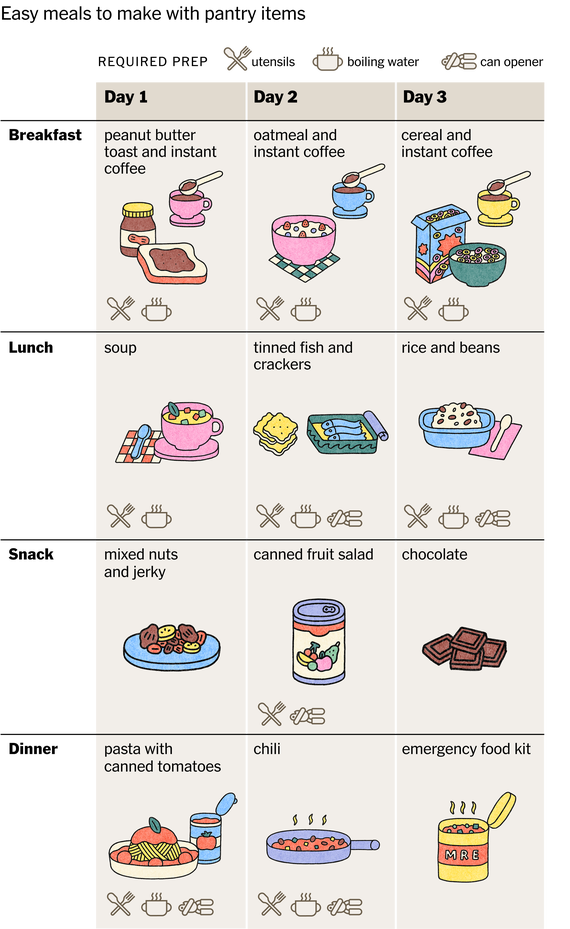
Building an emergency food supply means choosing long-lasting, easy-to-store foods. Focus on variety to meet nutritional needs during tough times. Store water and non-perishable items in a cool, dry place for safety.
Planning meals for emergencies might not sound thrilling, but it’s crucial for survival and comfort during uncertain times. Having a structured meal plan ensures you have enough food to maintain energy and health. It also helps reduce stress when the unexpected happens.Balanced Nutrition
When creating your emergency meal plan, think about balanced nutrition. Consider the essential food groups: proteins, carbohydrates, and fats. Stock up on canned beans, whole grain pasta, and nut butters. These items are shelf-stable and pack a nutritional punch. Remember to include vitamins and minerals. Add canned fruits and vegetables to your list. They are easy to store and help maintain a balanced diet. Without fresh produce, you might miss vital nutrients, so choose wisely.Easy-to-prepare Meals
In an emergency, you may not have the luxury of time or resources for complex cooking. Aim for meals that are simple and quick to prepare. Think of items like instant oatmeal, soups, and canned stews. Consider meals that only need water or minimal heating. A portable camping stove or a solar cooker can be invaluable. Imagine the relief of enjoying a warm meal when the power is out!Special Dietary Needs
Do you have family members with special dietary needs? It’s essential to plan for them. Gluten-free, vegan, or low-sodium options should be part of your stockpile. Explore shelf-stable alternatives that cater to these needs. For instance, keep gluten-free grains like quinoa or canned lentils. Remember, in stressful times, dietary restrictions don’t vanish. Creating a meal plan for emergencies doesn’t have to be daunting. With thoughtful preparation, you can ensure your family stays nourished and content, no matter what comes your way. Are there specific foods you can’t live without during a crisis?Water Supply Essentials
Your water supply is the backbone of any emergency food stockpile. Without clean, accessible water, food preparation and hydration become impossible. Focusing on water supply essentials ensures you stay healthy and ready for any situation.
Safe Water Storage
Choosing the right containers for water storage is crucial. Use food-grade plastic or glass containers with tight lids to prevent contamination.
Keep your stored water in a cool, dark place away from chemicals and direct sunlight. Label containers with the date you filled them and replace the water every six months for freshness.
Have you checked your water containers lately? Even a small crack can let harmful bacteria in, ruining your supply.
Purification Methods
Simply storing water isn’t enough; you must know how to purify it when needed. Boiling water for at least one minute kills most pathogens and is highly reliable.
If boiling isn’t an option, chemical treatments like iodine or chlorine tablets are effective and easy to carry. Keep in mind that some people may be sensitive to these chemicals, so follow instructions carefully.
Another option is using portable water filters designed to remove bacteria and protozoa. These filters are handy during power outages or when accessing natural water sources.
Daily Water Requirements
How much water do you really need each day? The general recommendation is at least one gallon (about 3.8 liters) per person for drinking and basic sanitation.
Consider your climate and activity level; hotter weather and more physical work increase your water needs. Don’t forget to plan for pets and any medical conditions requiring extra hydration.
Tracking your daily water consumption during a test period can reveal how much you truly use, helping you build a realistic emergency supply.
Tools And Equipment
Having the right tools and equipment can make a huge difference in how efficiently you build and maintain your emergency food supply. It’s not just about storing food but also being able to prepare and cook it safely when you need it most. Let’s look at the essential items that will keep your food supply practical and ready for action.
Cooking Devices
Think about how you’ll cook your food if power goes out. A reliable cooking device is a must-have.
- Portable camp stoves:These run on small propane or butane canisters and heat food quickly. I once used one during a storm blackout, and it saved me from cold meals for days.
- Solar ovens:No fuel needed, just sunlight. They’re great for sunny climates but might not work well in every emergency.
- Portable charcoal or wood grills:Useful if you have access to outdoors. Just remember to store enough fuel safely.
- Multi-fuel stoves:These can burn different types of fuel, offering flexibility when supplies run low.
Which option fits your lifestyle and emergency plan best? Consider your environment and how much space you have for storage.
Food Preparation Tools
Prepping food can be challenging without the right tools. Simple, durable items will save you time and frustration.
- Sharp knives:A good chef’s knife and a paring knife handle most cutting tasks. Keep them sharp for safety and efficiency.
- Cutting boards:Have at least two to avoid cross-contamination—one for raw meats and one for vegetables.
- Manual can opener:Electric ones won’t work during power outages. A sturdy manual opener is vital.
- Mixing bowls and measuring cups:They help you prepare meals accurately and keep portions controlled.
- Reusable utensils and containers:Stainless steel or BPA-free options last longer and are safer to use.
Do you have all these basics at hand? It’s easy to overlook simple tools until you really need them.
Packaging Supplies
Proper packaging keeps your food fresh, safe, and organized. It also helps extend the shelf life of many items.
- Vacuum sealers and bags:Removing air prevents spoilage and freezer burn. I use this for bulk purchases and freeze-dried foods.
- Mylar bags with oxygen absorbers:Perfect for long-term storage of grains, beans, and dehydrated foods.
- Food-grade plastic containers:Stackable and durable, they protect food from moisture and pests.
- Labels and markers:Clearly mark contents and expiration dates to avoid confusion later.
- Heavy-duty storage bins:Keep your supplies organized and safe from damage.
How well is your food protected from air, moisture, and pests right now? Upgrading your packaging can make a big difference.

Credit: www.jackery.com
Maintaining Your Food Supply
Maintaining your emergency food supply is vital to keep it safe and useful. Food can spoil, lose taste, or become unsafe over time. Regular care ensures your supply stays fresh and ready for any situation.
Regular Inspections
Check your food storage every few months. Look for signs of damage, moisture, or pests. Make sure packaging is intact and labels are readable. A clean, dry, and cool storage area helps preserve food quality.
Replacing Expired Items
Expired food may lose nutrients and taste. Remove any items past their expiration date. Replace them with fresh supplies. Keep a list to track expiration dates and plan your replacements efficiently.
Updating Food Choices
Adjust your food supply to match your current needs. Add new items to improve nutrition or variety. Consider dietary changes or family size. Rotate different types of food to avoid monotony and boredom.
Budget-friendly Tips
Building an emergency food supply doesn’t have to drain your wallet. You can create a reliable stash of essentials without overspending. With smart choices and a bit of planning, your budget can stretch much further than you might expect.
Buying In Bulk
Bulk buying often offers the best value for your money. Staples like rice, beans, pasta, and canned goods usually come cheaper per unit when purchased in larger quantities.
Look for warehouse stores or online bulk retailers. Just make sure you have enough storage space and a plan to use what you buy before it expires. Have you checked your pantry lately to see what items you already buy in bulk?
Sales And Discounts
Keep an eye on weekly ads and clearance sections at your local grocery stores. Stocking up during sales can save you a significant amount in the long run.
Use apps or store loyalty programs to get alerts for discounts on non-perishable items. Combining sales with coupons can double your savings. When was the last time you bought something essential just because it was on sale?
Diy Food Preservation
Preserving your own food can reduce costs and add variety to your emergency supply. Techniques like canning, freezing, and dehydrating extend shelf life and keep food fresh longer.
Try drying herbs or fruits yourself instead of buying pre-packaged versions. It’s easier than you think and gives you control over what goes into your food. What home preservation skill could you start learning today to save money?
Credit: stormreadyhome.com
Credit: wildoaktrail.com
Frequently Asked Questions
What Are The Essential Foods For An Emergency Supply?
Include non-perishable items like canned goods, rice, pasta, and dried beans. Add high-calorie snacks and powdered milk for nutrition. Prioritize foods with long shelf lives and easy preparation methods.
How Much Food Should I Store For Emergencies?
Plan for at least a two-week supply per person. Consider daily calorie needs, water availability, and dietary restrictions. Adjust quantities based on family size and emergency duration expectations.
How Do I Store Emergency Food Properly?
Keep food in a cool, dry, and dark place. Use airtight containers to prevent moisture and pests. Regularly check expiration dates and rotate stock to maintain freshness.
Can I Include Fresh Foods In My Emergency Supply?
Fresh foods are perishable and not ideal for long-term storage. However, store root vegetables like potatoes and onions for short-term use. Rely mainly on shelf-stable foods for emergencies.
Conclusion
Building an emergency food supply takes time and planning. Start small and add more food regularly. Choose items that last long and are easy to prepare. Store food in a cool, dry place to keep it fresh. Check your supply often and replace old items.
This simple habit keeps you ready for any situation. Being prepared brings peace of mind and safety. You can protect your family by having enough food stored. Take action now, and stay ready for the unexpected.