When an emergency strikes, having the right food stored can make all the difference for you and your loved ones. But what exactly should you keep on hand to stay nourished and safe?
You might think any canned goods or snacks will do, but choosing the right foods can ensure you stay healthy, energized, and comfortable when normal options aren’t available. You’ll discover the essential foods to store that are easy to keep, packed with nutrients, and can last through tough times.
Keep reading—your future self will thank you for being prepared.
Long-lasting Grains
Long-lasting grains are a cornerstone for any emergency food supply. They store well for extended periods and provide essential energy and nutrients when fresh food isn’t available. Keeping a variety of grains ensures you have options for different meals and nutritional benefits.
Rice Varieties
White rice is a classic choice for emergencies because it can last up to 30 years if stored properly in airtight containers. Brown rice, while more nutritious, has a shorter shelf life of about 6 months to a year, so it’s best used quickly or rotated frequently.
Consider adding jasmine or basmati rice for variety—they cook quickly and have great flavor. Did you know that parboiled rice holds nutrients better and also stores well? Including different types can keep your meals interesting during tough times.
Quinoa And Couscous
Quinoa is not just trendy—it’s a powerhouse grain packed with protein and fiber. It has a shelf life of about 2-3 years when stored in a cool, dry place, making it a smart addition to your stockpile.
Couscous, made from semolina wheat, cooks fast and can last up to a year if kept sealed. Both quinoa and couscous are versatile for meals and can be mixed with canned vegetables or beans for a balanced dish.
Oats And Barley
Oats are excellent for breakfast or baking and can last around 1-2 years if stored correctly. Rolled oats and steel-cut oats both work, but steel-cut oats take longer to cook.
Barley offers a chewy texture and hearty flavor, with a shelf life similar to oats. It’s great in soups and stews, helping you stretch limited ingredients into filling meals.
Have you thought about how these grains could change your emergency meals from bland to satisfying? Storing a mix means you’re ready for whatever your taste buds or nutrition needs demand.
Canned And Jarred Goods
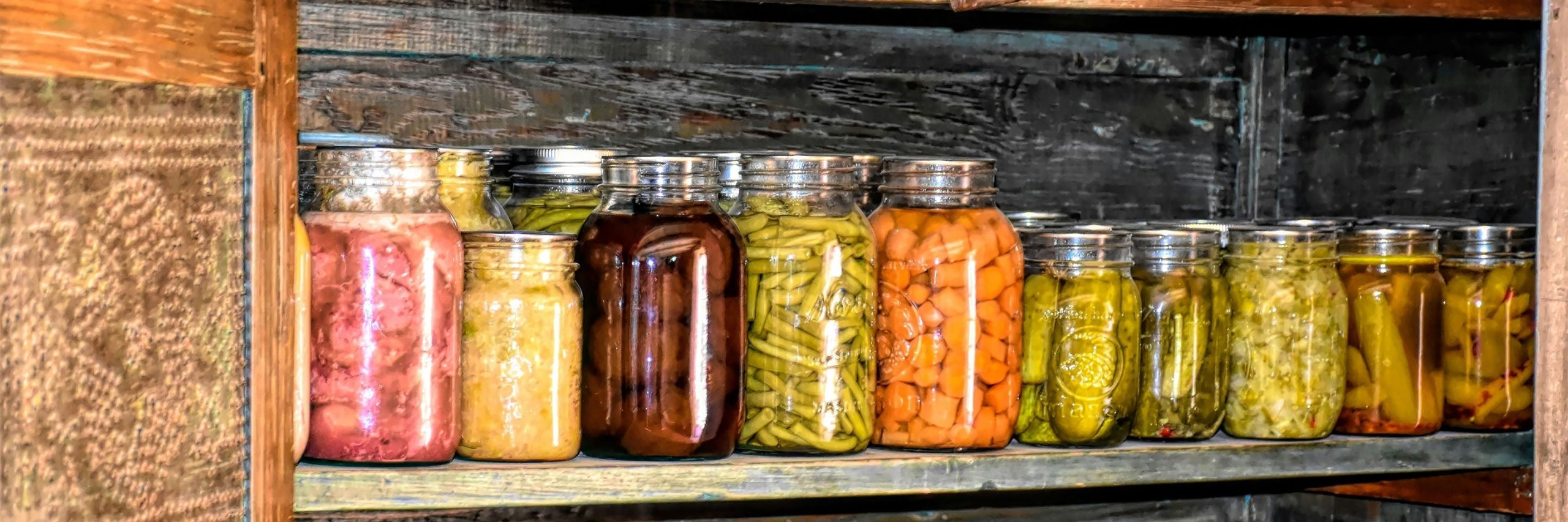
Canned and jarred goods are essential for any emergency food supply. They last a long time and need no refrigeration. These foods keep well in a cool, dry place. They provide a variety of nutrients and flavors. Choosing the right canned and jarred items helps maintain a balanced diet during emergencies.
Vegetables And Fruits
Canned vegetables and fruits offer convenience and nutrition. They retain most vitamins and minerals. Pick low-sodium vegetables to reduce salt intake. Choose fruits packed in water or natural juice, not syrup. These options provide fiber and essential vitamins.
- Canned green beans
- Carrots
- Peas
- Tomatoes
- Peaches
- Pineapple
- Mixed fruit cups
Beans And Legumes
Beans and legumes are excellent protein sources. They also supply fiber and important minerals. Canned beans cook quickly and add variety to meals. Keep multiple types for different recipes.
- Black beans
- Kidney beans
- Chickpeas (garbanzo beans)
- Lentils
- Pinto beans
Meats And Fish
Canned meats and fish provide vital protein and healthy fats. They are ready to eat or add to dishes. Select low-sodium and low-fat options for better health. These items help maintain energy and muscle strength.
- Canned tuna
- Salmon
- Chicken
- Sardines
- Spam or canned ham
Dried Foods
Dried foods last long and save space, making them ideal for emergency storage. They provide essential nutrients and stay safe without refrigeration. Examples include dried fruits, nuts, and beans.
Stocking up on dried foods is a smart strategy for emergency preparedness. These foods are not only long-lasting but also nutrient-rich, making them an essential part of any survival kit. They require minimal storage space and can be easily rehydrated when needed, providing you with essential nutrients during critical times. Do you have a favorite dried food that you always keep on hand? Let’s explore some of the top dried food options you should consider storing.Dehydrated Fruits
Dehydrated fruits are a tasty and nutritious option to include in your emergency food supply. With a shelf life that can extend up to a year or more, they offer a sweet treat without the need for refrigeration. Apples, bananas, and berries are popular choices. They can be eaten as snacks or rehydrated for use in recipes. The natural sugars in dehydrated fruits can give you a quick energy boost. Imagine enjoying a handful of dried apricots while waiting out a storm!Jerky And Dried Meats
Jerky and dried meats are protein powerhouses perfect for emergency scenarios. These meats are cured and dried, making them shelf-stable and easy to store. Beef jerky is a classic, but you can also find turkey, chicken, and even fish varieties. They are ready-to-eat, providing you with a convenient protein source. Consider how satisfying it is to have a savory snack like jerky when you’re limited on cooking options.Powdered Milk And Eggs
Powdered milk and eggs are versatile ingredients that can be a lifesaver during emergencies. Powdered milk can be mixed with water for a nutritious drink or added to recipes. Powdered eggs can be reconstituted and used in cooking or baking. These items are compact and have a long shelf life, making them ideal for storage. Think about the comfort of having a cup of milk or scrambled eggs during challenging times. Could these staples make your emergency food supply more complete? Remember, having a variety of dried foods ensures you have balanced nutrition when it matters most.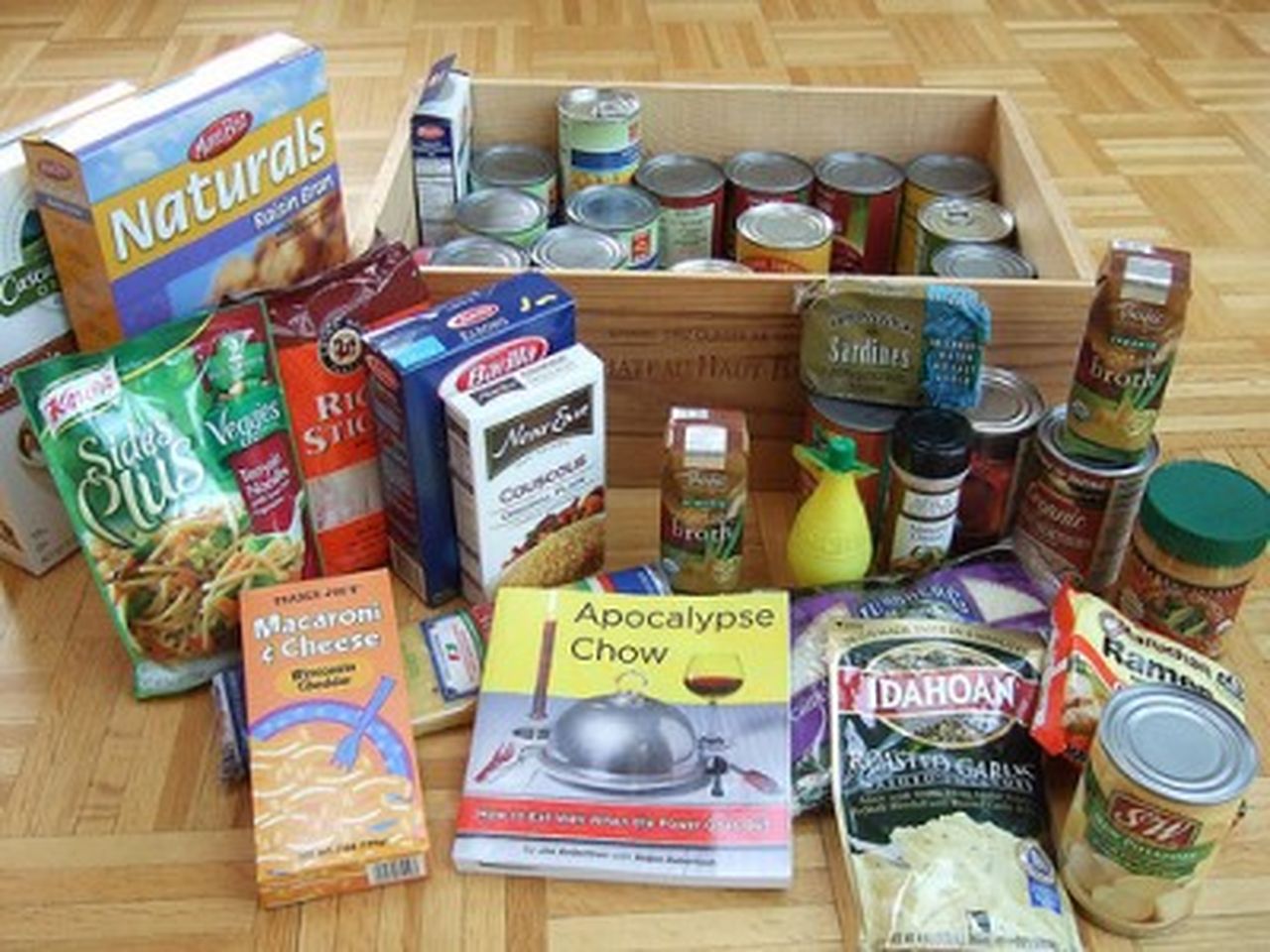
Credit: www.smithsonianmag.com
Nuts And Seeds
Nuts and seeds are essential items to have in your emergency food stash. They offer a powerful mix of protein, healthy fats, and vitamins that keep your energy stable during stressful times. Plus, they have a long shelf life, which means they stay fresh and nutritious for months or even years.
Almonds And Walnuts
Almonds and walnuts pack a serious nutritional punch. Almonds are rich in vitamin E and magnesium, which support brain and heart health. Walnuts add omega-3 fatty acids, which reduce inflammation and boost brain function.
Both nuts are easy to snack on and don’t require cooking, making them perfect for quick energy boosts. Have you ever noticed how a handful of almonds keeps your hunger at bay for hours? That’s the kind of reliable fuel you want stored away.
Sunflower And Pumpkin Seeds
Sunflower and pumpkin seeds are underrated emergency foods. They are full of zinc, iron, and antioxidants that help your immune system stay strong. These seeds are lightweight and easy to pack, so you can keep them handy wherever you go.
They also add crunch and flavor to meals, breaking the monotony of dried or canned foods. Have you tried roasting pumpkin seeds with a pinch of salt? It’s a simple treat that can lift your spirits when fresh food isn’t available.
Nut Butters
Nut butters like peanut, almond, or cashew butter are practical and versatile. They provide dense calories and healthy fats in a creamy form, making them easy to spread or eat straight from the jar. Nut butters also store well and can last for months without refrigeration.
Think about how nut butters can add variety to your emergency diet. You can mix them into oatmeal, spread them on crackers, or eat them with fruit. Are you including at least one type of nut butter in your emergency supplies?
Essential Cooking Supplies
Essential cooking supplies help prepare meals during emergencies. They keep food tasty and nutritious. Stocking these items ensures you can cook simple, healthy dishes. These supplies last long and suit many recipes. Choose items that store well and have multiple uses.
Oils And Fats
Oils and fats are vital for cooking and flavor. They provide energy and help absorb vitamins. Good options include:
- Vegetable oil
- Olive oil
- Coconut oil
- Shortening or lard
Store oils in cool, dark places to extend shelf life. Choose oils with a high smoke point for frying. Keep a small supply of solid fats for baking and sautéing.
Spices And Seasonings
Spices and seasonings make meals flavorful and enjoyable. They can turn simple food into something special. Essential items are:
- Salt
- Pepper
- Garlic powder
- Onion powder
- Dried herbs like oregano and basil
Use airtight containers to keep spices fresh longer. Even a small pinch can improve a dish greatly.
Sweeteners
Sweeteners add taste and energy to meals and drinks. Keep a variety for different uses. Consider storing:
- Granulated sugar
- Honey
- Maple syrup
- Molasses
Honey lasts very long and resists spoilage. Sweeteners also help with baking and preserving food.

Credit: www.jackery.com
Hydration Essentials
Staying hydrated is crucial during any emergency. Without clean water and proper hydration, your health can decline quickly. Let’s break down what you need to keep your body functioning when access to fresh water is limited.
Water Storage
Start by storing enough water for at least three days—one gallon per person per day is a good rule. Use food-grade containers or large water jugs to avoid contamination. Keep your stored water in a cool, dark place to preserve its quality.
Have you checked your water containers recently? Even sealed water can go stale or develop a plastic taste. Rotating your supply every six months ensures you always have fresh water ready.
Water Purification Methods
Simply storing water isn’t enough if you run out or your supply gets contaminated. Having reliable purification methods can save your life. Consider options like:
- Boiling water for at least one minute to kill germs
- Using water purification tablets or drops
- Portable water filters designed for emergency use
Once, I relied on boiling water after a storm contaminated our tap water. It was simple and effective, proving that even basic methods work if you’re prepared.
Electrolyte Solutions
Water alone isn’t always enough, especially if you sweat a lot or are sick. Electrolytes like sodium, potassium, and magnesium keep your body’s fluids balanced. Pack powdered electrolyte mixes or oral rehydration salts as part of your emergency kit.
You can also prepare your own by mixing water with a pinch of salt and sugar. It’s a small step that can prevent dehydration symptoms like dizziness or muscle cramps during stressful times.
Meal Planning For Emergencies
Planning meals for emergencies requires careful thought. Food must last long and provide energy and nutrients. Choosing the right mix helps keep you healthy and strong during tough times. Prepare meals that are simple, tasty, and quick to make. This saves time and stress when resources are limited.
Balancing Nutrition
Emergency food should cover all basic nutrients. Include proteins, carbohydrates, fats, vitamins, and minerals. Protein sources like canned beans and nuts are essential. Carbohydrates provide energy; rice, pasta, and oats work well. Healthy fats help the body absorb vitamins and stay full. Add canned vegetables and fruits for vitamins and fiber.
Easy-to-prepare Recipes
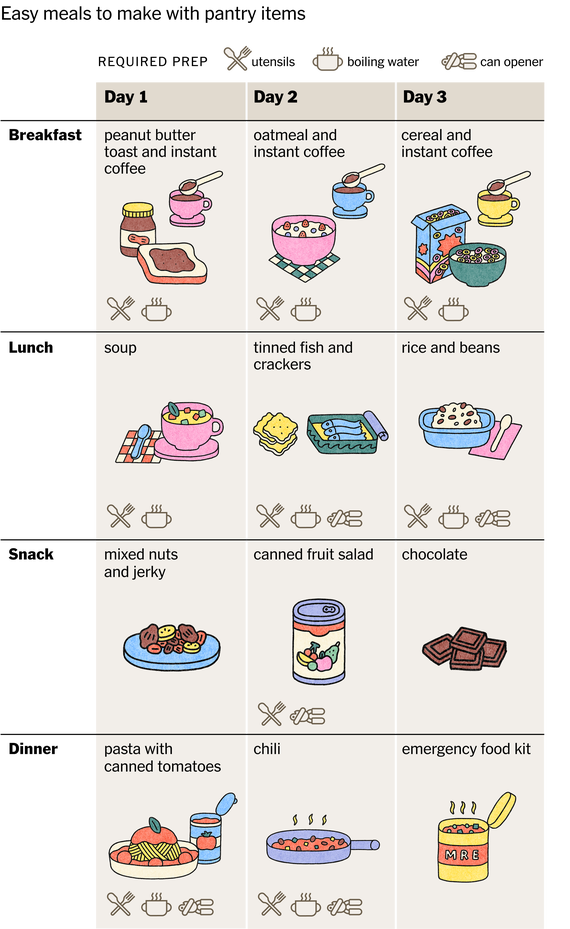
Choose foods that need little cooking or none at all. Ready-to-eat meals, canned soups, and freeze-dried items save time. Combine simple ingredients for quick dishes. For example:
- Canned tuna with crackers and canned vegetables
- Instant oatmeal with dried fruit and nuts
- Rice mixed with canned beans and spices
Keep a manual can opener and basic cooking tools handy. This helps prepare meals without electricity.
Rotating Your Stock
Check your food supply regularly. Use older items first to avoid waste. Replace used or expired foods with fresh ones. Label packages with purchase dates for easy tracking. Rotate items every six months to keep stock fresh. This habit ensures your emergency food is always ready to eat.

Credit: mountainhouse.com
Special Dietary Considerations
Special dietary needs require careful food selection during emergencies. Storing the right foods ensures everyone stays healthy and nourished. Consider allergies, dietary choices, and age-related needs when planning your emergency food supply.
Allergies And Intolerances
Common allergies include nuts, dairy, gluten, and shellfish. Choose foods free from these allergens to avoid reactions. Label all stored foods clearly to prevent confusion. Stock hypoallergenic options like rice, canned vegetables, and dried fruits. Keep medications for allergic reactions nearby.
Vegetarian And Vegan Options
Vegetarians and vegans need plant-based proteins and nutrients. Include canned beans, lentils, and chickpeas in your stockpile. Nuts, seeds, and whole grains provide energy and vitamins. Store shelf-stable plant milks, such as soy or almond milk. Dried fruits and vegetable soups add variety and flavor.
Foods For Kids And Seniors
Kids require easy-to-eat, nutrient-rich foods. Opt for ready-to-eat cereals, fruit purees, and snack bars. Seniors may need softer foods and low-sodium options. Include canned soups, stews, and mashed vegetables. Always check expiration dates and rotate stock regularly for freshness.
Frequently Asked Questions
What Are The Best Long-lasting Emergency Foods?
Best long-lasting emergency foods include canned beans, rice, dried pasta, and freeze-dried vegetables. These items store well and provide essential nutrients. Choose foods with a shelf life of 1 year or more for safety and convenience during emergencies.
How Much Food Should I Store Per Person?
Store at least a two-week supply of food per person. Plan for three meals and two snacks daily. This ensures adequate nutrition during unexpected situations like natural disasters or power outages.
Which Foods Provide The Most Energy In Emergencies?
High-calorie foods like nuts, peanut butter, and granola bars provide quick energy. These items are compact, non-perishable, and help maintain energy levels when access to fresh food is limited.
Can I Store Fresh Foods For Emergencies?
Fresh foods have a short shelf life and are not ideal for long-term emergency storage. Focus on non-perishable and canned goods instead. Use fresh produce first and rotate your emergency food supply regularly.
Conclusion
Storing the right food can keep you safe during emergencies. Choose items that last long and need little water or heat. Focus on foods rich in energy and nutrients. Rotate your supplies regularly to avoid spoilage. Keep a list of what you have and what you need.
Prepare now to stay ready for any situation. Simple planning makes a big difference in tough times. Your safety depends on smart food choices. Stay calm, stay prepared, and take control.