When disaster strikes, having the right emergency foods can make all the difference for you and your loved ones. You want options that are not only easy to store but also packed with nutrients to keep your energy up when it matters most.
Choosing the right emergency foods isn’t just about filling your pantry—it’s about peace of mind and staying strong through tough times. Keep reading to discover the best foods that can help you stay prepared, safe, and well-fed no matter what happens.
Criteria For Emergency Foods
Choosing the right emergency foods depends on several key factors. These ensure food stays safe, nutritious, and easy to use during tough times. Understanding these criteria helps you prepare better and stay healthy.
Shelf Life And Storage
Emergency foods must last long without spoiling. A long shelf life reduces waste and the need to replace items often. Proper packaging helps protect food from moisture, air, and pests. Foods stored in airtight containers or vacuum-sealed packs last longer. Choose foods that can be stored at room temperature to avoid special conditions. Compact storage saves space and keeps your emergency kit organized.
Nutritional Value
Good emergency foods provide essential nutrients. Look for a balance of proteins, carbohydrates, and fats. Vitamins and minerals are also important to maintain health. Avoid foods high in sugar or empty calories. Nutrient-rich foods support energy, immune function, and recovery. Include a variety of foods to cover different nutritional needs.
Ease Of Preparation
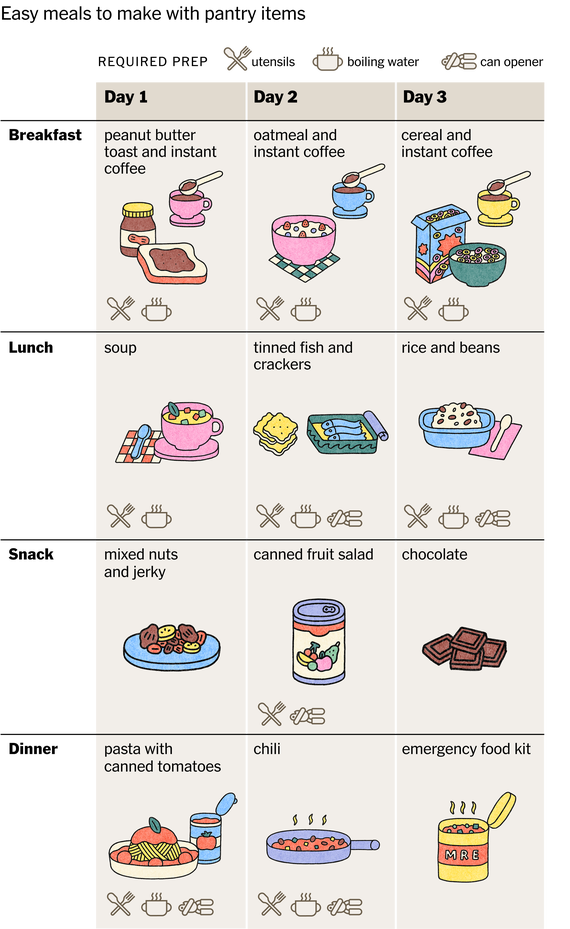
Emergency foods should be simple to prepare. Most won’t require complex cooking tools or electricity. Foods that can be eaten straight from the package save time and effort. Quick rehydration or minimal heating is ideal. Choose foods that need only water or can be eaten cold. This helps during power outages or limited water supply.
Calorie Density
High calorie density means more energy in less food. This is crucial when carrying or storing limited supplies. Foods rich in healthy fats and carbohydrates offer good calorie density. Nuts, seeds, dried fruits, and energy bars are excellent choices. They provide sustained energy without taking much space. This helps maintain strength and stamina during emergencies.

Credit: www.amazon.com
Top Nutritious Emergency Foods
Choosing the right foods for emergencies is vital. The best emergency foods provide energy, nutrients, and last long. They keep you strong and healthy during tough times. Focus on foods rich in protein, fiber, and essential vitamins. These foods should also be easy to store and prepare.
Canned Beans And Legumes
Canned beans and legumes are excellent protein sources. They contain fiber, iron, and other minerals. These foods have a long shelf life and stay fresh in cans. They need minimal preparation, often just heating. Beans and legumes help maintain energy and muscle strength.
Dried Fruits And Nuts
Dried fruits offer natural sugars and vitamins. Nuts provide healthy fats and protein. Both are lightweight and easy to store. They make great snacks to boost energy quickly. These foods also help keep hunger under control.
Whole Grains And Rice
Whole grains and rice supply steady energy through carbohydrates. They contain fiber and some protein. These grains store well in airtight containers. They cook easily, providing a filling meal base. Brown rice and oats are top choices.
Freeze-dried Vegetables
Freeze-dried vegetables keep most nutrients intact. They are lightweight and rehydrate quickly. These veggies add vitamins and minerals to meals. They improve flavor and texture in emergency dishes. Keep a variety to cover multiple nutrients.
Nut Butters
Nut butters are rich in protein and healthy fats. They are calorie-dense and help sustain energy. These spreads do not need refrigeration. Easy to eat straight or with crackers. They are perfect for quick, nutritious snacks.
Powdered Milk And Protein Powders
Powdered milk offers calcium and protein without spoiling fast. Protein powders provide extra protein for muscle repair. Both mix easily with water or other liquids. They enhance nutrition in emergency meals. Ideal for those needing extra nutrients quickly.
Specialty Emergency Food Options
Specialty emergency foods include options like gluten-free, vegan, and allergy-friendly meals. These foods offer nutrition and safety for people with specific dietary needs during emergencies. Choosing the right specialty foods ensures everyone stays healthy and well-fed.
In the world of emergency preparedness, having the right food options can make all the difference. Specialty emergency food options are designed to provide nutrition, convenience, and a sense of security when you need it most. Let’s take a closer look at some unique choices that could become your go-to in a crisis.Mres (meals Ready To Eat)
MREs are a staple for many in emergency situations. Originally designed for military use, they are compact and require no cooking, making them ideal when power is out. Each meal is self-contained, offering a main dish, side, dessert, and even a drink mix. The appeal of MREs lies in their long shelf life, often lasting several years. Imagine the peace of mind knowing you have a complete meal ready whenever you need it. Plus, they often include a small heating element, allowing you to enjoy a warm meal without a stove.Energy Bars And Trail Mixes
Energy bars and trail mixes are perfect for those who need quick, reliable energy. They are lightweight, easy to carry, and packed with nutrients. Whether you’re facing a short-term power outage or a more prolonged crisis, these snacks can keep you fueled and focused. Trail mixes offer a delightful blend of nuts, seeds, and dried fruits, providing both protein and carbohydrates. Energy bars, with their compact size, make it easy to tuck a few into your emergency kit. Have you ever thought about how these simple snacks could be a lifeline?Dehydrated Soups And Stews
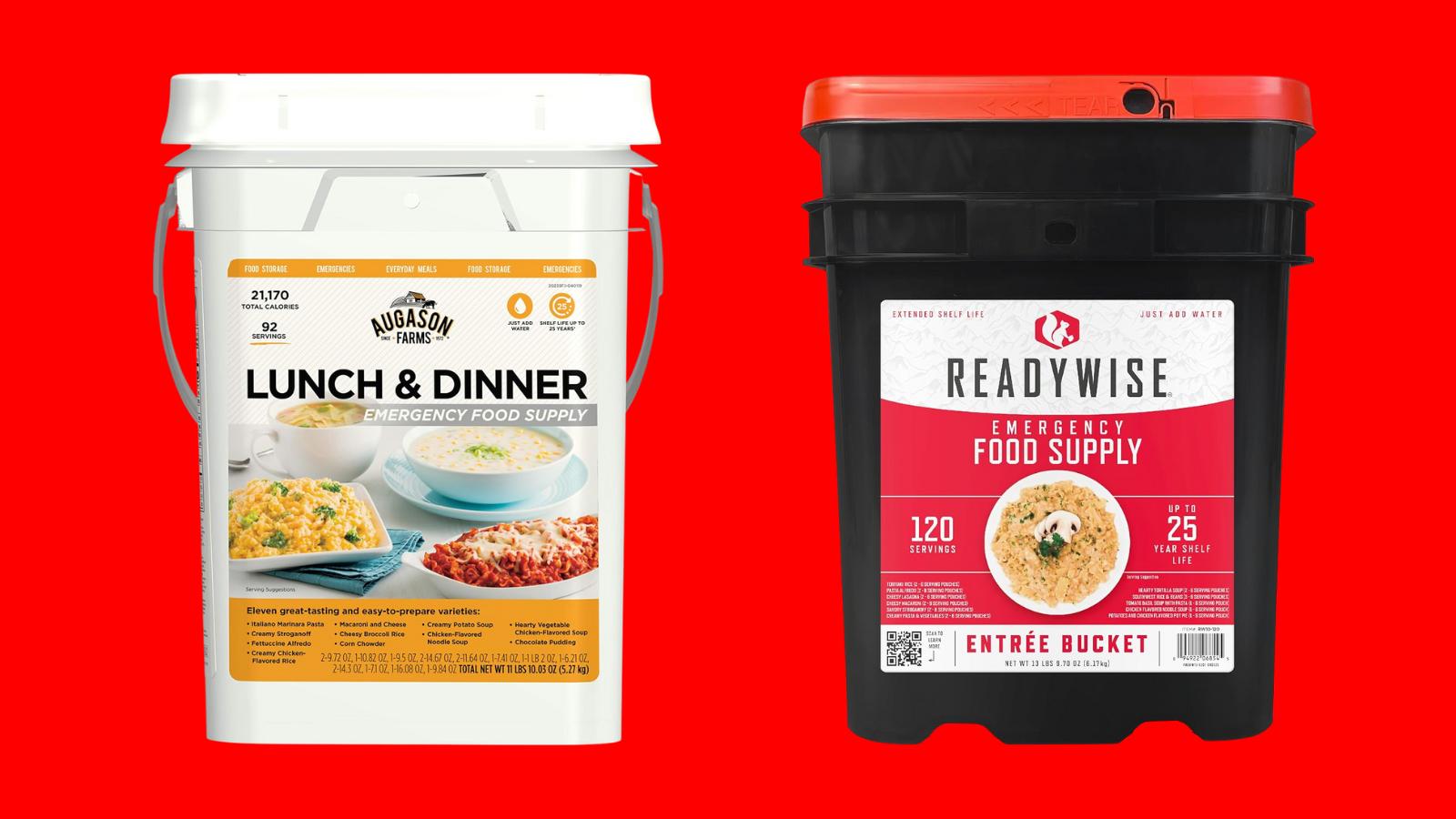
Dehydrated soups and stews are excellent for long-term storage and quick preparation. These foods only require water to prepare, and they can provide a comforting, hearty meal in minutes. Think of them as a warm hug in a bowl during uncertain times. Their lightweight nature makes them easy to store, and they often come in a variety of flavors to keep your meals interesting. When was the last time you enjoyed a comforting bowl of soup? In an emergency, it could be just the morale booster you need.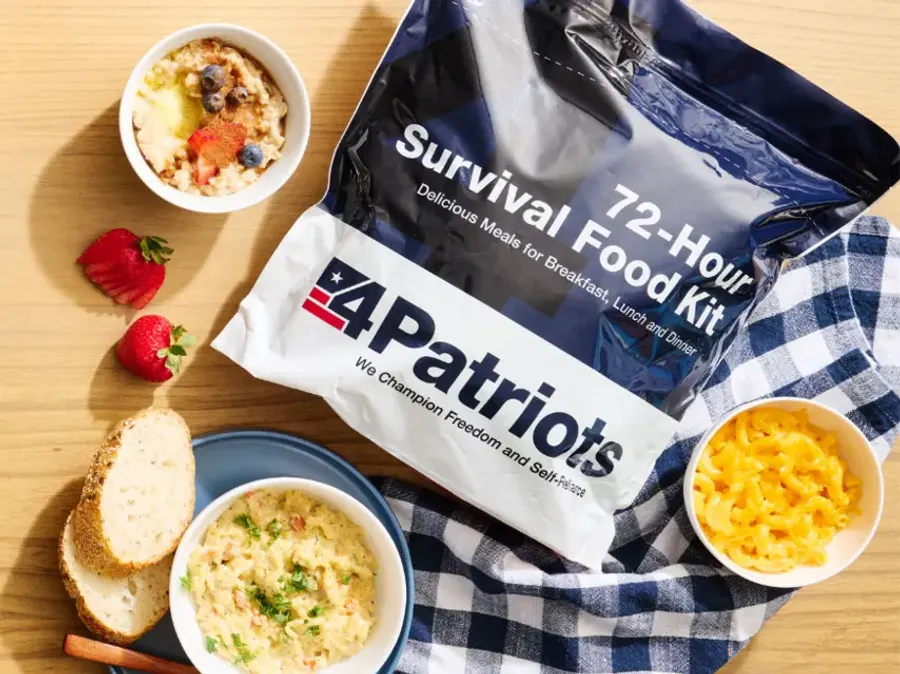
Credit: 4patriots.com
Packing And Storing Emergency Foods
Packing and storing emergency foods properly keeps them safe and fresh. It helps prevent spoilage and waste. Correct storage also saves space and makes foods easy to find. Planning ahead ensures your emergency foods last long and stay nutritious.
Container Types
Choose containers that protect food from air, moisture, and pests. Airtight plastic bins or glass jars work well. Metal cans are strong and durable. Avoid thin plastic bags that can tear easily. Use containers that seal tightly to keep food fresh.
Temperature Considerations
Store emergency foods in cool, dry places away from sunlight. High temperatures can spoil food faster. Avoid places near heaters or windows. Aim for a steady temperature below 75°F (24°C). Cooler storage slows down food decay and insect activity.
Rotating Stock
Use the “first in, first out” rule for all emergency foods. Place newer items behind older ones on the shelf. Check expiration dates regularly. Replace foods before they expire. This keeps your stock fresh and ready to use at any time.
Balancing Nutrition In Survival Situations
Balancing nutrition in survival situations is more than just grabbing whatever food is available. Your body needs a careful mix of nutrients to keep energy steady and maintain health under stress. Without the right balance, even the best emergency supplies might leave you feeling weak or vulnerable.
Macronutrient Ratios
Your body relies on three main macronutrients: carbohydrates, proteins, and fats. In emergencies, carbs provide quick energy, proteins help repair tissues, and fats supply long-lasting fuel. Aim for a balance like 50% carbs, 30% fats, and 20% proteins to keep your energy levels stable over time.
Think about packing foods such as whole grain crackers (carbs), nut butters (fats), and dried meats or beans (proteins). This mix will help you avoid energy crashes and muscle loss. Have you noticed how just eating sugary snacks during tough times leaves you tired fast?
Hydration Needs
Food alone won’t keep you going without enough water. Your body needs fluids to process nutrients and regulate temperature. Always plan for at least one gallon of water per person per day, more if you’re active or in hot conditions.
Consider foods that contain some water, like canned fruits or soups, but don’t rely on them entirely. Carry water purification tablets or filters in case your supply runs low. How prepared are you to find and treat water if your stored supply runs out?
Supplementing With Vitamins
Even with a balanced diet, survival situations can cause vitamin deficiencies. Vitamins A, C, D, and B-complex are crucial for immune function, energy, and bone health. You might feel fine at first but lack of these can weaken your defenses quickly.
Adding vitamin supplements or fortified emergency foods can fill these gaps. Look for multivitamins that don’t require refrigeration. Have you checked your emergency kit for vitamin sources beyond just calories?

Credit: www.forbes.com
Frequently Asked Questions
What Are The Best Emergency Foods For Long-term Storage?
The best emergency foods for long-term storage include canned beans, dried rice, and freeze-dried meals. These foods have a long shelf life and provide essential nutrients during emergencies.
How Much Emergency Food Should I Store Per Person?
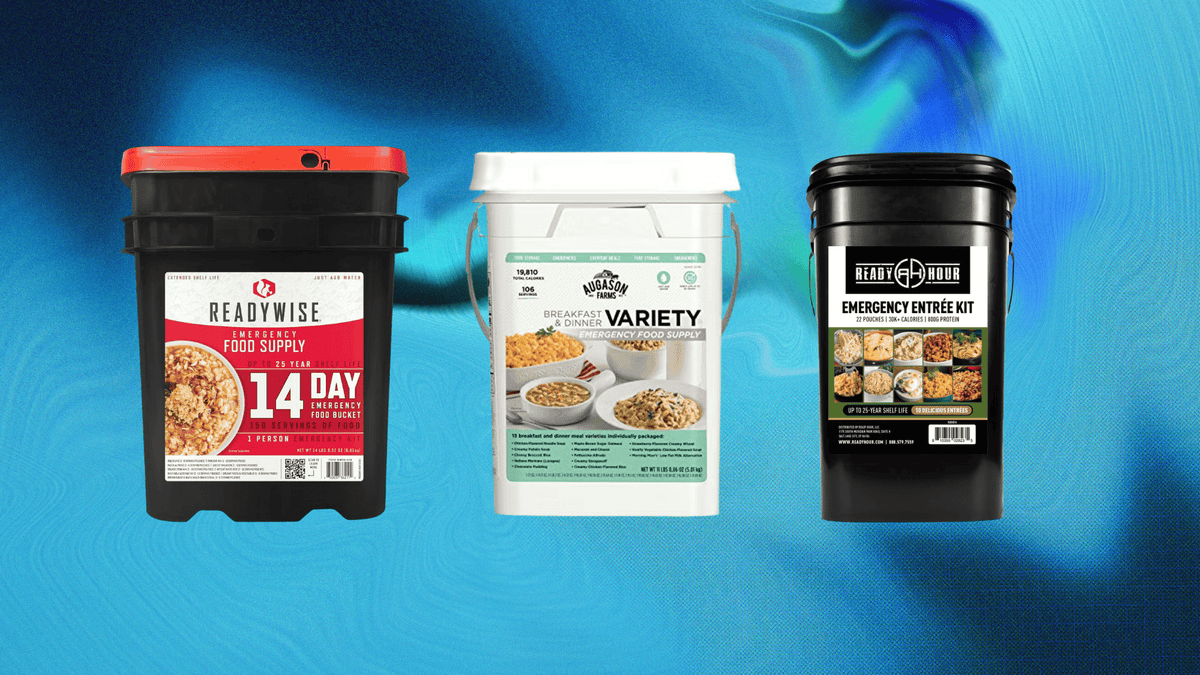
Store at least a three-day supply of emergency food per person. Ideally, keep a two-week supply for better preparedness.
Which Emergency Foods Offer The Most Nutrition?
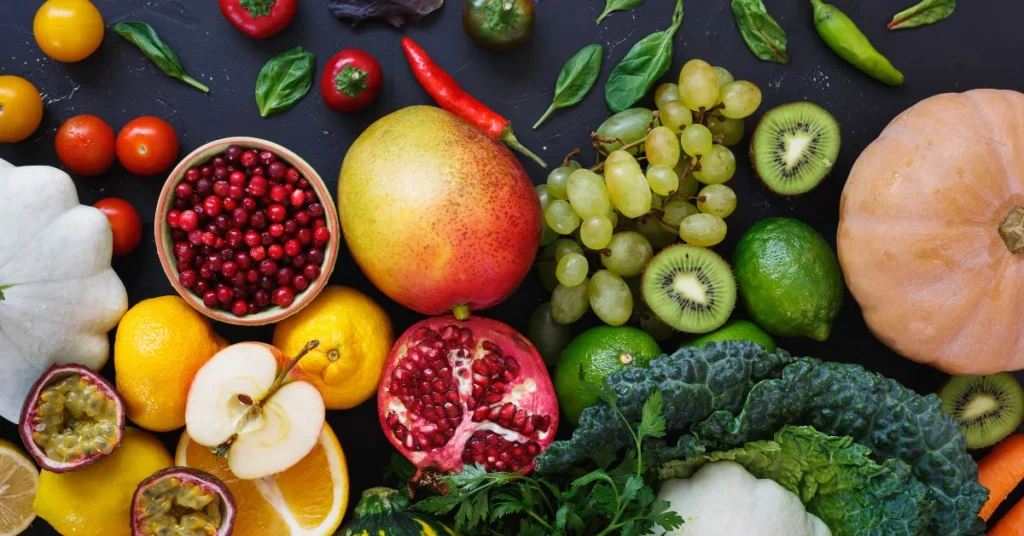
High-protein foods like canned tuna, nuts, and peanut butter offer excellent nutrition. Also, include fruits and vegetables in freeze-dried or canned form.
Can Emergency Foods Be Eaten Without Cooking?
Yes, some emergency foods like energy bars, nuts, and canned fruits can be eaten without cooking. Ready-to-eat meals are also available for convenience.
Conclusion
Good emergency foods keep you strong and healthy during tough times. Choose items that last long and need little cooking. Think about foods rich in energy and easy to store. Always check expiration dates and rotate your supplies. Water and simple snacks are just as vital.
Being ready means staying safe and calm. Preparing now helps you face emergencies with confidence. Start building your emergency food stash today for peace of mind.