When disaster strikes, having the right emergency food supply can make all the difference for you and your loved ones. But with so many options out there, how do you know which one is truly the best?
You want food that lasts, tastes good, and keeps you energized when it matters most. You’ll discover the top choices that fit your needs, budget, and lifestyle. Keep reading to find the emergency food supply that gives you peace of mind and real security.
Credit: www.forbes.com
Choosing Emergency Food
Choosing the right emergency food ensures safety and comfort during tough times. It is essential to pick foods that last long, provide energy, and fit your storage space. The right choice helps maintain health and morale. This guide covers key points to consider when selecting emergency food.
Shelf Life And Storage
Long shelf life is critical for emergency food. Foods that last years reduce the need to replace often. Store food in a cool, dry place to keep it fresh. Avoid foods that spoil quickly or need refrigeration. Proper packaging protects food from moisture and air.
Nutritional Value
Emergency food must provide essential nutrients. Protein, carbohydrates, fats, vitamins, and minerals support body functions. Choose foods with balanced nutrition to stay healthy. Avoid foods high in sugar or empty calories. Nutrient-rich foods help maintain energy and focus.
Calorie Density
High calorie foods supply more energy per serving. This is important during emergencies when activity may increase. Foods like nuts, dried fruits, and energy bars offer dense calories. Calorie-dense foods reduce the amount needed to carry. This keeps your supply compact and efficient.
Portability And Convenience
Easy-to-carry foods suit various emergency situations. Ready-to-eat meals save time and effort. Packaging should be lightweight and compact. Foods that require minimal preparation add convenience. Look for items that do not need water or cooking.
Top Emergency Food Options
Choosing the right emergency food supply is crucial for staying nourished and energized during unexpected situations. Your selection should balance shelf life, nutritional value, and ease of preparation. Below are some top emergency food options that can help you build a reliable and practical food stash.
Freeze-dried Meals
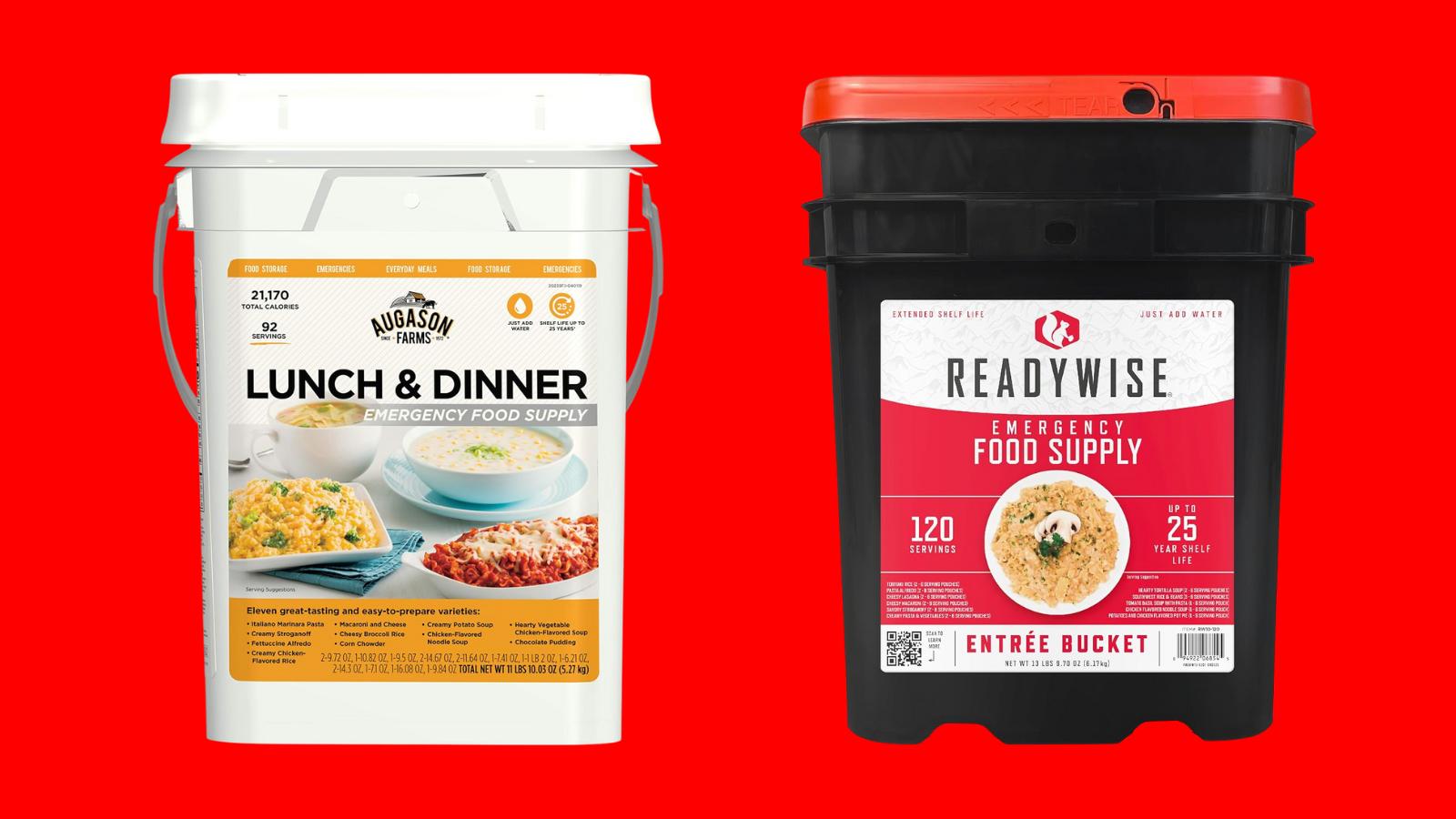
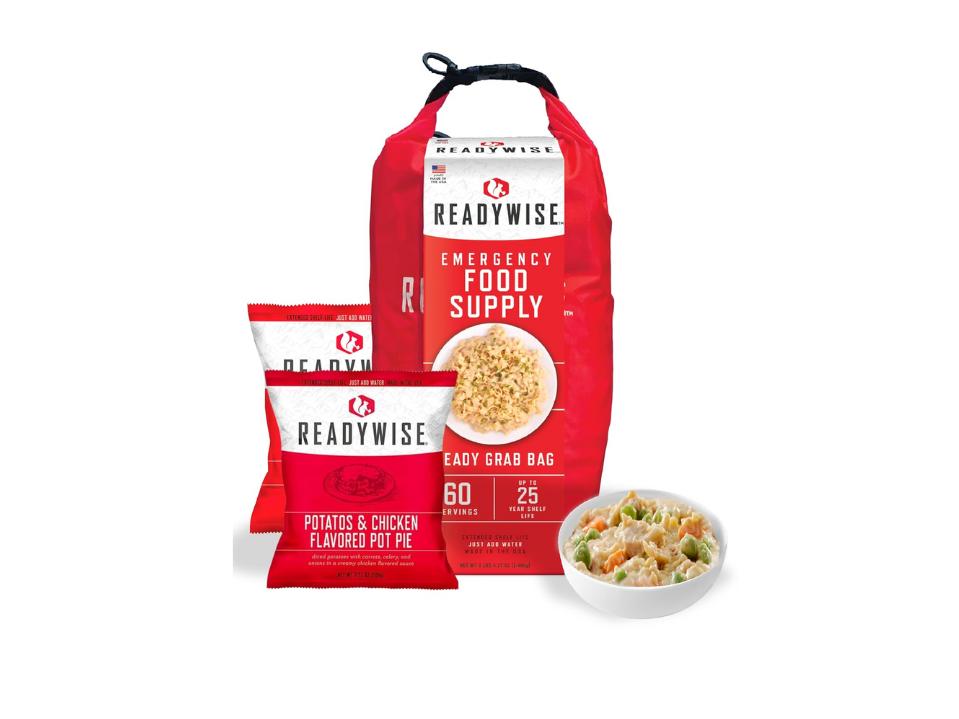
Freeze-dried meals are lightweight and have an impressive shelf life, often lasting 25 years or more. They retain most of their nutrients and flavor, making them a smart choice for long-term storage. Simply add hot water, and you have a ready-to-eat meal in minutes—perfect for when cooking resources are limited.
Canned Goods
Canned goods offer a dependable and affordable emergency food supply. They come in a variety of options like beans, vegetables, soups, and meats, providing balanced nutrition. While they are heavier and bulkier, their sealed packaging ensures they stay edible for years without refrigeration.
Dehydrated Fruits And Vegetables
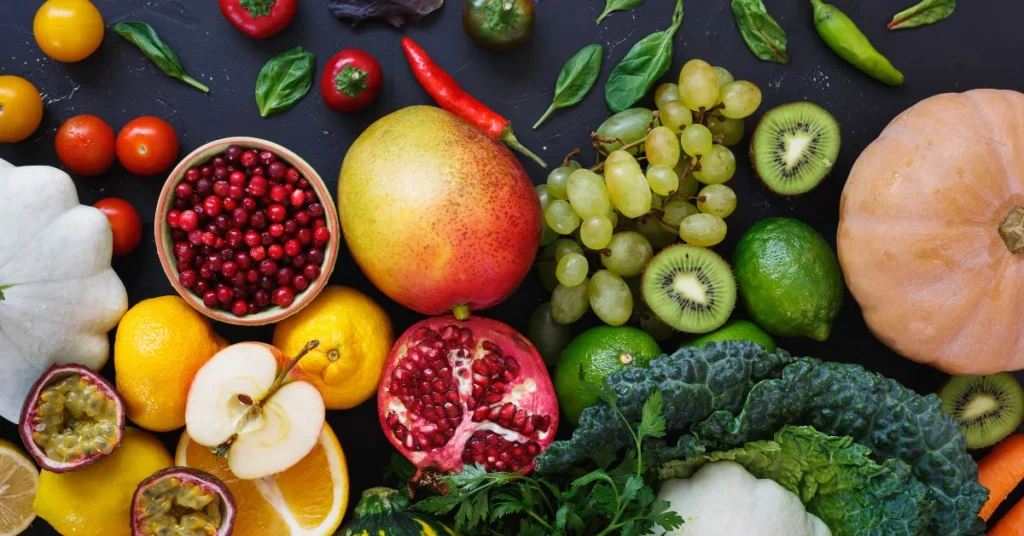
Dehydrated fruits and vegetables keep essential vitamins and add variety to your emergency menu. They’re easy to store and can be eaten as snacks or rehydrated for cooking. Including them helps you avoid nutrient deficiencies that can occur when relying solely on processed foods.
Mres (meals Ready To Eat)
MREs are designed for military use but work well for emergency preparedness too. They are complete meals with entrees, sides, and even utensils included. You might find their taste less appealing, but their convenience and balanced nutrition can be lifesaving during crises.
Energy Bars And Snacks
Energy bars and snacks pack a powerful punch of calories and nutrients in a small package. They’re ideal for quick energy boosts and require no preparation, making them perfect for on-the-go situations. Keep a variety to avoid flavor fatigue and maintain your morale.
Water And Hydration
Water is essential for survival and must be included in any emergency food supply. Staying hydrated helps maintain energy and supports vital body functions during crises. Choose foods that store well and provide hydration along with nutrients.
Water is crucial in any emergency food supply. It is vital for survival and overall well-being. Securing a reliable water source is as important as storing food. This section will explore ways to ensure you have enough water. We’ll cover storage solutions, purification methods, and hydrating food choices.Water Storage Solutions
Proper storage ensures you have clean water during emergencies. Consider these solutions: – Bottled Water: Easy to store and has a long shelf life. – Water Storage Containers: Available in various sizes for different needs. – Rainwater Collection Systems: Use roof gutters to collect rainwater.Water Purification Methods
Purifying water is essential to remove contaminants. Here are effective methods: – Boiling: Kills bacteria and viruses, making water safe. – Water Filters: Removes impurities and improves taste. – Water Purification Tablets: Easy to use and portable.Hydrating Food Choices
Some foods provide hydration along with nutrients. Consider these options: – Canned Fruits: High water content and nutrients. – Broths and Soups: Good for hydration and warmth. – Gelatin Desserts: Hydrating and easy to prepare.Special Dietary Needs
Emergency food supplies must meet more than just basic survival needs. If you or your family members have special dietary requirements, your emergency stockpile should reflect that. Ignoring these needs can turn a lifesaving resource into a health risk.
Gluten-free Options
Gluten intolerance and celiac disease require strict avoidance of gluten-containing foods. Many traditional emergency meals use wheat or barley, so you need to look for certified gluten-free alternatives.
Freeze-dried rice, quinoa, and gluten-free pasta are excellent staples. Check labels carefully and choose brands that test for gluten contamination. Have you ever tried gluten-free instant oatmeal or soups? They’re convenient and safe options that keep your diet intact during emergencies.
Vegetarian And Vegan Choices
Vegetarian and vegan diets exclude meat and animal products, which changes your emergency food list significantly. Protein sources like beans, lentils, nuts, and soy-based products can provide the nutrition you need.
Look for freeze-dried vegetables, fruits, and plant-based protein powders. Some companies offer ready-made vegan meals designed for long shelf life. How would you replace comfort foods without meat? Stock a variety of these to maintain energy and morale.
Allergy Considerations
Food allergies can be life-threatening, so it’s critical to avoid common allergens like nuts, dairy, shellfish, and eggs in your emergency supply. Cross-contamination is a hidden danger—pack separately sealed items to minimize risk.
Read ingredient lists carefully and keep an emergency action plan accessible. Have you considered alternatives like sunflower seed butter or oat milk? These can be lifesavers for allergic individuals.
Baby And Elderly Nutrition
Babies and elderly people have unique nutritional needs that standard emergency foods might not meet. Babies need formula or easily digestible foods, while older adults might require softer textures and lower sodium options.
Stock baby formula, pureed fruits, and specialized supplements. For seniors, consider shelf-stable soups, fiber-rich cereals, and hydration aids. Are you prepared to support your loved ones’ health during a crisis with suitable food?
Storing And Rotating Supplies
Properly storing and rotating your emergency food supply is crucial to ensure that your stock remains safe, fresh, and ready to use when needed. Without an organized system, you might end up with expired items or waste valuable resources. Let’s look at practical ways to keep your supplies in top shape and always accessible.
Organizing Your Stockpile
Start by grouping your supplies by type and expiration date. Place frequently used or soon-to-expire items in front to grab easily. Use clear bins or labeled shelves to avoid digging through piles, which can cause damage or disorganization.
Keep an inventory list updated either on paper or digitally. This helps you track what you have and what needs replacing. Have you ever found something expired because it was buried at the bottom? Avoid that by creating visible zones for each food category.
Rotation Strategies To Avoid Waste
Practice the “first in, first out” rule. Always use older food before newer stock to prevent spoilage. When adding new supplies, place them behind existing ones to keep the rotation automatic and effortless.
Set reminders to check expiration dates monthly. If you spot items nearing their end, plan meals around them or share with family and friends. This small habit saves money and ensures nothing goes to waste.
Temperature And Humidity Control
Store food in a cool, dry place away from direct sunlight. Temperatures between 50°F and 70°F (10°C to 21°C) are ideal to prolong shelf life. High humidity can cause mold and spoilage, so use moisture absorbers or dehumidifiers if needed.
Have you noticed how some foods last longer in your pantry than others? Temperature and moisture levels play a huge role. A stable environment can keep your emergency food safe for years, giving you peace of mind.

Credit: trueprepper.com
Preparing Emergency Meals
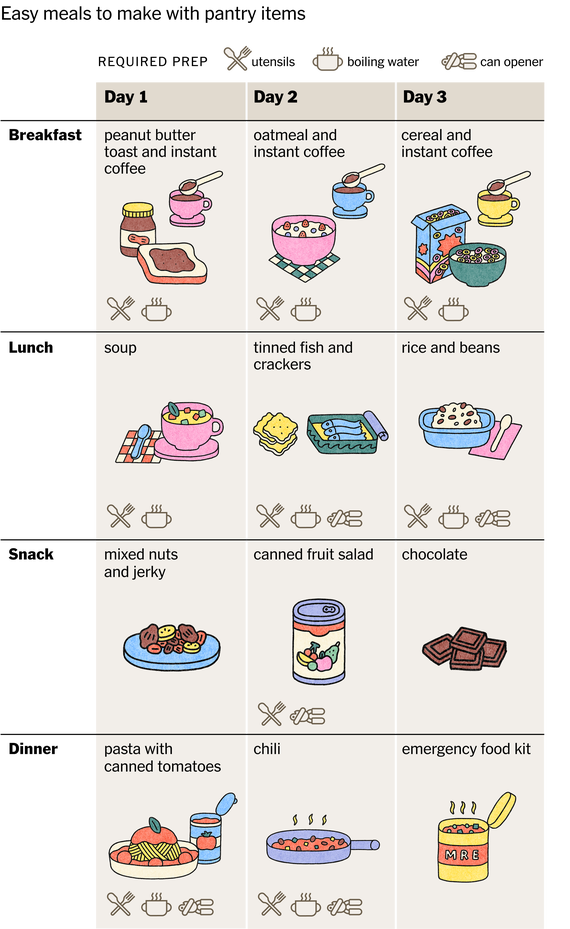
Preparing emergency meals is about more than just having food on hand. It’s about making sure those meals are practical, nutritious, and doable when resources are limited. You want to feel confident that you can feed yourself and your loved ones without stress, even if the power is out or water is scarce.
Cooking Without Power
Without electricity, cooking can seem impossible—but it doesn’t have to be. Think about options like camping stoves, portable gas burners, or even solar ovens. These tools let you heat food safely and efficiently.
Ready-to-eat meals and canned goods are your best friends here. They require no cooking and can still provide essential nutrients. Have you tested your emergency stove setup? Practicing now helps avoid surprises later.
Using Minimal Water
Water may be limited during an emergency, so choose foods that need little or no water to prepare. Freeze-dried meals, instant oatmeal, or dehydrated soups can be rehydrated with just a few sips.
Consider meals that can be eaten cold or with canned juices instead of water. This saves precious water for drinking and hygiene. How much water do you realistically have available for cooking?
Combining Foods For Balanced Meals
It’s easy to focus on calories, but balance matters too. Combine proteins, carbs, and fats for sustained energy. Think peanut butter with crackers or canned beans mixed with rice.
Don’t forget vitamins and minerals. Adding dried fruits or powdered greens can boost nutrition without bulk or spoilage risk. What simple combos do you enjoy that could double as emergency meals?
Budgeting Your Food Supply
Setting a budget for your emergency food supply is crucial. It helps avoid overspending and ensures you get the right amount of food. Planning your budget lets you buy smartly without wasting money. Stretch your funds to cover long-lasting, nutritious items. This section offers practical tips for budgeting your emergency food supply efficiently.
Cost-effective Choices
Select foods that provide good nutrition at a low price. Bulk items like rice, beans, and pasta cost less per serving. Canned vegetables and fruits are affordable and last long. Freeze-dried meals may seem expensive but save money over time. Store brands often offer the same quality at a lower cost. Focus on calorie-dense foods to get the most value.
Building Supplies Over Time
Create your food supply gradually to avoid big upfront costs. Add a few items each month to spread out spending. Track what you already have to avoid duplicates. Rotate your stock regularly to keep food fresh. Use sales and coupons to buy items cheaper. This approach helps maintain your budget and builds a reliable supply.
Avoiding Common Spending Mistakes
Do not buy items you won’t eat or use. Avoid overbuying fresh foods that spoil quickly. Skip expensive “emergency kits” with unnecessary extras. Check expiration dates to prevent waste. Don’t rely on specialty survival foods alone. Mix affordable basics with occasional ready-to-eat meals. Keep a clear list to stick to your budget and needs.

Credit: www.goodhousekeeping.com
Additional Survival Essentials
Survival food is not the only item needed during an emergency. Other essential tools improve safety and comfort. These additional survival essentials help prepare for cooking, storage, and eating. Proper gear ensures meals are safe and easy to manage in tough conditions.
Essential Cooking Gear
Cooking gear makes preparing food possible without electricity. A small portable stove or camping burner works well. Fuel canisters or solid fuel tablets provide heat when open flames are not allowed. Lightweight pots and pans help boil water and cook meals quickly. A fire starter kit is useful for emergencies without fuel.
Food Storage Containers
Storage containers keep food fresh and safe from pests. Airtight plastic or glass containers prevent moisture and insects. Stackable designs save space in small survival kits. Vacuum-sealed bags extend the shelf life of dried foods. Label containers with dates to track freshness easily.
Emergency Utensils
Simple utensils make eating easier and more hygienic. A set including a spoon, fork, and knife covers most needs. Choose utensils made from durable, lightweight materials like stainless steel or BPA-free plastic. Collapsible or multi-use utensils save space. Don’t forget a can opener for canned goods.
Frequently Asked Questions
What Is The Best Emergency Food Supply?
The best emergency food supply is nutrient-dense, non-perishable, and easy to prepare. It includes canned goods, freeze-dried meals, nuts, and grains. Variety and long shelf life are key factors for survival and comfort during emergencies.
How Long Does Emergency Food Last?
Emergency food typically lasts between 5 to 25 years. Freeze-dried and dehydrated foods have the longest shelf life. Proper storage in cool, dry places extends freshness. Always check expiration dates and rotate supplies regularly for safety.
What Should Be Included In An Emergency Food Kit?
An emergency food kit should include proteins, carbohydrates, and fats. Include canned beans, rice, nuts, dried fruits, and energy bars. Water and easy-to-use cooking methods like ready-to-eat meals are essential. Variety ensures balanced nutrition during crises.
How Much Emergency Food Do I Need Per Person?
You need at least a three-day supply for each person. For longer emergencies, store a two-week to one-month supply. Calculate calories based on age, health, and activity level. Always plan for unexpected delays or rationing.
Conclusion
Choosing the best emergency food supply means thinking about your needs. Pick foods that last long and taste good. Make sure they provide enough energy and nutrients daily. Check storage space and keep supplies easy to access. Rotate your food regularly to avoid spoilage.
Being prepared helps you stay safe and calm. A good emergency food supply supports you in tough times. Plan wisely, and you’ll feel more confident and ready. Simple steps can make a big difference in emergencies.