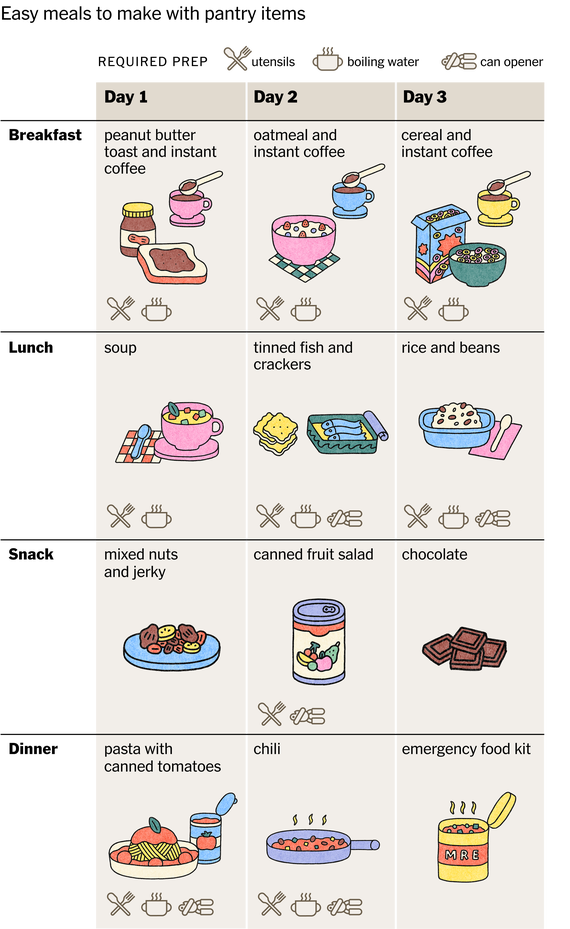
Imagine a situation where you can’t leave your home for days. What food do you have?
Are you prepared to feed yourself and your family without running to the store? Knowing what food to stock up for emergency can make all the difference when unexpected events happen. You’ll discover simple, smart choices that keep you safe, healthy, and comfortable.
Keep reading to find out exactly what you need to have on hand so you’re never caught off guard.
Non-perishable Grains
Non-perishable grains are a cornerstone of any emergency food supply. They last long without refrigeration and provide essential energy and nutrients. Stocking a variety of grains ensures you have versatile options to prepare filling meals under any circumstance.
Rice Varieties
Rice is one of the most reliable staples you can store. White rice can last up to 30 years if sealed properly, making it perfect for long-term storage. Brown rice has more nutrients but a shorter shelf life, so rotate it more frequently.
Consider keeping different types like basmati, jasmine, or even wild rice. Each brings unique flavors and textures, so your meals won’t feel repetitive. Have you ever tried mixing wild rice with other grains for a nutrient-packed side dish?
Quinoa And Couscous
Quinoa is a powerhouse grain packed with protein and easy to cook. It’s a great addition if you want to boost your emergency diet’s nutritional value. Couscous, on the other hand, cooks quickly and stores well in airtight containers.
Both grains can be combined with canned vegetables or beans to create balanced meals with minimal prep. Think about how quick and satisfying a quinoa salad can be when fresh ingredients are scarce.
Oats And Cereals
Oats are a comforting and filling grain ideal for breakfast or snacks. Rolled oats and steel-cut oats keep well for months and can be eaten hot or cold. Instant oats are convenient but often contain added sugars, so choose plain varieties.
Cereals like bran flakes or puffed rice also have a long shelf life and provide quick energy. Do you have a favorite cereal that keeps your spirits up during tough times? Keeping a variety of these grains helps keep your meals interesting and nourishing.
Canned Goods
Canned goods are a smart choice for emergency food supplies. They last long and keep nutrients safe. These foods require no refrigeration and are easy to store. Canned items provide variety and balance in an emergency diet.
Vegetables And Fruits
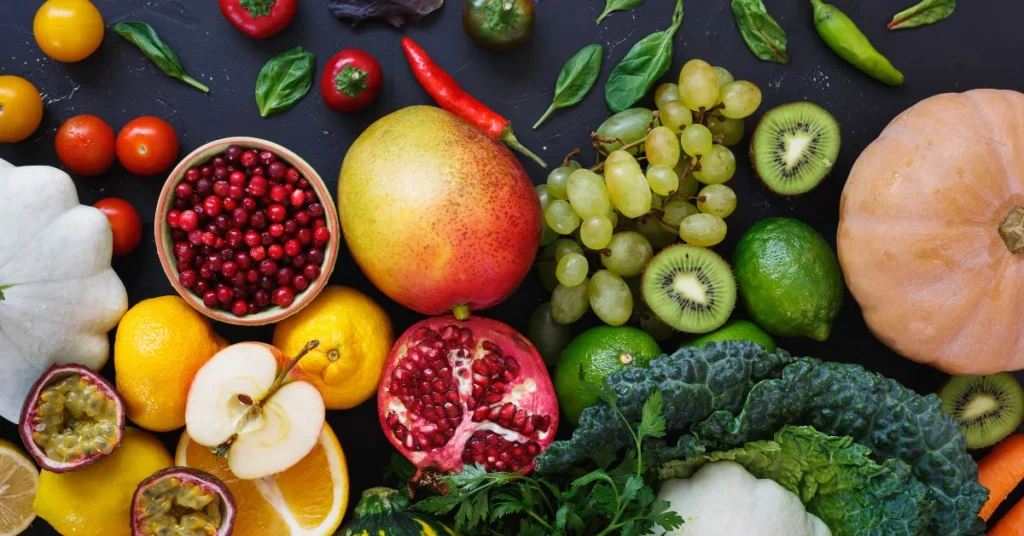
Canned vegetables and fruits offer essential vitamins and minerals. Choose low-sodium or no-salt-added options for better health. Canned tomatoes, corn, and green beans work well in many meals. Fruits like peaches, pineapples, and pears provide natural sweetness and energy.
Beans And Legumes
Canned beans and legumes are rich in protein and fiber. They help keep you full and support digestion. Popular choices include black beans, chickpeas, and kidney beans. These items are versatile and easy to add to soups, stews, or salads.
Meat And Fish
Canned meats and fish deliver important protein and healthy fats. Look for canned tuna, salmon, chicken, and sardines. These foods are convenient and ready to eat. They make meals more filling and nutritious during emergencies.
Dried And Dehydrated Foods
Dried and dehydrated foods last long and need little space, making them ideal for emergencies. They keep important nutrients and are easy to prepare quickly. Stocking these foods helps ensure you have reliable meals during unexpected situations.
Dried and dehydrated foods are essential for emergency preparedness. They have long shelf lives and require minimal storage space. These foods are lightweight and easy to transport. Plus, they provide essential nutrients when fresh supplies are scarce. Below, we explore some key dried and dehydrated foods to stock up on.Dried Fruits
Dried fruits are a sweet, nutritious treat. They pack a punch of vitamins and minerals. Common choices include raisins, apricots, and dates. They can be eaten alone or added to meals. Their natural sugars provide energy. Dried fruits are a versatile and healthy option.Powdered Milk And Eggs
Powdered milk and eggs are vital protein sources. They store well and last long. Mix them with water for a quick meal solution. Powdered milk is great for cereals and beverages. Powdered eggs are useful in baking and cooking. They ensure you have essential proteins when needed.Instant Soups And Meals
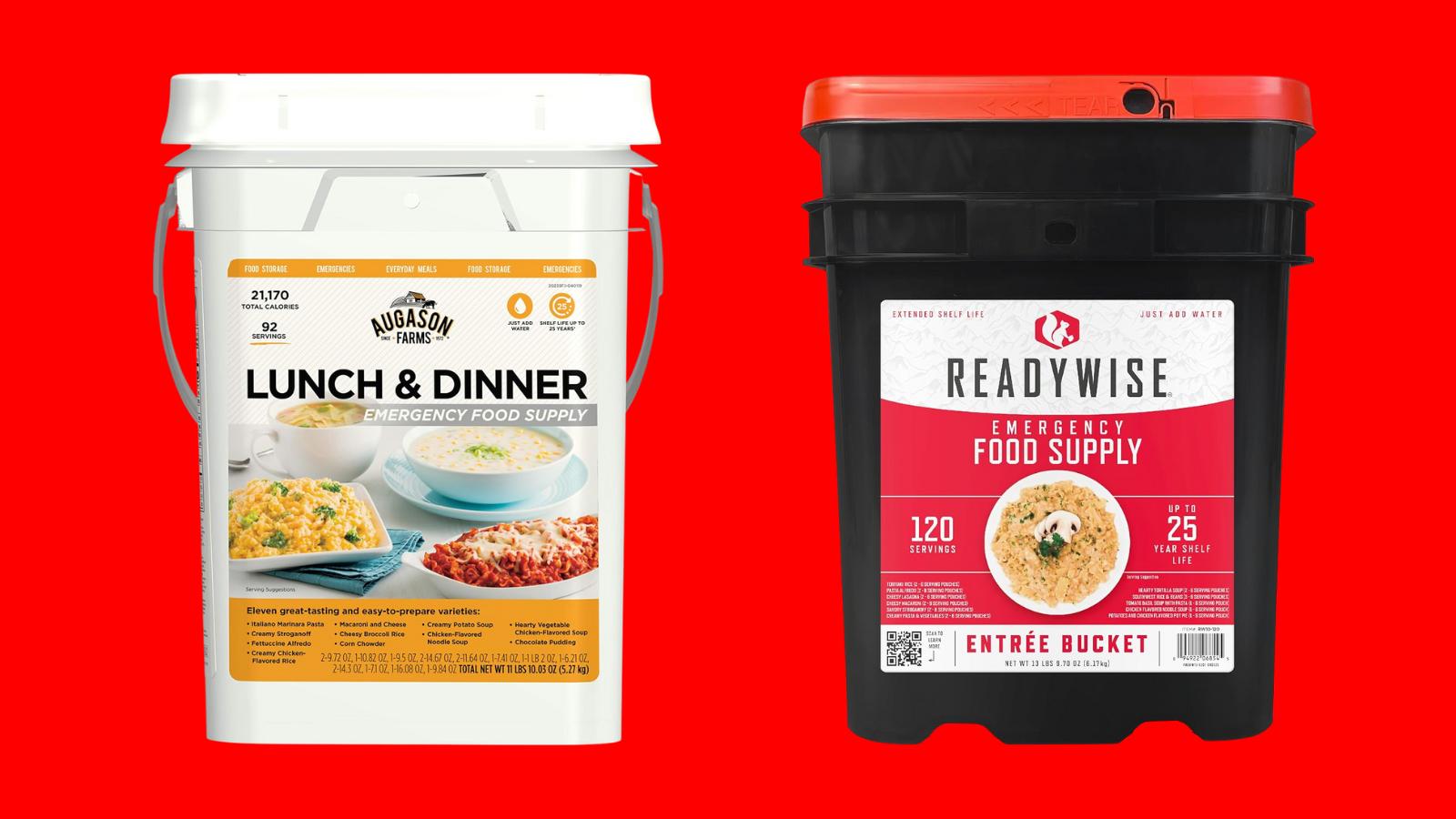
Instant soups and meals are convenient and quick. Just add hot water and enjoy. They often contain vegetables, grains, and proteins. These meals are compact and easy to prepare. Ideal for warming up during cold weather or power outages. Stock them for a balanced, hot meal anytime.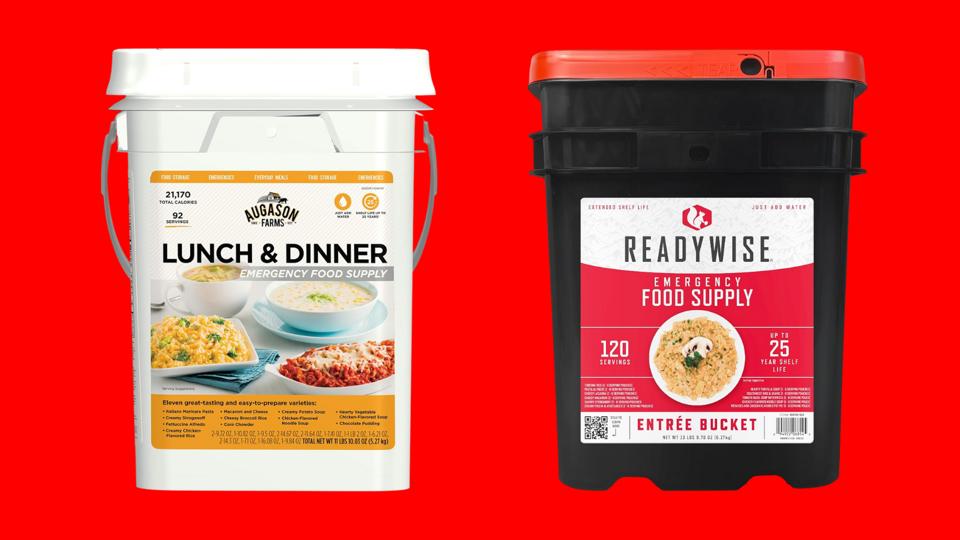
Credit: www.forbes.com
Nutritious Proteins
Nutritious proteins are essential during emergencies. They provide energy and help repair body tissues. Proteins keep you full longer and support your immune system. Stocking up on high-protein foods ensures you stay strong and healthy.
Nuts And Seeds
Nuts and seeds are great sources of protein and healthy fats. They have a long shelf life and do not need refrigeration. Choose almonds, walnuts, sunflower seeds, and pumpkin seeds. These can be eaten raw or added to meals for extra nutrition.
Peanut Butter And Nut Butters
Peanut butter and other nut butters are easy to store and use. They contain protein, healthy fats, and calories. These spreads can be eaten alone or with bread, crackers, or fruits. Look for varieties with no added sugar or salt for better health.
Jerky And Canned Meat
Jerky and canned meat provide protein in a compact form. Jerky is dried meat that lasts for months without refrigeration. Canned meats like chicken, tuna, and salmon offer convenience and nutrition. Both options are easy to store and prepare during emergencies.
Cooking Essentials
Cooking essentials form the backbone of your emergency food supply. They enhance taste, texture, and nutrition in simple meals. Stocking these basics ensures you can prepare a variety of dishes, even with limited ingredients. Focus on items with a long shelf life and versatile uses.
Salt And Spices
Salt is vital for flavor and food preservation. It helps bring out the taste in every dish. Keep iodized salt for health benefits. Spices add variety and depth to meals. Choose basic spices like black pepper, paprika, cumin, and garlic powder. Dried herbs such as oregano and thyme last long and brighten flavors.
Cooking Oils
Oils are necessary for cooking, frying, and baking. They add calories and essential fats to your diet. Store oils that have a long shelf life, such as vegetable oil, olive oil, and coconut oil. Keep them in a cool, dark place to prevent spoilage. Avoid oils that go rancid quickly.
Sugar And Sweeteners
Sugar helps balance flavors and provides energy. White sugar stores well and is useful in many recipes. Consider alternatives like honey or maple syrup for variety. These natural sweeteners also have a longer shelf life. Use sweeteners sparingly to keep meals enjoyable.

Credit: www.goodhousekeeping.com
Beverage Supplies
Beverage supplies are essential during emergencies. Staying hydrated is key to health and energy. Stocking the right drinks keeps morale high and comfort steady. Choose drinks that store well and provide variety. Include options for warmth, flavor, and hydration in your emergency kit.
Coffee And Tea
Coffee and tea offer comfort and warmth during stressful times. They are easy to store and have a long shelf life. Choose instant coffee or tea bags for quick preparation. These drinks can boost alertness and provide a sense of normalcy. Pack enough for daily consumption and unexpected guests.
Powdered Drink Mixes
Powdered drink mixes are lightweight and space-saving. They add flavor and nutrients to plain water. Options include sports drinks, electrolyte powders, and flavored drink mixes. These help maintain hydration and energy levels. Store them in airtight containers to keep freshness.
Water Purification
Clean water is vital in any emergency. Stock water purification tablets or drops. Portable water filters are also useful for removing bacteria and impurities. Purified water prevents illness and supports all bodily functions. Always have a reliable way to purify water ready.
Storage And Shelf Life
Storing emergency food properly can make a huge difference in how long it lasts and how safe it remains to eat. Understanding storage and shelf life helps you avoid waste and ensures you always have quality food ready when needed. Let’s look at how packaging, rotation, and temperature affect your emergency food supplies.
Proper Packaging
Good packaging keeps food fresh by protecting it from air, moisture, and pests. Vacuum-sealed bags and airtight containers are excellent choices. For example, rice stored in a sealed Mylar bag with oxygen absorbers can last over 25 years.
Also, use food-grade buckets or jars for bulk items. Label each package with the packing date to track freshness easily. Have you checked if your containers truly seal tight? Sometimes lids look closed but aren’t airtight, which can spoil your food faster.
Rotation Tips
Rotate your emergency food supplies regularly to avoid eating expired items during a crisis. Place new food behind older stock so you use the oldest first. This simple habit keeps your inventory fresh and usable.
Keep a list of your food’s expiration dates and review it every few months. This practice saves you from unpleasant surprises when you open a can or bag. Do you have a reminder system to check your supplies? Setting one could prevent unnecessary waste.
Temperature Considerations
Temperature greatly impacts how long your food lasts. Store dry goods in a cool, dark place ideally between 50-70°F (10-21°C). Higher temperatures can shorten shelf life dramatically.
Avoid storing food near heat sources like ovens or water heaters. Even small temperature fluctuations can cause condensation inside containers, leading to mold or spoilage. Have you measured the actual temperature in your storage area? A simple thermometer can help you choose the best spot.

Credit: mountainhouse.com
Special Dietary Needs
Special dietary needs require careful planning for emergency food supplies. People with allergies, dietary restrictions, or lifestyle choices must have safe, nutritious options. Stocking the right foods ensures everyone stays healthy and comfortable during emergencies.
Gluten-free Options
Gluten-free diets avoid wheat, barley, and rye. Safe emergency foods include:
- Rice and rice-based products
- Quinoa and millet
- Gluten-free oats
- Canned beans and lentils
- Nut butters and seeds
- Gluten-free pasta and crackers
Always check labels for hidden gluten. Choose shelf-stable items with long expiration dates.
Vegetarian And Vegan Staples
Plant-based diets need protein and energy sources that last. Stock these foods:
- Canned or dried beans and peas
- Nut and seed butters
- Brown rice, quinoa, and whole grains
- Canned vegetables and fruits
- Vegetable broth and soups
- Plant-based protein powders
Focus on variety to get all essential nutrients during emergencies.
Allergy-friendly Foods
Food allergies require avoiding specific ingredients. Safe choices include:
- Fresh or canned fruits and vegetables
- Plain rice and potatoes
- Seed butters like sunflower or pumpkin
- Allergen-free snacks and crackers
- Alternative milks such as coconut or oat milk
Read ingredient lists carefully to prevent allergic reactions.
Frequently Asked Questions
What Are The Best Non-perishable Foods For Emergencies?
Non-perishable foods like canned beans, rice, pasta, and dried fruits are ideal. They have a long shelf life and provide essential nutrients during emergencies.
How Much Emergency Food Should I Stock Per Person?
Stock at least a two-week supply per person. This includes three meals a day, ensuring enough calories and variety for survival.
Which Emergency Foods Require No Cooking?
Ready-to-eat canned meats, nuts, energy bars, and dried fruits require no cooking. These foods are convenient when cooking resources are limited.
How Should I Store Emergency Food For Longevity?
Store food in a cool, dry, dark place. Use airtight containers to prevent moisture and pests, extending shelf life effectively.
Conclusion
Stocking up on the right food keeps you safe during emergencies. Choose items that last long and need little cooking. Think about your family’s tastes and health needs. Rotate your supplies to keep food fresh. Water and non-perishable foods are essential.
Planning ahead reduces stress when disasters strike. Start small and build your emergency food stash today. Stay prepared, stay calm, and protect your loved ones.