Imagine a situation where you can’t just walk to the store for food. What would you do?
Having your own emergency food supply can make all the difference. It gives you peace of mind and keeps you prepared for any unexpected event. You’ll learn simple, practical steps to create your own emergency food that lasts. By the end, you’ll feel confident and ready to take control of your safety and well-being.
Keep reading—your future self will thank you.

Credit: backpackerspantry.com
Choosing Ingredients
Choosing the right ingredients is the foundation of a reliable emergency food supply. Your goal is to pick items that last long, provide essential nutrients, and suit your dietary needs. Imagine opening your emergency stash and finding foods that not only survive time but also keep you energized and healthy.
Long-lasting Staples
Start with ingredients that have a long shelf life. Rice, dried beans, and pasta can last for years when stored properly. These staples form the base of many meals and are easy to cook with minimal resources.
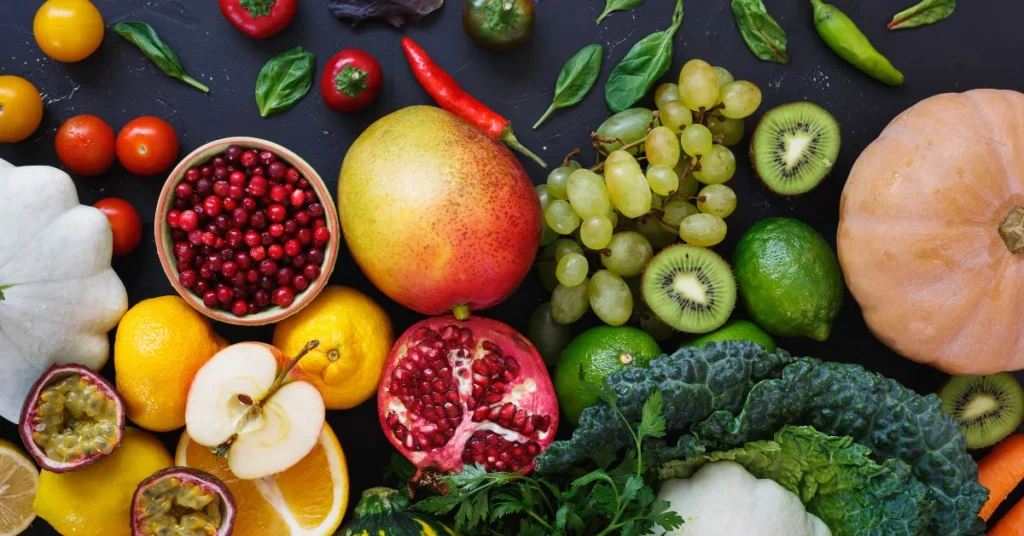
Don’t forget canned goods like vegetables, fruits, and meats. They add variety and convenience. Vacuum-sealed nuts and freeze-dried foods are excellent options too.
Nutrient-dense Foods
Your emergency food should fuel your body well. Look for items rich in protein, vitamins, and minerals. Quinoa, lentils, and canned fish pack a powerful nutritional punch.
Consider powdered milk or nutritional yeast to boost your intake of calcium and B vitamins. It’s smarter to choose foods that offer more than just calories—what you eat should help you stay strong and focused.
Allergy-friendly Options
If allergies affect you or your family, planning becomes even more critical. Substitute common allergens like nuts or gluten with safe alternatives such as seeds or gluten-free grains.
Label your emergency food clearly to avoid mix-ups during stressful times. Have you checked if your stash meets everyone’s dietary restrictions? This step prevents health risks and ensures everyone can eat without worry.
Food Preparation Techniques
Preparing your own emergency food is a smart way to stay ready. Using simple food preparation techniques helps keep food safe and long-lasting. These methods remove moisture or seal food to prevent spoilage. Each technique has its own tools and steps. Learning these can save money and reduce waste. Below are key techniques to try at home.
Dehydrating At Home
Dehydrating removes water from food, stopping bacteria growth. It works well for fruits, vegetables, and meats. Use a food dehydrator or an oven set at low heat. Slice food thinly for faster drying. Check food regularly and store it in airtight containers. Properly dehydrated food lasts for months without refrigeration.
Canning Basics
Canning preserves food by heating and sealing it in jars. This kills bacteria and creates a vacuum seal. Use clean jars and lids made for canning. Boiling water bath suits high-acid foods like fruits and pickles. Pressure canning is needed for low-acid foods like meat and vegetables. Store canned food in a cool, dark place for best results.
Freeze-drying Methods
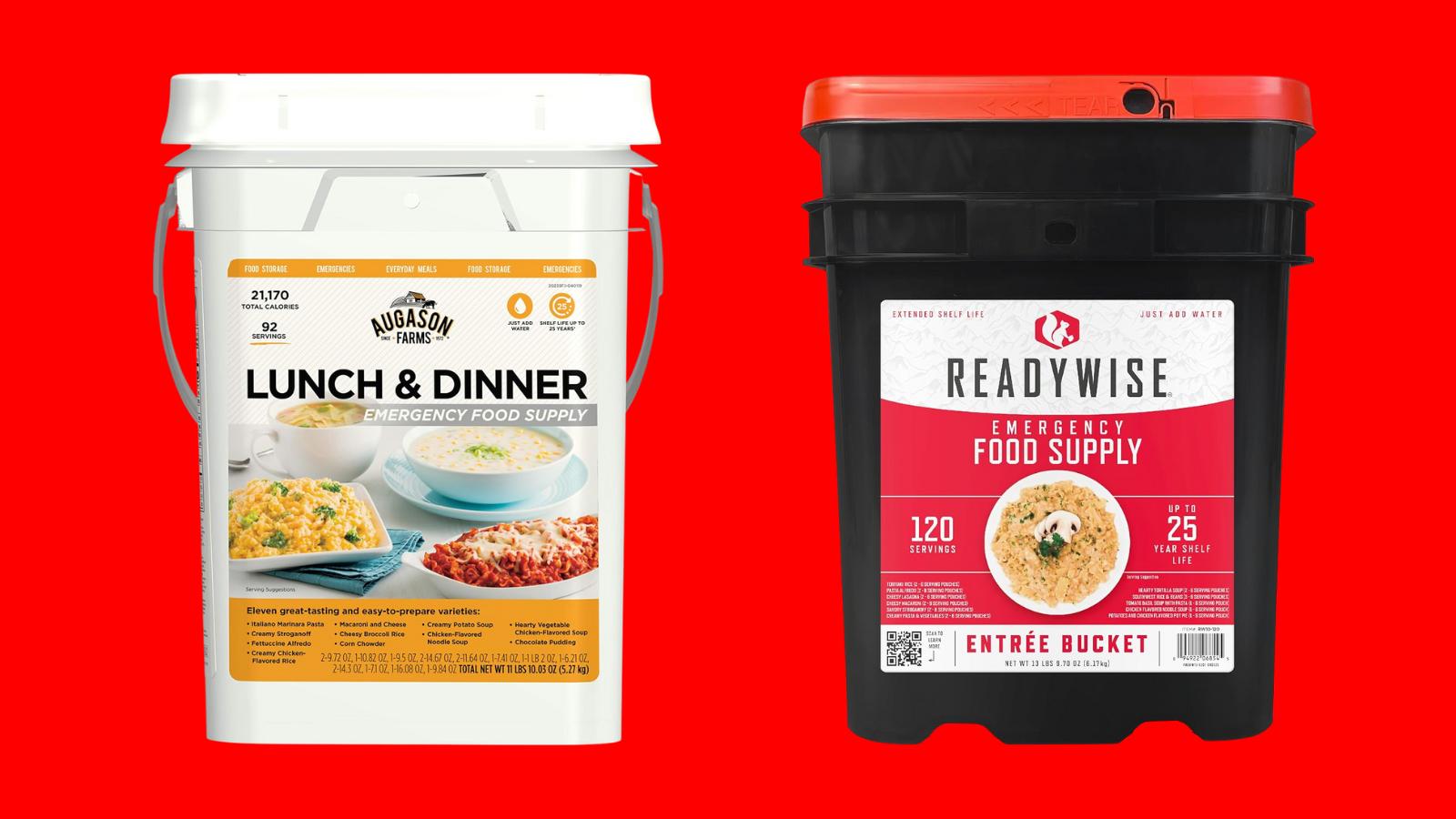
Freeze-drying removes moisture by freezing food and then drying it under low pressure. This keeps food light and retains nutrients. Home freeze-dryers are available but can be costly. Alternatively, freeze food first, then place it in a vacuum chamber. Store freeze-dried food in sealed bags with oxygen absorbers. Freeze-dried food lasts for years and is easy to rehydrate.
Packaging For Storage
Packaging plays a vital role in preserving emergency food. Proper packaging keeps food fresh, dry, and safe from pests. It extends shelf life and maintains the food’s nutrition. Good packaging also saves space and makes storage easier. Choosing the right materials helps protect your food from air, moisture, and light.
Vacuum Sealing Benefits
Vacuum sealing removes air from the package. This slows down spoilage and stops mold growth. It keeps food dry and prevents freezer burn. Vacuum-sealed food lasts longer than food stored in regular bags. It also saves space by compressing the contents. This method works well for dry goods and cooked meals.
Using Mylar Bags
Mylar bags block light, air, and moisture very well. They protect food from oxygen and humidity. Use oxygen absorbers inside the bags for extra freshness. Mylar bags are strong and do not tear easily. They are perfect for storing grains, beans, and dehydrated foods. Seal the bags with a heat sealer or iron for best results.
Labeling And Dating
Label every package with the food type and date packed. This helps track freshness and rotate stock effectively. Use waterproof markers or labels that won’t fade. Keep a simple inventory list with dates and contents. Proper labeling prevents confusion during emergencies. It ensures you use older food before it expires.
Meal Planning Tips
Preparing your own emergency food saves time and money while ensuring you have essentials ready. Choose non-perishable items and store them in airtight containers for longer shelf life. Rotate supplies regularly to keep meals fresh and nutritious.
Creating your own emergency food supply is an essential step in ensuring your family’s safety and comfort during unforeseen events. Meal planning plays a crucial role in this preparation. It helps you maintain a balanced diet, control portions, and provide enough variety to prevent food fatigue.Balancing Macronutrients
When planning your meals, focus on a balance of proteins, carbohydrates, and fats. Each macronutrient plays a unique role in maintaining your energy levels and overall health. Proteins can come from canned beans, nuts, or dehydrated meats. Carbohydrates might include rice, pasta, or oats. Fats could be sourced from nut butters, olive oil, or canned fish. Consider your family’s dietary needs and preferences while selecting these items. A well-balanced diet will help keep everyone energized and satisfied during stressful times.Portion Control
Managing portion sizes is key to stretching your food supply as long as possible. Determine the number of calories each family member needs per day and plan accordingly. Use smaller containers or pre-measured packages to avoid over-serving. This can prevent wastage and ensure your supply lasts longer. An easy way to practice portion control is by using a food scale or measuring cups. These tools offer precision, helping you distribute food evenly.Variety To Prevent Fatigue
Eating the same meals repeatedly can lead to food fatigue, causing a decline in morale and appetite. Add variety to your emergency food supply to keep meals exciting and enjoyable. Stock up on different types of canned vegetables, fruits, and proteins. Spice things up with herbs and spices that have a long shelf life, like dried basil or chili powder. Experiment with different recipes using the same ingredients. This not only keeps meals interesting but also allows you to discover new favorites. How would your family feel about eating the same meal every day for a week? Avoid this by diversifying your meal options.Storage Conditions
Proper storage conditions are crucial when you make your own emergency food. Without the right environment, even the best-prepared supplies can lose their quality and shelf life quickly. Understanding how temperature, humidity, and cleanliness affect your food will help you keep it fresh and safe for when you really need it.
Ideal Temperature And Humidity
Keeping your emergency food in a cool, dry place is essential. Aim for a temperature between 50°F and 70°F (10°C to 21°C) to slow down spoilage and nutrient loss.
Humidity should stay below 60% to prevent mold and bacteria growth. If your storage area tends to be humid, consider using airtight containers or adding moisture absorbers like silica gel packets.
Have you checked your pantry’s temperature lately? Even a small change can affect your food’s longevity more than you might expect.
Avoiding Contamination
Contamination can ruin your emergency food faster than time. Always store food in sealed containers to keep pests and dirt out.
Wash your hands before handling food and clean storage areas regularly. This reduces the chance of introducing bacteria or mold.
Think about your last pantry inspection—did you find any crumbs or signs of pests? That’s a red flag to improve your storage hygiene.
Rotation Strategies
Food rotation is key to making sure your supplies stay edible. Use the “first in, first out” rule by placing newer items behind older ones.
Label your containers with the date you stored them. This simple step helps you track what needs to be used soon.
Try setting reminders every few months to check expiration dates and replace expired items. This habit keeps your emergency food ready and reliable.
Credit: nodashofgluten.com
Emergency Meal Recipes
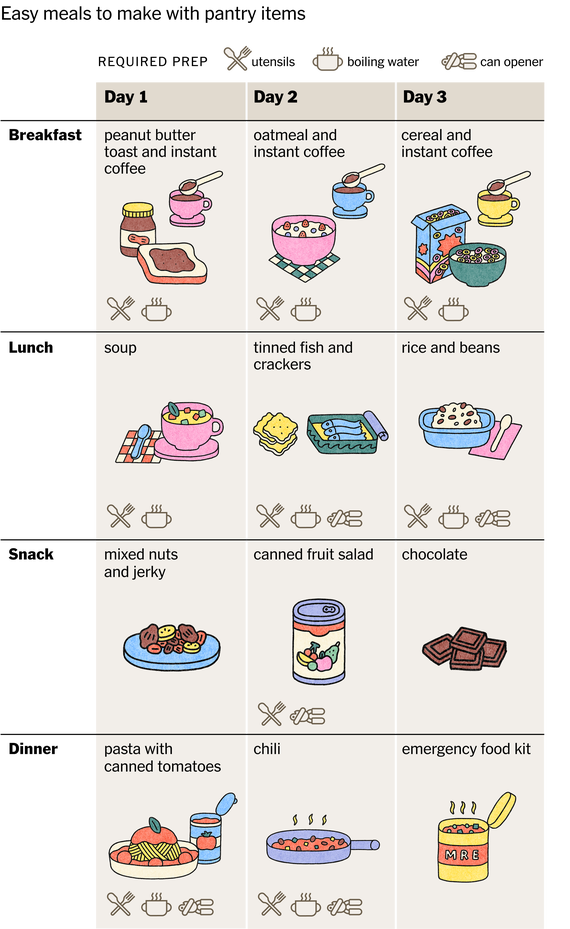
Emergency meal recipes help you prepare food that lasts and fuels your body. These meals focus on nutrition, ease, and storage. You want food that keeps well and tastes good. Simple ingredients and quick preparation are key. Here are some ideas for high-energy snacks, ready-to-eat entrees, and rehydration options.
High-energy Snacks
- Trail mix with nuts, seeds, and dried fruit
- Granola bars with oats and honey
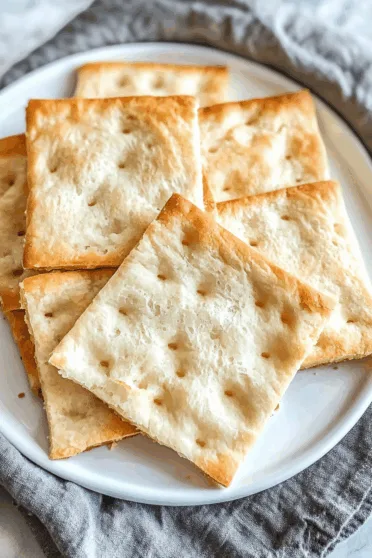
- Peanut butter packets and whole grain crackers
- Beef jerky or dried meat strips
- Roasted chickpeas or spiced nuts
These snacks provide quick energy and protein. They do not need refrigeration and last long.
Ready-to-eat Entrees
- Canned chili with beans and vegetables
- Freeze-dried rice and vegetable mixes
- Canned tuna or chicken with whole grain bread
- Instant noodles with added dehydrated veggies
- Pre-packaged lentil or bean soups
These entrees are simple to store and prepare. Just open or add hot water to enjoy a full meal.
Rehydration Ideas
- Powdered electrolyte drinks for quick hydration
- Instant soup powders mixed with hot water
- Dehydrated vegetable flakes added to broth
- Herbal teas with dried herbs for warmth and fluids
- Homemade fruit juice powders for vitamins
Rehydration helps keep your body balanced and alert. Always keep clean water ready to mix with these items.
Tools And Equipment
Preparing your own emergency food requires the right tools and equipment. These help make the process easier and keep your food safe for long periods. Choosing the proper kitchen gadgets, storage containers, and preservation devices ensures your food stays fresh and ready to use.
Essential Kitchen Gadgets
Basic kitchen tools speed up food preparation and improve efficiency. A good set of knives helps with chopping and slicing. A sturdy cutting board protects surfaces and keeps food clean. Measuring cups and spoons ensure correct ingredient amounts. Mixing bowls allow easy combining of ingredients. A manual can opener is handy for canned foods. Also, a slow cooker or pressure cooker can save time and enhance flavors.
Storage Containers
Proper containers protect food from moisture, air, and pests. Use airtight containers to keep food fresh longer. Glass jars with sealing lids are excellent for dry goods. Plastic containers with tight covers work well too. Vacuum-sealed bags reduce oxygen exposure and extend shelf life. Label containers clearly with contents and dates. Stackable containers save space and organize your storage area.
Preservation Devices
Devices that preserve food extend its usability and safety. A vacuum sealer removes air to prevent spoilage. Food dehydrators remove moisture, creating lightweight snacks. Canning kits help preserve fruits, vegetables, and meats. A freezer keeps perishable items safe for months. Oxygen absorbers in sealed containers keep food fresh. Using these devices protects your emergency food supply effectively.

Credit: mountainhouse.com
Frequently Asked Questions
What Are The Best Foods For Emergency Preparedness?
The best emergency foods are non-perishable, nutrient-dense, and easy to prepare. Examples include canned beans, rice, dried fruits, nuts, and protein bars. These foods have long shelf lives and provide essential energy and nutrients during emergencies.
How Long Can Homemade Emergency Food Last?
Properly stored homemade emergency food can last from 6 months to several years. Use airtight containers, keep foods in a cool, dark place, and avoid moisture to extend shelf life and maintain freshness.
What Equipment Is Needed To Make Emergency Food?
Basic equipment includes airtight containers, vacuum sealers, dehydrators, and canning jars. These tools help preserve food, remove moisture, and extend shelf life, ensuring your emergency food stays fresh and safe to eat.
How Much Emergency Food Should I Store Per Person?
Store at least a two-week supply of emergency food per person. This amount covers basic nutritional needs during unexpected situations and ensures sufficient energy while access to fresh food is limited.
Conclusion
Making your own emergency food saves money and ensures safety. Choose simple, long-lasting ingredients you trust. Store food in cool, dry places to keep it fresh. Rotate your supplies often to avoid spoilage. Preparing food ahead brings peace of mind during crises.
Small steps now create big help later. Start today and stay ready for any emergency.