When disaster strikes, having the right food stored can make all the difference for you and your loved ones. But with so many options out there, how do you choose the best foods for emergency storage?
You want items that last long, provide good nutrition, and are easy to prepare when you need them most. You’ll discover the top foods that can keep you safe and healthy during uncertain times. Keep reading to learn exactly what should be on your emergency food list and why these choices matter more than you think.
Criteria For Emergency Foods
Choosing the right foods for emergency storage requires careful thought. Foods must last long and keep their nutrients. They should be easy to prepare without special tools. Proper storage helps keep food safe and fresh. These criteria ensure your emergency supply is reliable and useful.
Shelf Life
Foods with a long shelf life are essential for emergencies. They stay safe to eat for months or years. Canned goods, dried beans, and rice last a long time. Always check expiration dates before storing. Rotate your stock to use older items first.
Nutritional Value
Emergency foods must provide good nutrition. They should include proteins, carbohydrates, fats, vitamins, and minerals. Balanced nutrition helps maintain energy and health. Choose a variety of foods to cover all nutrients. Avoid foods high in sugar or empty calories.
Ease Of Preparation
Simple foods work best in emergencies. They need little or no cooking. Ready-to-eat items save time and fuel. Look for foods that only require water or no preparation. Avoid foods needing special appliances or long cooking times.
Storage Requirements
Foods should store well in your available space. They need to resist pests, moisture, and temperature changes. Use airtight containers to keep food fresh longer. Keep storage areas cool, dry, and dark. Label all items with purchase and expiration dates.
Top Grains And Legumes
Grains and legumes form the backbone of any emergency food supply. They store well and provide essential nutrients. These foods offer energy, protein, and fiber. Their long shelf life makes them ideal for storage. Choosing the right grains and legumes ensures a balanced diet during tough times.
Rice Varieties
Rice is a staple food worldwide. It is easy to store and cook. White rice lasts longer than brown rice. Brown rice contains more nutrients but spoils faster. Jasmine and basmati rice have unique flavors and textures. Rice provides carbohydrates for energy and is gluten-free.
Beans And Lentils
Beans and lentils are rich in protein and fiber. They help keep you full for longer. Common types include black beans, kidney beans, and chickpeas. Lentils cook faster than many beans. These legumes add variety and nutrition to your meals. They also improve soil health if you grow them.
Oats And Quinoa
Oats are a great source of fiber and vitamins. They can be eaten as porridge or added to recipes. Quinoa is a complete protein with all nine essential amino acids. It cooks quickly and has a mild, nutty flavor. Both oats and quinoa store well in airtight containers.
Essential Canned Goods
Canned goods like beans, vegetables, and meats last long and provide vital nutrients. They are easy to store and perfect for emergencies. Choose items with high protein and fiber to stay full and energized.
When stocking up your emergency storage, canned goods are indispensable. They’re non-perishable, nutrient-rich, and versatile. Plus, they don’t need refrigeration, making them perfect for emergencies. Let’s dive into some essential canned goods you should consider.Vegetables And Fruits
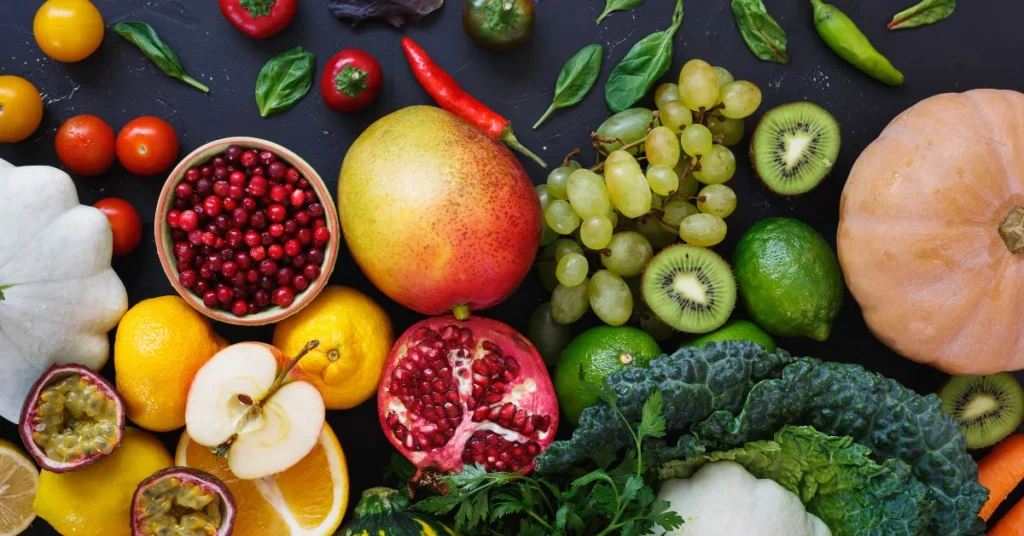
Canned vegetables and fruits are a must-have. They provide essential vitamins and minerals, even when fresh produce isn’t available. Choose options like canned tomatoes, which can be used in various dishes. Peaches or pears in light syrup are great for a quick sweet treat. Always opt for low-sodium or no-sugar-added versions to keep your diet healthy.Meats And Fish
Having a protein source is crucial during emergencies. Canned meats like chicken or beef offer a hearty meal option. Canned fish, such as tuna or salmon, is not only high in protein but also rich in omega-3 fatty acids. They’re ready to eat and can be paired with canned vegetables for a balanced meal. Remember to keep a manual can opener handy!Soups And Stews
Canned soups and stews are comforting and convenient. They require minimal preparation and provide a complete meal in one can. Opt for soups with a variety of vegetables and lean proteins. Brands offering low-sodium options are preferable to maintain good health. Imagine the warmth and satisfaction of a hot bowl of soup during a power outage. What canned goods do you swear by in your emergency pantry? Your selections can make a world of difference when you need them most.
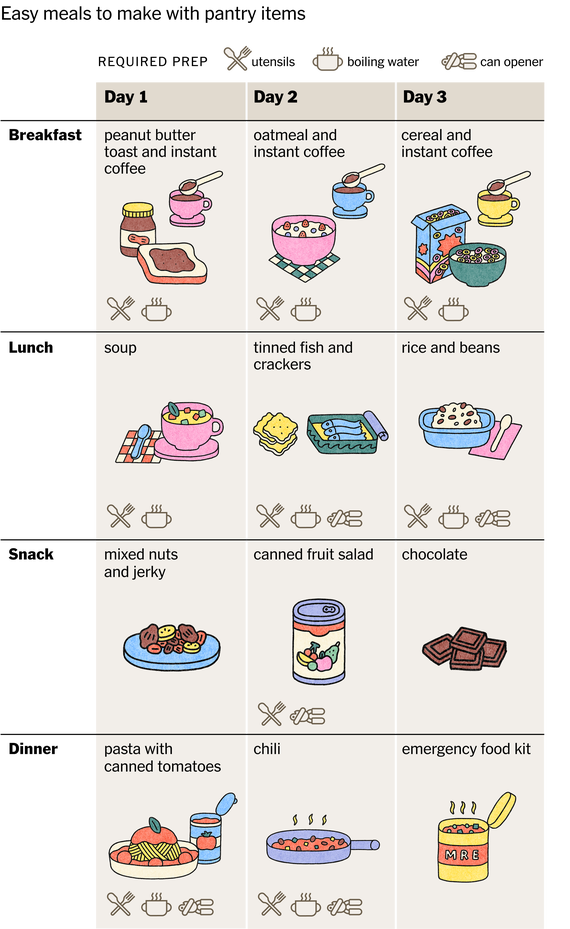
Credit: www.forbes.com
Dried And Dehydrated Foods
Dried and dehydrated foods are a cornerstone of any reliable emergency food storage plan. They take up less space, last longer, and keep their nutrients well compared to fresh foods. Plus, they’re lightweight and easy to prepare when you need a quick meal during tough times.
Fruits And Vegetables
Dried fruits like apples, bananas, and berries pack a sweet punch of energy and vitamins. Dehydrated vegetables such as carrots, peas, and spinach retain much of their original nutrients and add essential fiber to your diet.
These foods are perfect for snacking or mixing into soups and stews. Have you ever tried adding dried tomatoes to your meals? They bring a surprising depth of flavor without any hassle.
Meat Jerky
Meat jerky is a protein powerhouse that stays edible for months without refrigeration. Whether it’s beef, turkey, or even exotic options like venison, jerky offers a hearty, satisfying bite.
Look for varieties with minimal additives to keep your emergency stash healthy. You might find jerky is not just practical but also a tasty treat during stressful times.
Instant Meals
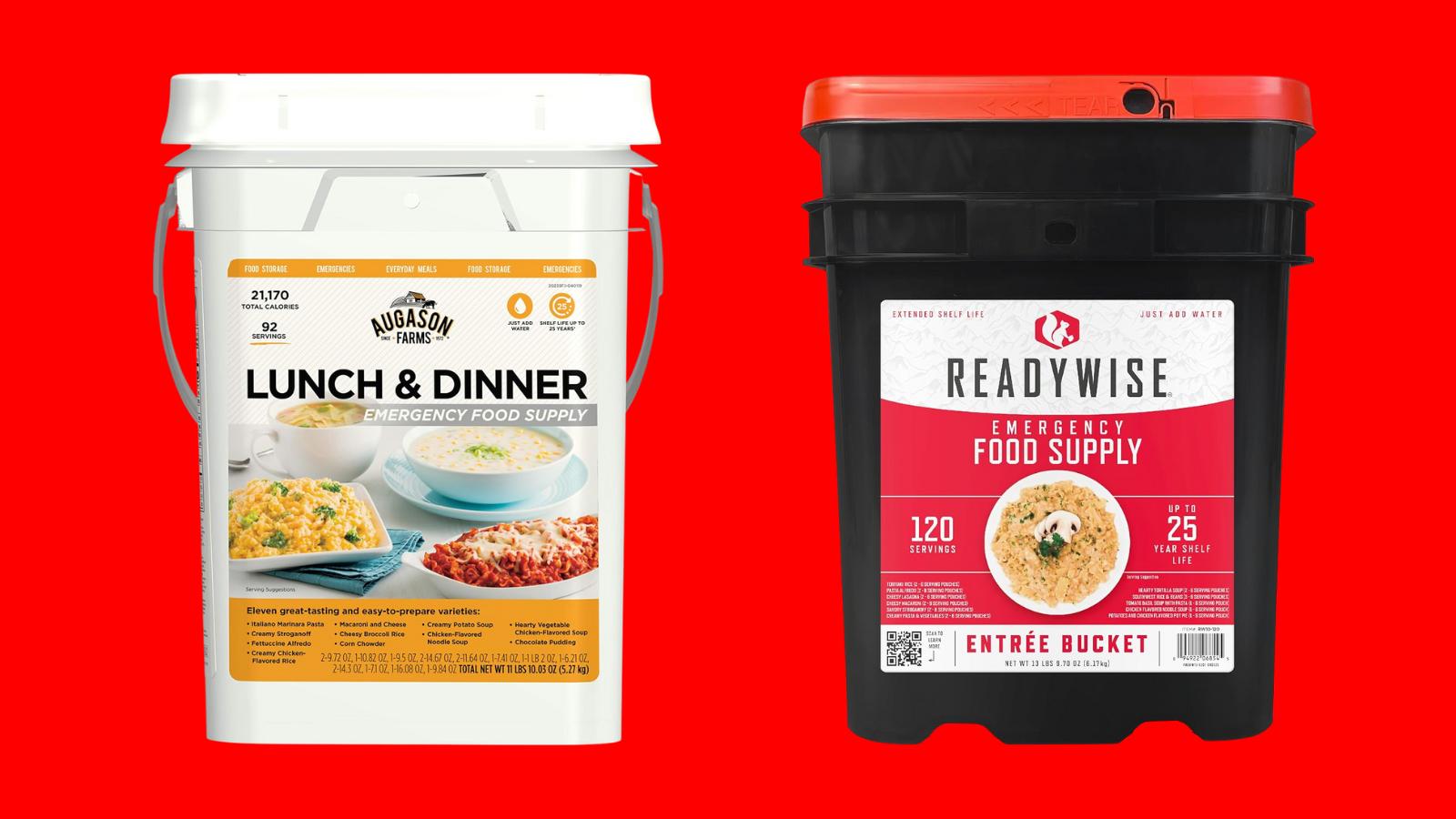
Instant meals that use dried ingredients can save precious time and effort when you can’t cook from scratch. Options like freeze-dried pasta, rice dishes, and soups only need hot water and a few minutes to prepare.
They often come in vacuum-sealed packaging, extending shelf life dramatically. Are you ready to rely on these meals that blend convenience with nutrition when every minute counts?
Nut Butters And Seeds
Nut butters and seeds are essential for emergency food storage. They offer long shelf life and packed nutrition. These foods provide healthy fats, protein, and energy. They are easy to store and versatile for meals and snacks. Including them in your emergency supplies ensures balanced nutrition during tough times.
Peanut And Almond Butter
Peanut and almond butter are popular choices for storage. Both contain healthy fats and protein. They help keep hunger at bay and support energy levels. These nut butters store well if kept in cool, dry places. Choose natural versions without added sugar or salt for better health benefits.
Chia And Flax Seeds
Chia and flax seeds are small but powerful. They contain omega-3 fatty acids and fiber. These seeds help digestion and heart health. Store them in airtight containers to maintain freshness. Use them in water, yogurt, or baked goods for easy nutrition boosts.
Sunflower And Pumpkin Seeds
Sunflower and pumpkin seeds add crunch and nutrients. They are rich in vitamins, minerals, and antioxidants. These seeds provide protein and healthy fats for lasting energy. Keep them sealed and stored in cool places. They make great snacks or toppings for meals.
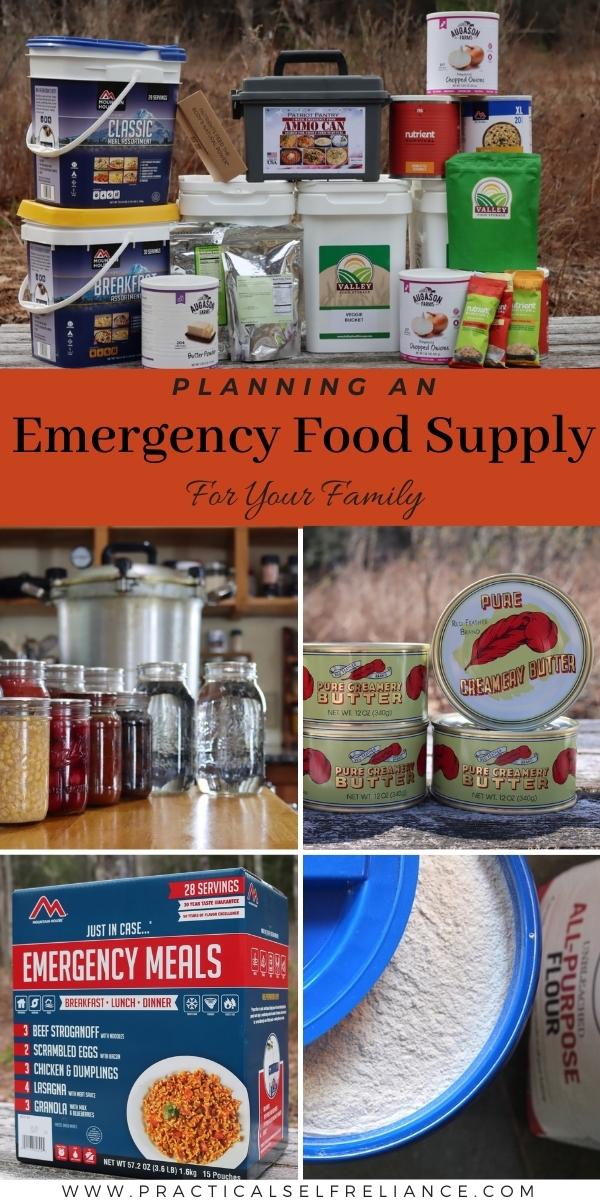
Credit: practicalselfreliance.com
Cooking Essentials And Condiments
Cooking essentials and condiments are key for preparing meals during emergencies. They enhance flavor and provide vital nutrients. Storing the right items ensures you can cook simple, tasty dishes with limited resources. These basics make food more enjoyable and help maintain morale.
Oils And Fats
Oils and fats are important for cooking and energy. Choose oils with a long shelf life, such as:
- Olive oil
- Coconut oil
- Vegetable oil
- Ghee or clarified butter
These fats add flavor and help cook food evenly. Store them in cool, dark places to keep fresh longer.
Spices And Herbs
Spices and herbs transform bland meals into something special. Keep a small collection of dried options like:
- Black pepper
- Garlic powder
- Oregano
- Basil
- Chili flakes
They last long and require no refrigeration. Use them sparingly to add taste without wasting supplies.
Salt And Sugar
Salt and sugar serve multiple purposes in emergencies. Salt is essential for seasoning and preserving food. Sugar helps with energy and can be used in baking or drinks.
- Table salt or sea salt
- Granulated sugar
- Honey (natural sweetener)
Store these in airtight containers to prevent moisture and clumping. They are small but vital items for any emergency pantry.
Beverages And Hydration
Storing the right beverages is crucial for emergency preparedness. Hydration keeps the body strong and helps fight fatigue. Water is essential, but variety in drinks can boost morale and health during tough times.
Powdered Drink Mixes
Powdered drink mixes save space and last long. They can add flavor to plain water, making it easier to drink. Look for mixes that provide vitamins and minerals. Avoid mixes with too much sugar. Store them in airtight containers to keep freshness.
Water Storage Tips
Store clean water in food-grade containers. Use plastic, glass, or stainless steel bottles. Keep water away from direct sunlight and heat. Change stored water every six months. Label containers with the date of storage. Keep extra water for cooking and hygiene needs.
Electrolyte Solutions
Electrolyte solutions help maintain body salts and fluids. They prevent dehydration from sweating or illness. Ready-made electrolyte packets or tablets are easy to store. Some powders mix directly with water. Choose low-sugar options for better health.
Packaging And Storage Tips
Proper packaging and storage protect your emergency food supplies. It keeps food fresh longer and prevents spoilage. Organizing your food helps in easy access during emergencies. Use smart methods to maintain quality and safety.
Containers And Sealing
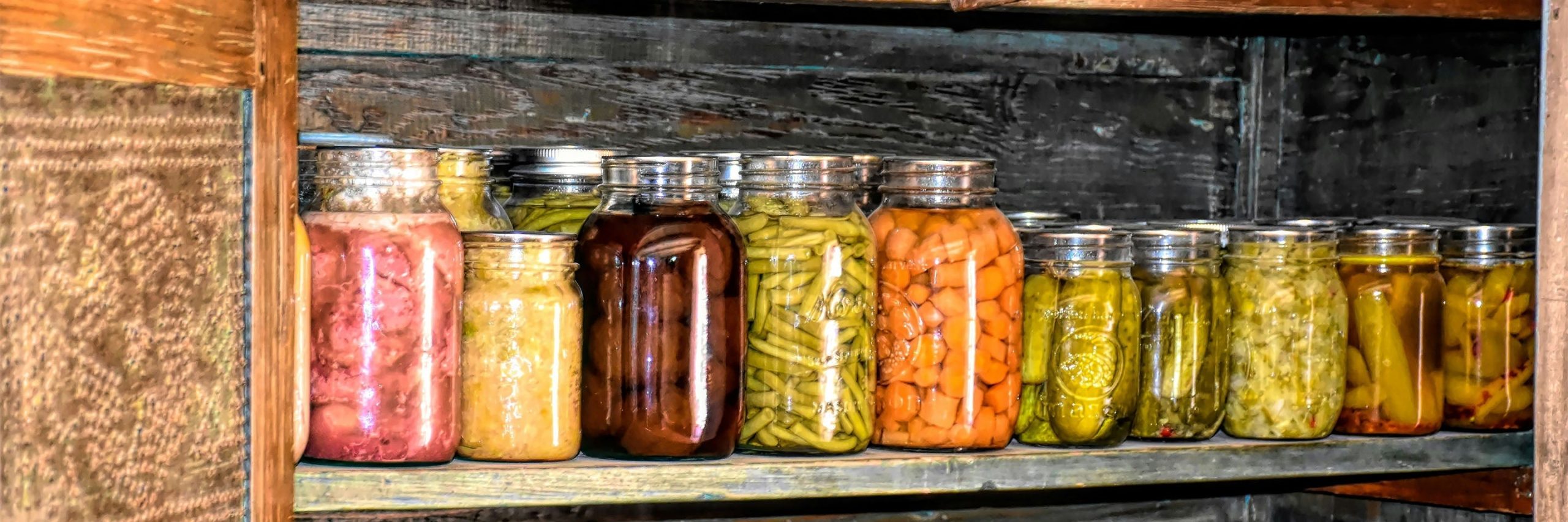
Choose airtight containers to prevent moisture and pests. Use food-grade plastic, glass jars, or metal cans for storage. Vacuum sealing removes air and extends shelf life. Label containers with content and date for quick identification.
Temperature Control
Store food in a cool, dry place away from sunlight. Avoid areas with temperature fluctuations to stop spoilage. Ideal storage temperature is between 50°F and 70°F (10°C to 21°C). Use shelves off the ground to reduce heat and moisture risks.
Rotation And Usage
Use the “first in, first out” rule to keep food fresh. Regularly check expiration dates and replace old items. Plan meals using stored food to avoid waste. Keep a list of stored items and update it after use.

Credit: www.goodhousekeeping.com
Frequently Asked Questions
What Foods Last Longest In Emergency Storage?
Dried beans, rice, and pasta have long shelf lives. Canned goods, powdered milk, and freeze-dried fruits also last years. Properly sealed and stored in cool, dry places, these foods maintain nutrition and taste, making them ideal for emergency storage.
Which Emergency Foods Provide The Best Nutrition?
Foods like canned vegetables, nuts, and peanut butter offer essential nutrients. Whole grains and dried legumes supply fiber and protein. Including a variety ensures balanced nutrition during emergencies, supporting energy and health.
How Much Emergency Food Should I Store Per Person?
Store at least a two-week supply per person. Calculate based on three meals daily. Include enough calories and nutrients to sustain health and energy in emergencies.
Are Freeze-dried Foods Good For Emergency Storage?
Yes, freeze-dried foods retain most nutrients and flavor. They are lightweight and have a shelf life of 20-30 years. Ideal for long-term emergency storage, they require only water to rehydrate.
Conclusion
Choosing the best foods for emergency storage helps keep you safe. Focus on items that last long and give good nutrition. Canned goods, dried beans, rice, and nuts work well. Don’t forget to store water and some comfort snacks. Rotate your supplies to keep them fresh and ready.
Planning ahead makes tough times easier to handle. Start building your emergency food stash today for peace of mind. Small steps now can make a big difference later. Stay prepared, stay safe.