Imagine facing a sudden emergency without enough food to keep you and your loved ones safe and healthy. It’s a situation no one wants to be in, but being unprepared can turn a tough time into a crisis.
You might think, “Where do I even start? ” or “What foods should I choose? ” This guide will walk you through simple, practical steps to build an emergency food supply that fits your needs. By the end, you’ll feel confident knowing you have the right plan in place to protect yourself and those you care about.
Let’s get started on making sure you’re ready for whatever comes your way.
Credit: bushlife.ca
Choosing The Right Foods
Choosing the right foods is crucial for building an emergency food supply. The foods must last long, provide good nutrition, and suit everyone’s needs. Careful selection helps avoid waste and keeps you healthy during tough times.
Focus on foods that store well without refrigeration. Think about meals that are easy to prepare and eat. Variety matters to keep meals interesting and balanced.
Long Shelf Life Options
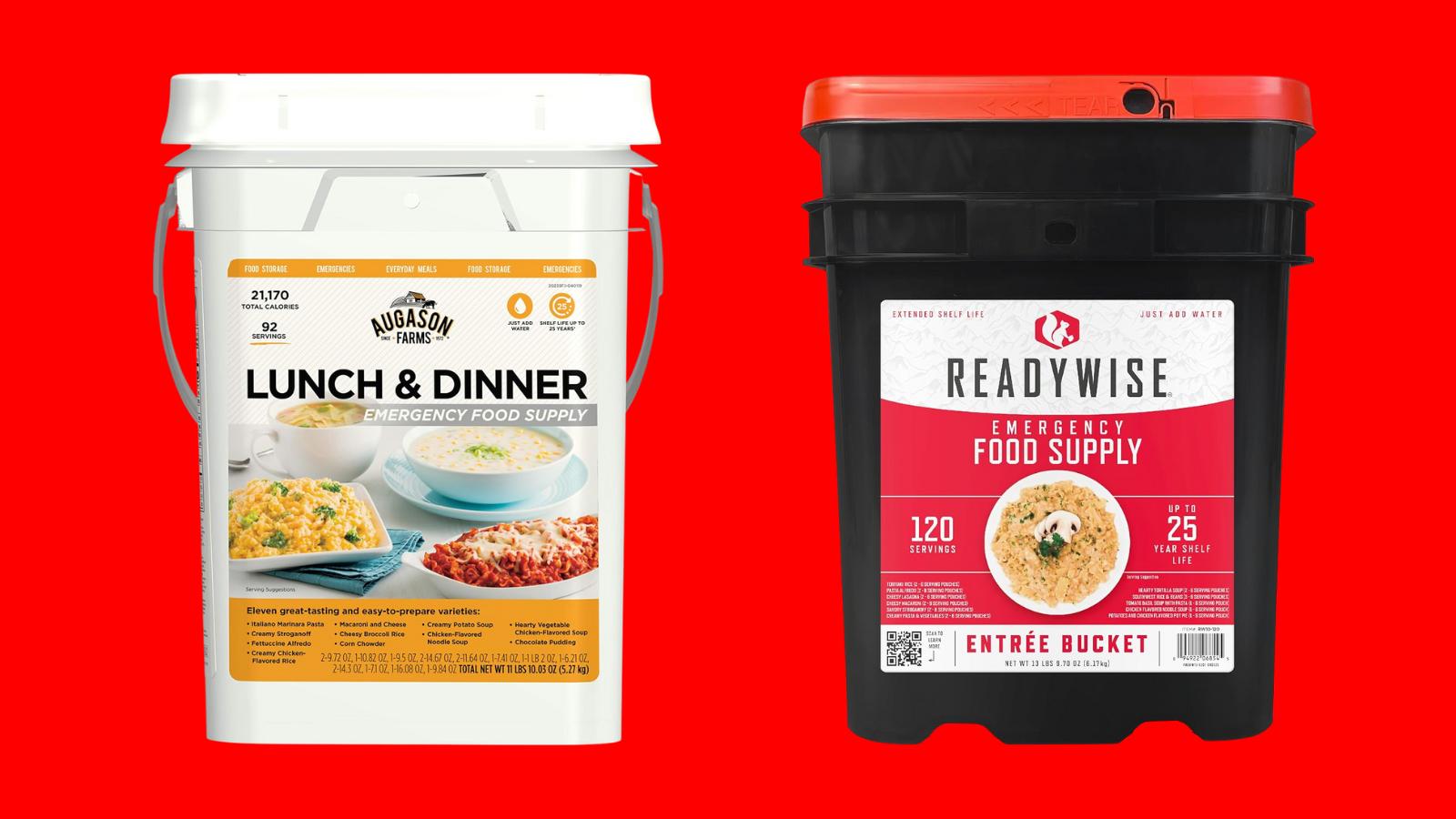
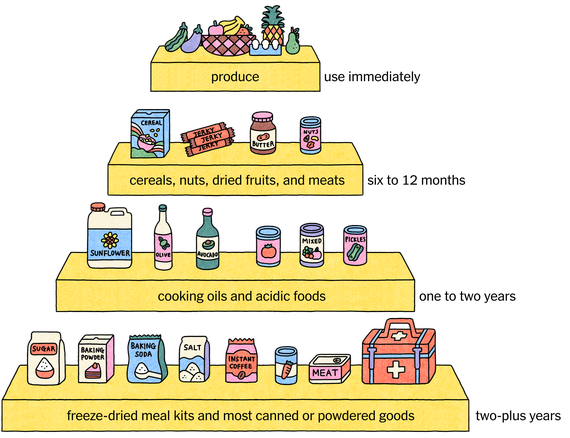
Select foods that stay fresh for months or years. Canned goods, dried beans, and rice are great choices. Freeze-dried fruits and vegetables also last long and keep nutrients.
- Canned meats and fish
- Dry pasta and grains
- Powdered milk and eggs
- Peanut butter and nuts
- Dehydrated soups and meals
Store items in airtight containers to avoid moisture and pests. Keep food in a cool, dark place for best results.
Nutritional Balance
Ensure the food supply covers all basic nutrients. Include protein, carbohydrates, fats, vitamins, and minerals. Protein is vital for energy and muscle repair.
Carbohydrates provide quick energy, while fats offer long-lasting fuel. Vitamins and minerals keep the immune system strong.
- Beans and lentils for protein and fiber
- Whole grains for energy and fiber
- Vegetables and fruits for vitamins
- Nuts and seeds for healthy fats
Dietary Restrictions
Consider allergies and special diets of family members. Choose gluten-free, dairy-free, or low-sodium options if needed. Keep a variety to meet different needs and tastes.
Label foods clearly to avoid confusion during emergencies. Store alternative options for those with dietary limits.
- Gluten-free grains like quinoa and rice
- Lactose-free powdered milk
- Low-sodium canned vegetables
- Nut-free snacks if allergies exist
Storage Techniques
Proper storage techniques keep your emergency food safe and fresh. Good storage protects food from damage, pests, and spoilage. It also helps maintain the food’s taste and nutrition. Understanding how to store food correctly is vital for any emergency supply plan.
Containers And Packaging
Choose airtight containers to keep moisture and air out. Use food-grade plastic bins, glass jars, or metal cans. Vacuum sealing can extend shelf life by removing oxygen. Keep packaging clean and dry to avoid contamination. Label containers with content and date for easy identification.
Temperature And Humidity Control
Store food in a cool, dry place away from sunlight. Ideal temperature is between 50-70°F (10-21°C). Avoid places with high humidity to prevent mold and spoilage. Use dehumidifiers or moisture absorbers in damp areas. Consistent temperature helps maintain food quality longer.
Rotation And Expiry Management
Use the “first in, first out” rule to rotate supplies. Eat older food first and replace it with fresh stock. Check expiration dates regularly and remove expired items. Keep a list of all stored food with purchase and expiry dates. Proper rotation prevents waste and keeps your supply ready.
Meal Planning
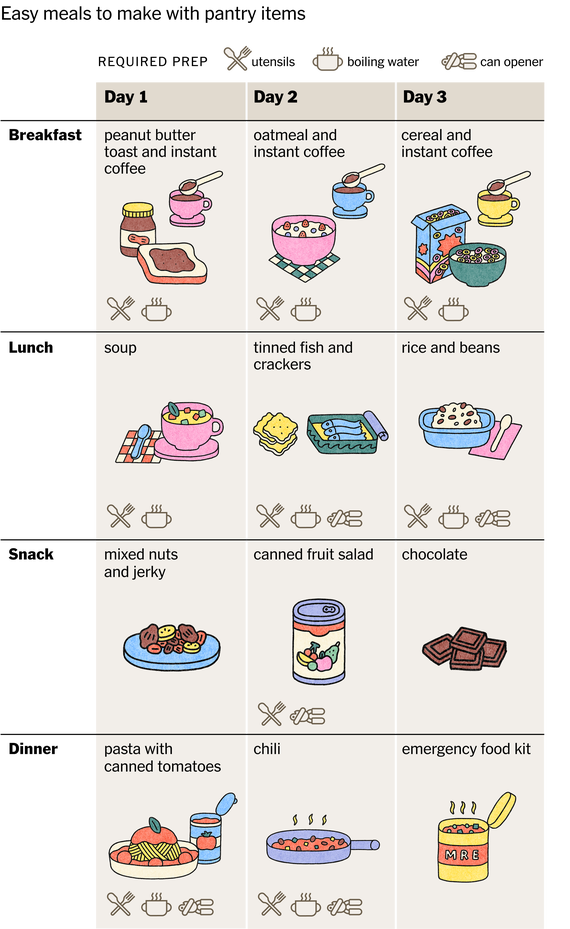
Preparing an emergency food supply means choosing non-perishable items that last long. Store enough food for several days to stay safe during crises. Rotate supplies regularly to keep everything fresh and ready.
Planning meals for an emergency food supply requires careful thought and strategy. It’s not just about stocking up on canned goods and instant noodles. You must ensure that your food supply is nutritious, varied, and simple to prepare. This can seem overwhelming, but breaking it down into manageable steps makes it achievable.Calorie Requirements
Understanding calorie needs is crucial for maintaining energy during emergencies. Generally, an adult needs about 2,000 to 2,500 calories per day. However, consider factors like age, activity level, and health conditions. Use a calorie calculator to determine specific needs for each family member. This ensures your food supply can sustain everyone adequately.Variety And Taste
Nobody wants to eat the same meal every day, especially during stressful times. Include a range of foods to keep meals interesting. Choose items like canned meats, dried fruits, and nuts to provide different flavors and textures. Think about what you enjoy eating regularly. This familiarity can provide comfort in challenging times.Preparation Simplicity
In emergencies, you may not have access to a full kitchen. Choose foods that require minimal preparation. Instant oats, canned soups, and pasta are easy to prepare with basic tools. Consider how you’ll heat or cook these items if power is unavailable. A portable stove or solar cooker can be invaluable. Investing time in meal planning now can significantly ease stress later. What changes will you make to your emergency food supply today?
Credit: www.nytimes.com
Water And Hydration
Water is the most critical part of your emergency food supply. Without enough clean water, your body can’t function properly. Staying hydrated affects your energy, focus, and overall health during stressful situations.
Water Storage
Store at least one gallon of water per person per day. This covers drinking and basic hygiene needs. Use food-grade containers like BPA-free plastic jugs or glass bottles with tight lids.
Keep your water containers in a cool, dark place to prevent algae and bacteria growth. Label each container with the date you filled it. Rotate your supply every six months to keep it fresh.
Purification Methods
Sometimes stored water might get contaminated, or you may need to use natural sources. You should have at least two purification methods on hand. Common options include:
- Boiling water for at least one minute
- Using water purification tablets
- Employing portable water filters
Each method has pros and cons. Boiling is effective but requires fuel. Tablets are lightweight but can leave an aftertaste. Filters remove particles but may not kill viruses. Choose what fits your situation best.
Daily Water Needs
How much water you need depends on your activity level, climate, and health. Generally, adults require about 2 to 3 liters daily just for drinking. Add extra if you are physically active or in hot weather.
Don’t forget water for cooking and cleaning too. Calculating your total daily water needs helps avoid shortages. Have you measured your family’s water use during normal days? That can guide your emergency planning.
Supplementary Supplies
Supplementary supplies are just as important as your main emergency food items. Without the right extras, even the best food supply can become difficult to prepare and enjoy. Think about the last time you tried to cook without the right tools—frustrating, right? Your emergency kit should include these additional items to make your food supply practical and manageable.
Cooking Equipment
Having the right cooking equipment is crucial. A portable stove or camping burner can save you when power is out. Don’t forget fuel canisters that fit your stove and a reliable lighter or waterproof matches.
Consider lightweight pots and pans that heat evenly and are easy to clean. A small kettle or coffee pot can also be a game-changer for hot drinks or boiling water. You want equipment that’s durable but not bulky, so it fits neatly into your emergency kit.
Utensils And Tools
Simple utensils can make food prep much easier. Pack a set of basic eating utensils like forks, spoons, and knives—preferably reusable to reduce waste. A sharp multi-tool or pocket knife is invaluable for opening cans, cutting food, or even minor repairs.
Don’t overlook items like a can opener, measuring cups, and a cutting board. These small tools help you prepare meals quickly and safely. What would you do if you only had your hands to open a can? Think ahead to avoid that hassle.
First Aid And Medication
Food preparation isn’t just about cooking—it’s about staying healthy. Keep a first aid kit stocked with bandages, antiseptics, and any personal medications you need. Minor cuts or burns can happen easily during meal prep, and you want to be ready.
Also, include medications that support digestion or allergies, such as antacids or antihistamines. Your emergency supply should protect you from more than just hunger. How prepared are you to handle small health issues while relying on your emergency food?
Emergency Food Supply Maintenance
Keeping your emergency food supply in good shape is as important as building it. Without regular care, food can expire, lose nutrition, or become unappealing when you need it most. Maintenance ensures your stash stays fresh, useful, and ready for any situation.
Regular Inspections
Check your emergency food supply every few months. Look for signs of damage like broken seals, moisture, or pests. Toss out anything that looks off or has passed its expiration date.
Keep a simple checklist handy to track what you have and when you last inspected it. This habit helps you avoid surprises and ensures you always know what’s available.
Replenishment Strategies
Replace foods before they expire to keep your supply fresh. Use older items in your daily meals and add new ones to the stockpile. This rotation method prevents waste and keeps your food supply reliable.
Consider buying in bulk during sales or when you find good deals. Stagger your purchases over time so you don’t overwhelm your storage space or budget.
Adapting To Changing Needs
As your family or lifestyle changes, so should your emergency food supply. Add special dietary items if someone develops allergies or preferences. Update portion sizes or meal types based on who will be using the food.
Ask yourself: Does your current supply fit your needs today? Regularly adjusting your stock keeps it relevant and ensures you won’t be caught off guard when emergencies happen.

Credit: www.forbes.com
Frequently Asked Questions
What Foods Last Longest In An Emergency Supply?
Canned goods, dried beans, rice, and freeze-dried meals last longest. They resist spoilage and maintain nutrition. Store in a cool, dry place for maximum shelf life. Rotate supplies every 6-12 months to keep food fresh and safe.
How Much Emergency Food Should I Store Per Person?
Store at least a two-week supply per person. Aim for 2,000 calories daily to meet basic energy needs. Include a variety of proteins, carbs, and fats. Adjust amounts based on age, health, and activity level.
Can I Use Fresh Foods In An Emergency Supply?
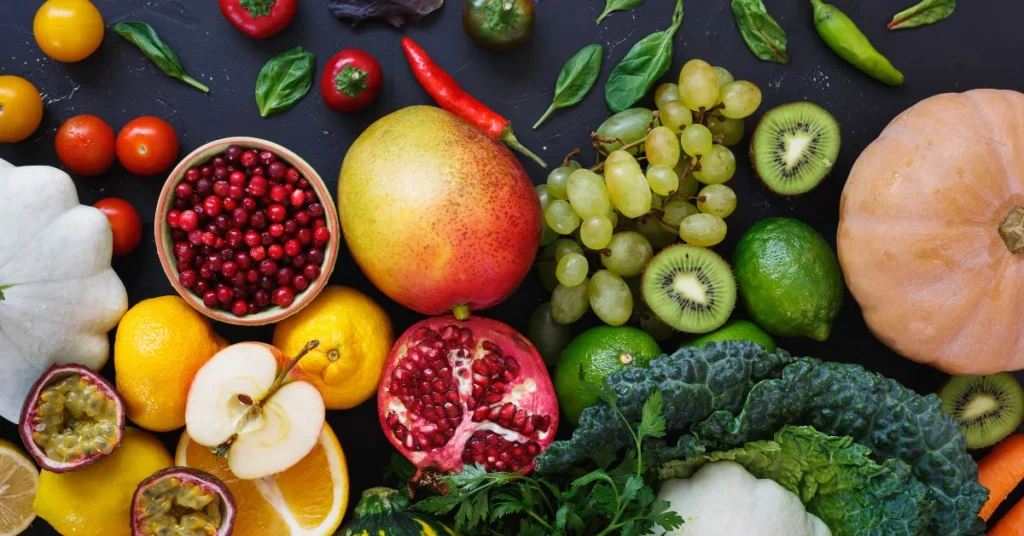
Fresh foods spoil quickly, so use with caution. Include durable options like potatoes, onions, and apples. Consume fresh items first before using long-term stored foods. Always have backup non-perishable foods for emergencies.
How Do I Store Emergency Food Safely?
Store food in airtight, moisture-proof containers. Keep supplies in a cool, dark, and dry place. Avoid direct sunlight and temperature fluctuations. Label containers with dates to track freshness and rotate regularly.
Conclusion
Preparing an emergency food supply takes time and care. Choose foods that last long and are easy to cook. Store them in a cool, dry place. Check your supplies often to keep them fresh. Don’t forget water—it is just as important.
Plan meals that your family likes and can eat easily. Being ready helps you stay calm during emergencies. Start small and build your supply step by step. Stay safe and keep your food supply ready.