When it comes to survival gear, making the right choice can mean the difference between staying safe and facing serious trouble. You want equipment that’s reliable, easy to use, and fits your specific needs.
But with so many options out there, how do you know what really matters? This guide will help you focus on the key factors to consider, so you can build a kit that works for you—no matter the situation. Keep reading to discover what you absolutely need to look for before buying your next survival gear.
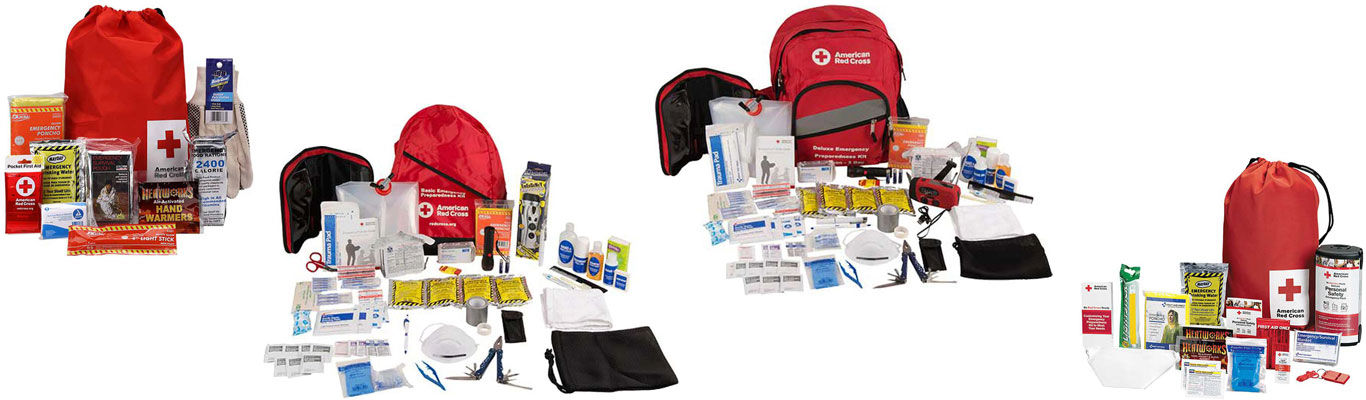
Credit: www.redcross.org
Types Of Survival Gear
Survival gear includes many types of tools and supplies. Each type has a special role in keeping you safe and comfortable. Choosing the right gear depends on where you are and what you might face. Knowing the types helps you prepare better.
Shelter And Sleeping Equipment
Shelter protects you from weather and insects. Tents, tarps, and hammocks work well. Sleeping bags and mats keep you warm and comfortable. Choose lightweight and durable options for easy carrying.
Food And Water Supplies
Food and water are vital for survival. Pack non-perishable foods like energy bars and dried fruits. Water filters and purification tablets ensure clean drinking water. Always carry enough for your trip length.
Navigation Tools
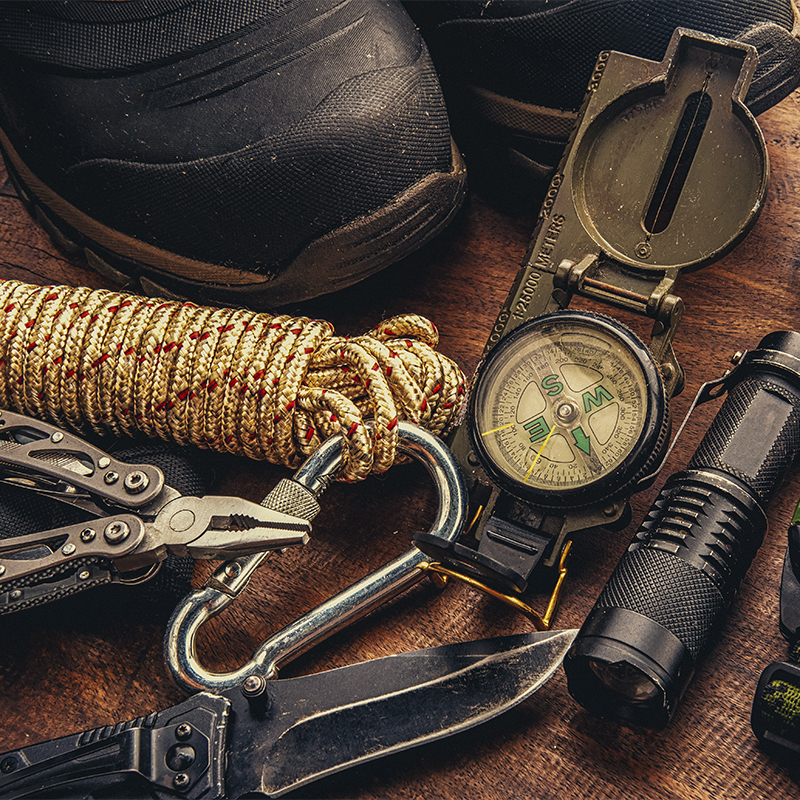
Navigation tools help you find your way. A compass and map are basic but reliable. GPS devices offer precise locations but need batteries. Learn to use all tools properly before your trip.
First Aid Kits
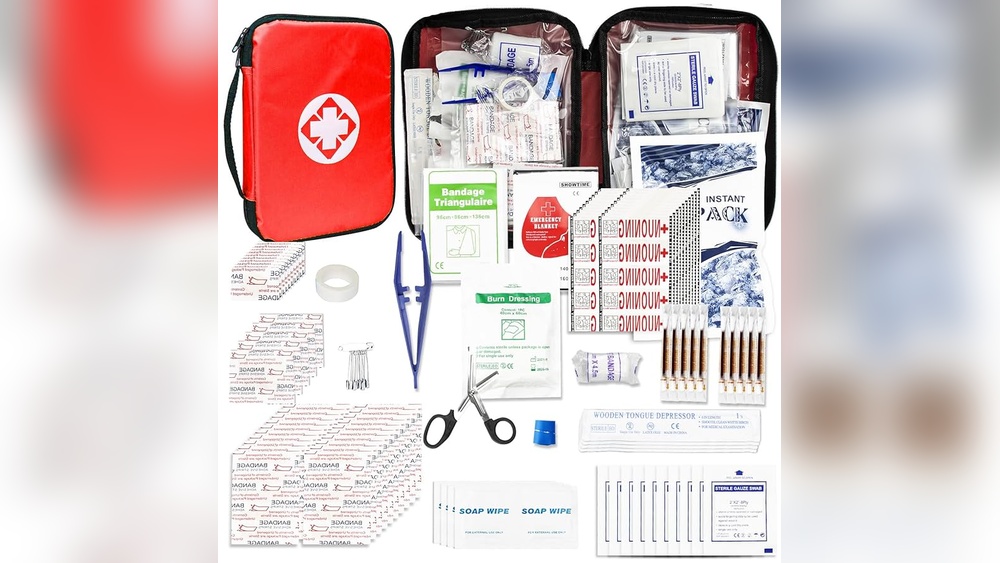
First aid kits treat injuries and prevent infections. Include bandages, antiseptics, pain relievers, and tweezers. Customize your kit for allergies or specific needs. Regularly check and replace expired items.
Clothing And Footwear
Clothing protects you from weather and terrain. Wear layers to adjust to temperature changes. Choose moisture-wicking and quick-drying fabrics. Sturdy boots support your feet and prevent injuries.
Assessing Your Environment
Choosing the right survival gear starts with knowing your environment well. The place you plan to be will shape what gear you need most. Every environment has unique demands. Gear that works in one place might fail in another. Study your surroundings carefully before packing your gear. This step helps you stay safe and comfortable.
Climate And Weather Conditions
Weather affects your survival needs. Cold places require warm clothing and shelter. Hot areas need sun protection and hydration tools. Rainy climates call for waterproof gear. Think about wind, snow, and humidity too. Prepare for sudden weather changes. Choose gear that can handle the climate’s challenges.
Terrain Challenges
Land shape impacts the gear you carry. Rocky or mountainous areas need strong boots and climbing tools. Flat, open spaces might call for sunshade and easy-to-carry supplies. Dense forests require machetes and insect protection. Know if you will cross rivers or deep mud. Match your gear to the ground you will travel on.
Wildlife Risks
Animals can be a danger. Some places have bears, snakes, or insects. Learn about local wildlife before your trip. Carry bear spray or snake bite kits if needed. Use insect repellent to avoid bites and sickness. Store food properly to keep animals away. Gear that protects you from wildlife is a must.
Prioritizing Essential Features
Choosing survival gear requires a clear focus on the key features that matter most. The right gear supports safety and comfort in tough situations. It must work well, last long, and be easy to carry. These points help pick gear that truly helps during emergencies.
Durability And Quality
Survival gear should be strong and built to last. Cheap materials can break or fail when you need them most. Look for gear made from tough fabrics and solid parts. Quality means the gear can handle rain, heat, and rough use. Durable gear gives peace of mind during hard times.
Portability And Weight
Lightweight gear is easier to carry over long distances. Heavy gear tires you out and slows you down. Small items that fit into your pack save space. Portability helps keep you agile and ready to move fast. Choose gear that balances size and usefulness well.
Multi-functionality
Gear that serves many purposes reduces what you must bring. A tool that cuts, opens cans, and fixes things is very handy. Multi-use items save space and weight in your pack. They make survival simpler and more efficient. Pick gear that does more than one job well.
Budget And Cost Considerations
Choosing survival gear involves careful thought about budget and costs. Spending too little can mean poor quality items that fail in emergencies. Spending too much may not always bring better results. Finding the right balance is key to getting useful gear without wasting money.
Balancing Price And Performance
Price does not always equal quality. Some affordable gear can perform well in tough situations. Look for products that offer good durability and functionality at a fair price. Avoid very cheap items that break easily or do not work as promised. Focus on gear that meets your basic survival needs without overspending.
Think about how often you will use the gear. For occasional use, mid-range products might be enough. For regular or long-term use, investing a bit more in higher quality items makes sense. Check reviews and user feedback to understand real-life performance. This helps avoid costly mistakes.
Investing In Reliable Brands
Trusted brands often provide better quality and support. They usually test their gear for reliability and safety. This reduces the risk of equipment failure in critical moments. Reliable brands may cost more but offer peace of mind.
Choose brands with a good reputation and positive customer reviews. Brand warranties and return policies add extra security to your purchase. A small extra cost for trusted brands often saves money in the long run. Gear that lasts longer and works well is a smart investment.
User Skill Level
The user skill level plays a big role in choosing the right survival gear. Gear that suits a beginner is different from what an expert might need. Selecting equipment that matches your skills helps you stay safe and confident. Your ability to use the gear well can make a big difference in tough situations.
Ease Of Use
Choose gear that is simple to operate. Complex tools can cause frustration and mistakes. Look for items with clear instructions and few parts. Easy-to-use gear saves time during emergencies. Beginners should avoid equipment with complicated setups or controls.
Training And Practice
Practice is key to using survival gear effectively. Spend time learning how each item works before you need it. Training builds confidence and reduces errors under pressure. Regular drills help you remember important skills. Even basic gear requires some practice for best results.

Credit: www.amazon.com
Maintenance And Shelf Life
Maintenance and shelf life play a key role in survival gear selection. Gear that lasts longer saves money and ensures readiness. Proper care keeps equipment working when needed most. Understanding how to store and inspect gear extends its life.
Storage Tips
Store gear in a cool, dry place away from sunlight. Avoid damp areas to prevent rust and mold. Use airtight containers for items like food and medical supplies. Organize gear to prevent damage from crushing or bending. Keep batteries separate to avoid leaks and corrosion.
Regular Gear Inspection
Check gear regularly for signs of wear or damage. Look for cracks, rust, or broken parts. Test tools and electronics to ensure they work properly. Replace expired food, water, and medicines immediately. Note inspection dates to maintain a schedule and stay prepared.
Legal And Safety Regulations
Choosing survival gear requires attention to legal and safety rules. These rules protect users and others. Following them avoids trouble and ensures gear works well. Knowing these rules helps pick the right gear.
Local Laws
Every place has different laws about survival gear. Some items may be banned or need permits. For example, knives or firearms often have strict rules. Check the laws of your city, state, or country. Buy only gear allowed where you live or plan to go. This keeps you safe and legal.
Safety Certifications
Safety certifications show gear meets quality standards. Look for marks from trusted organizations. Certified gear is tested for durability and safety. This includes helmets, water filters, and first-aid kits. Using certified gear reduces risk of failure. Always choose gear with proper safety marks.
Credit: www.publiclands.com
Frequently Asked Questions
What Are The Essential Survival Gear Items To Carry?
Essential survival gear includes a reliable knife, fire starter, water filter, first aid kit, and emergency shelter. These items ensure safety, hydration, warmth, and basic medical aid during emergencies or outdoor adventures.
How To Choose Survival Gear For Different Environments?
Choose gear based on climate, terrain, and potential hazards. For cold areas, prioritize insulation and warmth. In wet regions, focus on waterproof gear. Consider lightweight, durable equipment for rugged terrains and emergency situations.
Why Is Weight Important In Survival Gear Selection?
Lightweight gear reduces fatigue and increases mobility during survival situations. Heavy items can slow you down and cause exhaustion. Prioritize compact, multi-functional tools to balance weight and functionality effectively.
How To Ensure Survival Gear Quality And Reliability?
Buy from reputable brands with positive reviews and tested products. Check for durability, warranties, and materials used. Quality gear withstands harsh conditions and performs well when you need it most.
Conclusion
Choosing the right survival gear takes careful thought. Focus on quality, usefulness, and ease of use. Think about your environment and the challenges you may face. Keep your gear light and reliable. Test your equipment before any trip. Preparation can make a big difference in emergencies.
Stay safe by picking gear that suits your needs well. Always be ready for the unexpected. Survival gear is about trust and confidence. Choose wisely, and you will feel more secure.