When a storm warning flashes, every second counts. You need reliable gear that can keep you safe and ready for anything.
But do you know how to craft the right equipment quickly and efficiently? This guide will show you the must-know recipes for Storm Warning Edition gear. By mastering these, you’ll turn uncertainty into confidence and face any storm head-on. Keep reading to discover how to build your survival kit step-by-step and protect yourself when it matters most.
Your safety depends on what you create today.
Essential Tools
Essential tools are key for surviving in the Storm Warning Edition. They help you build, fix, and stay safe. Crafting the right tools can make a big difference.
Gathering materials is the first step. Knowing what to collect helps you prepare better and faster.
Basic Crafting Materials
Start with wood, stone, and cloth. These items are easy to find and useful for many tools. Wood works for handles and frames. Stone is great for sharp edges and cutting tools. Cloth helps with bandages and wraps.
Collect these materials early. They form the base for most essential gear. Keep extra supplies to avoid running out during storms.
Advanced Components
Advanced parts include metal scraps, wires, and batteries. Metal makes tools stronger and more durable. Wires are needed for electrical devices and repairs. Batteries power flashlights and other gadgets.
These items are harder to find but very valuable. Use them wisely to improve your gear. Combining basic and advanced parts creates better tools to survive.

Credit: www.reddit.com
Protective Clothing
Protective clothing is key to staying safe during a storm. It shields your body from rain, wind, and cold. Choosing the right gear can prevent illness and injury. Focus on materials that keep you dry and warm. Layering helps adjust to changing weather. Below are essential clothing types for storm survival.
Waterproof Gear
Waterproof clothing stops rain from soaking your skin. A good waterproof jacket and pants keep you dry. Look for fabrics like Gore-Tex or coated nylon. These materials block water but let sweat escape. Avoid cotton; it holds water and chills you. Waterproof boots protect your feet from mud and puddles. Gloves and hats made with water-resistant fabric add extra defense.
Insulating Layers
Insulating layers trap body heat to keep you warm. Use fleece or wool shirts and sweaters. These fabrics stay warm even when damp. Avoid thin or tight clothes that do not hold heat. Wear multiple thin layers instead of one thick one. This setup lets you add or remove layers easily. Keep a warm hat and scarf to protect your head and neck.
Shelter Building
Building a shelter is key to surviving a storm. It protects you from rain, wind, and cold. You need a safe place to stay dry and warm. This section explains simple ways to build shelters using common gear recipes. Choose a shelter that fits your situation and materials. Stay safe and comfortable during the storm.
Temporary Structures
Temporary shelters are quick to build and use few materials. Tarps, plastic sheets, and ropes work well. Stretch the tarp between trees or poles to make a roof. Secure the edges with rocks or stakes to stop wind. Add leaves or branches on top for extra cover. These shelters block rain and wind but are not very strong.
Reinforced Shelters
Reinforced shelters offer better protection in strong storms. Use wood, metal, or heavy plastic for walls and roof. Build a frame with strong sticks or poles. Cover it with thick tarps or sheets to block rain. Tie everything tightly to prevent movement. Add extra support inside with more sticks or furniture. These shelters hold up better against wind and rain. Safe and stable shelter means better survival chances.

Credit: how-to-survive-the-game.fandom.com
Survival Equipment
Survival equipment is vital during storm warnings. It helps keep you safe and prepared. Proper gear can support your needs in power outages and harsh weather.
Choosing the right tools matters. Equipment for light and communication is especially important. These items ensure you stay visible and connected in emergencies.
Lighting Sources
Good lighting is critical when storms cause blackouts. Flashlights are a must-have item for every survival kit. Battery-powered lanterns provide steady light for rooms. Headlamps keep your hands free for tasks. Extra batteries should always be stored safely. Solar-powered lights offer a useful backup option. Candles may help, but use with caution. Lighting sources prevent falls and help find supplies.
Communication Devices
Staying in touch during storms can save lives. Battery-powered radios deliver weather updates and alerts. Walkie-talkies allow contact when phones fail. Mobile phones need power banks or solar chargers. Emergency whistles can signal for help silently. Keep contact numbers written on paper. Communication devices keep you informed and connected. They help coordinate with family and emergency services.
Food And Water
Food and water are the top priorities during a storm warning. Supplies can run out fast. Preparing your food and water properly helps you stay safe and healthy. Knowing how to keep food fresh and water clean is vital. This section shares simple ways to handle both.
Preservation Techniques
Preserving food prevents spoilage and waste. Canning is a reliable method. It traps food in jars, stopping bacteria. Drying fruits, vegetables, and meats removes moisture. This method extends shelf life for months. Pickling uses vinegar or salt to protect food. It adds flavor and keeps food safe. Store food in airtight containers to avoid pests. Cool, dark places slow down spoilage. Freeze food if power is available. Always label food with dates to track freshness.
Purification Methods
Clean water is crucial for survival. Boiling water kills germs and parasites. Bring water to a rolling boil for at least one minute. Use water purification tablets for quick treatment. Follow instructions carefully for safe use. Filtering water removes dirt and some bacteria. Use a portable water filter designed for survival. Avoid drinking stagnant or dirty water without treatment. Store purified water in clean, sealed containers. Change water storage regularly to maintain freshness.

Credit: www.amazon.com
Emergency Kits
Emergency kits are vital during storm warnings. They keep you safe and prepared for sudden challenges. Having the right gear and supplies can make a big difference. It helps you stay calm and handle tough situations better.
Each kit should have essential tools and items. These items support your health and survival. Organizing your kit well saves time and stress. Prepare your emergency kit with care and thought.
First Aid Essentials
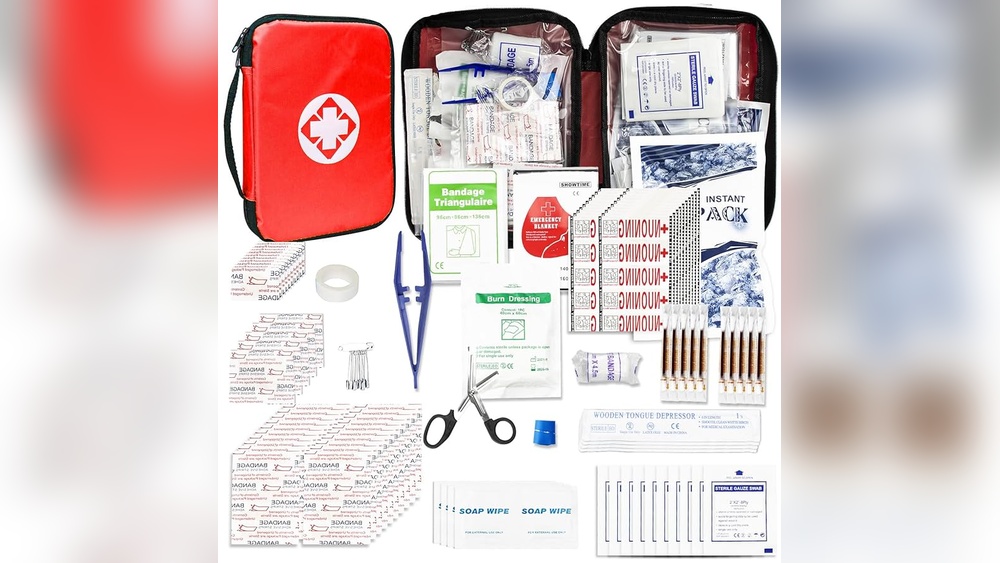
First aid items heal minor injuries quickly. Include bandages, antiseptic wipes, and adhesive tape. Keep pain relievers like ibuprofen or acetaminophen ready. Add scissors, tweezers, and disposable gloves for safety. A small first aid manual helps in emergencies. Check supplies often and replace used or expired items.
Multi-tool Recipes
Multi-tools combine many functions in one device. Look for tools with knives, pliers, and screwdrivers. Compact size makes them easy to carry and use. They fix gear, open cans, and cut ropes. Craft a multi-tool kit for your emergency bag. Choose durable tools that last through tough tasks.
Crafting Strategies
Crafting strategies help you prepare better during storm warnings. Crafting the right gear can make survival easier and safer. Planning your crafting saves time and resources. It also ensures you have essential items ready for tough situations.
Good crafting strategies focus on smart use of materials and clear priorities. Each crafted item should serve a purpose. Efficient crafting means fewer mistakes and better survival chances.
Resource Management
Keep track of all your materials. Use resources wisely to avoid running out at critical moments. Gather only what you need for essential gear first. Store extra materials safely for future crafting. Avoid wasting rare resources on less important items. Prioritize items that can be repaired or reused. Balance collecting with crafting to maintain steady progress.
Crafting Priorities
Focus first on items that protect you from storms. Craft strong shelter materials and waterproof gear early. Next, prepare tools that help gather more resources quickly. Then, create basic weapons for defense. Lastly, craft comfort items to improve your survival quality. Prioritize gear that increases your safety and mobility. Always plan crafting steps to build on earlier work.
Frequently Asked Questions
What Are The Essential Gear Recipes In Storm Warning Edition?
Essential gear recipes include crafting weapons, medical supplies, and survival tools. Focus on items like melee weapons, bandages, and traps to increase your chances of survival during storms.
How Do I Craft A Basic Weapon In Storm Warning Edition?
To craft a basic weapon, gather materials such as wood, metal scraps, and sharp objects. Use the crafting menu to combine these items into weapons like knives or clubs for protection.
Where Can I Find Rare Crafting Materials In Storm Warning Edition?
Rare materials are found in abandoned buildings, supply drops, and dangerous zones. Explore carefully, as these areas often contain valuable components for advanced gear recipes.
Can I Upgrade Gear Recipes In Storm Warning Edition?
Yes, upgrading gear recipes is possible by finding blueprints and combining higher-quality materials. Upgraded gear offers better durability and effectiveness against storm threats and enemies.
Conclusion
Surviving a storm warning needs the right gear and recipes. Prepare your supplies carefully and follow the steps. Keep essential items ready to stay safe and warm. Use easy recipes that need few ingredients and little time. Stay calm and plan ahead for any weather challenge.
Your safety depends on smart choices and quick action. Remember, simple gear and good food help you survive well. Stay alert and be ready for whatever comes next.