When temperatures drop to freezing and below, your survival depends on more than just willpower. You need the right gear to stay warm, safe, and comfortable.
Imagine being caught in a bitter cold without proper equipment—how long could you last? You’ll discover exactly what essentials you must have to survive very low temperatures. From clothing to tools, each item plays a crucial role in protecting your body and keeping you alive.
Keep reading to make sure you’re fully prepared before the cold hits.
Clothing Layers
Clothing layers are the key to staying warm in very low temperatures. Each layer has a special job. Together, they keep cold out and heat in. Wearing the right layers helps control sweat and protects from wind and water. This section breaks down the three main layers you need.
Base Layers For Moisture Control
Base layers sit closest to your skin. Their main job is to move sweat away quickly. This keeps your skin dry and warm. Choose materials like wool or synthetic fibers. Avoid cotton. It holds moisture and makes you cold. Thin base layers work well under other clothes.
Insulating Layers For Warmth
Insulating layers trap body heat to keep you warm. Fleece and down are good choices. These layers add thickness and warmth. You can add or remove them based on temperature. Make sure they fit comfortably over the base layer.
Outer Layers For Wind And Water
The outer layer shields you from wind, rain, and snow. Waterproof and windproof jackets and pants work best. Look for breathable fabrics to prevent sweat buildup. This layer blocks harsh weather while letting moisture escape. It protects all other layers underneath.
Credit: oceanservice.noaa.gov
Footwear And Socks
Proper footwear and socks are essential to survive very low temperatures. Cold feet can lead to discomfort and serious health problems. The right gear keeps your feet warm, dry, and protected from ice and snow. It also helps maintain good blood flow and prevents frostbite.
Insulated Boots
Insulated boots keep your feet warm in freezing weather. They have layers of material that trap heat inside. Look for boots with waterproof shells to keep moisture out. Thick soles protect your feet from cold ground. Boots with good grip prevent slipping on ice. Choose boots that fit well to avoid blisters and cold spots.
Thermal Socks
Thermal socks add an extra layer of warmth. Made from wool or synthetic fibers, they wick moisture away. Dry feet stay warmer than wet ones. Avoid cotton socks because they hold moisture. Wear two layers of socks for extra insulation. Change socks daily to keep feet fresh and warm.
Gaiters For Snow Protection
Gaiters cover the gap between boots and pants. They stop snow and water from entering your boots. Made from water-resistant material, gaiters protect against deep snow. They also block cold wind from reaching your skin. Gaiters help keep feet dry and warm during long treks.
Head And Hand Protection
Protecting your head and hands is vital in very low temperatures. These areas lose heat quickly and can get frostbite fast. Proper gear keeps you warm and safe. It also helps you stay comfortable during cold weather activities.
Thermal Hats And Balaclavas
Thermal hats trap heat close to your scalp. Look for hats made of wool or fleece. They block cold wind and keep warmth in. Balaclavas cover your head, neck, and face. They shield skin from icy air. Wearing one prevents frostbite on your cheeks and nose.
Insulated Gloves And Mittens
Insulated gloves keep fingers warm and flexible. Choose gloves with waterproof outer layers. Mittens are warmer than gloves because fingers share heat. Use mittens for extreme cold but gloves for tasks needing finger use. Both should fit snugly but allow movement.
Hand Warmers And Liners
Hand warmers provide extra heat inside gloves or mittens. They are small, portable, and easy to use. Liners add a soft, warm layer between skin and gloves. They wick moisture away and improve comfort. Combining liners with gloves boosts warmth effectively.
Shelter Essentials
Surviving very low temperatures means protecting your body from the cold. Shelter plays a key role in this. It keeps you safe from harsh wind, snow, and freezing air. Choosing the right shelter gear can mean the difference between comfort and danger.
Proper shelter helps retain heat and blocks cold air. It must be strong, warm, and reliable for extreme conditions. Let’s explore the essentials that make shelter effective in very cold weather.
Four-season Tents
Four-season tents are built for cold and harsh weather. They use stronger poles and thicker fabric. These tents resist heavy snow and strong winds. Their design minimizes heat loss and keeps you warmer. Ventilation options prevent frost inside the tent. A good four-season tent offers a safe, warm space in freezing conditions.
Sleeping Bags Rated For Extreme Cold
Sleeping bags for extreme cold have extra insulation. They use materials like down or synthetic fibers to trap heat. Look for bags with temperature ratings below the lowest expected temperature. Mummy-shaped bags fit closer to your body and reduce heat loss. A well-chosen sleeping bag keeps your core warm all night.
Sleeping Pads For Insulation
Sleeping pads create a barrier between you and the cold ground. They prevent heat loss through conduction. Foam or inflatable pads with high R-values offer better insulation. Using two pads can increase warmth. A good sleeping pad improves comfort and protects against frostbite from cold surfaces.
Heating And Cooking Gear
Heating and cooking gear is essential for survival in very low temperatures. It helps keep your body warm and prepares food safely. Choosing the right gear can make a big difference in cold weather conditions.
Portable Stoves For Cold Weather
Portable stoves must work well in freezing temperatures. Many stoves struggle in the cold because fuel does not burn easily. Look for stoves designed for winter use. They should light quickly and keep steady heat. Small and lightweight models are best for carrying on long trips.
Fuel Types Suitable For Low Temperatures
Some fuels perform better in cold weather. Liquid fuel like white gas stays liquid in freezing weather. It burns hot and is easy to control. Canister fuels may not work well when very cold. Carry extra fuel to avoid running out. Always check fuel type before your trip.
Heat Packs And Fire Starting Tools
Heat packs provide quick warmth without fire. They are easy to carry and use. Fire starters like waterproof matches and lighters are vital. Always carry multiple ways to start a fire. Fire helps dry clothes and melt snow for water. Prepare your gear before facing cold weather.
Navigation And Safety Tools
In very low temperatures, navigation and safety tools are essential. Cold weather can make it hard to find your way. These tools help you stay on track and safe. They also provide help in emergencies. Choosing the right gear can save your life.
Gps Devices And Compasses
GPS devices show your exact location. They work well even in snowy or foggy weather. Choose a GPS with long battery life. Carry extra batteries to avoid power loss. A compass is a simple, reliable backup. It helps you find direction if electronics fail. Learn how to use both before heading out.
Emergency Beacons
Emergency beacons send your location to rescuers. Activate them if you get lost or hurt. Some beacons use satellites for global coverage. They work even in remote areas. Carry a beacon that is easy to use. Check its battery and signal before every trip.
First Aid Kits For Cold Injuries
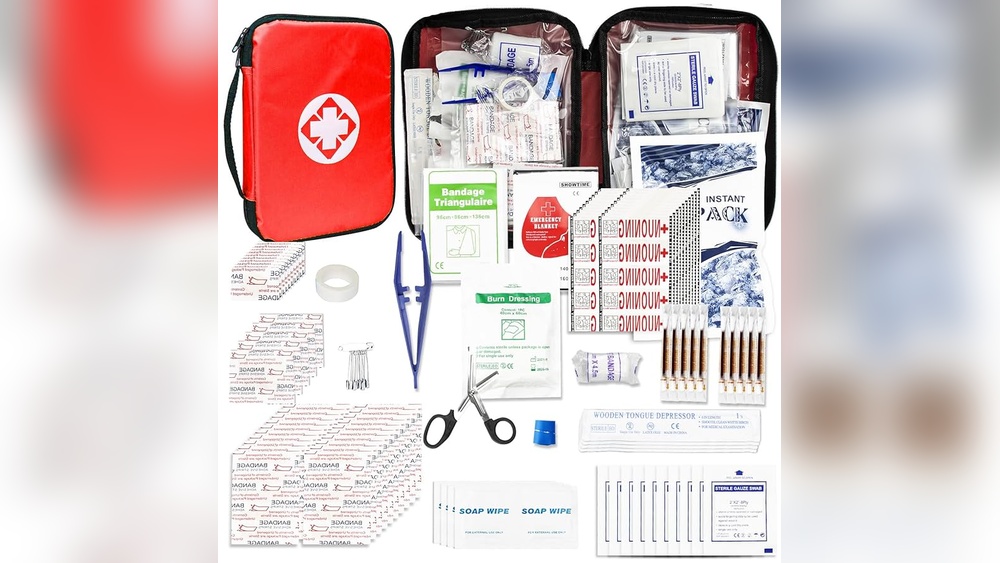
Cold weather causes unique injuries like frostbite and hypothermia. A first aid kit must include supplies for these. Pack warm packs, bandages, and skin protectors. Learn basic cold injury treatment. Quick care reduces damage and speeds recovery. Keep your kit dry and easy to reach.
Hydration And Nutrition
Staying hydrated and well-nourished is vital in very low temperatures. Cold weather can make you lose water faster. Your body needs fuel to keep warm and strong. Choosing the right gear for hydration and nutrition helps you survive harsh cold.
Insulated Water Bottles
Insulated water bottles keep your drinks from freezing. They use thick walls and special materials. These bottles keep water warm for hours. Avoid plastic bottles that freeze quickly. Metal or double-walled bottles work best. Carry enough water to prevent dehydration.
High-calorie Foods
Your body burns more energy in the cold. Eat foods with high calories to stay fueled. Nuts, chocolate, and energy bars are good choices. Dried fruits provide quick energy and nutrients. Choose foods that are easy to carry and eat. Avoid heavy meals that slow you down.
Methods To Prevent Freezing
Keep liquids and food from freezing during cold days. Store bottles inside your jacket or sleeping bag. Use insulated sleeves or covers for bottles. Warm food before eating to improve digestion. Avoid leaving supplies outside in freezing air. Small heat packs can help keep items warm.

Credit: www.walmart.com
Additional Survival Accessories
Surviving in very low temperatures requires more than just warm clothes. Extra tools and accessories help keep you safe and comfortable. These items protect your eyes, fix gear, and keep you connected. They prepare you for unexpected problems in harsh cold.
Sunglasses And Goggles
Snow and ice reflect sunlight strongly. Sunglasses reduce glare and protect your eyes. Goggles shield your eyes from wind and snow. They prevent frostbite and dry eyes. Choose lenses that block UV rays and fit well. Clear vision helps you move safely and avoid accidents.
Multi-tools And Repair Kits
Cold weather can break equipment quickly. Multi-tools have knives, pliers, and screwdrivers in one device. They fix gear or cut materials fast. Repair kits with tape, patches, and needles fix clothes and tents. Carry these to solve small problems before they get worse. They save time and keep you prepared.
Communication Devices
Staying connected is crucial in cold areas. Phones may lose signal or battery fast in cold. Radios or satellite phones work in remote places. They help call for help if needed. Carry extra batteries or power banks. Communication tools increase safety and peace of mind.

Credit: www.heatholders.com
Frequently Asked Questions
What Clothing Is Essential For Extreme Cold Survival?
Layered clothing, including thermal base layers, insulated mid-layers, and waterproof outer shells, is crucial. Proper gloves, hats, and insulated boots protect extremities from frostbite. Quality gear retains heat and wicks moisture, ensuring comfort and safety in very low temperatures.
How Do You Choose The Right Sleeping Bag For Cold?
Select a sleeping bag rated for temperatures below your environment. Look for down or synthetic insulation with a mummy shape for heat retention. A good sleeping pad adds insulation from the cold ground, improving warmth during outdoor survival.
What Type Of Shelter Works Best In Freezing Conditions?
Insulated tents or snow shelters like igloos provide effective protection. They reduce wind exposure and retain body heat. Portable shelters with thermal linings or windproof fabrics enhance survival chances in subzero temperatures.
Which Gear Helps Prevent Frostbite In Extreme Cold?
Quality insulated gloves, thermal socks, and windproof outerwear are vital. Use hand and foot warmers for extra heat. Keeping skin covered and dry prevents frostbite and maintains circulation in harsh cold environments.
Conclusion
Staying safe in very low temperatures needs the right gear. Warm clothing, good boots, and proper shelter keep you protected. Don’t forget gloves, hats, and layers to stay cozy. Always choose gear designed for cold weather. Prepare well to avoid serious health risks.
Cold weather survival depends on smart choices. Take care of yourself with the right equipment. Ready gear makes cold days easier to handle. Stay warm, stay safe.