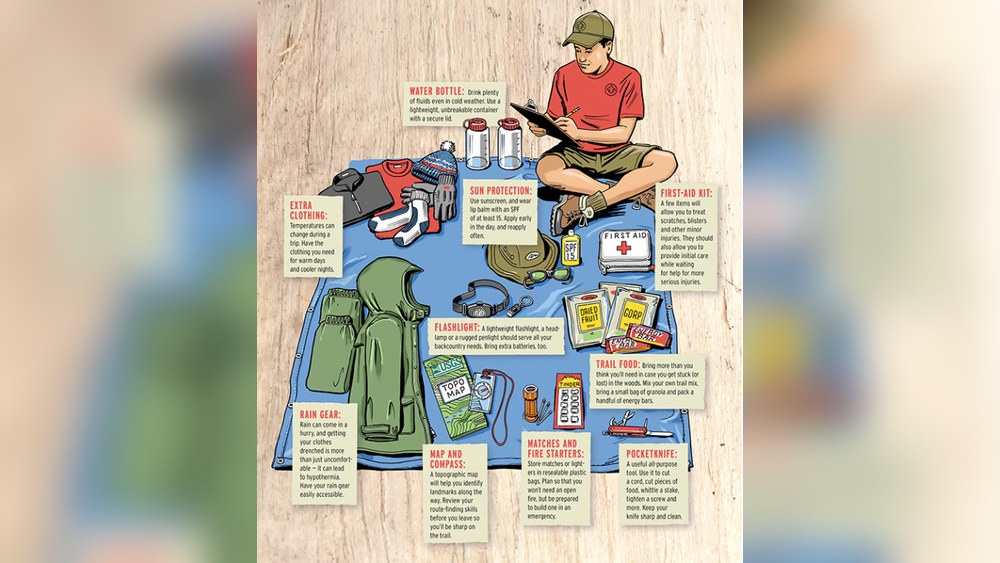
When you’re out in the wild, your safety and comfort depend on the gear you carry. Imagine facing unexpected weather, finding food, or making a shelter without the right tools.
That’s why having the must-have wilderness survival gear is not just smart—it’s essential. You’ll discover the key items that can make the difference between a tough day and a safe, successful adventure. Keep reading, because your next trip could depend on what you pack today.
Survival Knives And Multi-tools
Survival knives and multi-tools are crucial for any wilderness adventure. They help with many tasks like cutting, fixing, and building. These tools can make your outdoor experience safer and easier. Choosing the right gear can save time and effort in tough situations. Knowing what to look for helps you pick the best knife and multi-tool for your needs.
Choosing The Right Knife
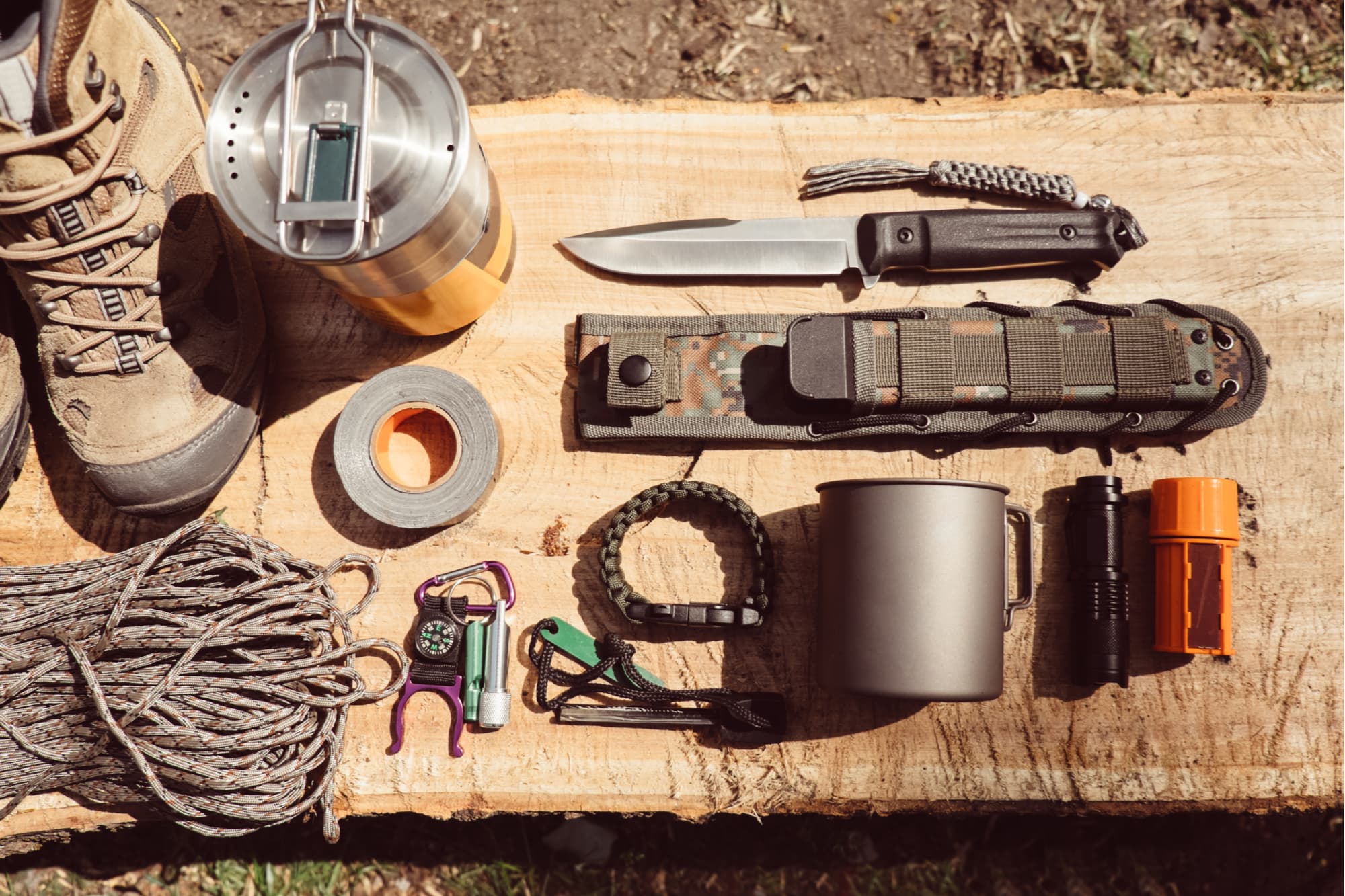
A good survival knife should be strong and sharp. Look for knives made with high-quality steel. The blade should hold its edge and resist rust. A fixed blade is better than a folding one for heavy tasks. The handle must feel comfortable and provide a good grip. Size matters. A blade around 4 to 6 inches works well for most jobs.
Think about what you will use the knife for. Cutting wood, preparing food, or self-defense. A full tang knife is more durable. This means the blade runs through the handle. Avoid knives with weak points or poor construction. Test the balance and weight before buying. A well-balanced knife feels easy to control.
Essential Functions Of Multi-tools
Multi-tools combine many tools in one compact device. Common tools include pliers, screwdrivers, and scissors. They are perfect for quick fixes and small tasks. Choose a multi-tool with strong locking mechanisms. This keeps the tools safe and stable during use.
Look for tools you often need outdoors. Wire cutters, can openers, and saw blades are useful. A good multi-tool fits comfortably in your hand. It should be lightweight and easy to carry. Check that each tool opens smoothly and locks firmly. Avoid multi-tools with too many tiny parts that break easily.
Fire Starters And Ignition Tools
Fire starters and ignition tools are essential for wilderness survival. They help create fire quickly and safely. Fire provides warmth, cooks food, and signals for help. Carrying reliable fire starters increases your chances of staying safe outdoors.
Matches, Lighters, And Flint
Matches are simple and easy to use. Waterproof matches last longer in wet conditions. Keep them in a dry container to avoid damage.
Lighters are compact and reusable. A good lighter works well even in windy weather. Carry extra fuel or backup lighters for safety.
Flint is a traditional tool that sparks fire. It works by striking steel against the stone. Flint lasts a long time and works without fuel.
Fire-making Techniques
Start with dry tinder like leaves or small twigs. Arrange kindling carefully to allow air flow. Use sparks or flame to ignite tinder gently.
Practice different methods such as the teepee or lean-to fire. Build fires in safe, clear areas. Always watch the fire and extinguish it fully before leaving.
Shelter And Sleeping Gear
Shelter and sleeping gear are vital for survival in the wilderness. They protect you from weather, insects, and cold nights. Good shelter keeps you safe and comfortable. Sleeping gear helps your body rest and recover. Without proper gear, survival becomes much harder.
Tents And Tarps
Tents provide sturdy protection against wind and rain. They come in many sizes and weights. Choose a tent that suits your trip length and group size. Lightweight tents are easy to carry on long hikes. Tarps offer flexible shelter options. They are lighter and can be set up fast. Use tarps with ropes and stakes to make a simple shelter. Both tents and tarps block rain and wind effectively.
Sleeping Bags And Pads
Sleeping bags keep your body warm during cold nights. Pick a sleeping bag rated for the lowest temperature you expect. Down bags are light and warm but costly. Synthetic bags work well in wet conditions. Sleeping pads add comfort and insulation. They protect you from cold, hard ground. Foam pads are durable and inexpensive. Inflatable pads are compact and comfy. Together, sleeping bags and pads improve sleep quality and energy for the next day.
Credit: www.fall-line.co.uk
Navigation Devices
Navigation devices are essential for staying safe in the wilderness. They help you find your way and avoid getting lost. Choosing the right tools can make your outdoor adventure easier and more enjoyable.
Compasses And Maps
Compasses are simple, reliable tools that show direction. They do not need batteries and work in all weather. Pair a compass with a detailed map of the area. Maps show trails, landmarks, and terrain features. Learning to read maps and use a compass is a key survival skill. These tools help you plan routes and track your location. They work well in remote places without cell signals.
Gps Units And Apps
GPS units use satellites to give exact location data. Many devices have built-in maps and track your route. Some GPS units are rugged and waterproof for tough outdoor use. Smartphone apps offer GPS functions too, but need charged batteries. Save maps offline to use apps without internet. GPS tools provide quick, accurate navigation support. They are helpful for hikers and campers exploring unknown areas.
Water Purification Tools
Water is the most important resource in the wilderness. Safe drinking water prevents sickness and keeps energy up. Carrying water purification tools is essential for any outdoor adventure. These tools help remove harmful germs and particles from natural water sources. Choose the right tool based on your trip length and water availability.
Filters And Purifiers
Water filters remove dirt, bacteria, and protozoa from water. They work by pushing water through tiny pores that trap harmful particles. Filters are lightweight and easy to use. Some models also remove viruses, but most do not.
Purifiers kill viruses and bacteria using special technology. They often use UV light or chemical processes. Purifiers are ideal for areas with virus risks, like tropical regions. Both filters and purifiers need regular cleaning to work well.
Chemical Treatment Options
Chemical treatments kill germs in water using tablets or drops. Common chemicals include iodine and chlorine dioxide. These are small and light, perfect for emergency kits.
Chemical treatments take time to work, usually 30 minutes or more. They may change water taste slightly. Always follow instructions to ensure water safety. Chemical options are good backups for filters and purifiers.
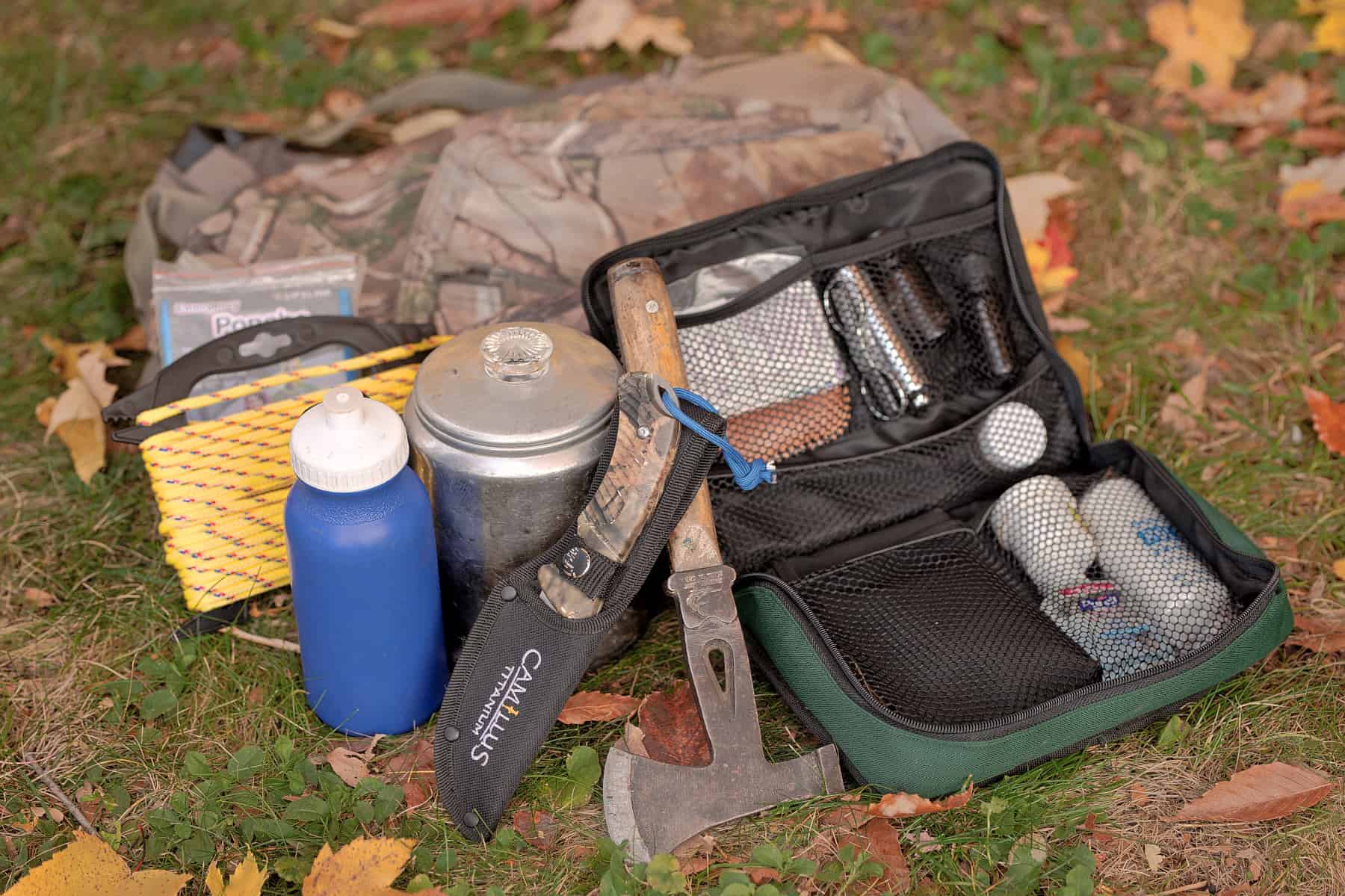
Credit: coconutjacks.com
First Aid Kits And Medical Supplies
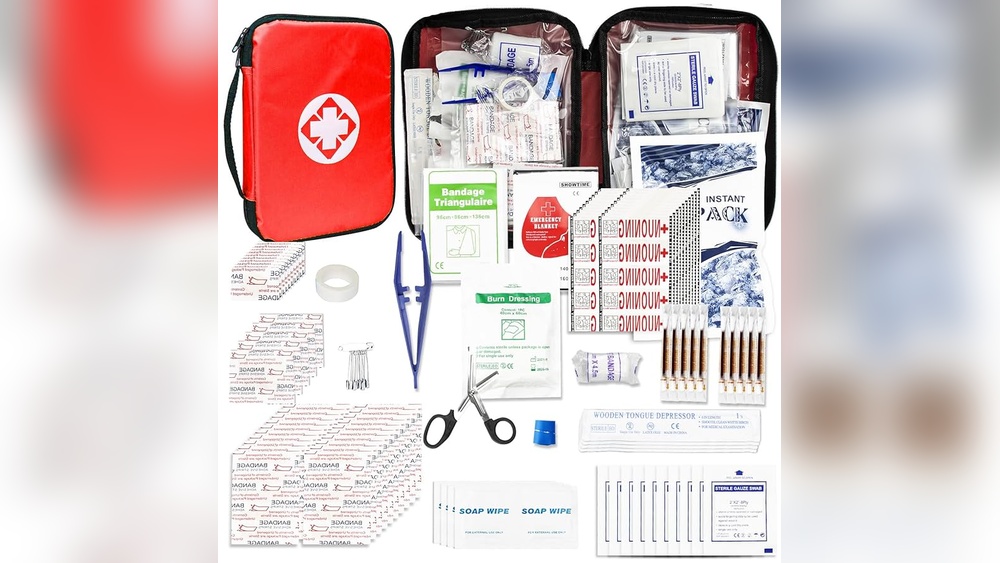
First aid kits and medical supplies are essential for wilderness survival. Injuries can happen anytime outdoors. Having the right medical tools saves lives and prevents small wounds from becoming serious. A well-stocked first aid kit is a must for every adventurer. It helps you treat cuts, burns, insect bites, and other common injuries. Medical supplies also prepare you for emergencies beyond basic care.
Basic First Aid Items
Basic first aid items include bandages, antiseptic wipes, and adhesive tape. These items help clean and cover wounds to stop bleeding. Sterile gauze pads and cotton balls protect injuries from infection. Tweezers remove splinters or debris from the skin. Pain relievers like ibuprofen or acetaminophen reduce discomfort. Antihistamines help with allergic reactions. A CPR mask offers protection during resuscitation. These essentials fit easily into a small kit.
Specialized Survival Medical Gear
Specialized survival medical gear goes beyond basic care. A tourniquet controls severe bleeding from deep cuts. An emergency blanket prevents heat loss in shock or cold weather. A suture kit allows you to close deep wounds if no doctor is nearby. Snake bite kits neutralize venom from bites. Water purification tablets prevent infections from contaminated water. Medical scissors cut clothing or bandages quickly. Carrying this gear prepares you for serious injuries and emergencies.
Clothing And Protection
Clothing and protection are vital parts of wilderness survival gear. Proper clothes keep you safe and comfortable in tough outdoor conditions. They shield your body from cold, heat, bugs, and the sun. Choosing the right apparel can make a big difference.
Weather-appropriate Apparel
Wear clothes that match the weather outside. In cold areas, layers help trap heat. Start with a moisture-wicking base layer. Add an insulating middle layer. Finish with a waterproof outer layer to block wind and rain.
In hot weather, select light, breathable fabrics. Loose clothes allow air to flow and cool your skin. Avoid cotton as it holds sweat and dries slowly. Quick-dry materials reduce chafing and keep you dry.
Insect And Sun Protection
Bugs can bite and cause illness. Wear long sleeves and pants to cover your skin. Use insect repellent on exposed areas. Hats with wide brims help keep insects away from your face.
Sun protection prevents burns and skin damage. Choose clothes with a tight weave or UV protection. Sunglasses shield your eyes from harmful rays. Apply sunscreen on any skin not covered by clothing.
Food Storage And Preparation
Food storage and preparation are essential parts of surviving in the wilderness. Having the right gear ensures your meals are safe and easy to make. Proper tools help keep food fresh and protect it from animals. Cooking equipment must be light and simple to use. Safe storage stops food from spoiling or attracting wildlife. Both aspects keep your energy up and your camp safe.
Portable Cooking Equipment
Choose cooking gear that is small and easy to carry. Compact stoves and lightweight pots work best. Look for fuel-efficient models that heat quickly. A simple stove and pot can cook most meals. Avoid heavy or bulky items that slow you down. A good cooking set saves time and effort outdoors. It also helps you enjoy warm, nutritious food every day.
Safe Food Storage Solutions
Store food in containers that keep moisture and pests out. Use airtight bags or hard plastic boxes with tight lids. Hanging food bags high in trees prevents animal access. Bear-proof containers are a smart choice in many areas. Keep food separate from your sleeping area. Proper storage stops bad smells and avoids wildlife visits. Safe food means a safer and more comfortable trip.
Lighting And Signal Devices
Lighting and signal devices are crucial for safety in the wild. They help you see in the dark and call for help when needed. These tools increase your chances of survival by making you visible and alerting others to your location.
Flashlights And Headlamps
Flashlights provide bright, focused light. They are easy to carry and use. Headlamps free your hands for other tasks. Both are essential for night navigation and camp setup. Choose models with long battery life and durable construction. Waterproof flashlights and headlamps work best outdoors.
Whistles And Signal Mirrors
Whistles produce loud sounds to attract attention. They are small and light to carry. Signal mirrors reflect sunlight to send visual signals. They can be seen from far away. Both tools help rescuers find you quickly. Keep them in an easy-to-reach spot in your pack.
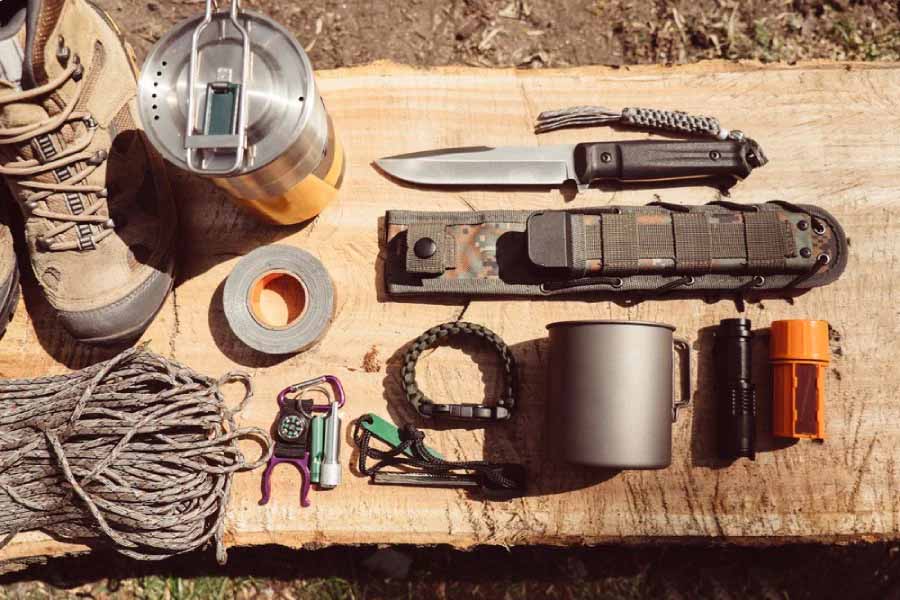
Credit: hltactical.com
Backpacks And Carrying Solutions
Backpacks and carrying solutions are essential for wilderness survival. They help carry gear safely and keep hands free. Choosing the right backpack can make a big difference during outdoor adventures. Organizing gear inside the pack ensures quick access to important tools. These factors improve comfort and efficiency in the wild.
Choosing The Right Backpack
Select a backpack with enough space for all your survival gear. Look for durable materials that resist tears and water. Comfortable shoulder straps reduce fatigue on long hikes. A backpack with multiple compartments helps keep items separated. Consider a size that balances capacity and weight.
Organizing Survival Gear
Use small bags or pouches to group similar items together. Keep essential tools like knives and first aid kits in easy-to-reach pockets. Store food and water supplies in separate compartments to avoid spills. Label bags clearly to find items quickly. Proper organization saves time and reduces stress outdoors.
Frequently Asked Questions
What Are The Essential Wilderness Survival Gear Items?
Essential gear includes a reliable knife, fire starter, water filter, emergency shelter, first aid kit, and navigation tools. These items help ensure safety, hydration, warmth, and orientation in the wild.
How To Choose The Best Survival Knife For Wilderness?
Choose a fixed-blade knife with a full tang for strength. Look for corrosion resistance and a comfortable grip. A versatile, durable knife is crucial for cutting, food prep, and self-defense.
Why Is A Fire Starter Important In Survival Gear?
Fire starters provide a reliable way to create fire in wet or windy conditions. Fire is vital for warmth, cooking, and signaling rescuers. It boosts survival chances significantly.
What Type Of Water Filter Suits Wilderness Survival?
Portable water filters with hollow fiber or activated carbon technology are best. They remove bacteria, protozoa, and sediments. Lightweight and easy to use, they ensure safe drinking water.
Conclusion
Having the right wilderness survival gear can save your life. Basic tools like a knife, fire starter, and water filter are essential. Always carry a reliable map and compass for navigation. Dress in layers to stay warm and dry. Pack light but smart to avoid extra weight.
Practice using your gear before heading outdoors. Being prepared helps you stay safe and confident. Remember, simple gear can make a big difference. Stay ready and enjoy your adventure with peace of mind.