When an emergency strikes, the last thing you want to worry about is what to eat. Having the right food on hand can make a huge difference in staying strong and calm.
But how do you know what food to choose? You need options that last long, give you energy, and keep you healthy when help might not be right around the corner. You’ll discover exactly what foods you should have ready for any emergency.
By the end, you’ll feel confident and prepared to face whatever comes your way. Keep reading to find out how to stock your emergency food supply the smart way.

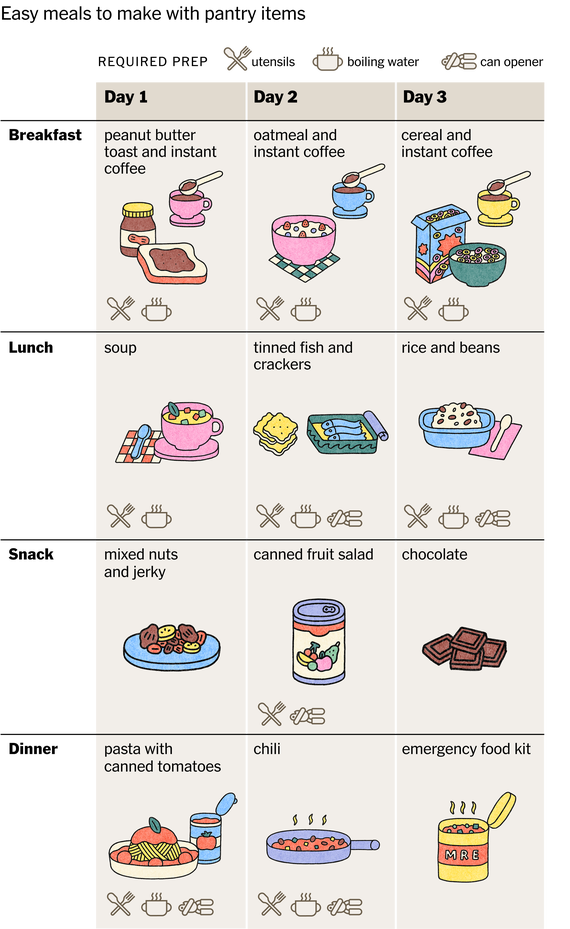
Credit: www.nytimes.com
Key Criteria For Emergency Food
Choosing the right food for emergencies involves more than just picking tasty items. The food must meet specific standards to ensure safety, nutrition, and convenience. These key criteria help you prepare effectively for unexpected situations. Understanding these factors guides you to select the best emergency food supplies.
Shelf Life And Durability
Long shelf life is essential for emergency food. It must stay safe and edible for months or years. Durable packaging protects food from moisture, pests, and damage. Look for sealed cans, vacuum packs, or freeze-dried options. These types of food resist spoilage and maintain quality over time.
Nutritional Value
Emergency food must provide enough energy and nutrients. Balanced meals with protein, carbohydrates, fats, vitamins, and minerals are vital. Avoid foods high in sugar or empty calories. Proper nutrition supports health and strength during stressful times. Choose items that keep you full and energized.
Portability And Storage
Food should be easy to carry and store in small spaces. Lightweight and compact packaging saves room in bags or containers. Consider stackable or flat packages to maximize space. Food that does not require refrigeration is best for emergencies. This feature helps keep supplies safe without electricity.
Ease Of Preparation
Simple preparation is crucial when resources are limited. Foods that need little or no cooking save time and fuel. Ready-to-eat meals, canned goods, and dehydrated items work well. Choose options that require only water or can be eaten cold. This reduces stress and effort during emergencies.
Credit: www.goodhousekeeping.com
Top Non-perishable Foods
Having the right non-perishable foods on hand can make a huge difference during an emergency. These foods stay good for months or even years without refrigeration, making them reliable when fresh food isn’t available. Choosing items that are easy to store, prepare, and eat can help you stay nourished and energized through tough times.
Canned Proteins
Canned proteins like tuna, chicken, and salmon are excellent choices. They provide essential nutrients and don’t require cooking—just open and eat. Plus, canned beans offer a vegetarian protein option that also adds fiber.
Look for cans with easy-open lids to avoid needing extra tools. You might want to keep a variety so you don’t get bored eating the same thing repeatedly.
Dry Grains And Legumes
Rice, pasta, and lentils last a long time and are filling staples. They’re affordable and can be cooked in bulk, giving you multiple meals from one batch. Lentils, in particular, cook faster than other legumes and offer a great protein boost.
Think about how you’ll cook these if power is out—maybe a camping stove or solar cooker. Having grains and legumes means you can mix and match meals easily.
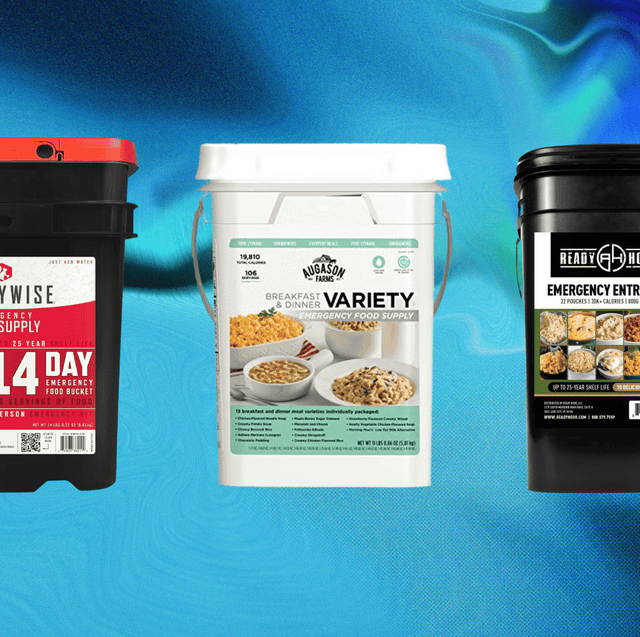
Freeze-dried Meals
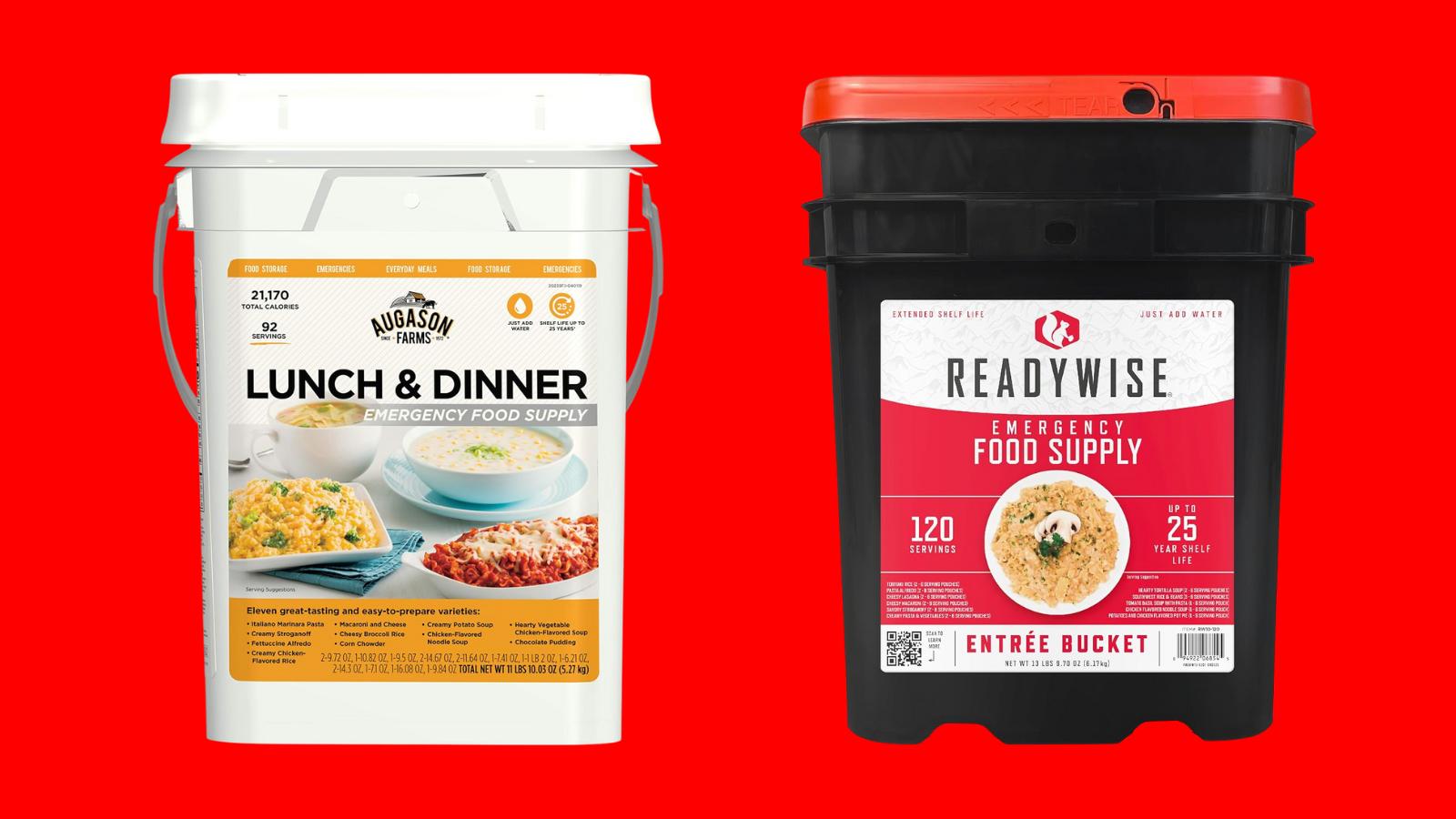
Freeze-dried meals are lightweight and have a shelf life of several years. They only need hot water to prepare, making them perfect if you have limited cooking tools. These meals come in many varieties, from pasta to stews to breakfast options.
They might seem pricey, but their convenience pays off during emergencies. Have you tried one? You might be surprised how tasty they can be.
Nut Butters And Seeds
Nut butters like peanut or almond butter are calorie-dense and provide healthy fats and protein. Seeds such as sunflower or pumpkin seeds add crunch and nutrition to your meals or snacks. Both store well at room temperature and require no prep.
Keep these handy for quick energy boosts when you need them most. What’s your favorite nut butter to grab when you’re on the go?
Best Energy-rich Snacks
Choosing the right snacks for an emergency can make a big difference in keeping your energy levels steady. Energy-rich snacks provide quick fuel without needing preparation, which is crucial when time and resources are limited. Let’s look at some tasty options that pack a punch and fit perfectly into your emergency kit.
Energy Bars And Trail Mix
Energy bars are a top choice because they combine carbs, proteins, and fats in a compact form. Look for bars with natural ingredients like nuts, oats, and dried fruits for lasting energy. Trail mix is another great snack, offering a mix of nuts, seeds, and dried fruits that keep hunger at bay.
When you’re on the go or dealing with stress, these snacks deliver quick nourishment. I once relied on a trail mix during a long power outage, and the variety of textures kept me satisfied and energized.
Dried Fruits
Dried fruits like apricots, raisins, and mangoes are rich in natural sugars and fiber, which can provide a quick energy boost. They are lightweight, easy to store, and have a long shelf life, making them ideal for emergencies. Keep them in small portions to avoid a sugar crash.
Have you ever noticed how a handful of dried fruit can instantly lift your mood and energy during a tough day? That’s the kind of quick pick-me-up you want handy when situations get tough.
Chocolate And Candy
Chocolate and candy might seem like treats, but they can be valuable emergency snacks. The sugar in these sweets offers rapid energy, while dark chocolate adds antioxidants that support your body under stress. Choose individually wrapped pieces to keep them fresh and easy to share.
Remember, while these snacks provide quick energy, balancing them with protein and fiber is key to avoid energy dips. Have you ever felt the sudden crash after eating candy alone? That’s why pairing these with nuts or bars works best.
Hydration Essentials
In an emergency, ensuring you have adequate hydration resources is critical. Water is the most crucial element for survival, and having a well-thought-out hydration plan can make a significant difference. Let’s dive into some essential strategies for managing your water needs during a crisis.
Water Storage Options
Storing water effectively is your first line of defense. Consider using large, food-grade water containers that are specifically designed for long-term storage. These containers are often durable and can hold several gallons of water, making them ideal for emergencies.
Another practical option is to use smaller, portable containers. These are great if you need to be mobile, allowing you to carry water easily. Be sure to clean and sanitize these containers regularly to avoid contamination.
- Large, durable containers for home storage
- Portable containers for mobility
Water Purification Methods
Even if you have water stored, purification is key to ensuring it’s safe to drink. Boiling is a simple yet effective way to kill pathogens. Make sure the water comes to a rolling boil for at least one minute.
Consider investing in water purification tablets. These are compact, easy to use, and can treat several gallons of water. They are a great backup if boiling isn’t feasible.
- Boiling water to kill pathogens
- Using purification tablets
Electrolyte Solutions
Maintaining electrolyte balance is vital, especially in hot conditions or if you’re exerting yourself. Pre-packaged electrolyte powders can be a convenient addition to your emergency kit. They are easy to mix with water and help replenish lost minerals.
You can also make a simple homemade solution using sugar, salt, and water. This can be a lifesaver if store-bought options are not available. Remember, keeping your body’s hydration and electrolyte levels balanced can help you stay strong and clear-headed in a crisis.
- Pre-packaged electrolyte powders
- Homemade sugar and salt solution
Thinking ahead about your hydration needs can give you peace of mind. What steps can you take today to ensure you and your loved ones stay hydrated during an emergency?
Special Diet Considerations
Planning emergency food supplies means thinking beyond just calories and shelf life. Your special dietary needs must shape what you pack. This ensures you stay healthy and safe even when resources are limited.
Allergies And Intolerances
If you have food allergies or intolerances, avoiding triggers is not optional—it’s essential. Pack clearly labeled foods free from allergens like nuts, gluten, or dairy. Look for hypoallergenic options such as rice crackers or canned meats without additives.
Also, include alternatives like lactose-free milk powder or gluten-free grains. Have a stash of allergy medication or an EpiPen nearby. Imagine being in an emergency without safe food—would you risk eating something uncertain?
Vegetarian And Vegan Options
Vegetarians and vegans often face challenges in emergencies due to limited protein sources. Stock up on plant-based proteins like canned beans, lentils, and nut butters. Freeze-dried vegetables and fortified cereals also add essential nutrients.
Don’t forget vitamin B12 supplements or fortified foods, which are crucial for vegans. Consider ready-to-eat options that don’t require cooking, such as dehydrated tofu or vegan protein bars. How would you maintain your diet if fresh produce isn’t available?
Diabetic-friendly Foods
Managing blood sugar during an emergency is critical. Choose low-glycemic foods like whole grain crackers, nuts, and seeds to help keep glucose levels steady. Avoid sugary snacks that cause spikes and crashes.
Include easy-to-measure portions of protein and fiber to slow digestion. Pack glucose tablets or fast-acting carbs for emergencies. Do you have a plan to monitor and control your blood sugar if your routine is disrupted?
Packing And Rotating Your Supplies
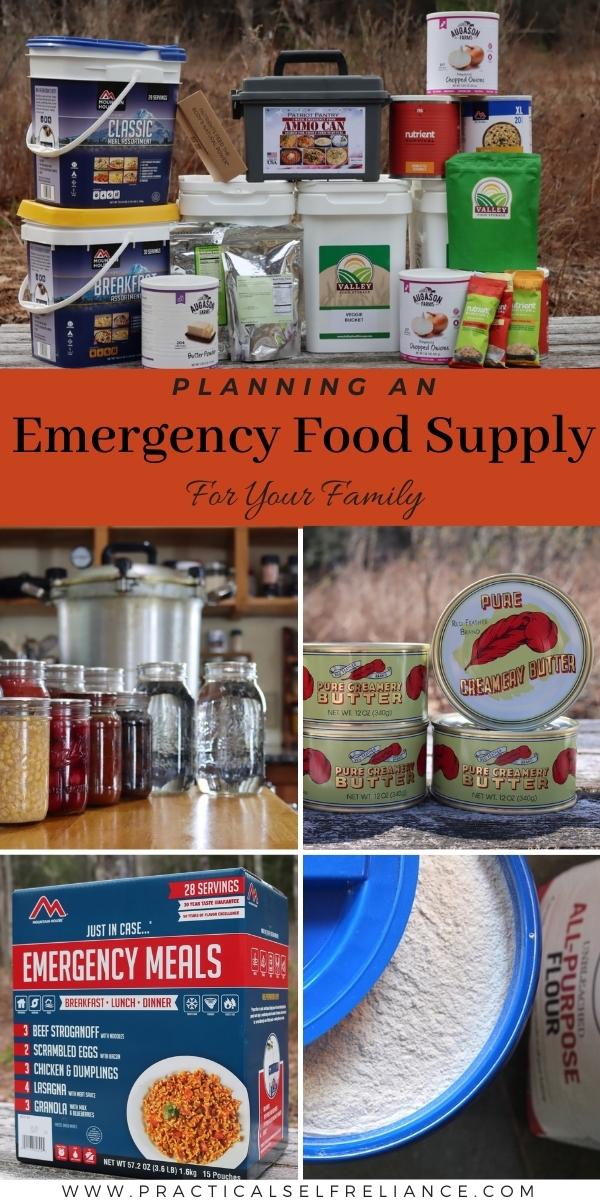
Packing and rotating your emergency food supplies is more than just storing cans on a shelf. It’s about creating a system that ensures your food is always fresh, accessible, and ready when you need it most. A well-organized kit saves time and reduces stress during emergencies.
Organizing Your Emergency Food Kit
Start by grouping foods based on type and shelf life. Keep canned goods together, dry foods like rice and beans in another spot, and snacks in a separate section. Use clear bins or labeled containers to quickly find what you need without digging through everything.
Think about how you’ll access your supplies. Place frequently used items near the front and heavier items at the bottom. This simple setup helps you avoid accidents and makes meal preparation smoother during a crisis.
Monitoring Expiration Dates
Expiration dates matter more than you might think. Even if canned food looks fine, it can lose nutritional value or spoil over time. Make a habit of checking these dates every few months.
Keep a log or calendar reminder to track when items will expire. This way, you won’t be caught off guard by outdated food in an emergency. Have you ever opened a can only to find it spoiled? Avoid that frustration by staying on top of your supplies.
Regularly Updating Supplies
Rotating your emergency food means using older items first and replacing them with fresh ones. This prevents waste and keeps your stock ready. Try to include a variety of foods to maintain balanced nutrition in your kit.
Set a schedule, like every six months, to review and update your supplies. When you use items from your kit for everyday meals, replace them immediately. This practice keeps your emergency food fresh and reliable, so you’re always prepared.
Credit: practicalselfreliance.com
Frequently Asked Questions
What Are The Best Emergency Food Options?
The best emergency foods are non-perishable, nutrient-dense, and easy to prepare. Choose canned goods, dried fruits, nuts, and energy bars. These foods have a long shelf life and provide essential calories and nutrients during emergencies.
How Much Emergency Food Should I Store Per Person?
Store at least a three-day supply of food per person. Each person needs around 2,000 calories daily. Consider family size, dietary needs, and storage space when stocking emergency food supplies.
Can I Use Fresh Food For Emergencies?
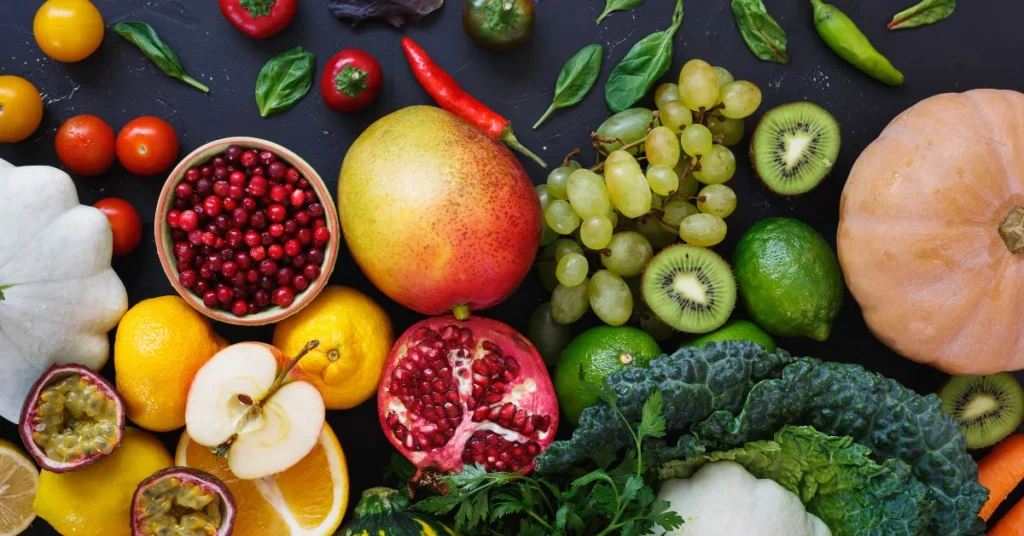
Fresh food is not ideal for emergencies due to spoilage. Instead, opt for canned, dried, and freeze-dried foods. These options last longer and ensure you have reliable nutrition when fresh food isn’t available.
What Foods Provide Long-lasting Energy In Emergencies?
Foods rich in complex carbohydrates and healthy fats provide lasting energy. Examples include nuts, peanut butter, granola bars, and whole-grain crackers. These foods help maintain energy levels during stressful emergency situations.
Conclusion
Choosing the right food for emergencies saves time and stress. Keep items that last long and need no cooking. Think about nutrition and ease of use. Water is just as important as food. Store enough for everyone in your group.
Rotate supplies to keep them fresh. Planning ahead helps you stay safe and healthy. Simple choices make a big difference during tough times. Start small, and build your emergency food kit today.