When disaster strikes, having the right food stored can make all the difference for you and your family. But how do you choose the best food for emergency storage?
You want options that last long, stay nutritious, and are easy to prepare when power and water might be limited. You’ll discover which foods are must-haves to keep your emergency supplies smart, safe, and ready to fuel you through any crisis.
Keep reading to make sure your emergency food stash truly supports your survival and peace of mind.

Credit: www.goodhousekeeping.com
Criteria For Emergency Food
Choosing the right food for emergency storage isn’t just about picking what tastes good or what you like to eat. It’s about selecting items that will last, nourish, and keep you going when you need them most. Your emergency food should meet specific criteria to ensure it’s practical, reliable, and effective in tough situations.
Shelf Life And Durability
Food with a long shelf life is essential for emergency storage. You want items that won’t spoil quickly or lose their quality over time. Think canned goods, freeze-dried meals, or vacuum-sealed products—they can often last years without refrigeration.
Durability matters too. Packaging should protect food from moisture, pests, and air. Have you ever opened a stored item only to find it ruined? That’s what you want to avoid. Strong packaging keeps your food safe and ready to eat whenever you need it.
Nutritional Value
Food stored for emergencies must provide balanced nutrition. It’s easy to forget that calories alone won’t keep you healthy. Your body needs protein, fats, vitamins, and minerals to stay strong and alert.
Consider adding canned beans or nuts for protein, dried fruits for vitamins, and whole grains for energy. Think about how your food choices support your body during stress. Would you prefer empty calories or something that fuels recovery and strength?
Caloric Density
When space and weight are limited, caloric density becomes crucial. You want foods that pack a lot of energy in a small package. Peanut butter, nuts, and energy bars are excellent examples—they deliver a high number of calories without taking up much room.
High-calorie foods help you maintain your energy levels when physical activity increases or food supply is scarce. Have you ever felt drained after a long day with little to eat? Caloric density can prevent that feeling during emergencies.
Ease Of Preparation
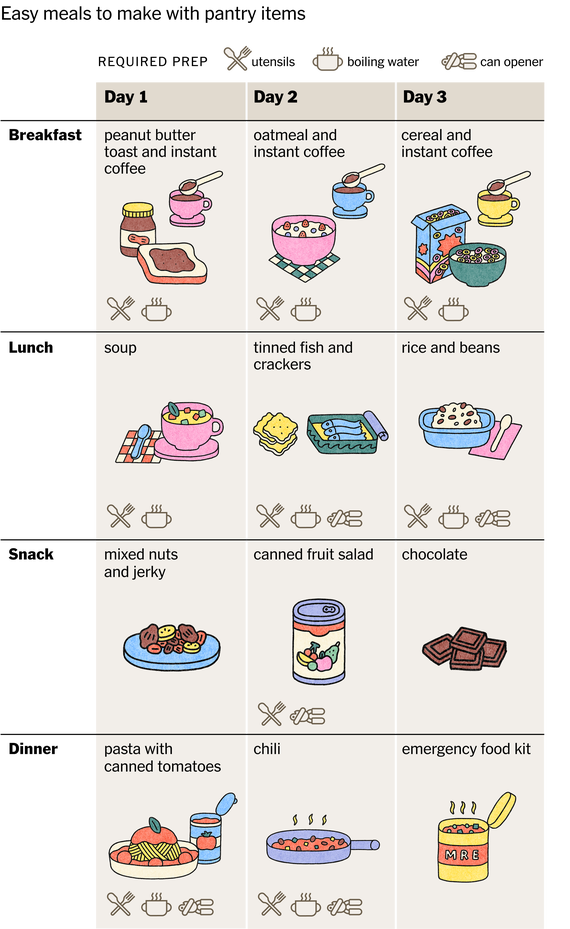
In an emergency, time and resources for cooking may be limited. Foods that require little or no preparation can make a huge difference. Ready-to-eat meals, dehydrated soups that only need hot water, or canned goods are practical choices.
Consider if you’ll have access to fuel, water, or kitchen tools. Can you open the package easily? Simple preparation means you can focus on what matters most, rather than spending precious time cooking complex meals.
Top Grains And Legumes
Grains and legumes are essential for emergency food storage. They last long and provide good nutrition. These foods offer energy, protein, and fiber. They are easy to store and prepare. Choosing the right grains and legumes can keep you healthy during tough times.
Rice And Quinoa
Rice is a staple grain that stores well for years. It is versatile and fills you up quickly. White rice lasts longer than brown rice. Quinoa is a nutrient-rich grain. It has all nine essential amino acids. Quinoa cooks fast and tastes nutty. Both rice and quinoa are easy to pair with other foods.
Beans And Lentils
Beans and lentils are excellent protein sources. They also have fiber and important minerals. Dry beans last for a long time if stored properly. Lentils cook faster than most beans. These legumes can be used in soups, stews, and salads. They help keep energy levels steady and hunger at bay.
Oats And Barley
Oats are a good source of fiber and vitamins. They can be used for breakfast or baking. Barley is a hardy grain that stores well. It adds texture and flavor to many dishes. Both oats and barley support digestive health. They are reliable choices for long-term food storage.
Canned And Preserved Proteins
Canned and preserved proteins stay fresh for a long time, making them ideal for emergencies. They offer essential nutrients and require no refrigeration. Easy to store and use, these foods support energy and strength during tough times.
Canned and preserved proteins are vital for emergency storage. They offer longevity and essential nutrients. Protein keeps energy levels steady and supports body functions. With a variety of options, choosing wisely ensures preparedness for any situation.Canned Meats And Fish
Canned meats and fish are versatile and nutrient-rich. Options include chicken, beef, tuna, and salmon. They provide essential proteins and omega-3 fatty acids. These cans have long shelf lives, often lasting several years. They are easy to store and require minimal preparation. Simply open and eat, or add to recipes for a hearty meal.Dehydrated And Freeze-dried Options
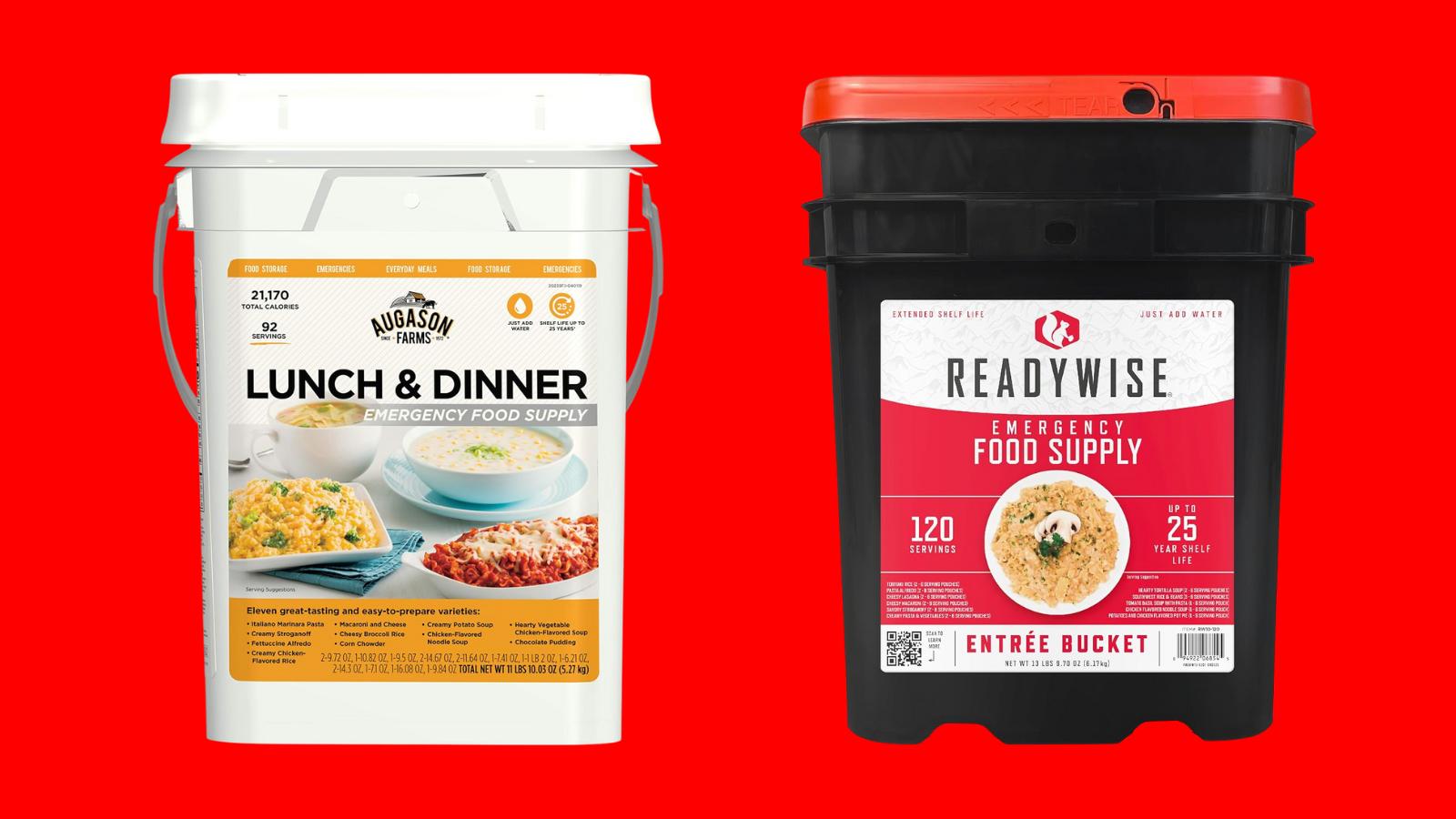
Dehydrated and freeze-dried proteins are lightweight and compact. They are perfect for limited storage space. Products like dried beef, chicken, and eggs are available. These retain most nutrients and flavors when rehydrated. Add water, and they’re ready to eat. Their long shelf life makes them a reliable choice for emergencies.Nut Butters
Nut butters are protein-rich and shelf-stable. Options like peanut, almond, and cashew butter are popular. They are rich in healthy fats and calories, providing quick energy. Nut butters have a long shelf life, even after opening. Spread them on crackers or eat directly for a satisfying snack. They are versatile, nutritious, and require no preparation.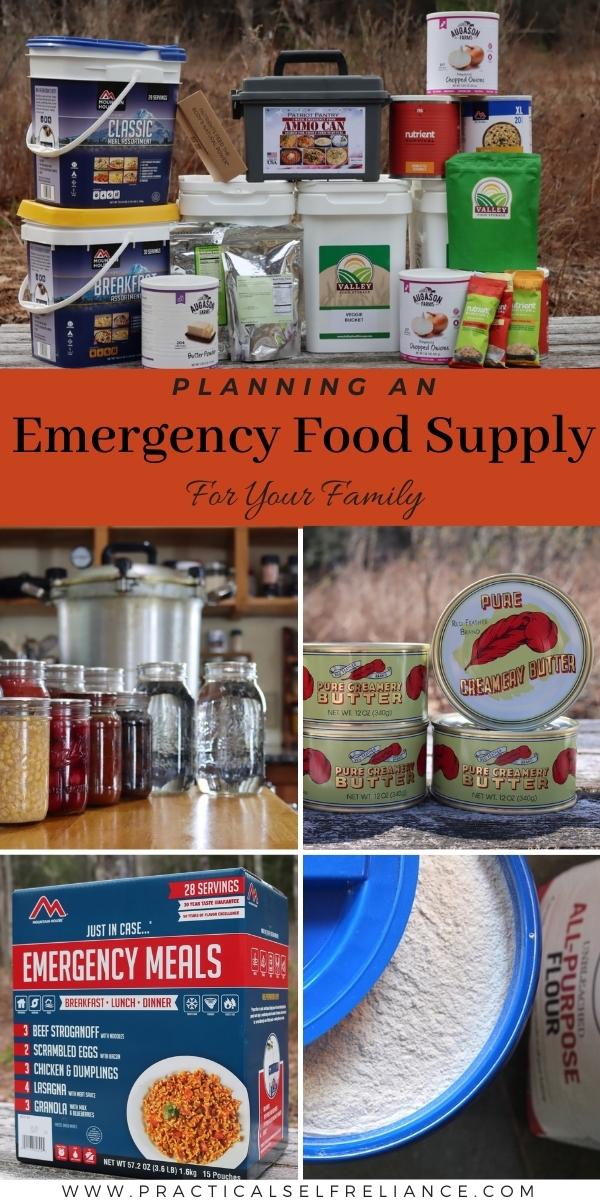
Credit: practicalselfreliance.com
Fruits And Vegetables For Storage
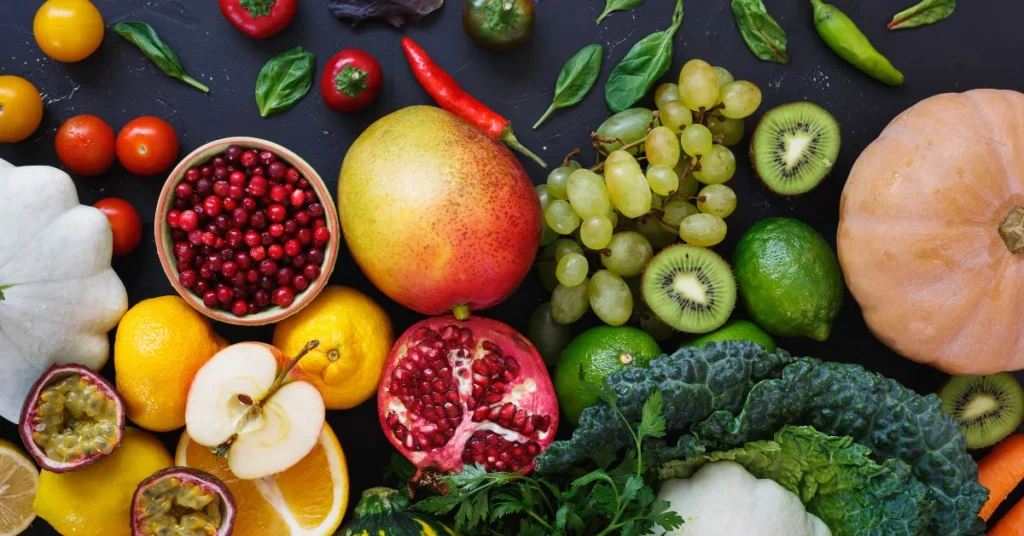
Fruits and vegetables are essential for any emergency food storage. They provide vital nutrients and help keep your meals balanced during tough times. Choosing the right forms of fruits and vegetables for storage means focusing on options that last long, maintain flavor, and retain as many nutrients as possible.
Dried Fruits
Dried fruits are a fantastic choice because they have a long shelf life and don’t need refrigeration. Items like raisins, apricots, and apples can be stored easily and eaten as snacks or added to meals. They are lightweight, making them convenient if you need to carry your supplies.
Look for dried fruits without added sugar or preservatives to keep your storage healthy. Have you ever noticed how dried mangoes still taste sweet even after months? That natural sweetness and concentrated flavor make them a popular emergency food.
Canned Vegetables
Canned vegetables offer convenience and durability. They can last for years if stored in a cool, dark place and maintain much of their original texture and taste. Popular canned veggies include green beans, corn, and tomatoes, which can easily be added to stews or casseroles.
When choosing canned vegetables, check the sodium content. Low-sodium options help you manage your salt intake during emergencies. Have you stocked canned spinach or pumpkin? These are nutrient-dense choices that enrich your diet when fresh options aren’t available.
Freeze-dried Options
Freeze-dried fruits and vegetables are among the best for emergency storage due to their long shelf life and nutrient retention. The freeze-drying process removes moisture without cooking the food, so flavors and nutrients stay intact. You can rehydrate these quickly or eat them as crunchy snacks.
Examples include freeze-dried strawberries, peas, and carrots. They save space and weight, which is a big plus if your storage area is limited. Do you know freeze-dried kale can last up to 25 years unopened? That kind of shelf life is hard to beat and great for peace of mind.
Fats And Oils
Fats and oils are essential in emergency food storage because they provide a concentrated source of energy and help your body absorb important vitamins. Including reliable fats in your stockpile ensures you maintain energy levels and stay healthy during extended emergencies. Choosing fats that last long without refrigeration can make a significant difference in your preparedness.
Cooking Oils With Long Shelf Life
Not all cooking oils are created equal when it comes to shelf life. Oils like coconut oil and olive oil can last up to two years if stored properly in a cool, dark place.
Coconut oil remains solid at room temperature, which helps it resist spoilage. Olive oil, especially extra virgin, contains antioxidants that slow down rancidity.
Consider storing oils in dark glass bottles or metal containers to protect them from light. Have you checked the expiration dates on your stored oils lately?
Nuts And Seeds
Nuts and seeds are natural sources of healthy fats and can keep your energy up during tough times. Almonds, walnuts, flaxseeds, and chia seeds are excellent choices for emergency storage.
They also provide protein, fiber, and essential nutrients. To extend their shelf life, store them in airtight containers and keep them in a cool, dry place or freeze them if possible.
Think about how you might use nuts and seeds in your meals — snacks, baking, or adding crunch to dishes.
Shelf-stable Butter Alternatives
Butter is a tasty fat but spoils quickly without refrigeration. Shelf-stable alternatives like ghee and clarified butter offer similar flavors and last much longer.
Ghee can last up to a year at room temperature, making it a smart choice for emergency storage. It’s rich in fats and adds a delicious taste to cooked foods.
Have you tried cooking with ghee? It might surprise you how versatile and shelf-friendly it is compared to regular butter.
Essential Snacks And Comfort Foods
Having the right snacks and comfort foods in your emergency storage can make a huge difference. They provide quick energy and a boost to morale during tough times. Choosing items that are both nutritious and satisfying keeps you fueled and mentally strong.
Energy Bars
Energy bars are a top choice for emergency snacks. They are compact, lightweight, and packed with calories to keep your energy levels high. Look for bars with a good balance of protein, fiber, and healthy fats to help you stay full longer.
Some energy bars also include vitamins and minerals, making them even more valuable during an emergency. Have you checked the expiration dates on your bars recently? Keeping fresh stock ensures you’re always ready.
Chocolate And Sweets
Chocolate and sweets aren’t just treats; they can be vital comfort foods when stress hits. A small piece of chocolate can lift your spirits and provide quick sugar for an instant energy boost. Dark chocolate is especially beneficial due to its antioxidants.
Remember to store sweets in airtight containers to prevent spoilage. Have you ever noticed how a small sweet snack can change your mood? That simple pleasure can be crucial when times get tough.
Instant Beverages
Instant beverages like coffee, tea, and hot chocolate are essential for comfort and warmth. They are easy to store and quick to prepare, which makes them perfect for emergency situations. Besides hydration, these drinks can offer a moment of normalcy and relaxation.
Consider adding powdered drink mixes that also provide electrolytes. What’s your favorite warm drink to unwind with? Having it ready can make a stressful day feel a little easier.
Packaging And Storage Tips
Packaging and storing emergency food properly is just as important as choosing the right items. Without the correct containers and storage conditions, your food can spoil quickly or lose its nutritional value. Let’s look at how you can keep your emergency food safe and fresh for the long haul.
Proper Containers
Choosing the right containers protects your food from moisture, air, and pests. Use airtight containers like Mylar bags with oxygen absorbers for dried goods. For bulk items such as rice or beans, food-grade plastic buckets with tight lids work well.
Glass jars with sealed lids are great for smaller portions, but avoid metal cans unless they are specifically designed for long-term storage. Have you ever opened a container only to find your food stale or infested? Proper packaging stops that problem before it starts.
Optimal Storage Conditions
Food longevity depends heavily on where and how you store it. Keep your emergency supplies in a cool, dark, and dry place to prevent spoilage. Temperatures below 75°F (24°C) are ideal; heat speeds up food degradation and nutrient loss.
Avoid storing food near chemicals or in places with strong odors, as some foods can absorb smells. Think about your home’s layout—basements often offer stable temperatures but watch out for dampness. Does your storage spot stay consistently cool and dry?
Rotation And Inventory Management
Keeping track of your emergency food stock is crucial to avoid waste. Label containers with purchase or packing dates and use the “first in, first out” rule. This means you eat older supplies before opening newer ones.
Create an inventory list and review it every few months. This simple habit helps you spot items nearing expiration and plan meals accordingly. Have you ever discovered expired food only after needing it most? Proper rotation can save you from that frustration.

Credit: trueprepper.com
Frequently Asked Questions
What Foods Last Longest For Emergency Storage?
Canned goods, dried beans, rice, and freeze-dried meals last longest. These foods have low moisture and resist spoilage. Proper sealing and cool storage extend their shelf life significantly.
Which Foods Provide Best Nutrition In Emergencies?
High-protein foods like canned tuna, nuts, and powdered milk provide essential nutrients. Whole grains and dried fruits add fiber and vitamins. Balanced nutrition supports energy and health during emergencies.
How To Store Emergency Food For Maximum Shelf Life?
Store food in airtight containers in a cool, dark place. Avoid moisture and temperature fluctuations to prevent spoilage. Rotate supplies regularly and label with purchase dates for freshness.
Are Freeze-dried Foods Good For Emergency Storage?
Yes, freeze-dried foods retain nutrients and flavor well. They have a long shelf life, usually 25 years or more. Lightweight and easy to prepare, they are ideal for emergencies.
Conclusion
Choosing the best food for emergency storage takes some thought. Pick foods that last long and provide good nutrition. Think about items you like and can eat easily. Store a mix of grains, canned goods, and dried foods. Keep water and snacks ready too.
Check your supplies often and replace expired items. Being prepared means peace of mind during tough times. Start building your emergency food now. Stay safe and ready.