When an unexpected crisis hits, your first thought is likely, “How can I get emergency food?” Having quick access to reliable food sources can make all the difference in staying safe and healthy.
You might feel overwhelmed, unsure where to start or what to choose. This guide will walk you through simple, practical steps to secure emergency food fast—so you can feel prepared and confident no matter what happens. Keep reading to discover how to protect yourself and your loved ones with the right emergency food supplies.

Credit: augasonfarms.com
Building An Emergency Food Kit
Building an emergency food kit is a smart way to prepare for unexpected situations. It ensures you have enough food to sustain yourself and your loved ones when regular supplies are unavailable. The key is to create a kit that lasts, nourishes, and fits your unique needs.
Choosing Non-perishable Foods
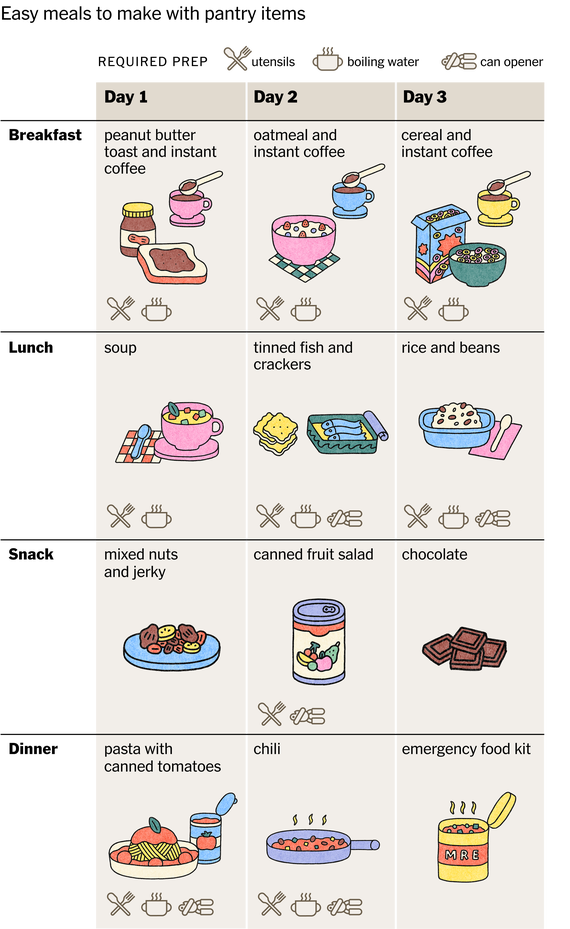
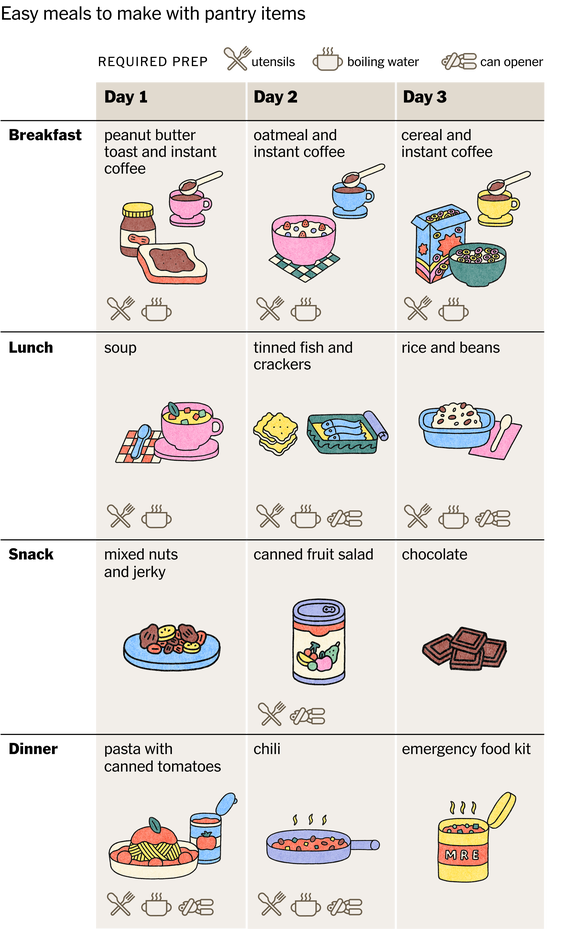
Your emergency food kit should focus on non-perishable items that stay good for months or even years. Think canned vegetables, beans, and fruits, as well as dry goods like rice, pasta, and oats. These foods don’t require refrigeration and are easy to store in a cool, dry place.
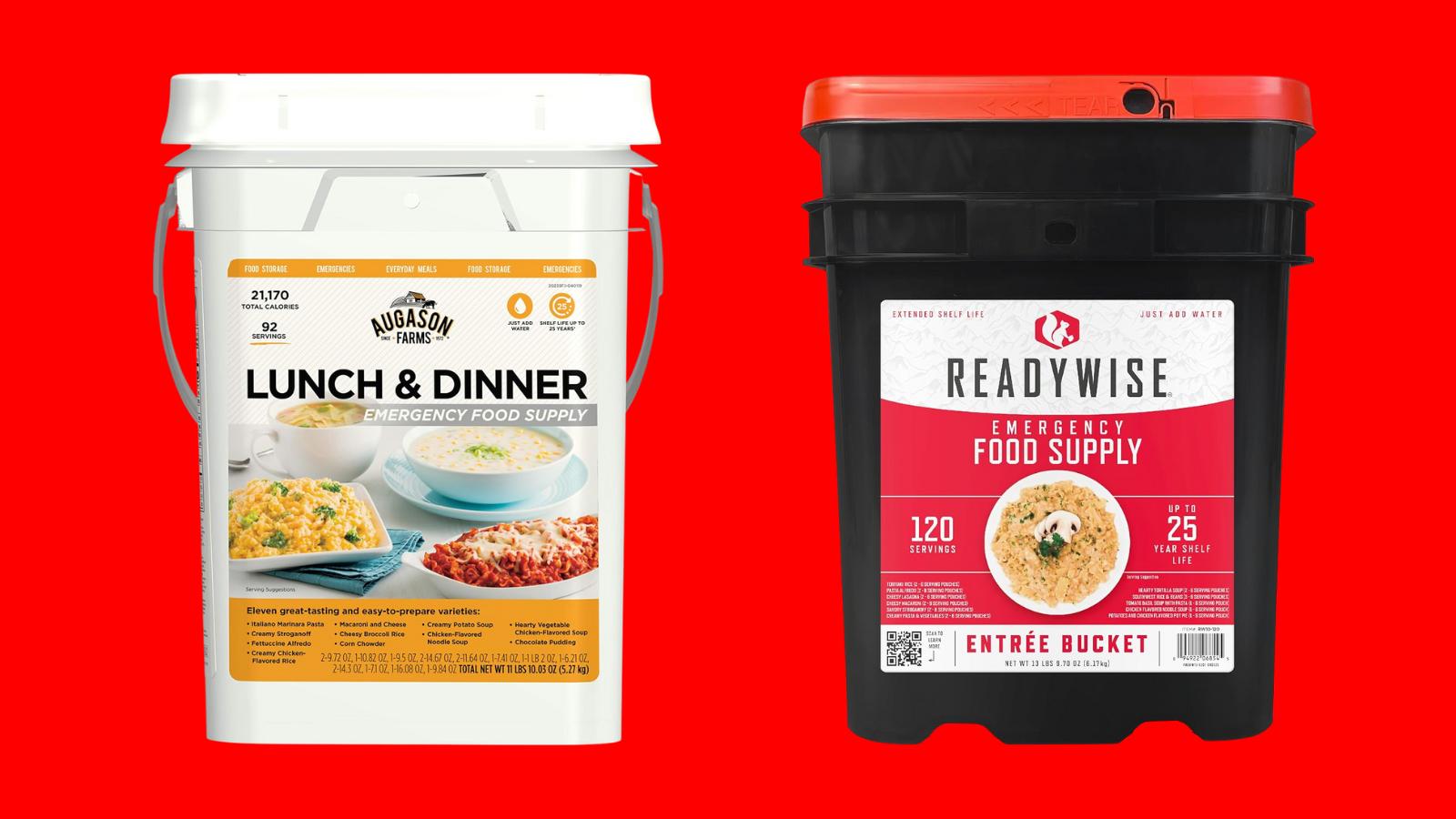
Don’t forget about ready-to-eat options like peanut butter, granola bars, and freeze-dried meals. These can be lifesavers when you don’t have access to cooking tools. Have you checked the expiration dates on your pantry items recently? Rotating your stock regularly helps keep your kit fresh.
Balancing Nutrition And Calories
Calories provide energy, but nutrition keeps your body functioning well. Your kit should include a mix of carbohydrates, proteins, and fats to keep you energized and healthy. For instance, pairing canned beans (protein) with rice (carbs) creates a balanced meal.
Don’t overlook vitamins and minerals. Adding dried fruits, nuts, and powdered milk can fill nutritional gaps. Would you be able to maintain your strength on just crackers and water? Planning meals that nourish your body is crucial during emergencies.
Considering Dietary Restrictions
Everyone’s needs are different. If you or someone in your household has allergies, diabetes, or follows a vegetarian or gluten-free diet, your emergency food kit must reflect that. Including safe and familiar foods reduces stress when normal food choices aren’t available.
Label your items clearly to avoid confusion, especially in a crisis. Have you thought about how food restrictions might affect your emergency supplies? Personalizing your kit ensures everyone stays safe and well-fed.

Credit: www.nytimes.com
Smart Food Storage Tips
Storing emergency food correctly keeps it fresh and safe for longer. Smart food storage saves money and reduces waste. It also ensures food is ready when you need it most. Focus on key storage tips for better food longevity and easy access.
Optimal Storage Locations
Choose cool, dark, and dry places for your emergency food. Heat and sunlight cause food to spoil faster. Avoid areas near heaters or windows. Basements or closets often work well. Keep food off the floor to prevent moisture damage.
Using Airtight Containers
Airtight containers protect food from air, moisture, and pests. Use containers made of plastic, glass, or metal. Seal containers tightly after each use. Clear containers help identify food quickly. Label containers with contents and expiration dates.
Rotating Supplies Regularly
Use older food first and replace it with fresh stock. Check expiration dates every few months. Keep a list of your stored food and dates. This practice prevents waste and keeps supplies fresh. Rotation ensures emergency food is always safe to eat.
Quick Food Sources In Emergencies
Emergency food can be found in canned goods, dried fruits, and nuts stored at home. Local shelters and aid centers often provide quick food supplies during crises. Keeping a small food kit ready helps ensure you have access to nutrition when needed.
In times of crisis, securing food quickly becomes crucial. Knowing where to find emergency food sources can ease stress. It ensures sustenance during unexpected events. Let’s explore some reliable options.Local Grocery Stores And Markets
Local grocery stores often stock essential items. They’re convenient and accessible. Many stores operate extended hours. This allows you to grab necessities when needed. Markets may also offer fresh produce. It’s a reliable source of nourishment. Check for discounts or sales. It helps stretch your budget further.Community Food Banks
Community food banks provide essential support. They offer free food to those in need. Visit their websites for operating hours. Many food banks organize regular distributions. Volunteers often assist with packaging and distribution. It ensures a smooth process. Bring identification if required. Some food banks ask for proof of need.Emergency Relief Services
Emergency relief services assist during crises. They supply food and other essentials. Contact local agencies for information. Many have hotlines for immediate support. They coordinate with other organizations. It ensures resources are available. Relief services often mobilize quickly. They respond effectively to emergencies.Preparing Food Without Power
Preparing food without power can feel challenging. Emergency situations often cut electricity for hours or days. Knowing how to handle food safely and creatively during these times is key. This knowledge keeps you nourished and calm in tough moments.
Food preparation without power does not mean giving up on tasty or nutritious meals. Simple methods and tools can help maintain your diet and health. Planning ahead and using available resources wisely makes a big difference.
No-cook Meal Ideas
No-cook meals save time and energy in emergencies. Stock up on ready-to-eat items that do not need heating. Examples include:
- Canned tuna or chicken
- Nut butters and bread
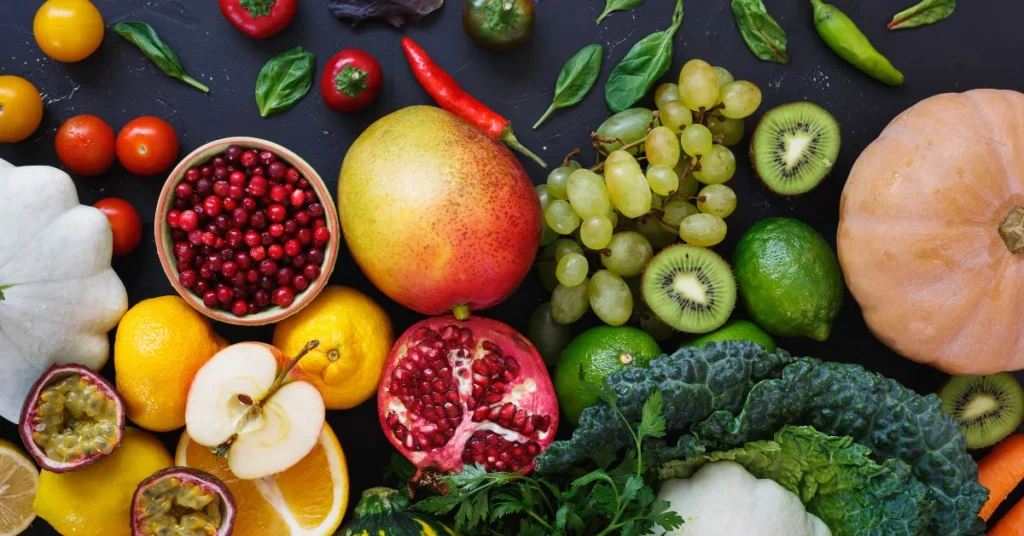
- Fresh fruits and vegetables
- Trail mix and nuts
- Pre-packaged salads
- Instant oatmeal with hot water from other sources
These foods are easy to store and prepare. They provide essential nutrients without the need for cooking tools.
Using Camping Stoves And Grills
Camping stoves and grills offer alternative cooking options. Portable and fuel-efficient, they heat food quickly. Use them outdoors to avoid carbon monoxide risks. Follow safety tips:
- Set up on a flat, stable surface
- Keep away from flammable materials
- Use only approved fuel types
- Monitor cooking at all times
- Store fuel safely and away from children
These devices allow boiling water, cooking canned meals, or grilling fresh food. They restore some normalcy when power is out.
Safe Water Storage And Usage
Water safety is critical during power outages. Store enough clean water for drinking and cooking. Use food-grade containers and seal tightly. Tips for safe water use:
- Boil water for at least one minute if unsure
- Use bottled water or water purification tablets
- Keep water containers in a cool, dark place
- Label containers with storage date
- Rotate water supplies every six months
Proper water storage prevents illness and supports all food preparation efforts.
Planning For Special Needs
Planning for special needs is crucial when preparing emergency food supplies. Your family members may have unique dietary requirements that can’t be overlooked during a crisis. Ignoring these needs can lead to unnecessary stress and health risks when access to regular foods is limited.
Food For Infants And Children
Infants and young children need foods that support their growth and development. Stock up on formula, baby cereals, and age-appropriate snacks that don’t require refrigeration. Consider easy-to-open packaging and foods that are gentle on tiny stomachs.
Have you thought about how you would feed a baby if there’s no clean water or electricity? Keeping powdered formula and ready-to-eat baby foods can save you from scrambling in an emergency. Don’t forget extra bottles, nipples, and utensils for feeding.
Meals For Seniors
Seniors often have different nutritional needs and may prefer softer foods. Choose items that are easy to chew and digest, such as canned fruits, soups, and instant oatmeal. Pay attention to sodium and sugar content to avoid aggravating health conditions.
It’s helpful to keep supplements or vitamins that a senior family member takes regularly. Have you checked whether your emergency food stash includes familiar tastes and textures for your elderly loved ones? Comfort during tough times matters more than you might expect.
Managing Allergies And Medical Conditions
Allergies and medical conditions demand careful food selection to prevent serious reactions. Label your emergency supplies clearly and keep a separate stash for allergy-safe options. Include items free from common allergens like nuts, gluten, or dairy if needed.
Think about medications that require food intake or specific diets prescribed by a doctor. Have you prepared alternatives if your usual foods aren’t available? Planning ahead can protect you from dangerous situations and keep your health stable.
Emergency Food On The Go
Having emergency food ready while on the move is essential for unexpected situations. Whether you’re hiking, commuting, or caught in sudden delays, your food choices need to be practical and easy to carry. Let’s look at how you can prepare smart, portable options that keep you fueled without weighing you down.
Portable Snack Options
Choose snacks that don’t spoil quickly and provide good energy. Nuts, trail mix, and granola bars are great because they fit in your pocket or bag easily. You can also carry dried fruit or beef jerky, which offer a mix of protein and natural sugars to keep you alert.
Think about how often you eat during your day. Carrying small packs of these snacks lets you eat little by little, keeping your energy steady. Have you ever found yourself too hungry to focus? These snacks can prevent that.
Packing Lightweight Meals
If you need something more substantial, lightweight meals are your best bet. Freeze-dried or dehydrated meals only require adding water, saving space and weight in your pack. They are perfect for longer trips or emergency kits where cooking tools are limited.
Consider packing instant oatmeal, couscous, or rice meals in vacuum-sealed bags. These meals not only save weight but also last long on the shelf. How prepared are you to make a full meal on the go with just hot water?
Hydration Essentials
Food isn’t enough without water. Carry a reusable water bottle and consider water purification tablets or filters if you expect to find natural water sources. Staying hydrated ensures your emergency food works effectively to keep your body going.
Don’t forget electrolytes. Powdered electrolyte mixes or tablets fit easily in your bag and replenish vital minerals lost through sweat. Next time you pack, ask yourself: Have I included enough hydration options to last through unexpected delays?
Budget-friendly Food Prep
Preparing emergency food doesn’t have to drain your wallet. Budget-friendly food prep helps you build a reliable stockpile without overspending. It’s all about smart choices and simple strategies that stretch your dollars further.
Buying In Bulk
Buying large quantities of staple foods can save you a lot of money in the long run. Items like rice, beans, pasta, and canned goods often come cheaper per unit when purchased in bulk. You can visit warehouse stores or check online retailers for bulk deals.
Think about how much space you have before buying. Storing bulk items properly is key to keeping them fresh and usable. I once bought a 25-pound bag of dried beans, and by portioning them into smaller containers, I made sure nothing went to waste.
Using Coupons And Discounts
Coupons and discounts are powerful tools to lower your grocery bills. Sign up for store newsletters and loyalty programs to get regular deals sent to your inbox. Don’t ignore apps that collect coupons or offer cash-back rewards on your purchases.
Combine coupons with sales for maximum savings. For example, if canned tomatoes are on sale, using a coupon can reduce the price even further. Have you checked your phone for current grocery discounts today?
Diy Food Preservation Methods
Preserving your own food can reduce costs and extend shelf life. Techniques like drying, freezing, and canning keep food fresh longer and cut down on waste. You don’t need fancy equipment—simple tools and a little practice go a long way.
Try drying herbs or fruits in your oven or sun-drying during warm months. Freezing leftovers or bulk-cooked meals lets you save portions for emergencies without extra buying. Have you tried preserving something yourself recently?

Credit: www.amazon.com
Frequently Asked Questions
How Can I Quickly Find Emergency Food Supplies?
You can quickly find emergency food supplies at local stores, online retailers, and food banks. Always check expiration dates and stock non-perishable items like canned goods, dried fruits, and nuts for long-lasting emergency food.
Where To Get Free Emergency Food Assistance?
Free emergency food assistance is available at food banks, community centers, and charitable organizations. Local churches and government programs often provide free food during crises. Search online or call local helplines for nearby emergency food resources.
What Types Of Food Are Best For Emergencies?
Non-perishable, nutrient-dense foods like canned vegetables, beans, rice, and protein bars are best for emergencies. Choose items with long shelf lives that require minimal preparation. Water, powdered milk, and ready-to-eat meals are also essential for emergency food supplies.
How Much Emergency Food Should I Store Per Person?
Store at least a three-day supply of emergency food per person, ideally for two weeks. Plan for three meals a day, focusing on calorie-dense, easy-to-prepare items. Adjust quantities based on age, dietary needs, and activity levels.
Conclusion
Getting emergency food is important for safety and peace of mind. Start by choosing non-perishable items that last long. Store food in a cool, dry place away from sunlight. Rotate your supplies regularly to keep them fresh. Keep water and basic cooking tools nearby.
Plan for different needs, including children and pets. Being prepared helps you stay calm during unexpected events. Simple steps today can protect you tomorrow. Stay ready, stay safe.