Imagine facing a sudden emergency with no time to shop or cook. Would you have enough food to keep you and your loved ones safe and nourished?
Preparing an emergency food supply isn’t just smart—it could be lifesaving. In this guide, you’ll discover simple steps to build a reliable stash of food that lasts. By the end, you’ll feel confident knowing you’re ready for whatever unexpected challenges come your way.
Ready to take control of your safety and peace of mind? Let’s dive in.
Choosing The Right Foods
Choosing the right foods for an emergency supply is essential for survival and well-being. Food must last long and provide energy. It should be easy to store and prepare. Careful selection helps avoid waste and ensures you have what you need during tough times.
Non-perishable Options
Foods that last for months or years are best. These include canned goods, dried beans, and rice. Freeze-dried fruits and vegetables work well too. Choose items sealed in airtight packaging. This prevents spoilage and keeps food safe.
- Canned meats like tuna and chicken
- Dry pasta and noodles
- Peanut butter and nut butters
- Powdered milk and eggs
- Instant soups and oatmeal
Nutritional Balance
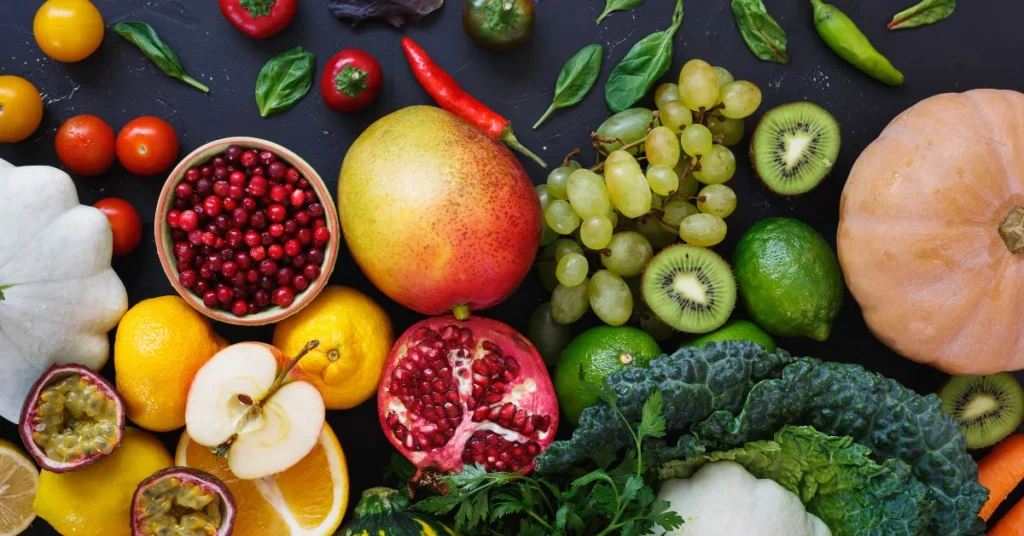
Energy comes from carbohydrates, fats, and proteins. Vitamins and minerals keep the body strong. Pick foods that cover all these areas. Include a mix of grains, proteins, and healthy fats. Add fruits and vegetables for vitamins and fiber.
| Nutrient | Food Examples | Purpose |
|---|---|---|
| Carbohydrates | Rice, pasta, bread | Energy source |
| Proteins | Canned beans, nuts, jerky | Muscle repair and growth |
| Fats | Nut butters, oils | Long-lasting energy |
| Vitamins & Minerals | Dried fruits, canned veggies | Immune support and health |
Special Dietary Needs
Account for allergies and dietary restrictions. Gluten-free, vegetarian, or diabetic-friendly foods may be needed. Keep a supply of medications or supplements if required. Label foods clearly to avoid confusion.
- Gluten-free grains like quinoa or rice
- Plant-based protein options
- Low-sodium canned goods
- Allergy-safe snacks and meals
Planning for special needs ensures everyone stays healthy.
Storage Techniques
Proper storage techniques keep your emergency food fresh and safe. Good storage prevents spoilage and pest damage. It also helps maintain nutrition and taste. Organizing your supplies well saves space and makes access easy. Understanding the right containers, temperature, and shelf life helps you build a reliable food reserve.
Optimal Containers
Choose airtight containers to block moisture and air. Glass jars with sealable lids work well for dry foods. Food-grade plastic bins are lightweight and durable. Mylar bags with oxygen absorbers protect food for years. Metal containers add extra protection against pests.
- Use clear containers to see contents quickly
- Label each container with food type and date
- Stack containers to save space and avoid crushing
Temperature Control
Store food in a cool, dry place. Ideal temperature is between 50°F and 70°F (10°C and 21°C). Avoid direct sunlight and heat sources. High temperatures speed up spoilage and reduce shelf life. Humidity above 60% causes mold and clumping. Use dehumidifiers or moisture absorbers if needed.
Shelf Life Management
Track expiration dates carefully to rotate stock. Use a first-in, first-out system to avoid waste. Inspect food regularly for signs of spoilage. Freeze perishable items if possible to extend life. Keep a list of stored foods and update it often. Replace expired items promptly to maintain readiness.
Water Supply Essentials
Water is the most critical part of your emergency food supply. Without clean, safe water, food preparation and hydration become impossible. Understanding how to store, purify, and calculate your daily water needs will keep you prepared and healthy when disaster strikes.
Safe Water Storage
Choose containers made from food-grade plastic or glass to avoid harmful chemicals leaching into your water. Clean the containers thoroughly before filling them with fresh water.
Store water in a cool, dark place away from direct sunlight. Label each container with the date you filled it, so you know when to replace it.
Consider using water storage barrels or large jugs that can hold several gallons. These are especially useful for longer-term emergencies.
Purification Methods
Boiling water for at least one minute kills most harmful bacteria and viruses. It’s a reliable way to purify water if you have access to a heat source.
Water purification tablets are lightweight and convenient for travel or quick sterilization. Always follow the instructions carefully to ensure effectiveness.
Portable water filters can remove bacteria and protozoa. Some advanced filters also reduce chemicals and improve taste, making your water safer and more pleasant to drink.
Daily Water Requirements
On average, a person needs about one gallon (3.8 liters) of water per day. This includes water for drinking, cooking, and basic hygiene.
In hot climates or during heavy physical activity, your water needs will increase. Plan for extra water to avoid dehydration.
Think about your family’s unique needs. Infants, elderly, and pets all require different amounts of water, so adjust your supply accordingly.
Credit: bushlife.ca
Meal Planning Strategies
Preparing an emergency food supply involves choosing non-perishable items that last long. Store a mix of grains, canned goods, and dried fruits for balanced nutrition. Rotate supplies regularly to keep food fresh and ready.
Preparing an emergency food supply requires thoughtful meal planning strategies. These strategies ensure you have enough food to last through any crisis. Planning helps avoid waste and ensures nutritional needs are met.Calorie Counting
Start by calculating daily calorie needs for each family member. This ensures everyone receives adequate energy. Use food labels to check calorie content. Aim for balanced meals with proteins, carbs, and fats. Adjust portions to meet individual needs. Keep track of calories to prevent shortages.Meal Variety
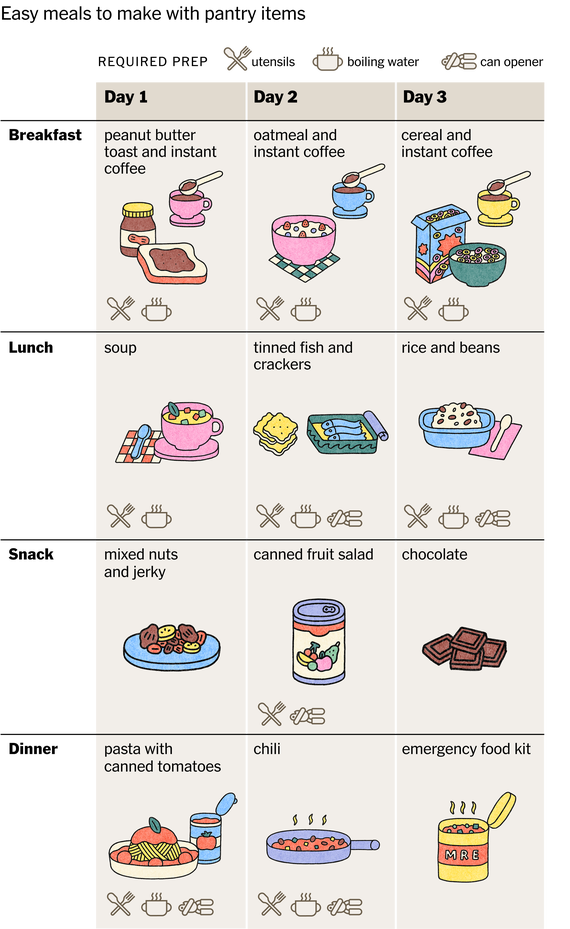
Include a mix of foods to avoid boredom. Stock a range of canned, dried, and frozen foods. Choose items with long shelf lives. Beans, rice, and pasta are versatile staples. Add flavor with herbs and spices. Rotate stock to keep the supply fresh. Experiment with new recipes using pantry items.Cooking Without Power
Plan meals that don’t require electricity. Consider a camp stove or portable grill. Stockpile foods that can be eaten cold. Peanut butter, canned fruits, and vegetables work well. Practice cooking with minimal equipment. Have manual tools like can openers and knives. Ensure you have enough fuel or alternative power sources.Rotating And Replenishing Supplies
Keeping your emergency food supply fresh and ready requires regular attention. Rotating and replenishing supplies ensures you never face an unpleasant surprise when you need your stockpile most. This process helps maintain the quality and safety of your food while making sure you have what you need on hand.
Inventory Checks
Regularly checking your emergency food inventory is key. Set a schedule—monthly or quarterly—to review what you have. During these checks, note which items are running low or nearing expiration.
Tracking your stock can be simple. Use a spreadsheet or a notebook to list items, quantities, and purchase dates. This habit saves time and stress during an actual emergency.
Expiration Dates
Expiration dates tell you when food might lose quality or safety. Don’t ignore them, even for canned or dried goods. Some foods last longer than others, but all have limits.
Check expiration dates carefully during your inventory reviews. Move items with closer dates to the front so you use them first. Have you ever found a forgotten can tucked away that had gone bad? Rotating helps avoid that waste.
Restocking Tips
Restocking your emergency food supply should be planned and budget-friendly. Buy a few extra items each time you shop instead of all at once. This spreads out your costs and keeps your stock fresh.
Consider adding variety while restocking. Don’t just replace what’s gone; try new foods that might last longer or provide better nutrition. What’s a food item you’d want in your emergency kit but haven’t added yet?
- Buy staple items like rice, beans, and canned vegetables regularly.
- Replace items after using them in your daily meals.
- Keep an eye on sales to save money when restocking.
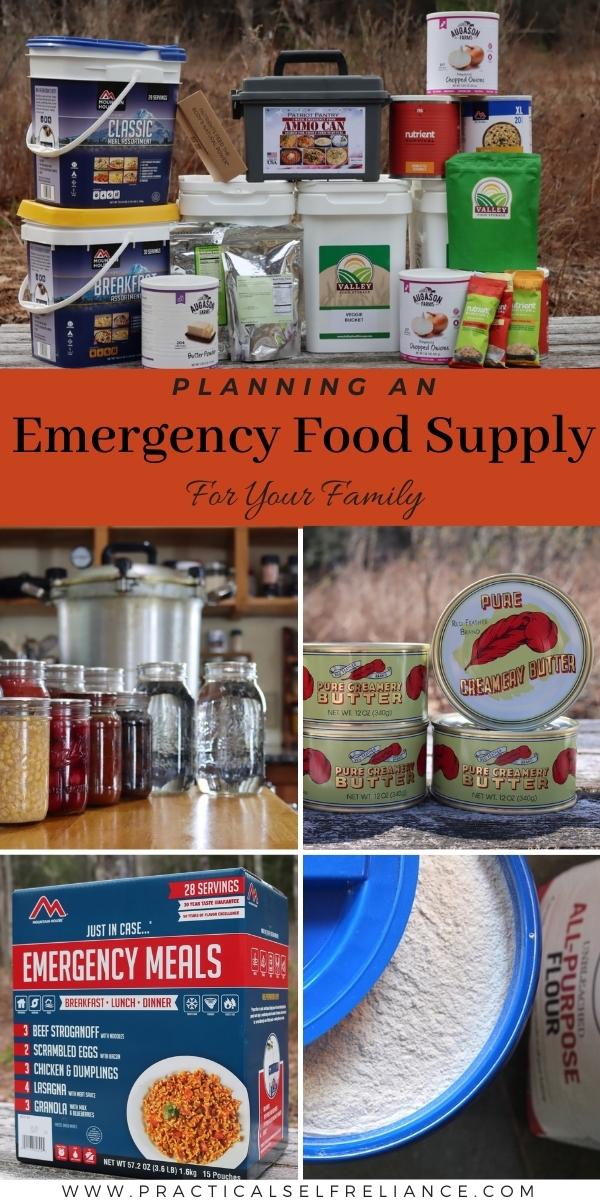
Credit: practicalselfreliance.com
Emergency Food Kits
Emergency food kits are a crucial part of any preparedness plan. They ensure you have reliable nutrition during unexpected situations, whether it’s a natural disaster or a sudden power outage. Choosing the right type of kit can save you time and stress when you need it most.
Pre-made Kits
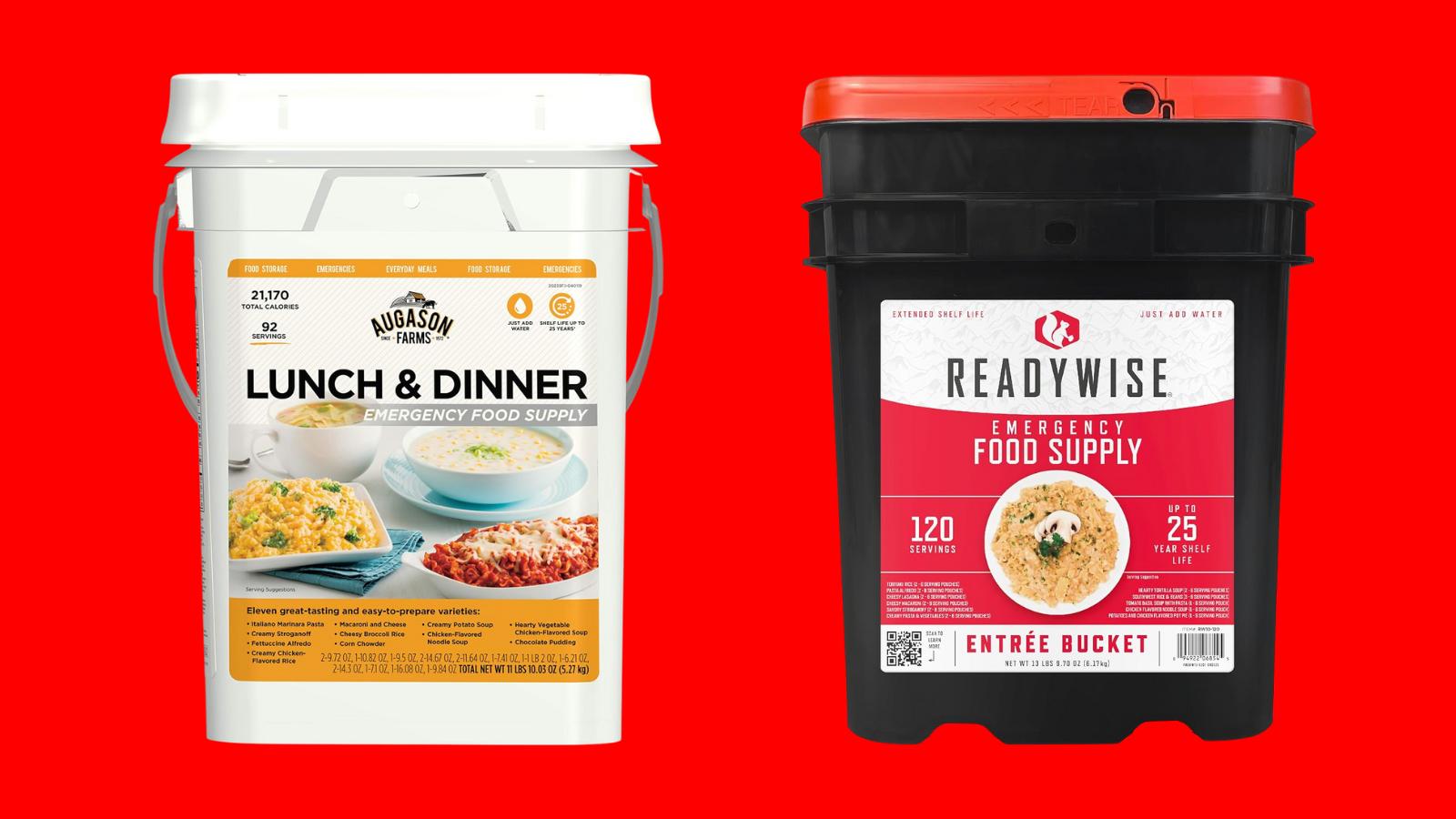
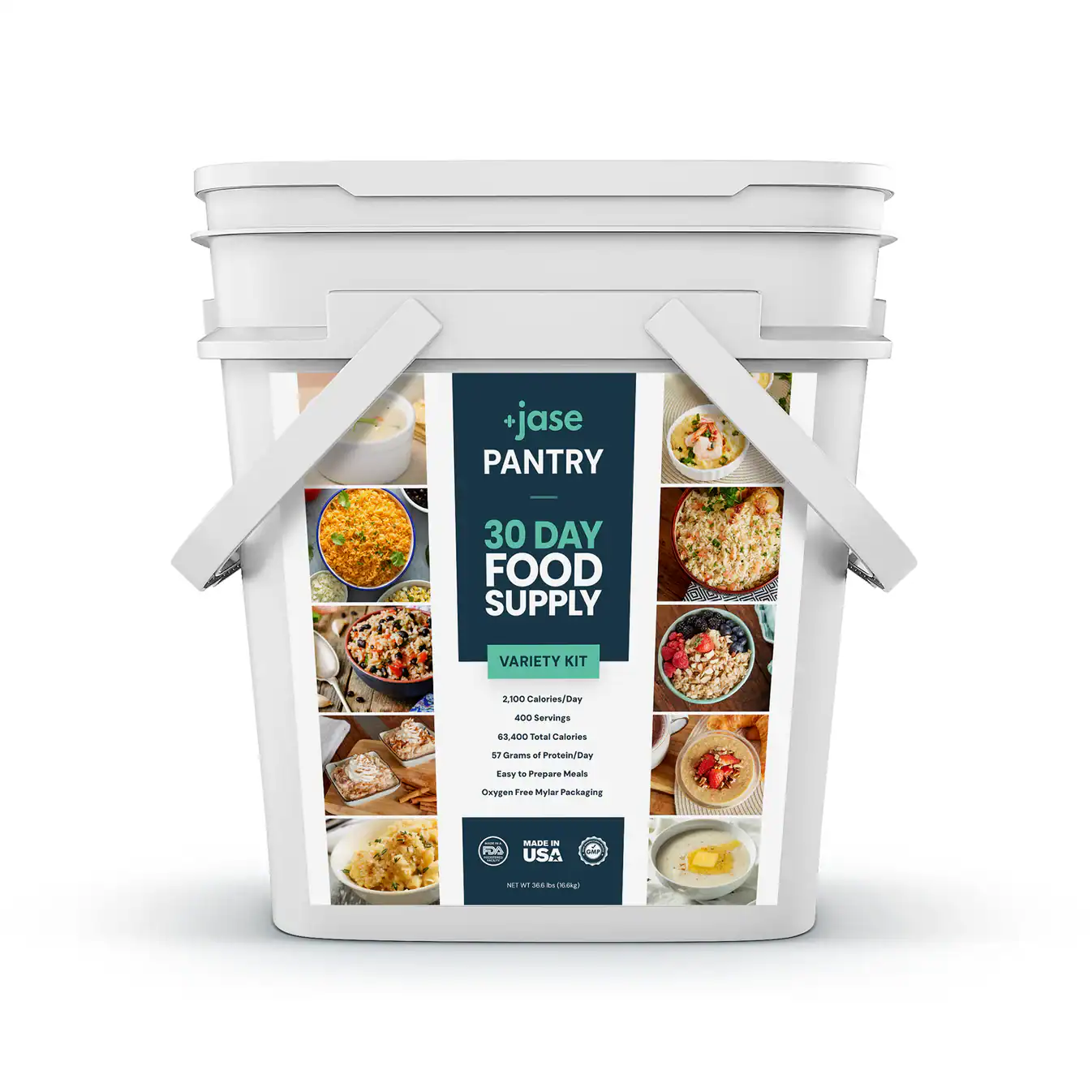
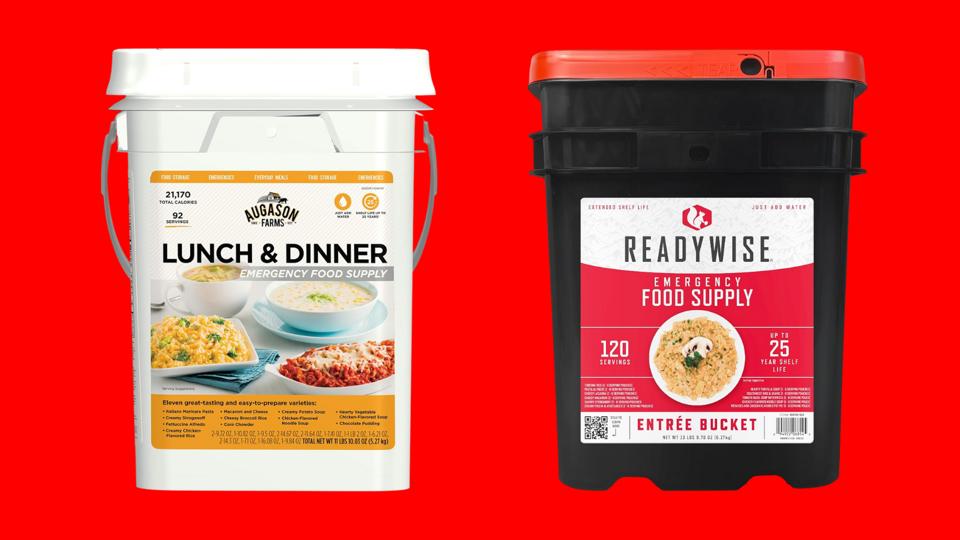
Pre-made emergency food kits come ready to use and often include a variety of meals that last for years. These kits typically contain dehydrated or freeze-dried foods that only require water to prepare. They’re perfect if you want convenience and quick access without the hassle of shopping and packing yourself.
One thing to check is the calorie count and dietary needs. Some kits may not provide enough energy for an adult’s daily requirement or may lack options for those with allergies. Have you looked closely at the nutrition labels to ensure the kit suits your family?
Diy Food Packs
Creating your own food packs lets you customize your emergency supply based on taste, dietary restrictions, and shelf life. You can include canned goods, nuts, dried fruits, and energy bars that you personally enjoy. This approach also allows you to rotate food regularly, keeping your stock fresh.
A simple tip: pack items in airtight containers or resealable bags to keep food safe and organized. Have you thought about how you’ll store these packs to protect them from moisture and pests?
Portable Options
Portability matters if you need to evacuate quickly or carry your supplies during outdoor survival situations. Look for compact, lightweight kits that fit easily in a backpack or emergency bag. Some kits even come in rugged cases designed to withstand rough handling.
Consider how long you might be on the move and how much weight you can realistically carry. Could you prepare a smaller emergency food kit specifically for your car or workplace? Having portable options means you’re prepared no matter where you are.
Food Safety Practices
Food safety is vital when preparing an emergency food supply. It keeps your food fresh and free from harmful germs. Safe food practices protect your health during any crisis. Follow simple rules to avoid contamination and spoilage.
Preventing Contamination
Keep raw and cooked foods separate to stop cross-contamination. Store foods in clean, sealed containers to block dirt and bugs. Avoid touching food with dirty hands or utensils. Use separate cutting boards for meats and vegetables. Check food labels for expiration dates and discard old items.
Safe Handling Procedures
Wash hands thoroughly before and after handling food. Use clean utensils and avoid reusing plates that held raw food. Thaw frozen items safely in the fridge or cold water, not on the counter. Cook foods to the right temperature to kill bacteria. Cool leftovers quickly and store them in the fridge.
Sanitation Essentials
Clean all food preparation surfaces with hot, soapy water. Sanitize cutting boards and knives regularly using a mild bleach solution. Keep your storage area dry and well-ventilated to prevent mold growth. Use clean cloths or disposable paper towels for wiping surfaces. Regularly check your emergency food storage for signs of pests or spoilage.
Additional Supplies To Consider
Preparing an emergency food supply goes beyond just stocking up on non-perishable items. You need the right additional supplies to make sure you can cook, eat, and preserve your meals safely and efficiently. These tools and resources can make a big difference during a power outage or other emergency situations.
Cooking Tools
Having reliable cooking tools is essential when you don’t have access to your regular kitchen appliances. Consider a portable camping stove or a small propane burner that can work indoors with proper ventilation. Don’t forget to pack fuel canisters and a lighter or waterproof matches to ignite your stove.
A compact pot or pan can serve multiple purposes, from boiling water to warming canned meals. Think about including a manual can opener—electric ones won’t help if the power is out. These simple tools can keep your meals warm and safe to eat.
Eating Utensils
Eating utensils might seem minor, but you’ll quickly realize their importance in an emergency. Pack reusable or disposable plates, bowls, forks, knives, and spoons. If you want to reduce waste, lightweight stainless steel or BPA-free plastic utensils work well.
Don’t overlook items like cups and napkins. Having these ready can help maintain hygiene and make meals more comfortable. What’s your backup plan if you only have your hands to eat with?
Backup Power Sources
Power outages can last longer than you expect, so having backup power is a smart move. Portable power banks can keep small devices charged, but for cooking or lighting, consider a small generator or solar-powered charger. Make sure you understand how to use these safely to avoid hazards.
Flashlights, battery-operated lanterns, and extra batteries should be part of your emergency kit. A charged power source can mean the difference between a stressful night and a manageable one. Have you tested your backup power equipment recently?
Credit: www.forbes.com
Frequently Asked Questions
What Are The Best Foods For Emergency Supply?
Choose non-perishable, nutrient-dense foods like canned beans, rice, dried fruits, nuts, and freeze-dried meals. These items have long shelf lives and require minimal preparation, making them ideal for emergencies.
How Much Food Should I Store For Emergencies?
Store at least a two-week supply of food per person. Consider daily calorie needs and include a variety of foods to ensure balanced nutrition during emergencies.
How Should I Store Emergency Food Safely?
Keep food in airtight containers in a cool, dry, and dark place. Rotate supplies every six months to maintain freshness and prevent spoilage.
Can I Use Fresh Food For Emergency Kits?
Fresh food is not recommended as it spoils quickly. Focus on shelf-stable, preserved foods to ensure your emergency supply lasts longer and remains safe to eat.
Conclusion
Preparing an emergency food supply takes time and care. Choose foods that last long and are easy to store. Keep your family’s needs in mind. Rotate your stock regularly to avoid spoilage. Store water and include simple cooking tools. Being ready helps you stay safe and calm.
Start small, then build your supplies step by step. This plan gives peace of mind during uncertain times. Taking action today can make a big difference tomorrow.