Have you ever wondered if emergency food kits are really worth having? When disaster strikes, will you have the right supplies to keep you and your loved ones safe?
You might be asking yourself if investing in these kits is a smart choice or just another expense. You’ll discover what emergency food kits offer, how they can protect you in tough times, and whether they truly deliver peace of mind.
Keep reading to find out if an emergency food kit is the right addition to your preparedness plan.
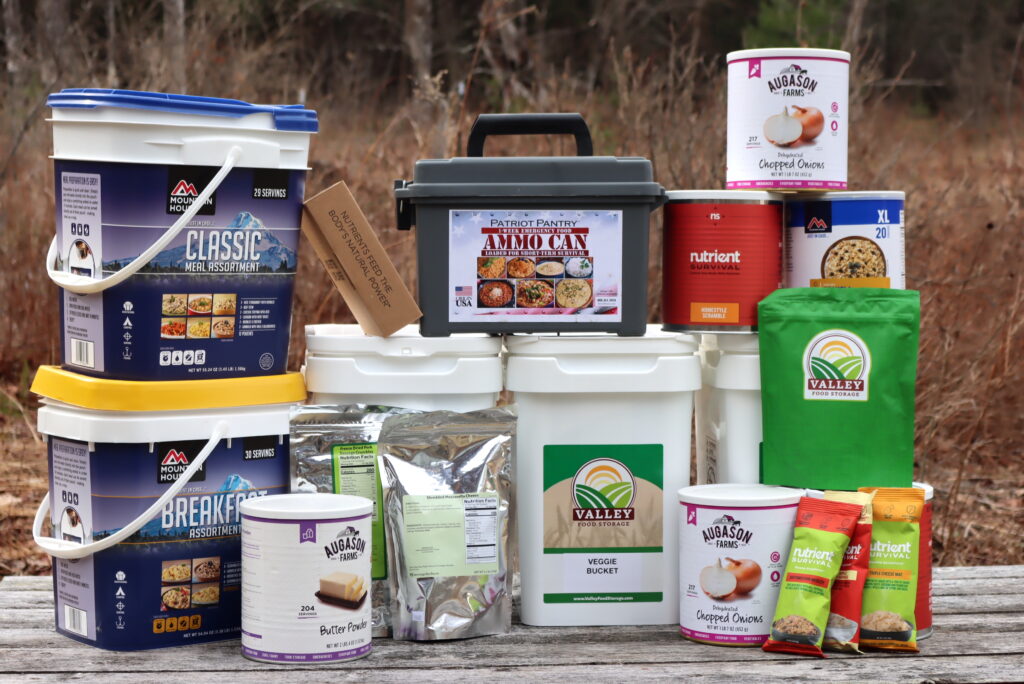
Credit: practicalselfreliance.com
Benefits Of Emergency Food Kits
Emergency food kits offer several practical benefits that make them a smart choice for anyone preparing for unexpected situations. They are designed to provide reliable nutrition, ease of use, and flexibility, which can be crucial during emergencies. Understanding these benefits can help you decide if investing in an emergency food kit suits your needs and lifestyle.
Long Shelf Life
One of the biggest advantages of emergency food kits is their long shelf life. Many kits contain freeze-dried or dehydrated meals that can last 20 to 30 years when stored properly. This means you can buy once and use only when needed, reducing the hassle of frequent replacements.
Imagine having peace of mind knowing your food supply won’t spoil quickly, even if you don’t use it for years. Would you feel more secure having such a reliable backup in your home?
Convenience And Portability
Emergency food kits are designed to be easy to carry and store. Most kits come in compact, lightweight packaging that fits well in small spaces like closets, car trunks, or backpacks. This makes them ideal not just for home emergencies but also for camping or road trips.
Think about how much easier it is to grab a ready-made kit compared to gathering individual food items during a crisis. Wouldn’t you want your emergency food to be ready to go at a moment’s notice?
Nutritional Value
Many emergency food kits focus on balanced nutrition, offering essential vitamins, proteins, and calories to keep your energy up during stressful times. Manufacturers often work with nutritionists to ensure their meals meet daily dietary needs. This can be a lifesaver when regular food sources are unavailable.
How important is it for you to maintain your health and energy during an emergency? Having a kit that supports your well-being can make a significant difference.
Variety Of Food Options
Emergency food kits often include a variety of meal options ranging from breakfast items to main courses and snacks. This variety helps prevent menu fatigue, which can be common when eating the same food repeatedly. You might find options like pasta, rice dishes, soups, and even desserts.
Would you feel more comfortable knowing you have tasty choices instead of just basic survival food? Variety can improve morale, especially in tough situations.
Types Of Emergency Food Kits
Emergency food kits come in various types, each designed for different needs and situations. Choosing the right kit depends on factors like storage space, taste preferences, and preparation time. Understanding the main types helps make a smart choice for your emergency supplies.
Freeze-dried Meals
Freeze-dried meals are light and easy to store. They keep nutrients and flavor well. Just add hot water, and the meal is ready. These kits last for many years, making them ideal for long-term storage.
Dehydrated Food Packs
Dehydrated food packs remove moisture to prevent spoilage. They are lighter than canned foods but heavier than freeze-dried options. These meals need water to rehydrate before eating. They usually cost less than freeze-dried kits.
Canned Food Kits
Canned food kits include ready-to-eat meals sealed in cans. They are heavier but durable and easy to store. No water or cooking is needed, which is helpful during power outages. They have a shorter shelf life than freeze-dried foods.
Diy Food Kits
DIY food kits let you customize your emergency supplies. You can pack favorite foods and control portions. These kits require more effort but can be budget-friendly. Proper packaging and storage are important to keep the food fresh.
Factors To Consider Before Buying
Consider the kit’s shelf life, nutritional value, and portion size before buying. Check if the food suits your dietary needs and storage space. Quality and price also matter for long-term use and emergencies.
Factors to consider before buying emergency food kits are crucial. These kits can be life-saving in emergencies. Yet, not all kits fit every individual’s needs. Consider specific factors to ensure you choose the right kit.Caloric Needs
Ensure the kit meets your daily calorie needs. Most kits offer 2000 calories per day. Some might need more, others less. Check the label for details. Consider your activity level and family size. Proper nutrition is vital during emergencies.Storage Space
Evaluate your available storage space. Emergency kits can be bulky. Determine where you will store them. A cool, dry place is ideal. Avoid areas with moisture or temperature changes. This ensures the food remains safe and edible.Budget Constraints
Set a budget before purchasing. Prices vary widely between kits. Look for options that fit your financial plan. Don’t sacrifice quality for cost. Compare different brands and sizes. Read reviews for the best value.Dietary Restrictions
Consider any dietary restrictions you have. Some kits may contain allergens. Others might not cater to specific diets. Check for gluten-free, vegan, or low-sodium options. Ensure everyone in your household can consume the meals.How To Choose The Right Kit
Choosing the right emergency food kit can feel overwhelming with so many options available. But focusing on a few key factors can make your decision easier and ensure you get a kit that truly meets your needs. Consider what you want from the kit and how it fits into your emergency plan.
Assessing Kit Contents
Look closely at what’s included in the kit. Does it have a balanced mix of proteins, carbohydrates, and fats? You want variety to avoid food fatigue during an emergency.
Think about your dietary preferences and restrictions. If you’re vegetarian, gluten-free, or have allergies, check if the kit accommodates these needs. Also, consider the calorie count per serving; you’ll need enough energy to stay strong.
Checking Expiry Dates
Expiry dates are crucial because emergency food kits aren’t useful if the food goes bad. Check how long the food lasts and whether the kit includes a rotation plan.
Some kits offer shelf lives of 25 years or more, which can be a good investment if you want long-term storage. You might want to set reminders to replace items before they expire to keep your supplies fresh.
Reading Customer Reviews
Customer feedback often reveals how the kit performs in real-life situations. Look for reviews that mention taste, packaging quality, and ease of preparation.
Watch out for common complaints like clumpy powders or difficult-to-open packaging. Positive reviews highlighting reliable customer service can also point to trustworthy brands.
Comparing Prices And Brands
Price matters, but don’t let cost be the only deciding factor. Compare what you get for the price—more expensive kits might offer better ingredients or longer shelf lives.
Try to find a brand with a solid reputation for quality and transparency. Sometimes spending a bit more upfront saves you from disappointment later.
Storing And Maintaining Food Kits
Storing and maintaining your emergency food kits properly can make the difference between having a reliable food source or facing spoilage and waste. It’s not just about buying the kits but also about how you care for them over time. Let’s look at practical ways to keep your food fresh, safe, and ready for when you need it most.
Optimal Storage Conditions
Food kits last longest when stored in cool, dry, and dark places. Avoid areas with high humidity or temperature fluctuations like garages or attics. A basement or a climate-controlled closet often works best.
Keep the kits off the floor to prevent moisture damage. Use shelves or pallets to create airflow and reduce the risk of pests. You might be surprised how much a small change in storage location can extend the shelf life.
Rotation And Replacement
Have you checked the expiration dates on your food kits lately? Rotating your stock ensures you consume older items before they expire. This simple habit keeps your supplies fresh and usable.
Set reminders to review your emergency food every six months. Replace any items that are near or past their expiration date. It may feel like extra work, but it’s worth it to avoid discovering spoiled food when you need it most.
Emergency Use Preparation
When a crisis hits, you don’t want to waste time figuring out how to prepare your emergency food. Practice cooking a meal from your kit every few months. This helps you learn what tools or water you’ll need and makes actual emergencies less stressful.
Keep a basic cooking kit nearby, including a portable stove or manual can opener. Also, make sure your emergency food matches your dietary needs and preferences. Have you tested the taste and texture? Familiarity can boost your confidence and comfort in tough times.

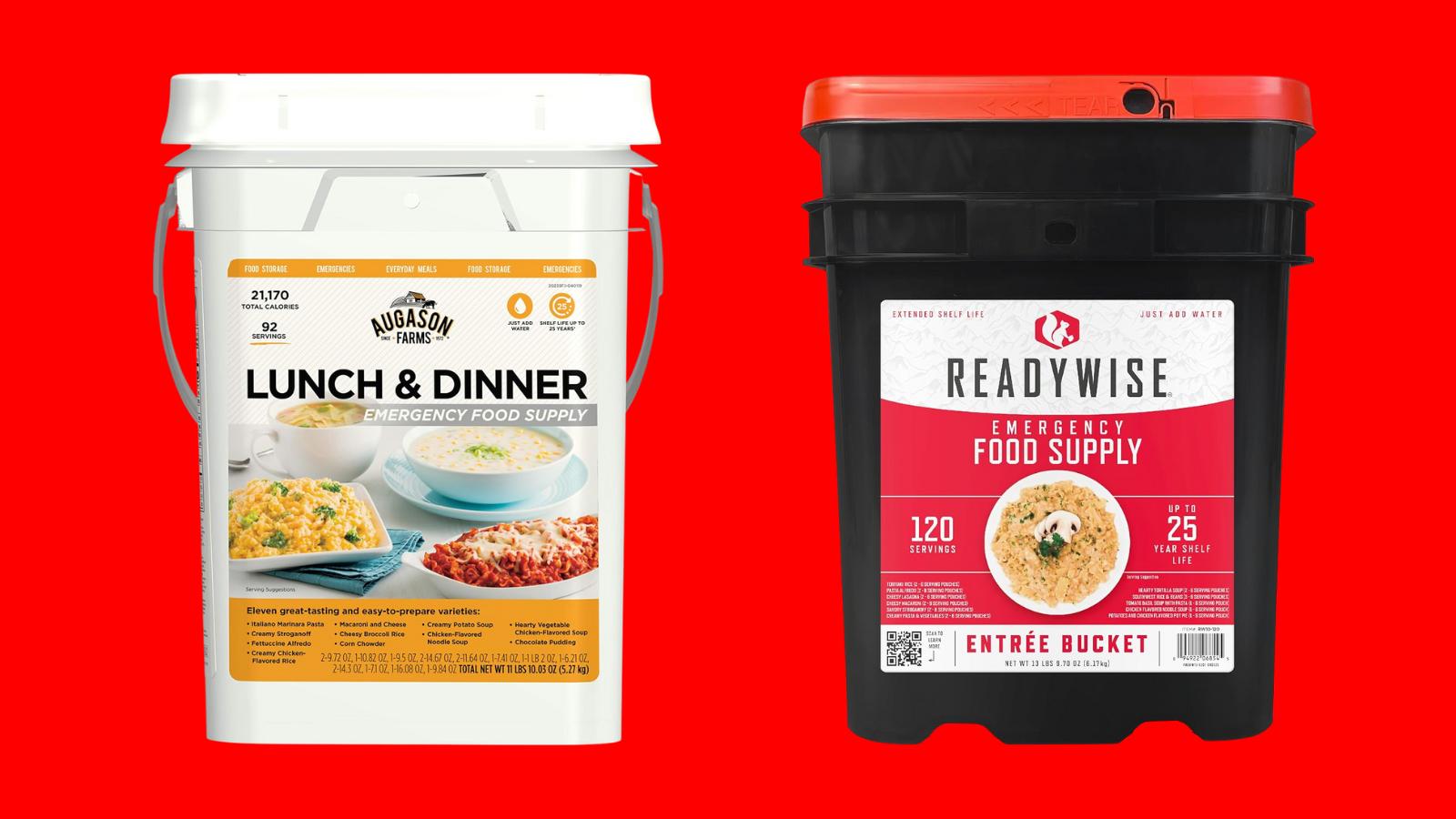
Credit: augasonfarms.com
Alternatives To Emergency Food Kits
Emergency food kits offer convenience but are not the only option for preparedness. Many people prefer alternatives that fit their lifestyle and budget. These choices often provide fresher food and greater control over supplies.
Exploring other ways to prepare can build confidence and independence. Some methods focus on long-term sustainability. Others encourage community support and sharing resources.
Home Stockpiling
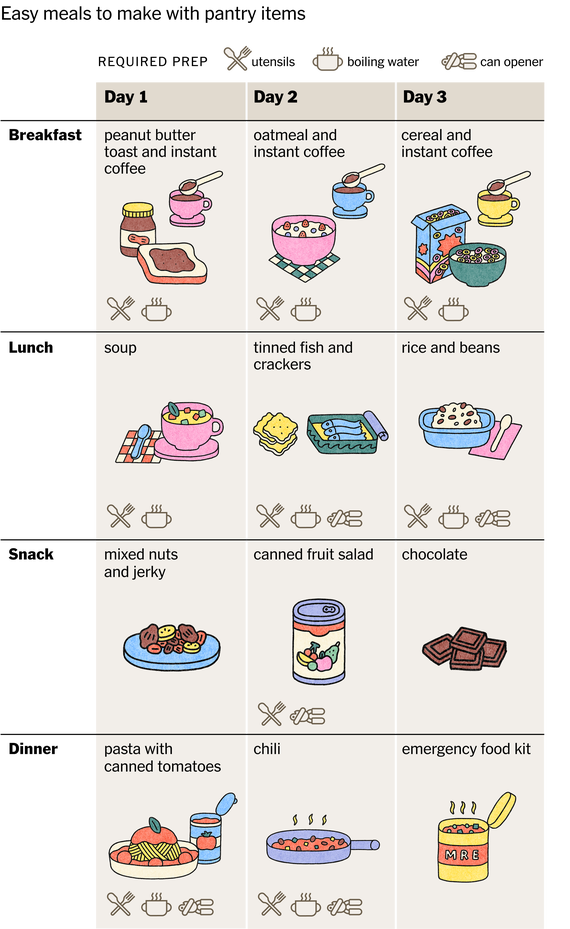
Stockpiling involves storing a variety of non-perishable foods at home. Choose items with long shelf lives like canned goods, rice, and pasta.
- Rotate supplies to keep food fresh.
- Store items in cool, dry places.
- Include essential cooking and eating tools.
This method allows you to customize your food based on your family’s tastes and needs.
Gardening And Preserving
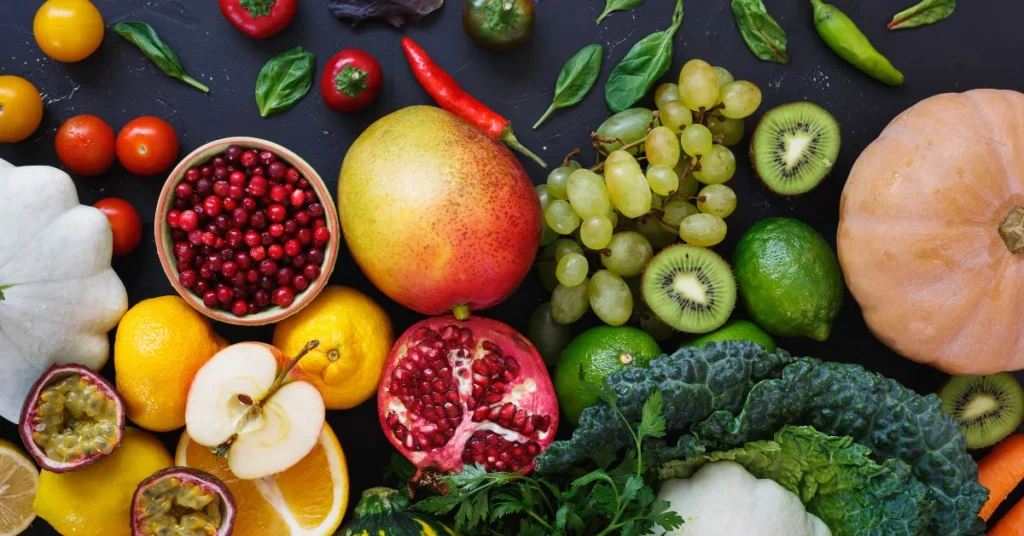
Growing your own food reduces reliance on stores. Gardens can provide fresh vegetables and herbs during the growing season.
- Preserve surplus harvest by canning or freezing.
- Learn simple drying techniques for fruits and vegetables.
- Start small with easy-to-grow plants like tomatoes and beans.
This approach offers nutrition and satisfaction through self-sufficiency.
Community Food Sharing
Sharing food resources with neighbors builds resilience. Communities can exchange homegrown produce, canned goods, and other supplies.
- Organize local food swaps or pantry shares.
- Support community gardens and co-ops.
- Build relationships that help during emergencies.
Working together ensures access to a wider variety of foods and support.
Real-life Survival Stories
Real-life survival stories reveal how emergency food kits perform under pressure. These accounts show practical uses and challenges faced during crises. They provide insight into the true value of food kits beyond theory.
Successes With Food Kits
Many survivors credit their food kits for staying nourished and strong. Kits often include easy-to-prepare meals that last long without spoiling. People report feeling more secure knowing food is ready during power outages or natural disasters.
Some stories highlight how food kits helped avoid starvation and maintain energy. Ready-made meals saved time and effort in stressful situations. Families could focus on safety rather than hunting or gathering food.
Lessons Learned
Survivors advise testing food kits before emergencies. Some meals require water or heat to prepare. Knowing these details prevents surprises in tough times.
Proper storage is crucial. Kits must stay dry and cool to keep food edible. Rotating supplies keeps food fresh and useful.
Portion control matters. Some kits contain more food than one person needs in a day. Sharing and rationing help stretch supplies longer.
Common Mistakes To Avoid
- Ignoring expiration dates leads to spoiled food during emergencies.
- Choosing kits without variety causes meal fatigue and low morale.
- Not practicing meal preparation wastes time and causes frustration.
- Storing kits in places prone to moisture damages packaging and food.
- Relying on kits alone without water or cooking tools limits effectiveness.

Credit: www.goodhousekeeping.com
Frequently Asked Questions
What Are Emergency Food Kits?
Emergency food kits are pre-packaged meals designed for long shelf life. They provide essential nutrients during disasters or supply shortages. These kits are convenient for quick access to food in emergencies, ensuring you stay nourished when regular food sources are unavailable.
How Long Do Emergency Food Kits Last?
Most emergency food kits have a shelf life of 5 to 25 years. The longevity depends on packaging and storage conditions. Properly stored kits maintain nutritional value and taste, making them reliable for long-term preparedness.
Are Emergency Food Kits Cost-effective?
Emergency food kits can be cost-effective compared to buying individual items separately. They save time and money by bundling meals in one purchase. However, prices vary, so compare brands to find kits that fit your budget.
Can Emergency Food Kits Replace Regular Meals?
Emergency food kits are meant for short-term use during crises. They lack variety and freshness found in regular meals. Use them as a backup, not a daily food source, to maintain balanced nutrition.
Conclusion
Emergency food kits offer peace of mind during uncertain times. They provide easy access to meals when regular food is unavailable. Kits last long and require little preparation. This makes them useful for emergencies or outdoor trips. Choosing the right kit depends on your needs and budget.
Being prepared can reduce stress in tough situations. A small investment today might save trouble tomorrow. Consider your lifestyle and storage space before buying. Overall, emergency food kits serve as a practical backup plan. Better safe than sorry.