When disaster strikes, having the right emergency food can make all the difference for you and your loved ones. But with so many options out there, how do you know what’s truly the best to buy?
You want food that’s not only nutritious and tasty but also easy to store and prepare when every minute counts. You’ll discover the top emergency food choices that will keep you safe, satisfied, and ready for anything. Keep reading to find out exactly what you need to have on hand to protect your family during unexpected situations.

Credit: www.forbes.com
Essential Criteria For Emergency Food
Choosing the right emergency food is crucial for survival and comfort. It must meet certain key criteria to ensure safety and nutrition during tough times. These essential qualities help you prepare effectively and maintain health when access to fresh food is limited.
Shelf Life And Durability
Emergency food should last a long time without spoiling. A long shelf life means food stays safe to eat for months or years. Packaging must protect food from moisture, air, and pests. Durable packaging prevents damage during storage and transport. Look for sealed cans, vacuum packs, or Mylar bags. These keep food fresh and ready for use.
Nutritional Value
Food must provide enough calories and nutrients to keep energy high. Balanced meals with proteins, carbohydrates, fats, vitamins, and minerals are best. Avoid foods high in sugar or empty calories. Nutrient-rich options help maintain strength and focus. Consider special needs like allergies or medical conditions. Proper nutrition supports your body through stress and recovery.
Ease Of Preparation
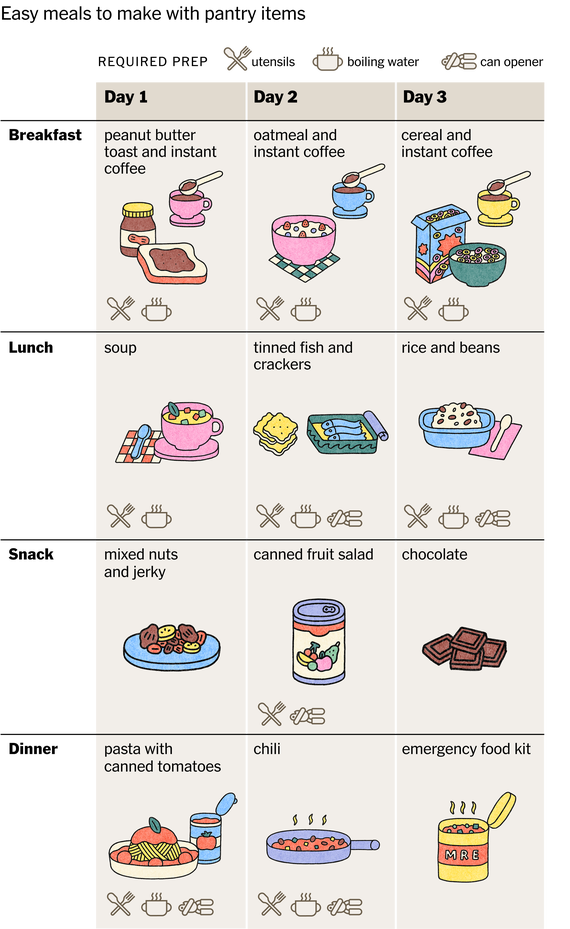
Emergency meals should be simple to prepare with little equipment. Foods that require just water or no cooking save time and effort. Ready-to-eat options are ideal for quick nourishment. Avoid foods needing complex cooking or many ingredients. This makes your emergency food practical and user-friendly in any situation.
Portability And Storage
Emergency food must be easy to carry and store in small spaces. Compact, lightweight packaging helps with transport and saving room. Stackable containers or flexible packaging optimize storage efficiency. Consider the climate and storage conditions. Proper storage prevents spoilage and keeps food safe for use when needed.

Credit: trueprepper.com
Top Types Of Emergency Food
Choosing the right emergency food helps ensure safety and comfort during tough times. Foods that last long and provide good nutrition are essential. The best emergency foods balance shelf life, taste, and ease of preparation. Here are some top types of emergency food to consider for your supply.
Freeze-dried Meals
Freeze-dried meals are lightweight and easy to store. They keep nutrients and flavor well. Just add hot water to prepare. These meals often come in various options like pasta, rice, and stews. Their long shelf life makes them a popular choice.
Canned Goods
Canned goods are sturdy and do not need refrigeration. They include vegetables, beans, soups, and meats. Cans protect food from air and moisture. Easy to open cans save time during emergencies. They offer a good mix of nutrition and convenience.
Dehydrated Fruits And Vegetables
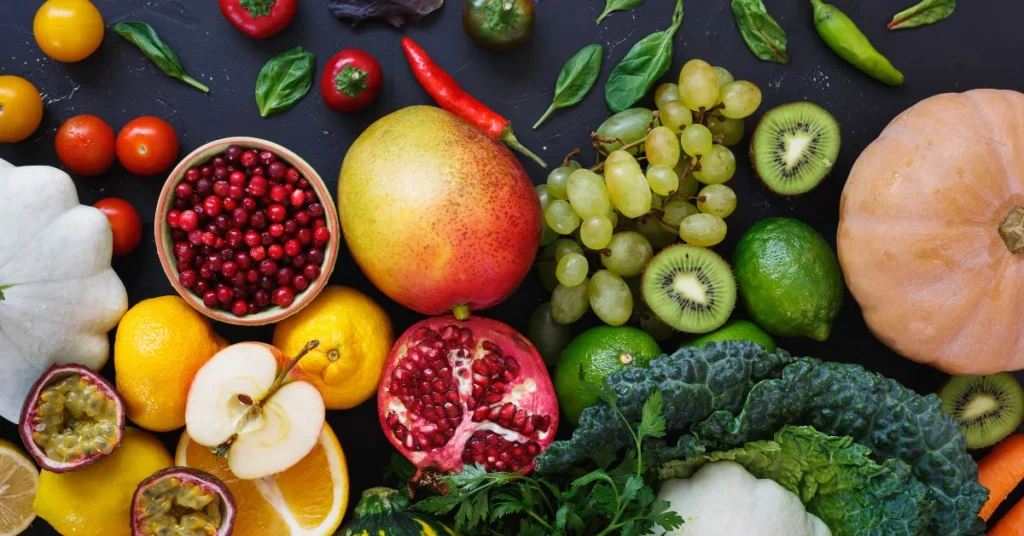
Dehydrated fruits and vegetables are light and tasty snacks. Removing water preserves vitamins and minerals. They last for months without spoiling. These foods add variety and nutrients to your emergency kit. Perfect for quick energy and fiber.
Energy Bars And Protein Snacks
Energy bars and protein snacks are compact and filling. They provide calories and protein in small packages. Easy to carry and eat on the go. Ideal for quick meals during power outages or evacuations. Choose bars with simple, natural ingredients.
Mres (meals Ready-to-eat)
MREs are complete meals designed for military use. They come in sealed packages with multiple items inside. No cooking needed, just open and eat. MREs have a long shelf life and balanced nutrition. They are reliable for emergency food supplies.
Best Brands For Emergency Food
Choosing the right emergency food can be challenging. It’s essential to pick reliable brands that provide nutritious, long-lasting meals. Below are some of the best brands for emergency food, ensuring you and your family are prepared for any situation.
Mountain House
Mountain House is known for its freeze-dried meals. They are lightweight and easy to prepare. Just add water, and your meal is ready in minutes. Their meals have a shelf life of up to 30 years. Popular options include beef stew and scrambled eggs.
Augason Farms
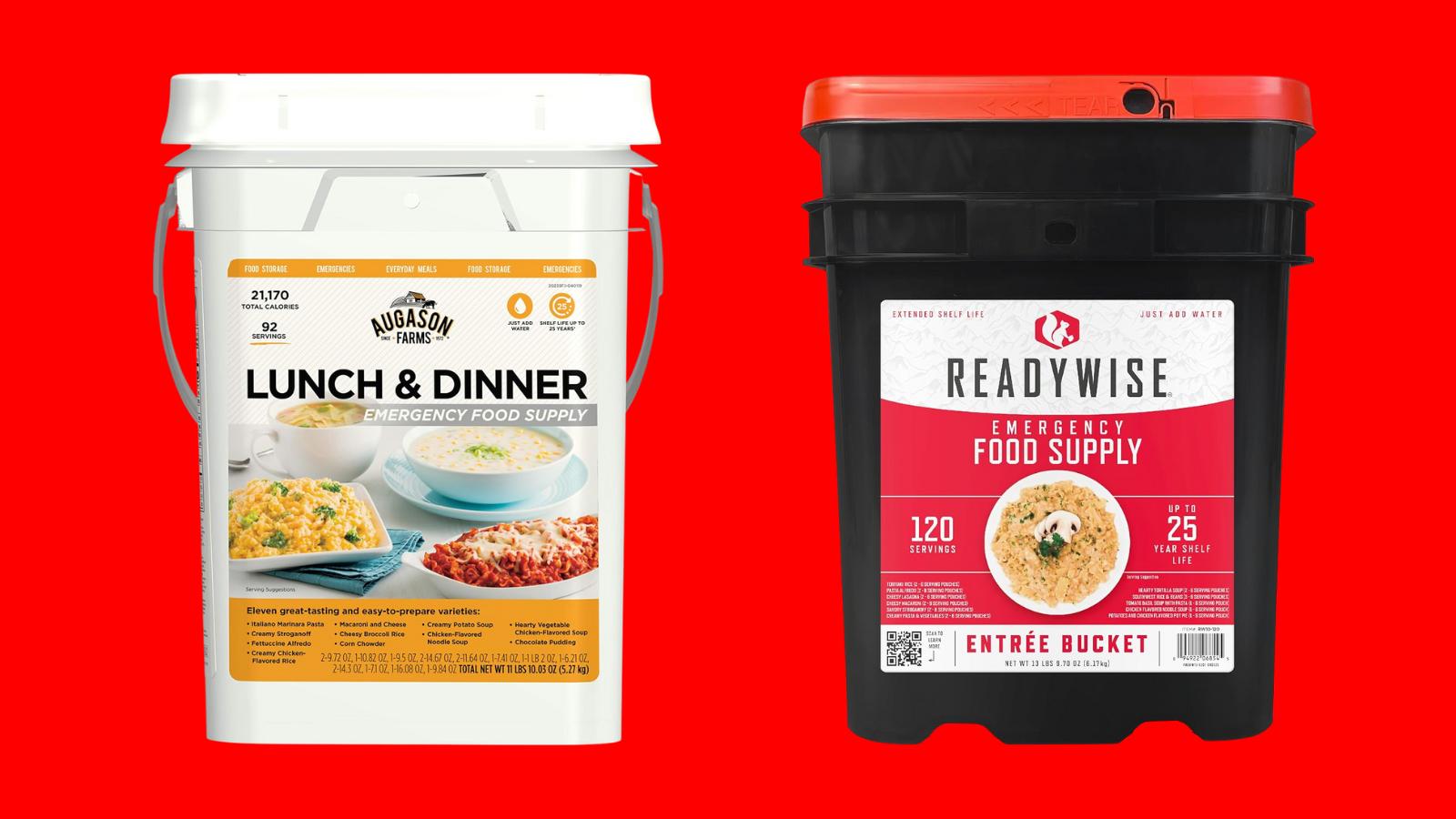
Augason Farms offers a variety of food kits. They provide meals, grains, and baking mixes. Their products are affordable and have a shelf life of up to 25 years. They focus on providing essential nutrients in every pack.
Wise Company
Wise Company specializes in ready-made meals. Their food is easy to store and prepare. The meals are designed for long-term storage, lasting up to 25 years. Choices range from breakfast options to hearty dinners.
Emergency Essentials
Emergency Essentials provides comprehensive food kits. Their offerings include freeze-dried and dehydrated foods. These foods are simple to prepare with minimal effort. They also offer bulk food and survival gear.
Legacy Food Storage
Legacy Food Storage is known for its large serving sizes. They offer GMO-free and gluten-free options. Their meals have a shelf life of up to 25 years. You can find options like pasta primavera and enchiladas.
Special Dietary Considerations
Special dietary needs require careful choice in emergency food supplies. Not everyone can eat the same foods safely. Some need gluten-free, vegan, or allergy-friendly options. Choosing the right food helps maintain health during emergencies.
Gluten-free Options
Gluten can cause serious problems for some people. Foods made without wheat, barley, or rye are essential. Look for emergency foods labeled gluten-free. Rice, quinoa, and corn-based items work well. These provide energy without causing harm.
Vegan And Vegetarian Choices
Plant-based diets exclude meat and animal products. Vegan emergency foods include beans, lentils, nuts, and dried fruits. Vegetarian options add dairy and eggs. These foods offer protein and nutrients needed for strength. Pre-packaged vegan meals are convenient and long-lasting.
Allergy-friendly Foods
Food allergies require strict avoidance of certain ingredients. Common allergens include nuts, dairy, soy, and shellfish. Choose emergency foods free from these allergens. Check labels carefully to avoid hidden ingredients. Safe options include plain rice, canned vegetables, and fresh fruits.
Tips For Building An Emergency Food Kit
Building an emergency food kit takes more than just grabbing a few canned goods. It requires careful planning to ensure you have enough food, the right balance of nutrients, and a system to keep everything fresh. Paying attention to these details can make a big difference in how well you manage during an unexpected situation.
Calculating Food Quantity
Start by figuring out how much food you need. Consider the number of people you’re feeding and how many days you want to be prepared for. A common guideline is to plan for at least three days of food per person, but aiming for two weeks can provide a better safety net.
Don’t forget to account for different appetites and activity levels. Kids, adults, and seniors all have varying calorie needs. Are you including pets in your plan? Their food requirements matter too.
Balancing Variety And Nutrition
Eating the same thing every day can get dull quickly. Include a mix of proteins, carbohydrates, fats, and essential vitamins. Think beyond just canned beans and rice; add dried fruits, nuts, powdered milk, and freeze-dried vegetables to keep meals interesting and nutritious.
Pay attention to special dietary needs in your household. Do you have anyone with allergies or specific health conditions? Tailoring your kit to these needs can prevent unnecessary stress during emergencies.
Rotation And Shelf Life Management
Food storage isn’t a “set it and forget it” task. Check expiration dates regularly and use the oldest items first. This habit keeps your kit fresh and ready to use without waste.
Label your containers with purchase dates and keep a list of what you have. How often do you plan to update your emergency food? Setting a reminder every six months can help you stay on top of rotations.

Credit: trueprepper.com
Where To Buy Emergency Food
Finding the right place to buy emergency food can make a big difference in how prepared you feel. Your options vary widely, from the convenience of online shopping to the hands-on approach of visiting local stores. Knowing where to look helps you compare products, prices, and quality to get the best emergency food for your needs.
Online Retailers
Online stores offer a huge variety of emergency food options. You can read reviews, check expiration dates, and compare prices all from your home. Websites like Amazon, Thrive Life, and Mountain House provide easy access to freeze-dried meals and long-lasting food kits.
Shopping online lets you find specialty brands that may not be available locally. Plus, many sites offer bulk discounts and subscription services to keep your pantry stocked. Have you ever found a food item online that surprised you with its quality or taste? This convenience often comes with fast delivery, helping you build your emergency stash quickly.
Specialty Survival Stores
Specialty survival stores cater specifically to prepping and emergency needs. Visiting one allows you to see products up close and ask experts for advice. These stores often stock a range of freeze-dried foods, MREs (Meals Ready to Eat), and essential survival gear all in one place.
Talking to staff who understand emergency preparedness can help you make smarter choices. You might discover unique food options that suit your diet or climate better than generic products. How confident are you in your current emergency food choices? Sometimes, a hands-on approach reveals details you wouldn’t notice online.
Local Grocery Options
Your local grocery store can surprise you with emergency food possibilities. Look for canned goods, dried beans, rice, pasta, and nuts – all staples that last long and provide nutrition. Many stores also carry ready-to-eat products like peanut butter and granola bars that are perfect for quick energy.
Buying locally means you can shop regularly and rotate your stock easily. It also gives you a chance to support local businesses and avoid shipping delays. Are you regularly checking your pantry for items that can double as emergency food? Starting small with what’s nearby can build a dependable food reserve over time.
Frequently Asked Questions
What Types Of Emergency Food Last The Longest?
Freeze-dried and dehydrated foods last the longest. They retain nutrients and flavor for 25+ years when stored properly. Canned foods also have a long shelf life but typically last 2 to 5 years. Always check expiration dates before buying.
Which Emergency Foods Provide The Most Nutrition?
Foods rich in protein, fiber, and vitamins offer the best nutrition. Examples include canned beans, nuts, freeze-dried fruits, and vegetables. Balanced meals with carbs, fats, and proteins ensure sustained energy during emergencies. Prioritize nutrient-dense options for long-term health.
How Much Emergency Food Should I Store Per Person?
Store at least a two-week supply per person. This includes three meals per day with snacks. Calculate about 2,000 calories daily for an average adult. Adjust amounts based on age, activity level, and health needs for adequate nutrition.
Are Ready-to-eat Emergency Meals A Good Option?
Yes, ready-to-eat meals are convenient and require no cooking. They are ideal for power outages or evacuation scenarios. Look for meals with balanced nutrition and long shelf life. Keep a variety of flavors to avoid meal fatigue.
Conclusion
Choosing the best emergency food means picking items that last long and taste good. Focus on foods with high nutrients and easy preparation. Think about your family’s needs and preferences too. Store your supplies in a cool, dry place to keep them fresh.
Rotate your food regularly to avoid spoilage. Being ready helps you stay safe and comfortable during tough times. Simple, reliable food choices make all the difference. Start building your emergency food kit today for peace of mind tomorrow.