Imagine facing a sudden emergency and realizing you don’t have the right food to keep you going. What would you do?
Having a well-stocked emergency food kit can make all the difference when every minute counts. But what exactly should you put in your kit to stay nourished and strong? You’ll discover simple, practical choices that will keep you and your loved ones safe and healthy during any unexpected situation.
Keep reading to learn how to build a food kit that’s ready for anything.

Credit: www.mypatriotsupply.com
Shelf-stable Proteins
Shelf-stable proteins are essential for any emergency food kit. They provide vital nutrients and energy. These proteins last long without refrigeration. They keep well in varying temperatures. Including a variety helps balance your diet during emergencies.
Choose proteins that are easy to store and prepare. Look for options rich in protein and calories. These foods can sustain you until fresh food is available again. Proper selection ensures you stay strong and healthy.
Canned Meats And Fish
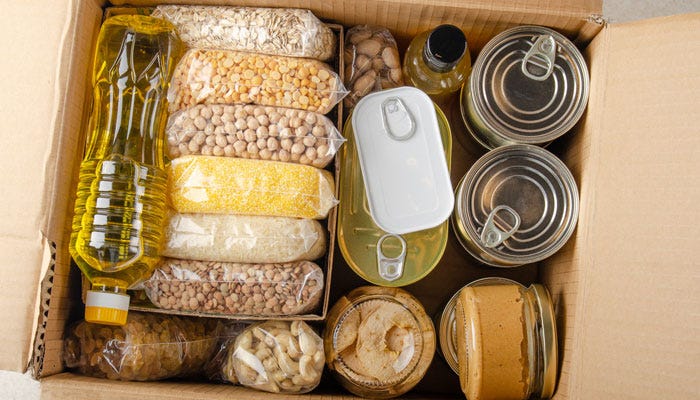
Canned meats and fish offer ready-to-eat protein. Items like tuna, chicken, and salmon are common. They come sealed in airtight cans. This preserves their freshness for years. Canned meats are versatile for many recipes. They require no cooking, just open and eat.
Dried Beans And Lentils
Dried beans and lentils are excellent plant-based proteins. They have a long shelf life when stored dry. Soak and boil them before eating. These legumes are filling and nutritious. They provide fiber, protein, and essential minerals.
Powdered Eggs And Milk
Powdered eggs and milk are lightweight protein sources. They rehydrate easily with water. These powders last for months in sealed containers. Great for baking or cooking meals. They add protein without needing refrigeration.
Nut Butters And Seeds
Nut butters and seeds pack healthy fats and protein. Peanut butter, almond butter, sunflower seeds, and pumpkin seeds work well. Store in sealed jars or vacuum bags. They provide quick energy and essential nutrients. Easy to eat on the go or add to meals.
Carbohydrate Sources
Carbohydrates provide essential energy during emergencies. They help maintain strength and keep the body active. Choose carbohydrate sources that last long and are easy to prepare. Variety is key to avoid boredom and ensure balanced nutrition.
Rice And Pasta
Rice and pasta are staples in emergency food kits. They store well and cook quickly. White rice and dried pasta last longer than their fresh counterparts. Both offer a good energy boost and pair well with many foods.
Instant Oatmeal And Cereals
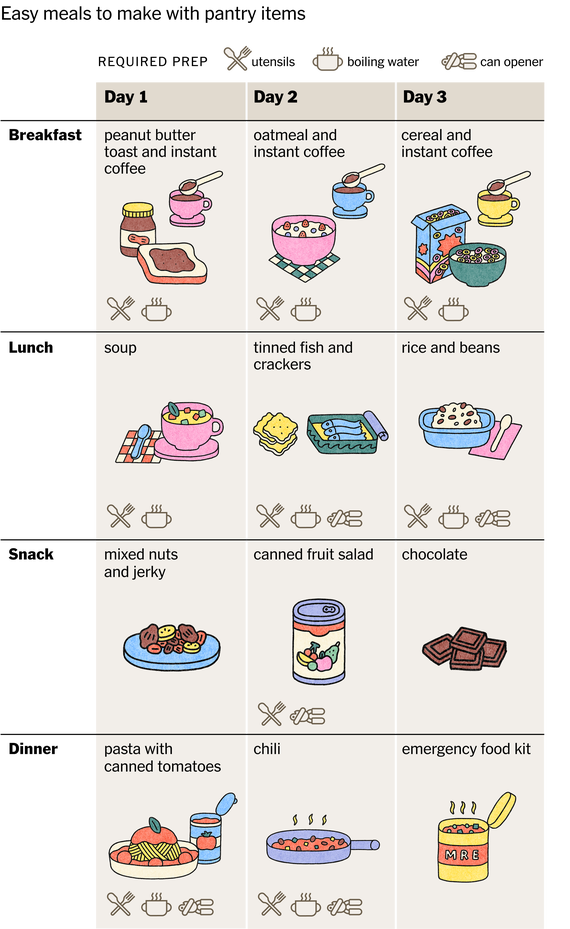
Instant oatmeal and cereals are quick, nutritious options. They need minimal water and cooking time. These items provide fiber and important vitamins. They are perfect for breakfast or a light meal.
Dehydrated Potatoes
Dehydrated potatoes are lightweight and have a long shelf life. They rehydrate easily with hot water. This option adds variety and comfort to meals. Potatoes offer good carbohydrates and some minerals.
Crackers And Energy Bars
Crackers and energy bars are convenient snacks. They are easy to carry and eat anywhere. These foods often contain extra nutrients like protein and fats. Choose whole grain or high-energy bars for better nutrition.
Fruits And Vegetables
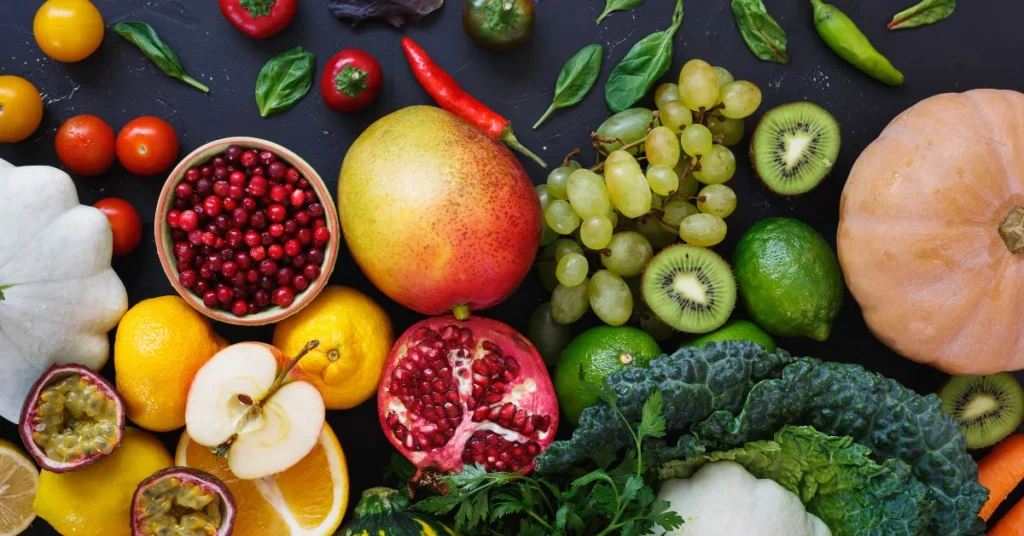
Fruits and vegetables are essential for a balanced emergency food kit. They provide vitamins, minerals, and fiber. Fresh produce may spoil quickly, so choose long-lasting options. These alternatives keep your kit nutritious and tasty.
Canned And Jarred Produce
Canned and jarred fruits and vegetables last for years. They keep nutrients and flavor sealed inside. Look for low-sodium vegetables and fruits packed in natural juice or water. Easy to store and ready to eat.
Freeze-dried Options
Freeze-dried fruits and vegetables retain most nutrients. They are lightweight and have a long shelf life. Simply add water to rehydrate. Great for space-saving and emergency use.
Fruit Leathers And Dried Fruits
Fruit leathers and dried fruits are sweet and portable. They offer energy and vitamins in a small pack. Choose unsweetened varieties to avoid extra sugar. Perfect for quick snacks during emergencies.
Vegetable Powders And Soups
Vegetable powders add flavor and nutrients to meals. Mix into water or broth for a quick soup. Dehydrated vegetable soups are easy to prepare and store. A warm, comforting option for tough days.
Hydration Essentials
Water packets, electrolyte tablets, and hydration powders keep you refreshed and energized during emergencies. Include a durable water container to store and carry liquids safely. Proper hydration supports health and helps prevent dehydration in urgent situations.
In an emergency, staying hydrated is crucial. Water is vital for health and survival. It helps in digestion and keeps the body functioning. An emergency food kit must include hydration essentials.Bottled Water Storage
Store enough bottled water for everyone in your household. Aim for at least one gallon per person daily. This covers drinking and basic hygiene needs. Use sturdy, sealed containers to prevent leaks.Water Purification Methods
Safe water isn’t always accessible. Consider having water purification tablets on hand. These tablets kill harmful bacteria and viruses. A portable water filter can also be useful. It removes dirt and impurities from natural water sources.Electrolyte Powders
Electrolyte powders replenish lost minerals. They are easy to store and use. Mix them with water for quick hydration. They help balance the body’s fluids, especially after sweating.Sports Drinks And Hydration Tablets
Sports drinks provide quick energy and hydration. They contain electrolytes and are great for emergencies. Hydration tablets are another option. They dissolve in water and are easy to carry. Both help maintain fluid levels in the body.Cooking And Preparation Supplies
Having the right cooking and preparation supplies in your emergency food kit is crucial. These tools ensure you can safely and efficiently prepare meals under any circumstance. Without them, even the best food supplies can become difficult to use.
Portable Stoves And Fuel
A portable stove lets you cook hot meals quickly, which can boost your morale during stressful times. Choose lightweight models that are easy to operate and clean. Don’t forget to pack enough fuel—consider fuel tablets, small gas canisters, or even multi-fuel stoves that work with different fuel types.
Mess Kits And Utensils
Mess kits typically include plates, bowls, cups, and basic utensils. Opt for durable, stackable sets made from materials like stainless steel or BPA-free plastic. Having your own utensils avoids relying on disposable items, which might not always be available or eco-friendly.
Water Containers And Filters
Water is essential, but clean water is even more critical. Pack collapsible water containers to save space when not in use. Include portable water filters or purification tablets to ensure your water is safe to drink, especially if you need to source from natural bodies of water.
Manual Can Openers
Canned foods last long and are common in emergency kits, but without a manual can opener, they’re hard to access. Choose a durable, easy-to-use model that doesn’t require electricity or batteries. Have you ever tried opening a can without one? It’s frustrating and wastes precious time.
Comfort And Nutrition Boosters
Adding comfort and nutrition boosters to your emergency food kit can make a big difference in how you feel during stressful times. These items not only improve the taste of basic rations but also help maintain your energy and health. Think about what small comforts or quick nutrition hits you’d want when everything else feels uncertain.
Spices And Condiments
A pinch of salt or a dash of hot sauce can transform bland emergency meals into something more enjoyable. Carry small packets of your favorite spices like garlic powder, chili flakes, or dried herbs. These tiny additions boost flavor and lift your spirits, making it easier to eat the same food day after day.
Vitamin Supplements
Vitamins are easy to forget but crucial to keep your body strong when fresh produce isn’t available. Include a basic multivitamin or specific supplements like vitamin C and D. They support your immune system and help fill nutritional gaps, especially if your emergency diet is limited.
Energy Gels And Snacks
Quick energy sources are lifesavers when you need a fast boost. Pack energy gels, protein bars, or trail mix rich in nuts and dried fruits. These snacks provide calories and nutrients without requiring cooking or preparation, ideal for busy or low-energy moments.
Caffeine And Tea
Many people rely on caffeine for alertness and comfort. Include instant coffee packets, tea bags, or even powdered green tea. These familiar drinks can improve your mood and focus, helping you stay sharp during emergencies.
Food Storage Tips
Storing food properly in an emergency kit keeps it fresh and safe for use. Good storage prevents waste and saves money. It also ensures you have reliable food when needed most. Use smart storage habits to protect your supplies.
Packaging And Containers
Choose airtight containers to keep food dry and free from air. Use heavy-duty plastic, glass jars, or metal cans for strong protection. Vacuum-sealed bags extend shelf life by removing oxygen. Label containers with content and date for easy tracking.
Rotation And Shelf Life
Store food by date to use older items first. Place new supplies behind older ones. Check expiration dates regularly. Replace food before it expires to keep the kit ready. Keep a list of all items and their shelf lives.
Pest Prevention
Seal containers tightly to block pests like insects and rodents. Store food off the floor and away from walls. Use pest-proof bins or metal containers. Inspect food regularly for signs of damage or pests. Keep storage areas clean and dry.
Temperature Control
Store food in a cool, dark place to slow spoilage. Avoid areas with temperature swings or direct sunlight. Ideal temperatures are below 75°F (24°C). High heat can reduce shelf life and damage packaging. Check storage temperature often to protect your supplies.
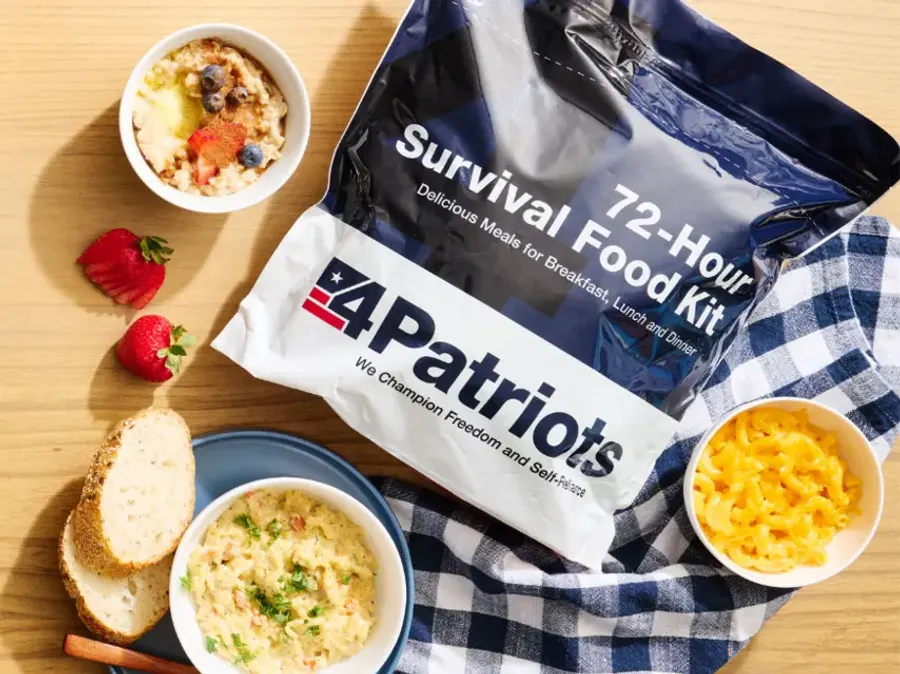
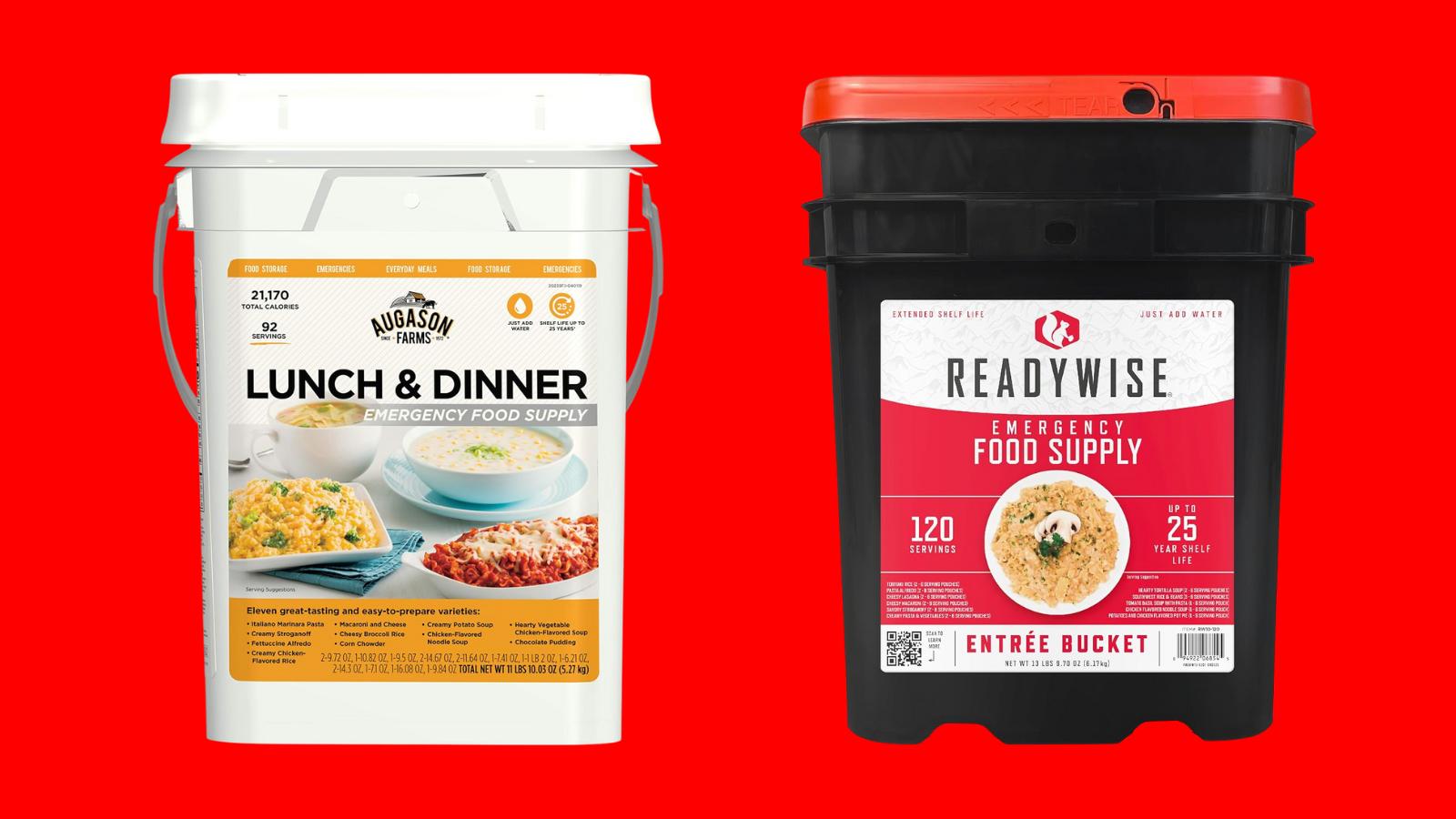
Credit: 4patriots.com

Credit: mountainhouse.com
Frequently Asked Questions
What Are The Essential Foods For An Emergency Kit?
Include non-perishable items like canned beans, rice, pasta, and dried fruits. Also add high-protein snacks, powdered milk, and energy bars. These foods last long and provide necessary nutrients during emergencies.
How Much Food Should I Store Per Person?
Store at least a three-day supply of food per person. Ideally, plan for one gallon of water daily per person. This ensures you have enough sustenance until help arrives or conditions improve.
Can I Include Fresh Food In An Emergency Kit?
Fresh foods spoil quickly and are not recommended. Focus on shelf-stable, non-perishable items that last months or years. Avoid fresh produce unless you can consume it immediately or have proper storage.
Should I Consider Dietary Restrictions In My Kit?
Yes, always account for allergies and dietary needs. Include gluten-free, vegan, or allergy-friendly options as needed. This ensures everyone in your group stays safe and nourished during emergencies.
Conclusion
Packing the right items in your emergency food kit saves lives. Choose foods that last long and need no cooking. Include water, snacks, and easy meals. Don’t forget to add a manual can opener. Keep your kit updated and check it often.
Being ready brings peace and safety. Prepare today, stay safe tomorrow.