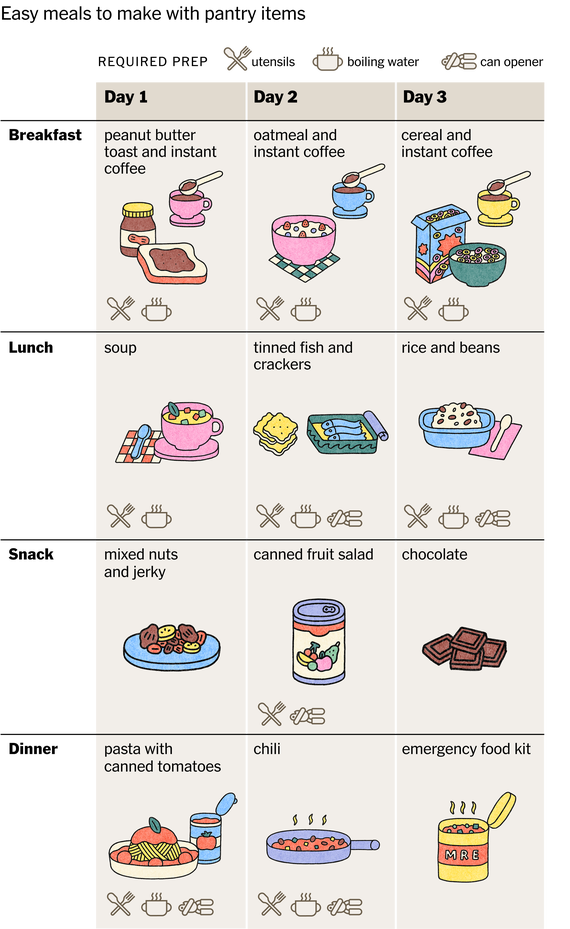
When an emergency strikes, having the right food on hand can make all the difference for you and your loved ones. You want to be prepared without wasting space or money on items that won’t last or keep you full.
But how do you choose the best foods to stock up on? This guide will help you discover the key types of food that stay fresh, provide energy, and keep you healthy when you need them most. Keep reading to find out exactly what to buy so you can feel confident and ready for whatever comes your way.
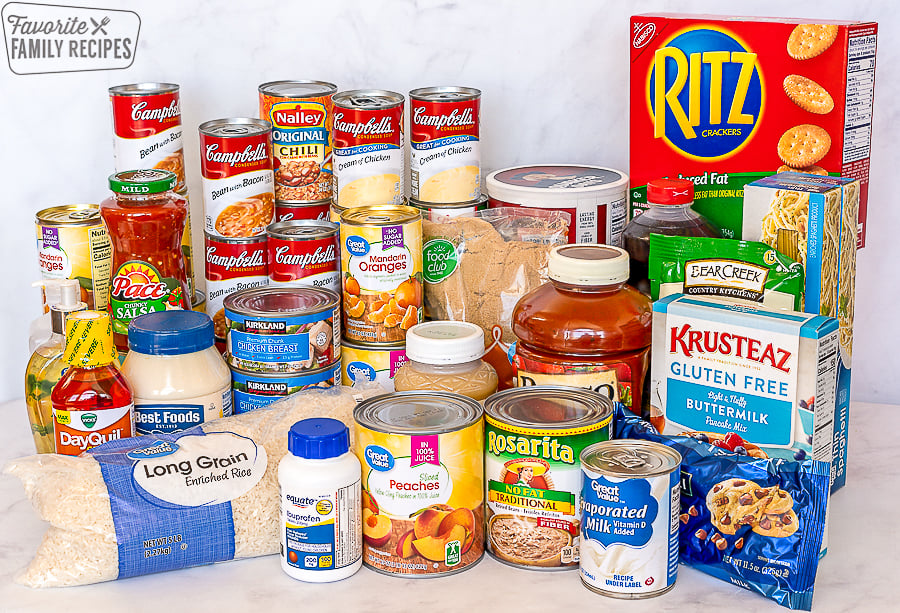
Credit: www.favfamilyrecipes.com
Long-lasting Staples
Long-lasting staples form the backbone of any emergency food supply. They store well for months or even years. These foods provide essential nutrients and energy during tough times. Choosing the right staples ensures you stay nourished and satisfied. Focus on items that are easy to cook and versatile.
Grains And Rice
Grains and rice are excellent sources of carbohydrates. They store easily and have long shelf lives. Brown rice lasts up to six months, while white rice can last up to 30 years if stored properly. Grains like oats, barley, and quinoa also add variety and nutrition. These foods are filling and provide steady energy.
Canned Beans And Legumes
Canned beans and legumes offer protein and fiber. They are ready to eat and require little preparation. Beans like black beans, chickpeas, and kidney beans last for years in cans. These foods help maintain muscle and support digestion. Canned options save time and reduce waste.
Dried Pasta
Dried pasta is lightweight and easy to store. It has a shelf life of one to two years. Pasta cooks quickly and pairs well with many sauces and ingredients. It provides energy and can be a comfort food during emergencies. Stock various shapes for meal variety.
Protein Sources
Protein is a vital nutrient to store for emergencies. It helps repair body tissues and supports the immune system. Storing the right protein sources ensures you get enough energy and nutrition during tough times. Choose options that last long and are easy to prepare.
Canned Meats And Fish
Canned meats and fish offer convenient protein. They have a long shelf life and need no refrigeration. Popular choices include:
- Canned chicken
- Tuna
- Salmon
- Beef
- Sardines
These options are ready to eat and easy to store. They provide essential amino acids and healthy fats.
Shelf-stable Nut Butters
Nut butters are a great plant-based protein source. They store well without refrigeration. Common types include peanut, almond, and cashew butters. Nut butters are rich in calories and healthy fats. They can be eaten alone or added to meals for extra energy.
Dehydrated And Freeze-dried Options
Dehydrated and freeze-dried proteins last very long. They are lightweight and take up little space. Common choices include:
- Freeze-dried chicken
- Beef jerky
- Powdered eggs
- Protein powders
These options require water or rehydration before eating. They keep nutrients intact and provide quick, easy meals.
Fruits And Vegetables
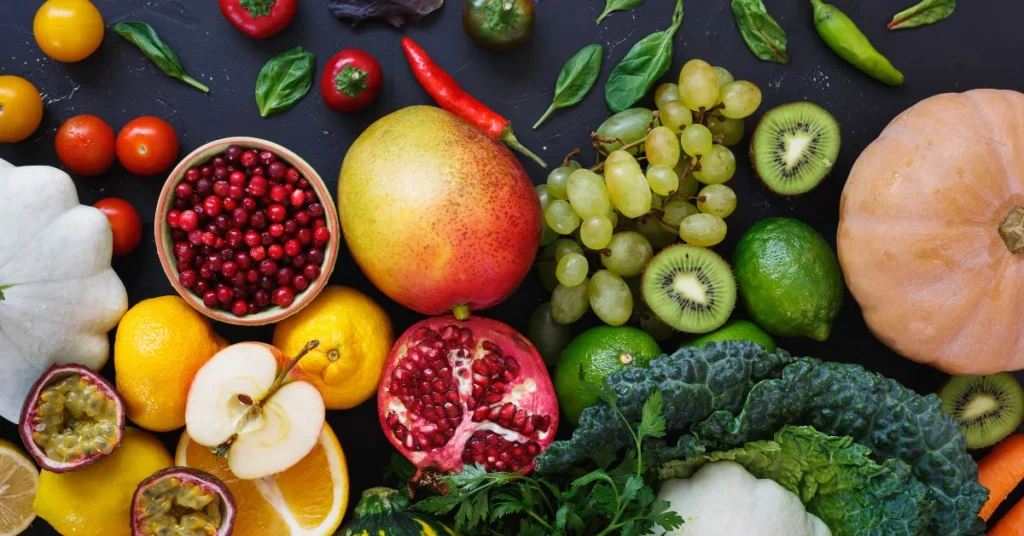
Fresh fruits and vegetables provide essential vitamins and minerals during emergencies. Choose long-lasting options like apples, carrots, and potatoes for better storage. Canned and dried varieties are also smart choices to keep your supply ready.
Stocking up on fruits and vegetables for emergencies ensures you have vital nutrients when fresh produce is unavailable. These foods not only provide essential vitamins and minerals but also add variety and flavor to your meals. It’s crucial to choose options that are shelf-stable and can last long without refrigeration.Canned Vegetables
Canned vegetables are a convenient and practical choice for emergencies. They are pre-cooked, making meal preparation quick and easy. Consider options like green beans, corn, and peas, which can be used in a variety of dishes. Canned vegetables retain most of their nutritional value, and the canning process extends their shelf life significantly. Look for options with low sodium to keep your meals healthy. You might be surprised how a simple can of tomatoes can transform a basic dish into something delicious and comforting.Dried Fruits
Dried fruits are packed with nutrients and are an excellent source of fiber. They can be eaten as a snack or added to meals for a touch of sweetness. Choices like raisins, apricots, and dates are not only tasty but also energy-dense. They are lightweight and take up minimal storage space, making them easy to stockpile. You might find that a handful of dried mango can brighten up a dreary day, offering both sustenance and a morale boost.Freeze-dried Produce
Freeze-dried produce is an innovative option that retains most of the original flavor and nutrients of fresh fruits and vegetables. They are incredibly lightweight and have a long shelf life, often lasting years if stored properly. Rehydrating freeze-dried foods is simple—just add water, and they return to nearly their original state. Imagine having strawberries or broccoli at your fingertips, no matter the season. This versatility can transform your meal planning during emergencies, allowing you to enjoy familiar flavors and maintain a balanced diet.
Credit: mountainhouse.com
Cooking Essentials
Cooking essentials form the backbone of any emergency food stockpile. Without the right basics, even the most abundant supplies can feel bland or difficult to prepare. Having a selection of oils, salts, and sweeteners ensures you can create meals that not only sustain but also comfort you during tough times.
Oils And Fats
Oils and fats are crucial for cooking, baking, and adding flavor. Stock up on shelf-stable options like vegetable oil, olive oil, and coconut oil. These oils have long shelf lives and provide necessary calories and nutrients.
Don’t forget fats like shortening or ghee. They are great for frying and can withstand higher heat without breaking down. Think about how much you use daily—having enough can make a big difference in meal variety and satisfaction.
Salt And Spices
Salt isn’t just a seasoning; it’s essential for preserving food and maintaining electrolyte balance. Keep iodized salt for health benefits, and consider sea salt or kosher salt for cooking. A well-stocked spice rack can transform simple ingredients into tasty meals.
Spices like black pepper, paprika, cumin, and garlic powder add depth and excitement to your dishes. You might be surprised how a pinch of the right spice can lift a basic stew or soup. Ask yourself: which flavors do you crave most when comfort food matters?
Sugar And Sweeteners
Sugar plays multiple roles beyond sweetness—it helps with fermentation, preservation, and even energy. Granulated sugar is a must-have, but consider stocking alternatives like honey, maple syrup, or molasses for variety and added nutrients.
Sweeteners can also improve morale during emergencies by allowing you to bake or sweeten drinks. Think about the sweets or treats that bring you comfort and keep those ingredients on hand. How often do you find yourself reaching for a little sweetness to brighten your day?
Ready-to-eat Meals
Ready-to-eat meals provide a quick and practical food option during emergencies. They require no cooking or minimal preparation. These meals save time and energy when resources are limited. They come in various forms, each suited for different needs and preferences. Stocking a variety of ready-to-eat foods ensures balanced nutrition and convenience.
Mres And Meal Kits
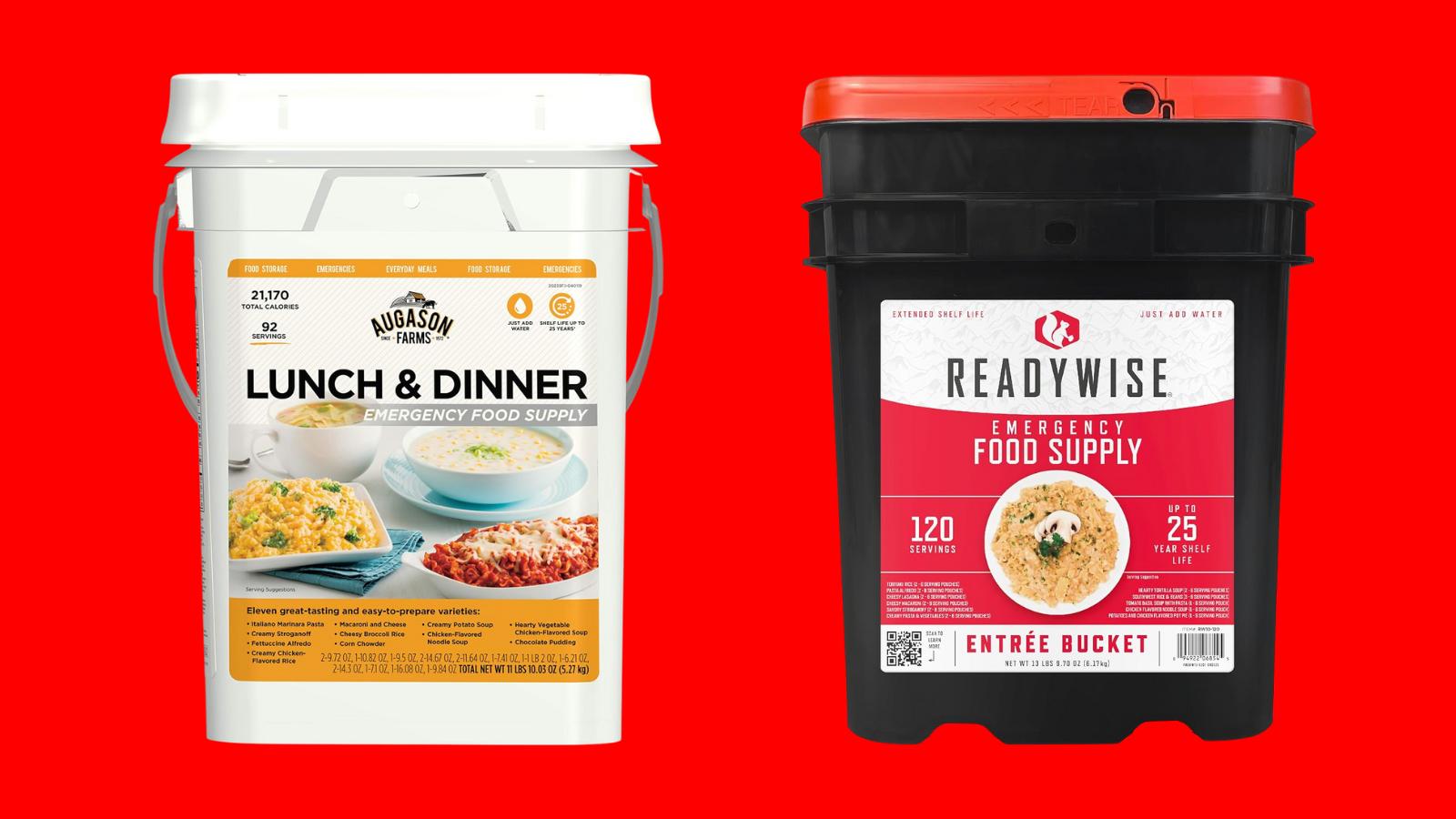
Meals Ready-to-Eat (MREs) are complete meals sealed for long shelf life. They often include an entrée, side dish, dessert, and utensils. MREs need no cooking and can be eaten cold. Meal kits offer similar convenience with fresh or freeze-dried components. Both are portable and ideal for emergency kits.
Instant Soups And Noodles
Instant soups and noodles require only hot water to prepare. They are lightweight and easy to store. These meals provide warmth and comfort in tough situations. Many options come fortified with vitamins and minerals. Choose varieties with low sodium for healthier choices.
Energy Bars And Snacks
Energy bars and snacks deliver quick fuel and essential nutrients. They are compact and have a long shelf life. Great for boosting energy during stressful times. Look for bars with balanced protein, carbs, and fats. Include nuts, dried fruits, and trail mixes for variety.
Hydration Supplies
Staying hydrated during an emergency is more than just having water on hand. Your body needs clean, safe fluids to function properly, especially when stress and physical exertion increase. Hydration supplies should be a key part of your emergency food stockpile, ensuring you can maintain health and energy no matter the situation.
Bottled Water
Bottled water is the simplest and most reliable hydration supply to have. It’s ready to drink and comes in various sizes, so you can choose what fits your storage space. Always check expiration dates and rotate your stock every six months to keep it fresh.
Think about how many bottles you use daily and multiply that by the number of days you want to be prepared for. Don’t forget to store extra for pets or guests. Have you considered where you’ll keep your water to protect it from heat and sunlight?
Water Purification Tablets
Water purification tablets are a lightweight, compact solution if your bottled water runs out. They kill bacteria and viruses in unsafe water sources, making it drinkable. This is especially useful if you need to collect water from streams or rain during a disaster.
Keep these tablets in a waterproof container and replace them as recommended. Remember, they only work if you follow the instructions carefully. Have you tried using them before to know how long it takes for water to be safe?
Electrolyte Mixes
Electrolyte mixes help replace essential minerals like sodium, potassium, and magnesium lost through sweat or illness. Drinking plain water isn’t always enough during emergencies, especially if you’re active or feeling unwell. These mixes come in powder or tablet form and are easy to add to your water supply.
Choose options low in sugar and high in essential minerals for the best health benefits. Store them in a dry place and keep track of expiration dates. How do you plan to keep your energy balanced when clean water alone isn’t enough?
Storage Tips
Proper storage extends the life of emergency food supplies. It keeps food safe and fresh longer. Storing food correctly helps avoid waste and saves money. Knowing the best way to store each item makes your emergency kit reliable.
Proper Containers
Use airtight containers to keep food dry and protected. Glass jars, plastic bins, and metal cans work well. Avoid containers that let air or moisture in. Label containers with the food name and date. This helps track freshness and organize supplies.
Cool And Dry Locations
Store food in cool, dry places away from sunlight. Heat and moisture cause food to spoil faster. Basements, pantries, or closets are good spots. Keep food off the floor to prevent pests and damage. Consistent temperature helps maintain food quality.
Rotation And Shelf Life
Use the first-in, first-out (FIFO) rule to rotate food. Eat older items before newer ones. Check expiration dates regularly and replace expired food. Some foods last longer, like rice and dried beans. Others, like canned fruits, need replacing every few years.

Credit: www.forbes.com
Frequently Asked Questions
What Are The Best Non-perishable Foods For Emergencies?
Non-perishable foods like canned beans, rice, pasta, and dried fruits last long. They require minimal preparation and provide essential nutrients during emergencies.
How Much Emergency Food Should I Stock Per Person?
Stock at least a two-week supply of food per person. This ensures enough nutrition during unexpected situations without frequent resupply.
Are Freeze-dried Foods Good For Emergency Storage?
Yes, freeze-dried foods retain nutrients and last for years. They are lightweight, easy to store, and ideal for long-term emergency kits.
Can I Include Snacks In My Emergency Food Supply?
Including snacks like nuts and granola bars boosts energy and morale. They are convenient and help maintain calorie intake during emergencies.
Conclusion
Stocking up on the right food keeps you safe and ready. Choose items that last long and need little cooking. Think about nutrition, taste, and ease of use. Don’t forget water and some comfort foods too. Regularly check your supplies and replace old items.
Planning ahead makes emergencies less stressful for everyone. Stay prepared with simple, smart food choices. It helps you stay strong and calm in tough times. Keep your emergency food supply steady and reliable.