When an emergency strikes, having the right food on hand can make all the difference for you and your loved ones. But what food should you stockpile to stay safe, healthy, and comfortable?
Choosing the best items isn’t just about filling your pantry—it’s about preparing smartly so you won’t have to worry when the unexpected happens. You’ll discover simple, practical tips to build a food supply that meets your needs and keeps you ready for any situation.
Keep reading, and you’ll learn exactly what to buy, how to store it, and why each choice matters. Your peace of mind starts here.
Criteria For Emergency Foods
Choosing the right foods for emergencies requires careful thought. Foods must meet certain criteria to stay safe and useful over time. Selecting foods based on these factors ensures you have reliable nutrition during a crisis.
Shelf Life And Durability
Foods should last long without spoiling. Look for items with a shelf life of months or years. Durable foods resist damage from moisture, heat, and pests. Canned goods, dried beans, and sealed grains are good choices. Avoid fresh foods that spoil quickly.
Nutritional Value
Emergency foods must provide essential nutrients. Focus on proteins, carbohydrates, fats, vitamins, and minerals. Balanced nutrition helps maintain energy and health. Choose foods rich in calories and nutrients. Examples include peanut butter, canned fish, and fortified cereals.
Ease Of Preparation
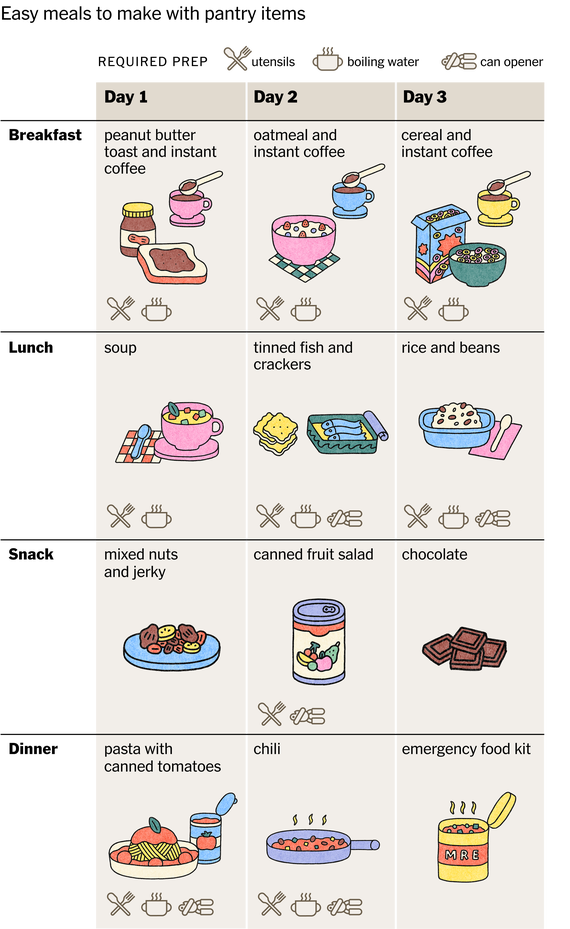
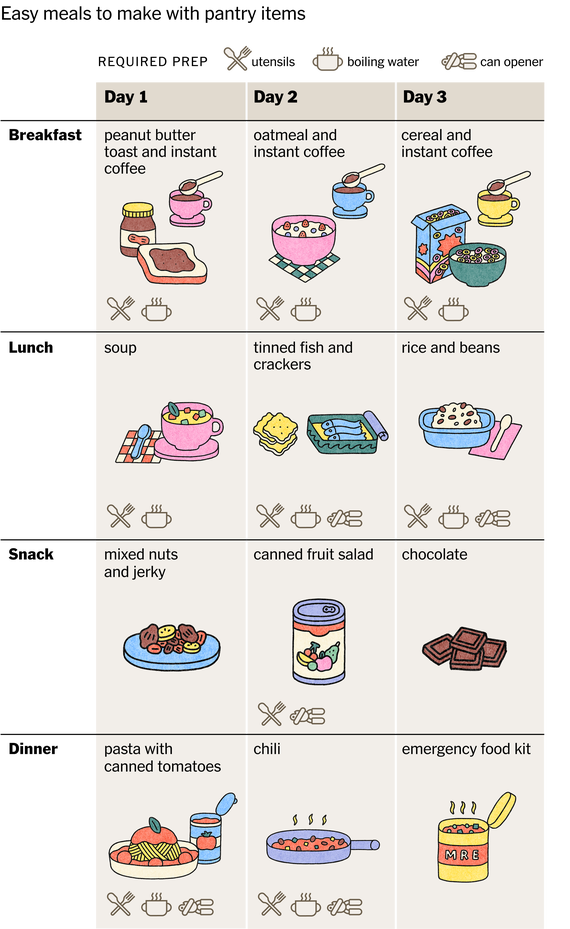
Simple foods save time and energy during emergencies. Pick items that require minimal cooking or water. Ready-to-eat meals and canned foods work well. Dehydrated meals that only need hot water are also practical. Avoid foods needing complex cooking or many ingredients.
Storage Requirements
Store foods in cool, dry places to extend freshness. Foods that do not need refrigeration are best. Use airtight containers to protect from pests and moisture. Compact packaging saves space and keeps foods organized. Check labels for specific storage instructions.
Staple Grains And Legumes
Staple grains and legumes form the backbone of any emergency food supply. They store well for long periods and provide essential nutrients. These foods are easy to prepare and fill you up with energy. Choose a variety to keep meals interesting and balanced.
Rice And Quinoa
Rice is a classic staple that lasts for years if stored properly. It cooks quickly and pairs well with many dishes. Quinoa offers a boost of protein and cooks faster than most grains. Both grains are gluten-free and versatile for soups, salads, or side dishes.
Beans And Lentils
Beans and lentils are rich in protein and fiber. They help keep you full and support digestion. These legumes come in many types, such as black beans, chickpeas, and red lentils. Soaking them before cooking reduces cooking time and improves digestion.
Oats And Barley
Oats are great for breakfast and snacks. They provide slow-releasing energy and help maintain blood sugar levels. Barley is a hearty grain good for soups and stews. Both grains have a long shelf life and add texture and flavor to meals.
Canned And Preserved Foods
Canned and preserved foods are essential for emergencies. Stock up on beans, vegetables, and soups. These items last long and provide necessary nutrients.
Stockpiling food for emergencies is a smart move. Canned and preserved foods are excellent choices. They have a long shelf life and are easy to store. These foods provide essential nutrients and energy during critical times. Let’s explore some vital categories.Vegetables And Fruits
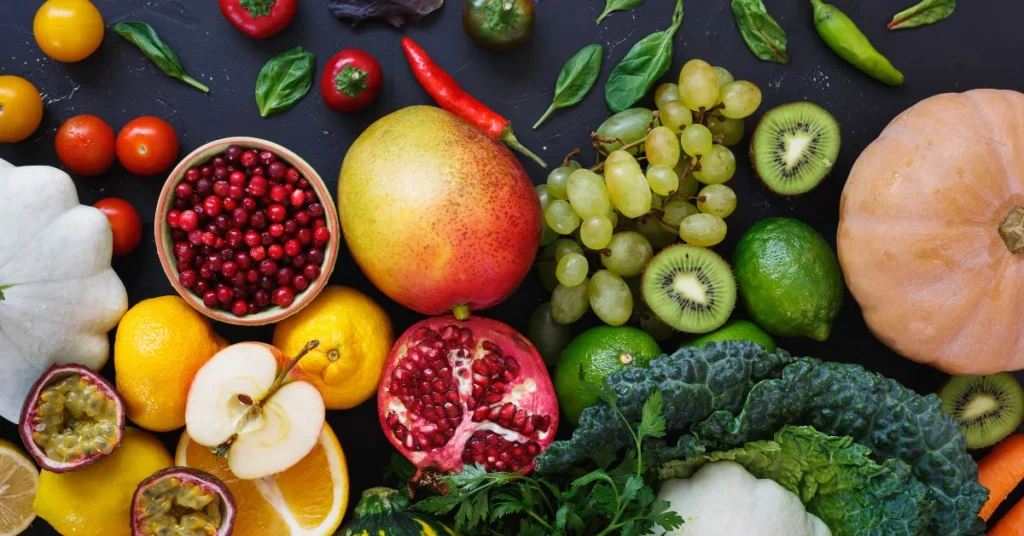
Canned vegetables are rich in vitamins and minerals. Stock up on green beans, corn, and peas. These offer essential nutrients and are versatile in meals. Canned fruits like peaches and pineapples provide natural sugars. They make a great energy boost. Choose varieties packed in water or juice.Meats And Fish
Canned meats are protein-rich and filling. Consider chicken, beef, and turkey options. They are great for quick meals. Canned fish like tuna and salmon are nutritious. They offer omega-3 fatty acids. These are heart-healthy and versatile for various dishes.Soups And Stews
Soups and stews are comforting and nutritious. Canned versions are easy to prepare. Choose options with vegetables and proteins. They provide a balanced meal. Opt for low-sodium versions for a healthier choice. Warm and filling, they’re perfect for emergencies.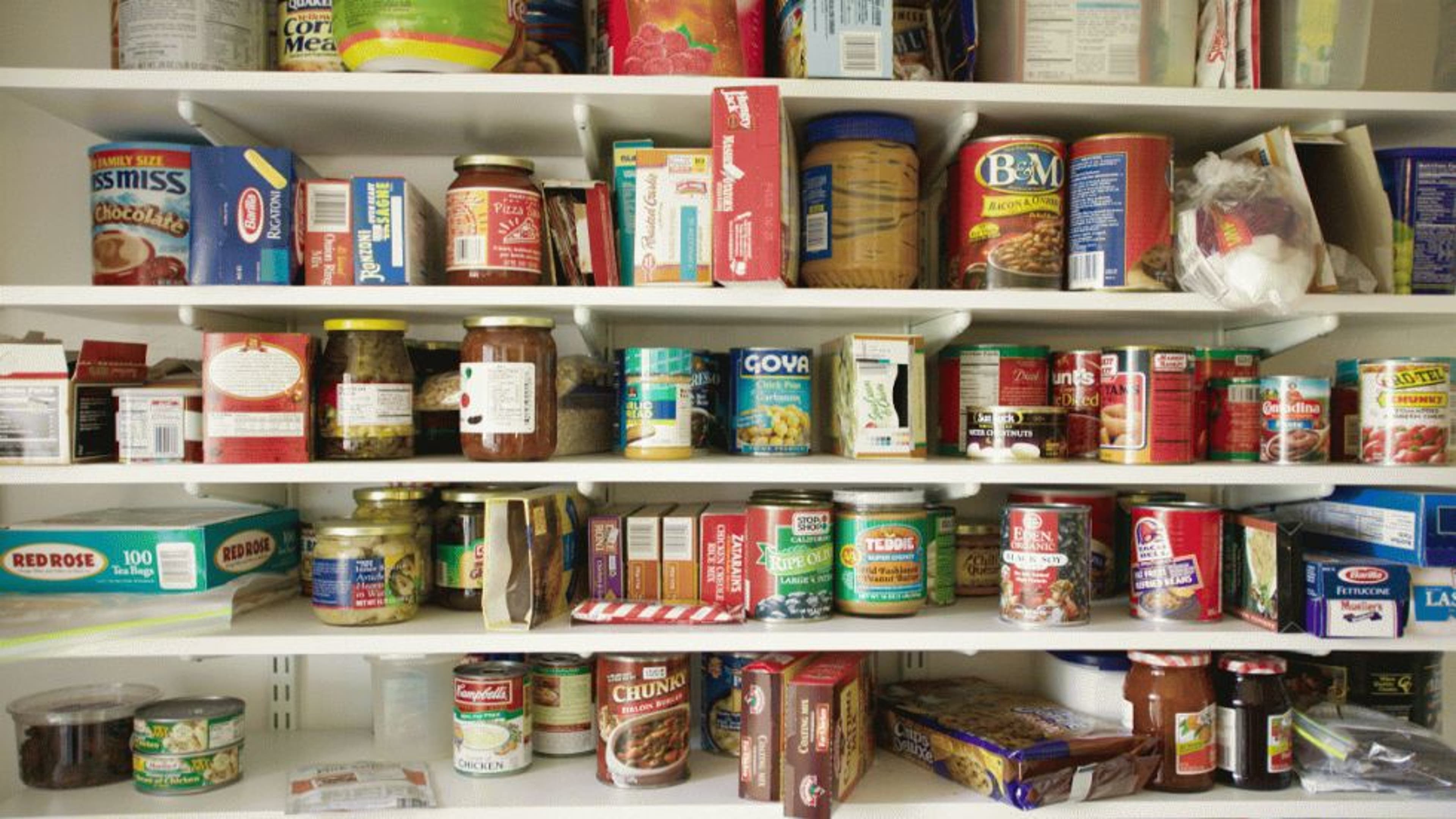
Credit: weather.com
Dried And Freeze-dried Options
Dried and freeze-dried foods are essential for emergency stockpiles. They last a long time and need little space. These foods keep most of their nutrients and flavors. Perfect for times when fresh food is unavailable. They also make cooking quick and easy.
Freeze-dried Fruits And Vegetables
Freeze-dried fruits and vegetables keep their color and taste well. They rehydrate quickly in water. Great for snacks or adding to meals. Common options include apples, berries, peas, and carrots. These foods provide important vitamins and fiber. They are lightweight and easy to carry.
Dehydrated Meats
Dehydrated meats like beef jerky or dried chicken offer protein. They store well without refrigeration. Good for energy and muscle repair. These meats can be eaten as snacks or added to dishes. Choose low-sodium versions to stay healthy. They add flavor and variety to your emergency meals.
Instant Meals
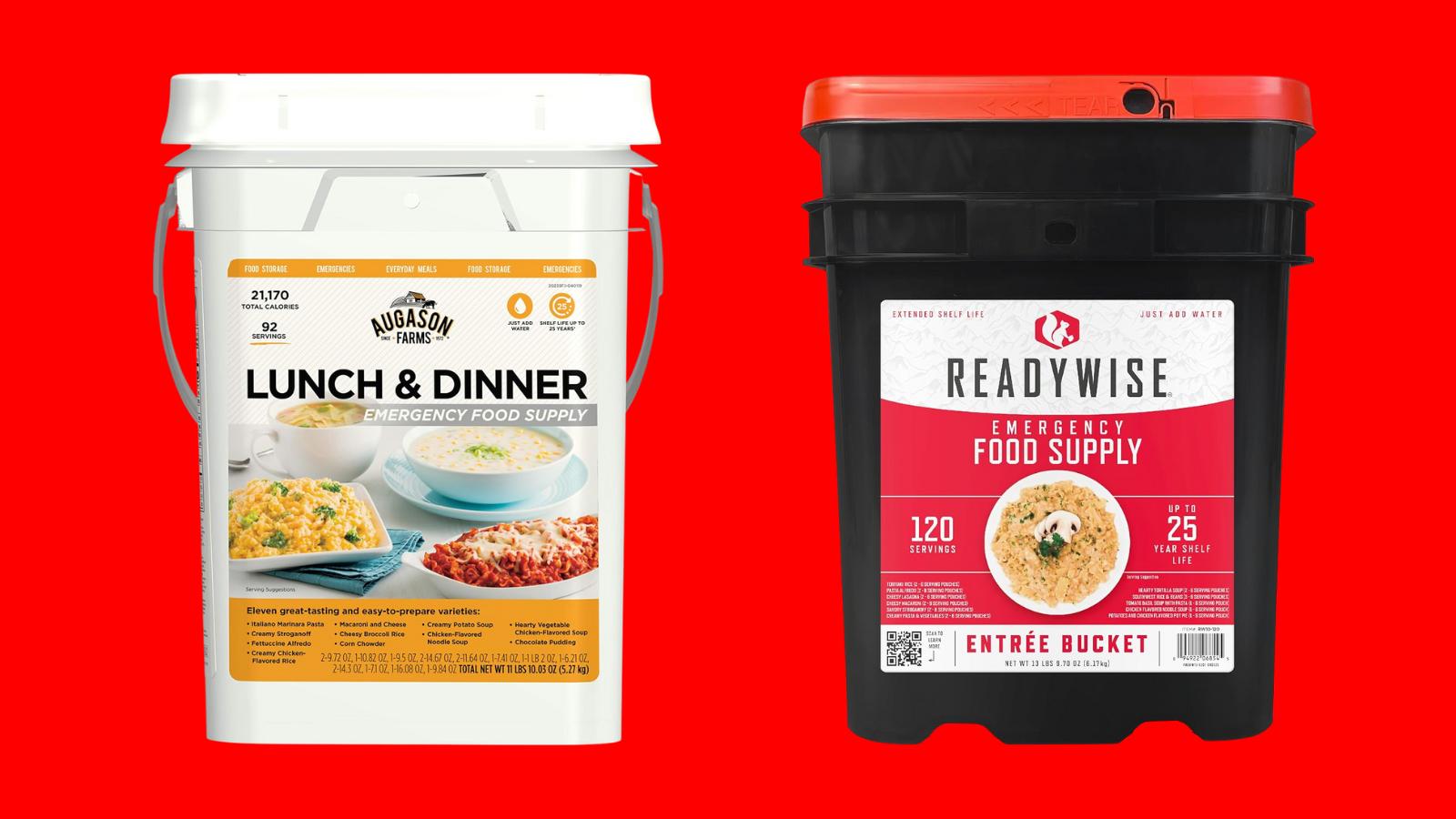
Instant meals save time and effort during emergencies. They often include rice, pasta, or soups. Just add hot water to prepare. Many come in sealed packets or cans. These meals are balanced with protein, carbs, and vegetables. Ideal for quick nourishment when cooking is limited.
Protein Sources
Protein is a vital nutrient for energy and muscle repair. It helps keep the body strong during emergencies. Stockpiling protein ensures you get enough nutrition even without fresh food. Choose proteins with long shelf life and easy storage. Here are some excellent protein sources to keep on hand.
Nuts And Seeds
Nuts and seeds are rich in protein and healthy fats. They store well without refrigeration and last for months. Varieties like almonds, walnuts, sunflower seeds, and pumpkin seeds are great options. These snacks provide quick energy and help maintain muscle health.
- High in protein and healthy fats
- Long shelf life and easy to store
- Great for snacking or adding to meals
Powdered Eggs And Milk
Powdered eggs and milk offer protein with a long shelf life. They rehydrate easily with water for cooking or drinking. These powders are lightweight and take up less space. Use powdered eggs in baking or scrambled dishes. Powdered milk works for drinking or adding to recipes.
- Long shelf life and lightweight
- Easy to rehydrate and use
- Versatile for cooking and drinking
Jerky And Canned Tuna
Jerky and canned tuna are excellent sources of protein. Jerky is dried meat that lasts for months without refrigeration. Canned tuna stays fresh for years and is easy to open. Both provide a savory option for meals and snacks. They are convenient and high in protein.
- Long-lasting and portable
- High in protein and easy to prepare
- Good for quick meals or snacks
Fats And Oils
Fats and oils are essential in any emergency food stockpile. They provide long-lasting energy and help your body absorb vital vitamins. Plus, they make meals more satisfying and flavorful, which can boost morale when times are tough.
Cooking Oils
Choose cooking oils that have a long shelf life and can handle high heat. Olive oil, coconut oil, and avocado oil are great options. Keep these oils in dark, cool places to extend their freshness.
Think about how you usually cook—do you fry, bake, or sauté? Stockpile oils that match your cooking style to avoid waste and maintain variety in your meals.
Nut Butters
Nut butters like peanut, almond, and cashew offer a rich source of healthy fats and protein. They store well unopened and can even last a few months once opened if kept sealed tightly.
They’re perfect for quick snacks or adding calories to meals without cooking. Have you ever tried adding a spoonful to oatmeal or spreading it on emergency crackers? It can make a big difference.
Shelf-stable Butter Alternatives
Butter alternatives such as ghee and shelf-stable margarine can be lifesavers when refrigeration isn’t an option. Ghee, for example, lasts for months without refrigeration and adds a buttery flavor to dishes.
Consider your dietary needs and preferences when choosing these options. Would you prefer a plant-based margarine or traditional ghee? Stock up accordingly to keep your meals enjoyable during emergencies.
Beverages And Hydration
Staying hydrated is vital during emergencies. Fluids help maintain body functions and keep energy levels steady. Stocking the right beverages ensures hydration when fresh water isn’t available. Choose options that last long and provide essential nutrients.
Water Storage
Water is the most important drink for survival. Store clean, sealed water containers in a cool, dark place. Aim for at least one gallon per person each day. Use food-grade water storage containers for safety. Rotate your water supply every six months to keep it fresh.
Electrolyte Powders
Electrolytes replace minerals lost through sweat and stress. Keep electrolyte powders handy for quick mixing with water. They help prevent dehydration and muscle cramps. Choose powders without added sugars for better health. Compact packets save space and last a long time.
Powdered Drink Mixes
Powdered drink mixes add flavor and nutrients to plain water. Options include instant coffee, tea, and vitamin drinks. They can boost morale and provide energy during tough times. Store them in airtight containers to keep moisture out. These mixes are lightweight and easy to prepare.
Comfort And Supplementary Foods
Comfort and supplementary foods play a crucial role in your emergency food stockpile. They do more than just fill your stomach—they boost morale and provide essential nutrients that might be missing from basic staples. Having these items on hand can make a tough situation feel a little more manageable and even enjoyable.
Chocolate And Sweets
Chocolate and sweets aren’t just treats; they offer a quick energy boost when you need it most. Keeping a stash of dark chocolate bars or hard candies can help improve your mood and give you a small sense of normalcy.
Choose options with a long shelf life and minimal packaging. Think about those moments when you’re stressed or low on energy—having a sweet snack can be surprisingly comforting.
Herbs And Spices
Don’t underestimate the power of herbs and spices in your emergency food kit. They transform bland meals into flavorful dishes, making your food more enjoyable to eat during stressful times.
Stock up on versatile spices like garlic powder, oregano, and chili flakes. These small additions can make a big difference, helping you look forward to your next meal instead of dreading it.
Multivitamins And Supplements
Multivitamins and supplements are essential to fill nutritional gaps, especially when fresh fruits and vegetables aren’t available. They support your immune system and overall health, which is critical during emergencies.
Consider vitamins that cover key nutrients like vitamin C, vitamin D, and zinc. Having these on hand ensures you maintain your strength and well-being when your diet is limited.
Storage Tips And Rotation
Proper storage and regular rotation of emergency food supplies help keep your stockpile fresh and safe. Good storage practices prevent spoilage and pests. Rotating food means using older items first and replacing them with fresh ones. This process avoids waste and ensures readiness for any situation.
Proper Containers
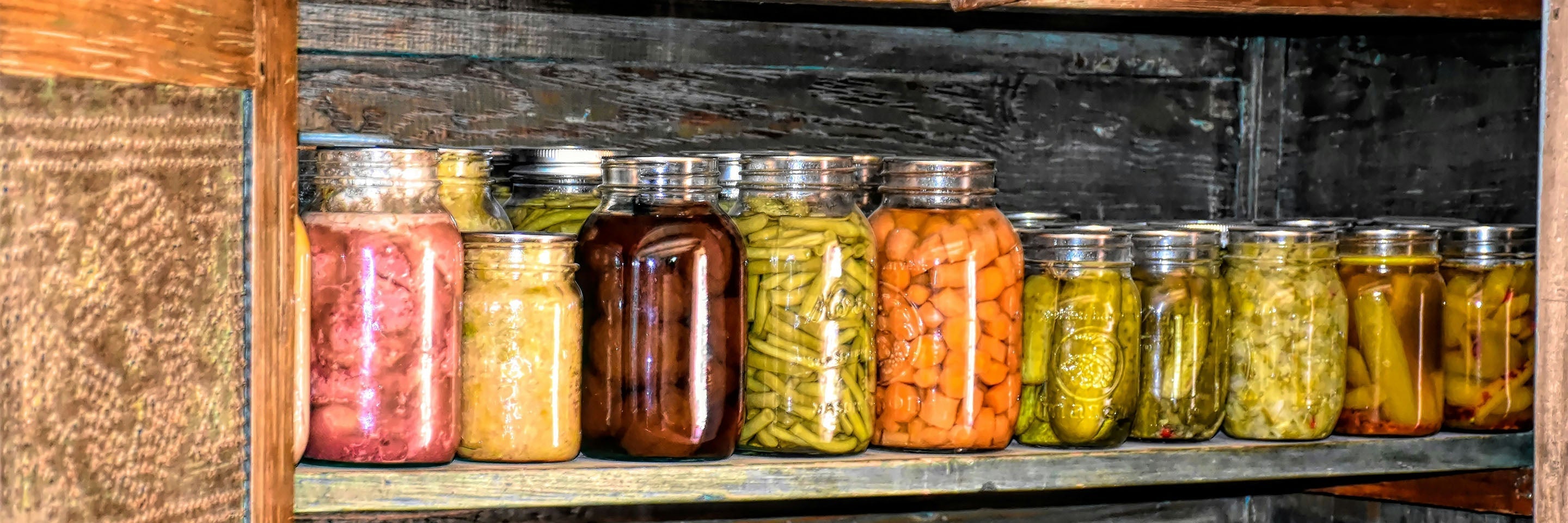
Use airtight containers to protect food from moisture and air. Plastic bins, glass jars, and metal cans work well. Avoid containers that can break or leak. Label each container with the date of storage. Clear containers help quickly see the contents inside.
Temperature Control
Store food in a cool, dry place to extend shelf life. Ideal temperatures range between 50°F and 70°F (10°C to 21°C). Avoid areas with direct sunlight or high humidity. Basements or pantries often provide good conditions. Consistent temperature helps keep food fresh longer.
Using And Replacing Stockpiles
Use the oldest food first to prevent expiration. Check dates regularly and plan meals around expiring items. Replace used items promptly to keep your supply steady. Keep a list of items and their storage dates. This habit keeps your emergency food supply reliable and ready.

Credit: trueprepper.com
Credit: mountainhouse.com
Frequently Asked Questions
What Are The Best Long-lasting Emergency Foods?
Best long-lasting emergency foods include canned beans, rice, pasta, dried fruits, and powdered milk. These items have a long shelf life and provide essential nutrients during emergencies. Always check expiration dates and store them in a cool, dry place for maximum freshness.
How Much Food Should I Stockpile For Emergencies?
Stockpile at least a two-week supply of non-perishable foods per person. This amount covers basic nutritional needs during short-term emergencies. Adjust quantities based on family size, dietary needs, and storage capacity to ensure you have enough food in case of disruptions.
Which Foods Provide The Most Nutrition In Emergencies?
Foods rich in protein, carbohydrates, and healthy fats offer the best nutrition. Examples include canned tuna, peanut butter, nuts, whole grains, and dried legumes. These foods help maintain energy, muscle strength, and overall health during stressful situations.
Can I Stockpile Fresh Foods For Emergencies?
Fresh foods have a limited shelf life and are not ideal for long-term stockpiling. Instead, focus on freeze-dried, canned, or dehydrated options. Use fresh produce first and replenish your emergency stock regularly to maintain a balanced food supply.
Conclusion
Stockpiling the right food keeps you safe during emergencies. Choose items that last long and need little water. Include proteins, grains, fruits, and vegetables. Don’t forget water and easy-to-cook meals. Check your supplies often and replace expired items. Keep a variety to stay healthy and strong.
Planning ahead brings peace of mind and readiness. Start building your emergency food supply today. Stay prepared, stay safe.