Are you ready to take your Last Shelter Survival game to the next level? Cloning your account can be the secret weapon you’ve been looking for.
Imagine managing multiple bases at once, doubling your resources, and outsmarting your opponents with ease. In this guide, you’ll discover simple steps to clone Last Shelter Survival quickly and safely. Keep reading, and you’ll unlock a powerful strategy that could change the way you play forever.
Setting Up Your Cloning Environment
Setting up your cloning environment is the first crucial step to clone Last Shelter Survival successfully. This process involves preparing both software and hardware components. A well-prepared environment ensures smooth development and fewer errors during cloning.
Choosing The Right Software Tools
Select software tools that fit your project needs. Use reliable code editors like Visual Studio Code or Sublime Text for easy coding. Version control systems such as Git help track changes and collaborate efficiently. Emulators can simulate mobile devices for quick testing. Pick tools that are user-friendly and widely supported.
Preparing Your Hardware
Check your computer’s specifications to meet cloning demands. A fast processor and enough RAM improve performance. Ensure ample storage space for software and project files. Use a stable internet connection to download tools and updates. A clean workspace with minimal distractions boosts focus.
Installing Necessary Dependencies
Dependencies are external libraries or packages needed for the project. Install frameworks like Unity or Android Studio for game development. Use package managers such as npm or pip to handle libraries. Keep dependencies updated to avoid compatibility issues. Verify all installations before starting coding to save time.
Analyzing Last Shelter Survival
Understanding how Last Shelter Survival works beneath the surface is key before you start cloning it. Analyzing its core features helps you figure out what makes the game addictive and how to recreate that experience for your users. Let’s break down the essential parts that define the gameplay, visuals, and user experience.
Core Gameplay Mechanics
Last Shelter Survival is all about strategy and resource management. You build and upgrade your base, train troops, and form alliances to survive against zombies and rival players. The game balances long-term planning with quick decision-making, keeping players engaged over time.
One interesting point is how the game encourages player interaction through alliances and PvP battles. This social element drives retention and creates a dynamic environment. If you want your clone to succeed, think about how to make cooperation and competition feel rewarding.
Art And Design Elements
The art style is gritty and realistic, reflecting the post-apocalyptic setting. It uses muted colors and detailed textures to immerse players in a world overrun by zombies. This visual approach supports the game’s serious tone and heightens the survival feel.
Icons and animations are functional rather than flashy, helping players focus on strategy instead of distractions. This simplicity in design means you should prioritize clarity and atmosphere over excessive effects when building your clone.
User Interface Layout
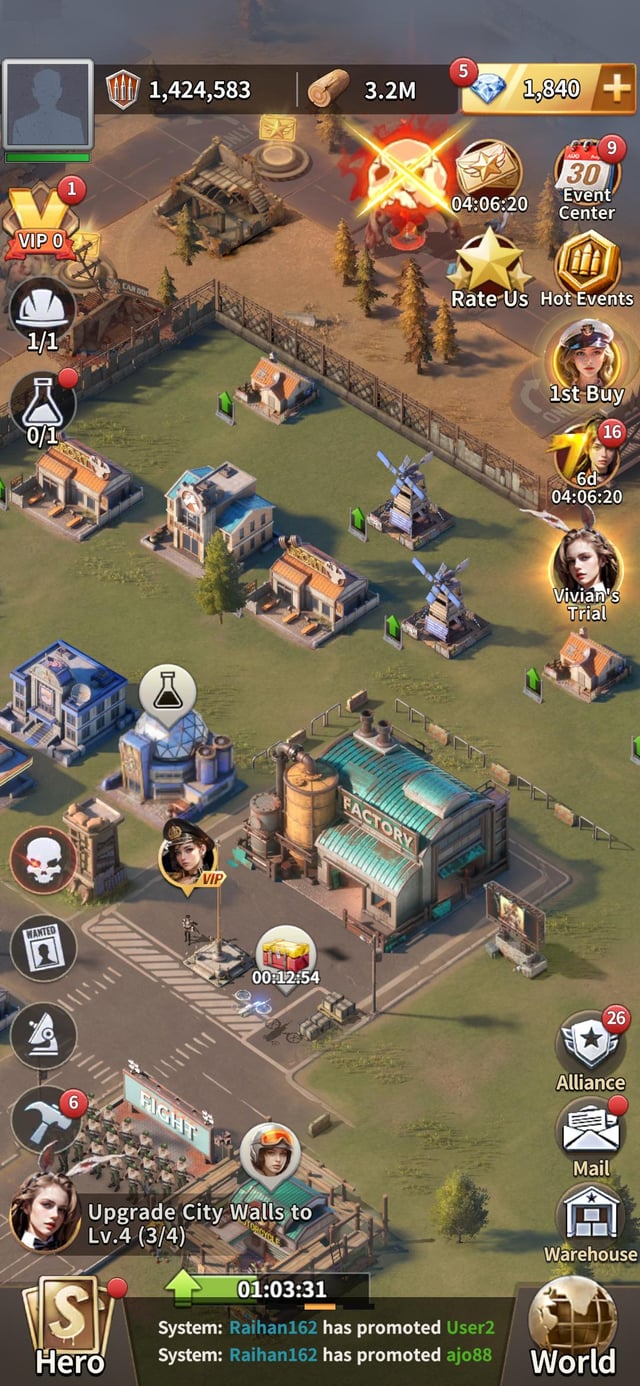
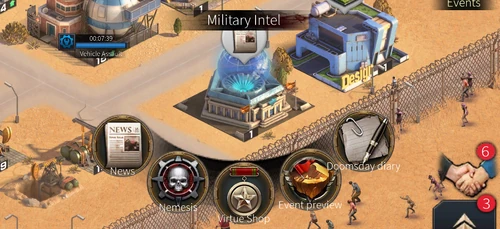
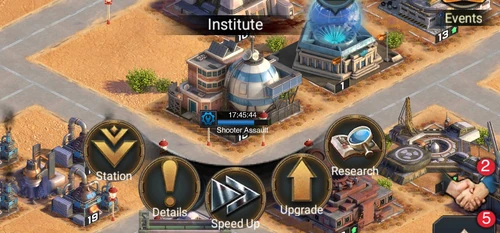
The user interface in Last Shelter Survival is clean and intuitive. Important actions like building, training, and attacking are just a tap away. This ease of use is crucial because it keeps players from feeling overwhelmed, especially in a complex strategy game.
Menus are organized logically, and information is displayed clearly with minimal clutter. When designing your clone’s UI, ask yourself: How can I reduce friction and make navigation as straightforward as possible? The smoother the experience, the more likely users will stick around.
Developing Game Features
Developing game features is crucial for creating an engaging survival game. A well-designed game keeps players entertained and coming back for more. Let’s explore the essential features to consider when cloning Last Shelter Survival.
Building Base Construction
Players enjoy the challenge of building a strong base. Designing a base construction feature involves offering various building options. Include barracks, resource storage, and defensive structures. Ensure that players can upgrade these buildings over time. Provide a sense of progression and accomplishment.
Implementing Resource Management
Resource management adds depth to the gameplay. Create a system for gathering essential resources like food, wood, and metal. Players should balance resource collection with consumption. Make it challenging yet rewarding. Introduce trade options to encourage strategic planning.
Designing Combat Systems
Combat systems are a core aspect of survival games. Develop engaging and dynamic combat mechanics. Offer players a variety of weapons and defense options. Ensure combat scenarios are diverse and unpredictable. Provide players with strategic choices to keep them engaged.
Creating Ai Opponents
AI opponents add excitement and unpredictability to the game. Design intelligent and challenging AI enemies. Make sure they adapt to player strategies. Vary AI difficulty levels to cater to different player skills. This keeps the game challenging and fun.
Credit: lss.fandom.com
Enhancing Player Experience
Enhancing player experience is key to creating an engaging clone of Last Shelter Survival. Players want a game that feels alive and interactive. It must offer challenges that keep them coming back. The gameplay should be smooth, social, and balanced for all skill levels. Below are ways to enrich your clone for better player enjoyment.
Adding Multiplayer Capabilities
Multiplayer features let players team up or compete with others. This adds excitement and variety to the game. Design servers that support real-time battles and alliances. Include options for cooperative missions and player versus player (PvP) modes. Multiplayer increases player retention by creating a community atmosphere.
Incorporating Social Interactions
Social features help players feel connected within the game world. Implement chat systems, friend lists, and guilds. Allow players to trade resources and send gifts. Social interaction builds loyalty and encourages longer play sessions. It also makes the game more fun and dynamic.
Balancing Game Difficulty
Careful difficulty balancing keeps players challenged without frustration. Use a gradual increase in enemy strength and mission complexity. Offer adjustable difficulty settings to suit different skill levels. Reward players fairly to motivate progress. Balanced gameplay ensures players stay engaged and satisfied.
Testing And Debugging
Testing and debugging are vital parts of cloning Last Shelter Survival. These steps help find issues and improve the game’s quality. Catching problems early prevents bigger troubles later. A smooth, bug-free game keeps players happy and engaged.
Conducting Playtests
Playtests show how the game works in real conditions. Invite different players to try the game. Watch how they interact with features and controls. Take notes on any confusing parts or errors. Use feedback to improve game balance and user experience.
Test on various devices and screen sizes. This ensures the game runs well everywhere. Playtests also help spot rare bugs that automated tests miss. Repeat tests after changes to confirm fixes work well.
Fixing Common Bugs
Common bugs include crashes, freezes, and missing graphics. Check error logs for clues on what went wrong. Fix code errors causing the bugs. Test each fix carefully before moving on.
Keep a list of known bugs and their status. Prioritize fixing bugs that affect gameplay most. Use debugging tools to step through code and find issues quickly. Simple fixes can save many headaches later.
Optimizing Performance
Good performance means the game runs smoothly without lag. Reduce load times by optimizing images and assets. Use efficient code to lower CPU and memory use. Avoid complex calculations during gameplay.
Test performance on older devices to ensure wide compatibility. Monitor frame rates and fix bottlenecks that cause slowdowns. Small tweaks can make a big difference in game speed.
Credit: lss.fandom.com
Launching Your Clone
Launching your Last Shelter Survival clone is an exciting yet critical phase. This stage determines how well your game will perform in a crowded market. Careful planning and smart execution can make your clone stand out and attract a loyal player base.
Preparing Marketing Strategies
Think about who your ideal players are and where they spend their time online. Tailor your messages to highlight unique features of your clone that differentiate it from the original game.
Create engaging content like teaser videos, gameplay trailers, and behind-the-scenes looks. These can spark curiosity and build anticipation before launch.
Consider partnering with influencers who specialize in mobile games or survival strategy genres. Their endorsement can bring trust and instant visibility to your clone.
Choosing Distribution Platforms
Select platforms that align with your target audience’s preferences. Google Play and the Apple App Store are obvious choices, but don’t overlook niche app stores or even PC game platforms if your clone supports them.
Evaluate each platform’s user acquisition costs, review processes, and community engagement tools. This insight helps you pick the best places to showcase your game.
Plan for regular updates and maintenance on these platforms to keep your clone fresh and responsive to player needs.
Gathering Player Feedback
Invite early adopters to test your clone and share honest feedback. Use surveys, forums, and in-game prompts to collect their thoughts.
Focus on common pain points like game balance, bugs, and user experience. Addressing these quickly can improve retention and player satisfaction.
Remember, players appreciate when their voices are heard. Regularly communicate updates based on their input to build a strong community around your game.
Credit: lss.fandom.com
Frequently Asked Questions
How To Safely Clone Last Shelter Survival Game?
To safely clone Last Shelter Survival, use trusted cloning apps or emulator software. Avoid unofficial sources to prevent malware risks. Always back up game data before cloning to secure progress and settings. Follow step-by-step guides to ensure a smooth cloning process without data loss.
Can I Clone Last Shelter Survival On Android And Ios?
Yes, you can clone Last Shelter Survival on both Android and iOS. Use app cloners for Android and parallel space apps for iOS. Ensure the cloning tool supports your device’s OS version for compatibility and proper game functioning after cloning.
Is Cloning Last Shelter Survival Legal And Safe?
Cloning Last Shelter Survival for personal use is generally legal. However, distributing cloned copies is illegal. Use cloning responsibly, respecting game policies. Always download cloning apps from official stores to maintain safety and avoid violating game terms or copyright laws.
Will Cloning Affect My Game Progress In Last Shelter Survival?
Cloning does not affect your original game progress if done correctly. Each cloned version operates independently. However, syncing data across devices requires proper backup. Always save your game data before cloning to prevent accidental loss or overwriting of progress.
Conclusion
Cloning Last Shelter Survival can enhance your gaming experience. Follow the right steps carefully to avoid issues. Keep your device safe and back up data before starting. Practice patience as the process may take some time. Enjoy building your shelter and leading your team.
Stay updated with the latest game versions for smooth play. Remember, cloning helps play on multiple accounts easily. Try it yourself and see the difference in gameplay.