When disaster strikes, having the right food on hand can make all the difference for you and your loved ones. But what should you stock up on to stay safe, healthy, and comfortable during an emergency?
Choosing the right foods isn’t just about filling your pantry—it’s about being prepared for anything. You’ll discover simple, smart choices that keep you nourished without hassle. Keep reading to find out exactly what food you should have ready so you’re never caught off guard.
Long-lasting Staples
Long-lasting staples form the backbone of any emergency food supply. These foods keep well over time and provide essential nutrients when fresh options are scarce. Choosing the right staples means you can prepare meals without daily shopping or fresh ingredients.
Grains And Cereals
Grains and cereals are excellent for storage because they have a long shelf life and offer a solid energy source. Stock up on items like oats, wheat berries, and cornmeal. These can be used to make porridge, bread, or even thickening agents for soups.
Did you know whole grains also contain fiber and important vitamins? Having a variety of grains on hand allows you to mix and match meals, keeping your diet balanced and interesting during tough times.
Legumes And Beans
Legumes and beans are nutritional powerhouses packed with protein and fiber. Dried beans such as black beans, lentils, and chickpeas can last for years if stored properly. They’re also versatile—you can use them in soups, stews, salads, or mash them for spreads.
One tip I learned from prepping is to soak beans overnight before cooking to reduce cooking time and improve digestibility. Do you have a favorite bean recipe that’s easy and filling? This could be your go-to during an emergency.
Dried Pasta And Rice
Dried pasta and rice are pantry essentials that store well and cook quickly. White rice and pasta can last for years without losing quality, making them perfect for emergency situations. Brown rice, while more nutritious, has a shorter shelf life but can be rotated regularly.
These staples pair well with canned or dried sauces and vegetables. Think about how many simple meals you can create with just pasta, rice, and a few added ingredients. What’s your quick meal hack using these basics?

Credit: www.forbes.com
Protein Sources
Protein is essential in any emergency food supply. It helps maintain muscle, supports the immune system, and keeps energy levels steady. Choosing proteins that last long and need little preparation is smart. These options offer nutrition and convenience during tough times.
Canned Meats And Fish
Canned meats and fish provide high-quality protein. They last for years and require no refrigeration. Common choices include:
- Tuna
- Chicken
- Salmon
- Spam
- Beef
These items are easy to open and eat on their own or with other foods. They also contain healthy fats and important vitamins.
Nuts And Seeds
Nuts and seeds are excellent protein sources. They also contain healthy fats and fiber. Good options are:
- Almonds
- Peanuts
- Sunflower seeds
- Walnuts
Keep them in airtight containers to prevent spoilage. They make great snacks or meal additions.
Powdered And Shelf-stable Proteins
Powdered proteins store well and take little space. Whey, pea, and soy protein powders are popular choices. These powders mix easily with water or milk. Shelf-stable protein bars are also good for quick energy. They have a long shelf life and come in many flavors.
Fruits And Vegetables
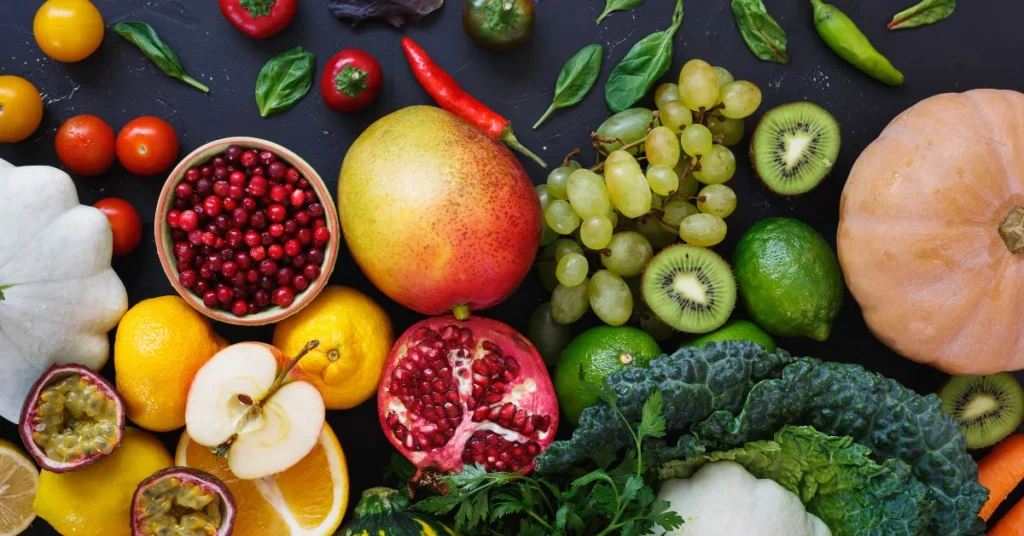
Stock canned or frozen fruits and vegetables to keep vitamins and minerals during emergencies. Fresh options spoil quickly, but preserved produce lasts longer and stays nutritious.
Fruits and vegetables are essential components of any emergency food stockpile. They provide vital nutrients that keep your immune system strong and your body energized. But how do you ensure you have a varied and nutritious supply when fresh produce isn’t an option?Canned And Jarred Options
Canned fruits and vegetables are a staple in any emergency pantry. They have a long shelf life, often lasting several years if stored properly. Look for options with no added sugar or salt to maintain a healthier diet. Jarred options, like applesauce or pickles, can also add variety to your meals. They bring a bit of comfort and familiarity during uncertain times. Have you ever opened a jar of peaches and felt the sweet taste of summer in the middle of winter?Dehydrated And Freeze-dried Picks
Dehydrated and freeze-dried fruits and vegetables are lightweight and easy to store. They retain most of their nutrients, making them a smart choice for emergency preparedness. Plus, they can be rehydrated to use in soups, stews, or as standalone sides. These options are perfect if you want to save space but still want variety. Have you ever tried adding freeze-dried strawberries to your cereal? It’s a delicious way to start your day.Shelf-stable Sauces And Pastes
Shelf-stable sauces and pastes add flavor and nutrition to your meals. Tomato paste, for example, can be used in a myriad of dishes, enhancing both taste and nutritional value. Vegetable-based sauces like marinara can transform a simple meal into something special. These can be game-changers when your taste buds crave something different. Imagine the comfort of adding a rich tomato sauce to your canned veggies, turning them into a delicious, hearty meal.Dairy And Alternatives
Dairy products provide essential nutrients like calcium and protein. They support strong bones and help keep energy levels steady. During emergencies, fresh dairy may spoil quickly. Stocking long-lasting dairy and alternatives ensures you get these benefits without waste.
Powdered Milk And Cheese
Powdered milk is a practical choice for emergencies. It stores well without refrigeration for months or years. Just add water to use it in cooking or drinking. Powdered cheese, such as shelf-stable cheese powders, offers flavor and protein. These products are lightweight and easy to store. They help add variety to your emergency meals.
Shelf-stable Plant-based Milks
Plant-based milks like almond, soy, and oat come in shelf-stable cartons. They last long without refrigeration until opened. These milks provide options for those avoiding dairy or lactose. Many brands enrich their products with calcium and vitamins. Shelf-stable plant-based milks can be used in cooking, baking, or drinking. They are a versatile and nutritious alternative for emergency food supplies.
Comfort And Convenience Foods
Comfort and convenience foods play a crucial role in your emergency food supply. They provide not just nutrition but also a sense of normalcy when everything else feels uncertain. Having these foods on hand can lift your spirits and save valuable time and energy during stressful situations.
Instant Meals And Soups
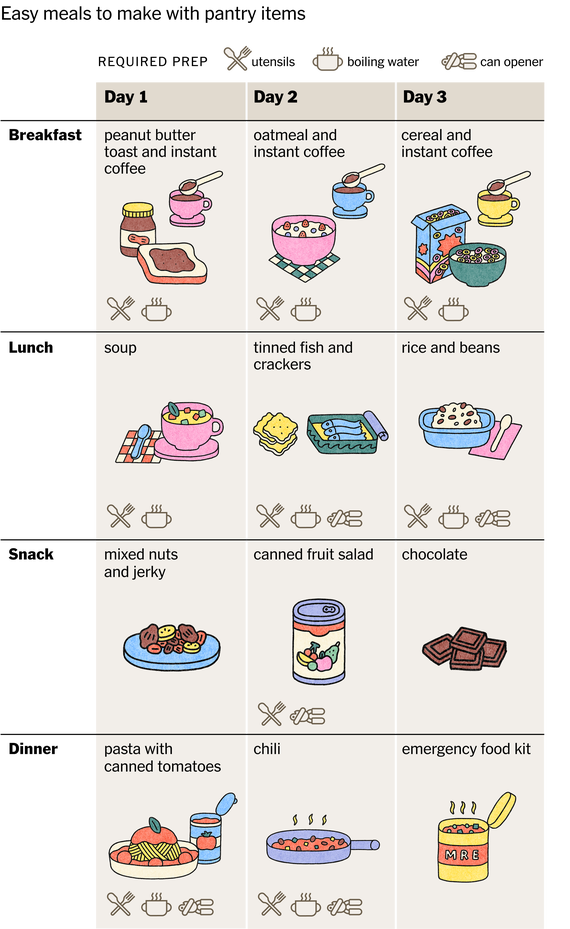
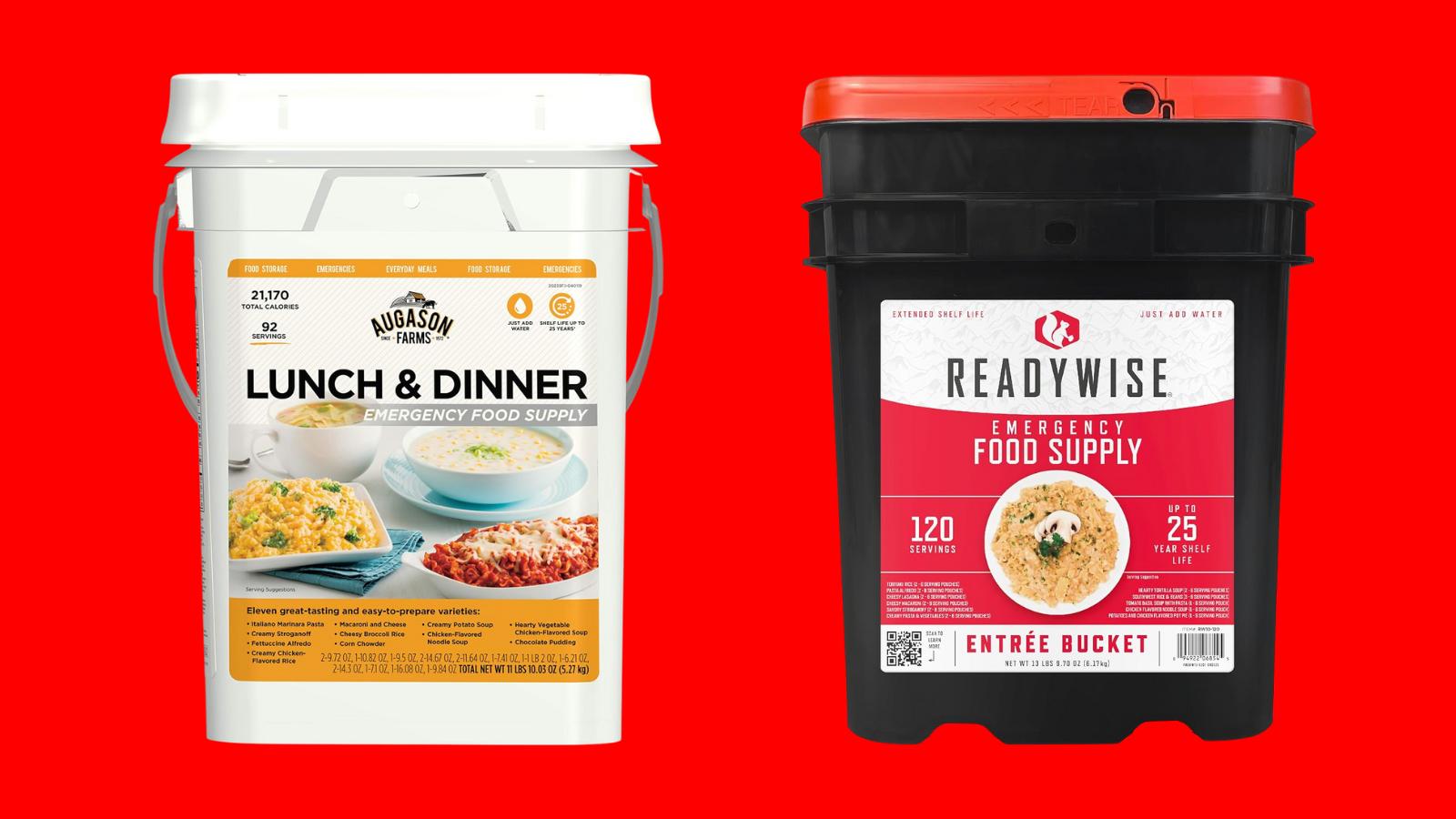
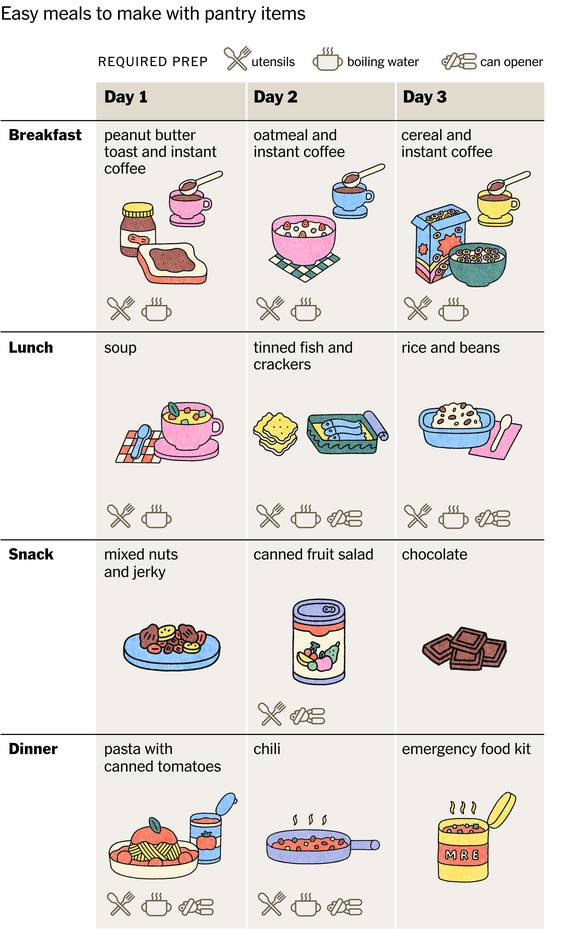
Instant meals and soups are lifesavers when you need a quick, warm meal without much effort. Look for options like freeze-dried pasta, rice dishes, and dehydrated soups that only require hot water. These meals often come in compact packages that last for years, making them perfect for storage.
Have you ever tried a simple cup of instant soup and felt instantly better after a long day? That small comfort can make a big difference during emergencies. Choose a variety of flavors to keep meals interesting and avoid menu fatigue.
Snack Foods For Energy
Snack foods are essential for quick energy boosts and keeping hunger at bay between meals. Stock up on nuts, trail mixes, energy bars, and dried fruits. These snacks are portable, don’t require refrigeration, and provide essential nutrients and calories.
Think about times you needed a fast pick-me-up — having snacks ready can prevent energy slumps when you can’t prepare a full meal. Rotate your snacks regularly to keep them fresh and appealing.
Sweeteners And Baking Supplies
Sweeteners and basic baking supplies can improve your emergency diet and add variety to your meals. Keep sugar, honey, powdered milk, baking powder, and flour in your stockpile. These ingredients allow you to bake simple breads, pancakes, or treats, which can boost morale.
Imagine the comfort of freshly baked bread or sweet treats in a tough situation. Do you have the basics to make that happen? Don’t overlook these small items — they can turn basic rations into something special.

Credit: www.goodhousekeeping.com
Hydration Essentials
Staying hydrated is vital during emergencies. Water is the main source for hydration. Without enough water, health and energy drop quickly. Stocking proper hydration supplies ensures survival and comfort. Include water storage and electrolyte mixes for full hydration support.
Water Storage Tips
Store at least one gallon of water per person daily. Use clean, food-grade containers only. Keep water in a cool, dark place to avoid bacteria growth. Rotate stored water every six months. Label containers with fill date. Consider large water barrels or smaller bottles for easy use.
- Sanitize containers before filling
- Use sealed lids to prevent contamination
- Keep water away from chemicals and sunlight
- Have water purification tablets or filters ready
Electrolyte And Hydration Mixes
Electrolytes help balance fluids in the body. They replace salts lost through sweat and illness. Stock powdered electrolyte mixes for easy storage. Choose mixes low in sugar and artificial ingredients. You can also keep sports drinks for quick hydration but watch sugar content.
- Look for mixes with sodium, potassium, and magnesium
- Store packets in a dry, cool place
- Use as directed, mixing with clean water
- Consider natural alternatives like coconut water powder
Food Storage And Preservation
Food storage and preservation are key to building a reliable emergency food supply. How you store your food affects its longevity and safety. Proper techniques help keep your food fresh longer, reducing waste and ensuring you have what you need when it counts.
Proper Packaging Methods
Choosing the right packaging is crucial for preserving food quality. Airtight containers, vacuum-sealed bags, and Mylar bags with oxygen absorbers prevent moisture, air, and pests from spoiling your supplies.
Glass jars with tight lids work well for dry goods like rice or beans. For longer-term storage, vacuum sealing removes air, which slows down oxidation and extends shelf life. Have you checked if your containers are truly airtight?
Label your packages with the date of storage. This simple step saves confusion later and helps you track freshness easily. Avoid using plastic bags alone—they can tear and let in moisture.
Rotation And Shelf-life Management
Managing your food stock means using older items first and replacing them regularly. This rotation prevents food from expiring unnoticed.
Create a visible system, like a whiteboard or spreadsheet, to track expiration dates. When you buy new food, place it behind older stock to use the oldest items first.
Remember, canned foods can last years but not forever. Dry goods like pasta and grains generally keep well for a year or two. Ask yourself: When was the last time you checked your emergency food for expired items?

Credit: mountainhouse.com
Frequently Asked Questions
What Are The Best Non-perishable Emergency Foods?
The best non-perishable emergency foods include canned beans, rice, pasta, dried fruits, and nuts. These foods have long shelf lives and provide essential nutrients during emergencies.
How Much Food Should I Stock For Emergencies?
Stock at least a two-week supply of food per person. This amount ensures you have enough nutrition during short-term emergencies or disruptions.
Which Foods Provide The Most Energy In Emergencies?
High-calorie foods like peanut butter, granola bars, and trail mix provide quick energy. They are compact and easy to store for emergency use.
Can I Store Fresh Food For Emergencies?
Fresh foods spoil quickly, so focus on long-lasting options like root vegetables and hard cheeses. Use fresh foods first before they expire.
Conclusion
Stocking the right food keeps you safe during emergencies. Choose items with long shelf life and good nutrition. Water and canned goods are must-haves. Don’t forget snacks for quick energy and comfort. Rotate supplies regularly to keep food fresh. Planning ahead reduces stress when disaster strikes.
Start small, then build your emergency food supply. Preparedness brings peace of mind to you and your family.