Have you ever wondered how much emergency food you really need to keep on hand? When a crisis hits, having the right amount of food can make all the difference for you and your loved ones.
But stocking up too little leaves you unprepared, while storing too much can feel overwhelming and wasteful. So, what’s the perfect balance? You’ll discover simple, clear guidelines to help you decide exactly how much emergency food is enough—no guesswork, no stress.
Keep reading to take control of your safety and peace of mind.
Daily Caloric Needs
Knowing your daily caloric needs is crucial when planning how much emergency food to store. Your body requires a certain number of calories each day to maintain basic functions like breathing, digestion, and movement. Storing enough calories ensures you stay healthy and energized during an emergency.
Calculating Personal Requirements
Start by figuring out your Basal Metabolic Rate (BMR), which is the number of calories your body burns at rest. You can use simple online calculators that ask for your age, weight, height, and gender to get this number.
Once you have your BMR, add calories for your daily activities to find your Total Daily Energy Expenditure (TDEE). This total tells you how many calories you need to eat each day to keep your body working well.
Factors Affecting Calorie Intake
Your calorie needs can change based on several factors. Age plays a big role—young adults often need more calories than older adults. Gender matters too, with males typically requiring more energy than females.
Health conditions, such as illness or stress, can increase or decrease your calorie needs. Also, environmental conditions like cold weather may make your body burn more calories to stay warm.
Adjusting For Activity Levels
Think about how active you are daily. If you plan to stay mostly still during an emergency, your calorie needs will be lower than if you expect to do physical tasks.
For example, someone doing manual labor or hiking will need more calories than someone resting or sitting. Adjust your emergency food supplies accordingly to match your expected activity level.
Have you considered how your usual daily routine might change in an emergency? This reflection will help you plan your food storage more accurately.
Recommended Food Storage Duration
Knowing how long to store emergency food is key for safety and nutrition. Food lasts differently depending on type and storage conditions. Storing food too long can reduce taste and nutrients. Storing food too short may leave you unprepared. Balancing storage duration ensures you have safe, edible food during crises.
Short-term Vs Long-term Storage
Short-term storage suits emergencies lasting days to weeks. Choose fresh, ready-to-eat foods like canned goods and dried fruits. Rotate these foods every 6 to 12 months. Long-term storage covers months to years. Use freeze-dried, dehydrated, and vacuum-sealed foods. These can last 5 years or more if kept cool and dry.
Planning For Different Emergency Scenarios
Consider the type of emergency when storing food. Natural disasters may need food for 3 days to 2 weeks. Power outages require non-perishable food lasting at least 1 week. For long-term crises, store food for 3 months or more. Keep a variety of foods to meet energy and nutrition needs.
Seasonal Considerations
Temperature changes affect food shelf life. Store food in cool, dark places during summer. Heat can shorten shelf life of canned and dry foods. In winter, protect food from freezing to avoid damage. Check food regularly and replace items before expiration dates.
Types Of Emergency Food
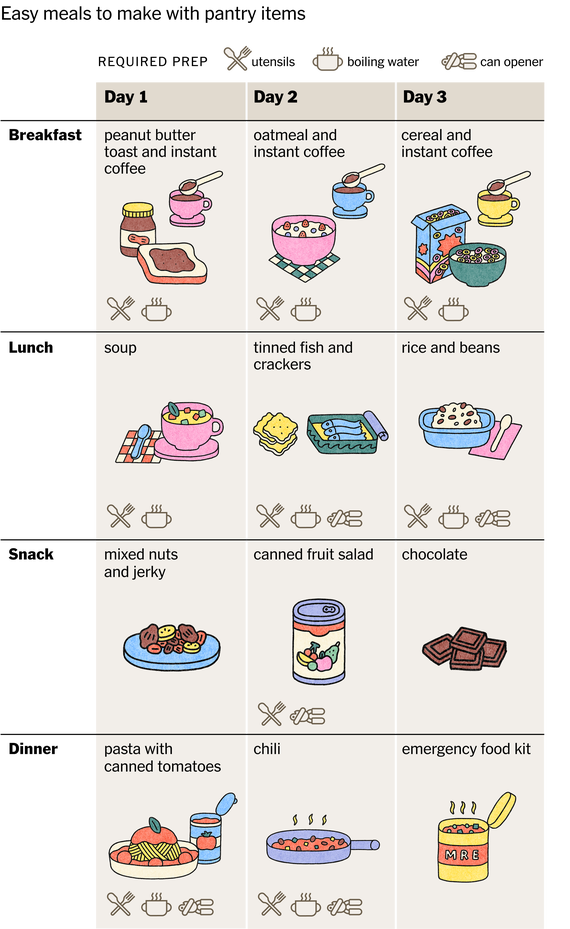
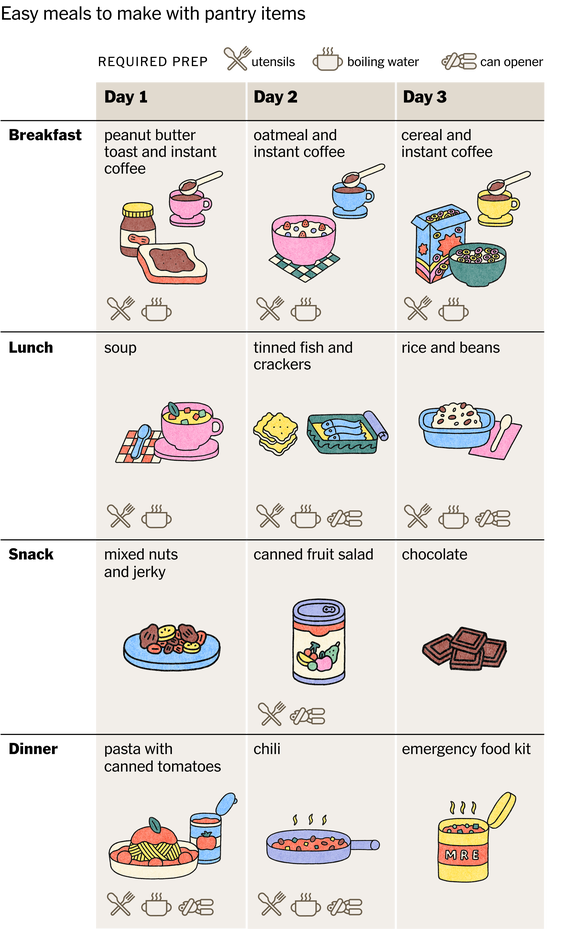
Emergency food types include canned goods, freeze-dried meals, and dry staples like rice and beans. Stock enough to cover at least three days per person for safety. Variety helps meet nutritional needs and keeps meals interesting.
When preparing for emergencies, having the right food types is crucial. Each food type offers distinct benefits and storage options. Understanding these can help you make smart choices for your emergency food supply.Non-perishable Staples
Non-perishable staples are essential in any emergency kit. They have a long shelf life. Common choices include canned beans, rice, and pasta. These items can last for years without spoiling. They provide the necessary nutrients and energy needed during tough times. Stock these staples in airtight containers. This ensures freshness and prevents contamination.Freeze-dried And Dehydrated Options
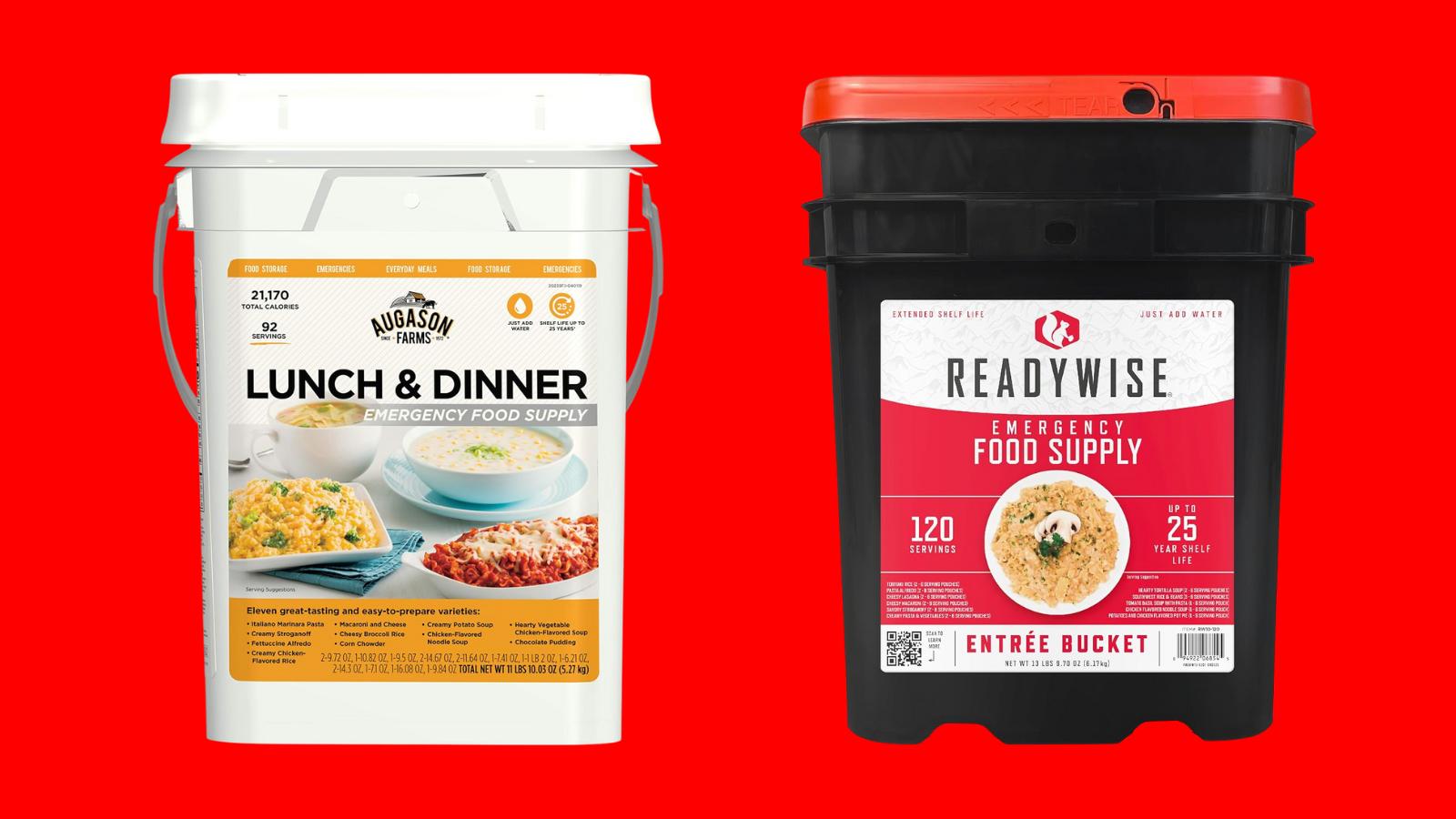
Freeze-dried and dehydrated foods are lightweight. They are easy to store and transport. These foods retain most of their nutrients and flavor. Simply add water to rehydrate them. Popular choices include fruits, vegetables, and meats. They are ideal for long-term storage. Check packaging for expiration dates. Rotate them regularly to keep your supply fresh.Ready-to-eat Meals
Ready-to-eat meals require no cooking or preparation. They are convenient during power outages or emergencies. These meals often come in single-serving packages. Options include canned soups, stews, and military MREs (Meals Ready-to-Eat). Look for meals with balanced nutrition. They should contain protein, carbohydrates, and fats. Keep a variety of flavors to prevent meal fatigue.
Credit: www.youtube.com
Water Needs And Storage
Water is the most critical resource in any emergency food supply. Staying hydrated keeps your body working well. Planning how much water to store and how to keep it safe matters. Water needs vary based on climate, activity, and health. Proper storage and purification keep water drinkable for longer periods.
Daily Water Intake
Each person needs about one gallon of water daily. This includes water for drinking, cooking, and basic hygiene. Children and elderly may need less, but always plan for one gallon per person. In hot weather or with heavy activity, water needs increase. Always store extra water to cover unexpected needs.
Safe Water Storage Methods
Use food-grade containers for water storage. Clean containers with soap and water before use. Store water in a cool, dark place to slow bacteria growth. Label containers with the date you filled them. Replace stored water every six months to keep it fresh. Avoid storing water near chemicals or strong-smelling substances.
Water Purification Techniques
Purify water before drinking if unsure about its safety. Boiling water for at least one minute kills most germs. Use water purification tablets to kill bacteria and viruses. Household bleach can disinfect water—add eight drops per gallon, stir, and wait 30 minutes. Portable water filters remove dirt and harmful organisms effectively.
Special Dietary Requirements
Planning your emergency food supply requires more than just stocking up on canned beans and rice. Special dietary needs can quickly become a critical factor in maintaining health and well-being during emergencies. Recognizing and addressing these unique requirements ensures you won’t just survive—you’ll thrive under pressure.
Allergies And Intolerances
If you or your family members have food allergies or intolerances, your emergency food stash must reflect that. Avoid common allergens like nuts, gluten, or dairy if needed, and clearly label everything to prevent mix-ups.
Consider alternatives such as gluten-free grains or lactose-free milk powders. Have emergency medications like EpiPens or antihistamines accessible alongside your food supplies. Would you risk a severe allergic reaction just to save space?
Nutritional Balance
Emergency food isn’t just about calories—it’s about nutrients. Ensure your supplies include a variety of proteins, carbohydrates, fats, vitamins, and minerals to keep your body functioning well.
Add canned fish, nuts, dried fruits, and fortified meal replacements to your stock. This variety helps avoid energy crashes and supports immune health when fresh foods aren’t available. How balanced is your current emergency food plan?
Food For Infants And Elderly
Infants and elderly family members have distinct dietary needs that require careful planning. Stock formula, baby food jars, and easy-to-digest meals for babies, while elderly individuals might need softer foods or supplements.
Don’t forget hydration aids like electrolyte powders and consider any medications or supplements they regularly take. Are you prepared to meet the unique nutritional demands of your most vulnerable loved ones?

Credit: www.forbes.com
Storage Tips And Best Practices
Storing your emergency food properly can make a huge difference in its usability and safety. If you don’t store your supplies well, you could end up with spoiled or infested food right when you need it most. Let’s look at some smart storage tips that keep your emergency food fresh and ready for action.
Ideal Storage Conditions
Keep your emergency food in a cool, dry, and dark place. Temperatures between 50°F and 70°F (10°C to 21°C) work best to preserve shelf life. Avoid areas with high humidity or direct sunlight, as these can cause food to spoil or packaging to degrade.
Think about where in your home fits these criteria. A basement or closet away from heat sources is often ideal. Using airtight containers or sealed buckets adds an extra layer of protection against moisture and air.
Rotation And Shelf Life
Regularly check your emergency food and use the “first in, first out” rule. This means you eat the oldest food first and replace it with fresh stock. It prevents your supply from expiring unnoticed.
Label your packages with purchase or packing dates if they don’t already have them. Some foods, like canned goods, can last 2 to 5 years, while freeze-dried options might last 20 years or more. Knowing these timelines helps you plan when to replace items.
Pest Prevention
Even the best-stored food can attract pests if you’re not careful. Use airtight containers made of plastic or metal to block insects and rodents. Avoid cardboard boxes, which pests can easily chew through.
Keep your storage area clean and free of crumbs or spills. Inspect your food regularly for signs of pests like holes in packaging or droppings. Would you want to rely on food that has been compromised by bugs?
Calculating Your Emergency Food Supply
Calculating your emergency food supply is essential for safety and peace of mind. It helps ensure enough food during unexpected events. Careful planning prevents shortages and waste. Knowing the right amount supports health and energy when normal food sources disappear.
Consider several factors to get an accurate estimate. These include the number of people, their needs, and possible changes in circumstances. Preparing well means thinking ahead and adjusting your supply as needed.
Estimating Quantity Per Person
Each person needs enough calories daily to stay healthy. A typical adult requires about 2,000 to 2,500 calories per day. Children and seniors may need less. Multiply the daily calories by the number of days you want to prepare for.
Divide calories among different food types for balance. Include proteins, carbohydrates, and fats. Consider easy-to-store, long-lasting foods like canned goods, rice, and dried beans.
Family Vs Individual Needs
Families often need more food but can share resources efficiently. Individual needs vary by age, health, and activity level. For families, calculate total calories for each member. Adjust for special diets or allergies.
Plan meals that suit everyone. Buy extra food for young children and pregnant women. Keep some snacks handy for quick energy boosts.
Adjusting For Unexpected Circumstances
Emergencies can last longer than expected. Plan for extra days beyond your initial estimate. Store more food if someone gets sick or injured. Extra food helps during severe weather or supply delays.
Rotate your food supply regularly. Check expiration dates and replace used or expired items. Stay flexible and ready to increase your stock if needed.
Supplementing Your Food Supply
Supplementing your emergency food supply helps ensure variety and nutrition. Stored food alone may not meet all your needs. Fresh foods can improve health and morale during tough times. Knowing how to gather and grow food boosts your preparedness. Exploring local resources adds another layer of security.
Gardening And Foraging
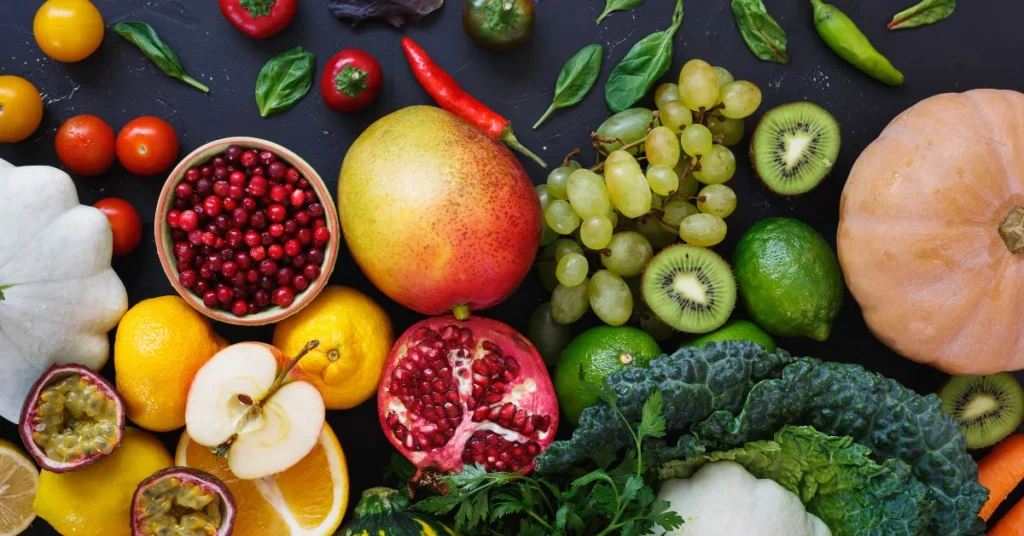
Growing your own garden provides fresh vegetables and herbs. Plants like tomatoes, lettuce, and carrots grow quickly and easily. Foraging wild plants adds variety and nutrients. Learn to identify safe edible plants in your area. Avoid unknown plants to prevent illness. Seasonal foraging can include berries, nuts, and greens.
Hunting And Fishing
Hunting offers a source of fresh protein and fat. Small game, birds, and fish are common targets. Fishing can supply fish from local lakes or rivers. Practice safe and legal methods for hunting and fishing. Know local laws and seasons to avoid penalties. Preserve your catch by drying, smoking, or freezing.
Community Resources
Communities often share resources during emergencies. Local food banks and shelters can provide help. Community gardens may offer fresh produce for residents. Bartering with neighbors helps exchange food and goods. Staying connected increases access to shared supplies. Join local groups focused on preparedness and support.

Credit: www.goodhousekeeping.com
Frequently Asked Questions
How Much Emergency Food Is Enough For One Person?
A minimum of a three-day supply is recommended for one person. Ideally, store at least two weeks of non-perishable food. Consider your daily calorie needs and preferences when planning your emergency food stock.
What Types Of Emergency Food Should I Store?
Choose non-perishable, nutrient-dense foods like canned goods, dried fruits, nuts, and freeze-dried meals. Include a mix of proteins, carbs, and fats. Prioritize foods with long shelf lives and easy preparation.
How Do I Calculate Emergency Food Needs For My Family?
Multiply each family member’s daily calorie needs by the number of emergency days. Account for age, health, and activity levels. Add extra for pets, and plan for water storage too.
Can I Rely On Emergency Food For Long-term Survival?
Emergency food is designed for short to medium-term use, typically up to 30 days. For long-term survival, consider sustainable food sources like gardening or hunting. Rotate stored food regularly to maintain freshness.
Conclusion
Emergency food keeps you safe during tough times. Plan for at least three days of supplies. Include water, calories, and vitamins in your stock. Store food that lasts long and is easy to prepare. Check your supplies regularly and replace expired items.
Think about your family’s needs and any special diets. Being ready reduces stress and helps you stay strong. Simple steps now can protect you later. Start building your emergency food supply today.