Imagine waking up one day without easy access to fresh food. How prepared are you to keep yourself and your loved ones fed?
Knowing how to store food for an emergency isn’t just smart—it’s essential. You want to avoid last-minute panic and make sure your supplies last when you need them most. In this guide, you’ll discover simple, effective ways to store food that stay fresh and ready for any situation.
Keep reading, and you’ll gain the confidence to protect your family’s well-being no matter what happens.
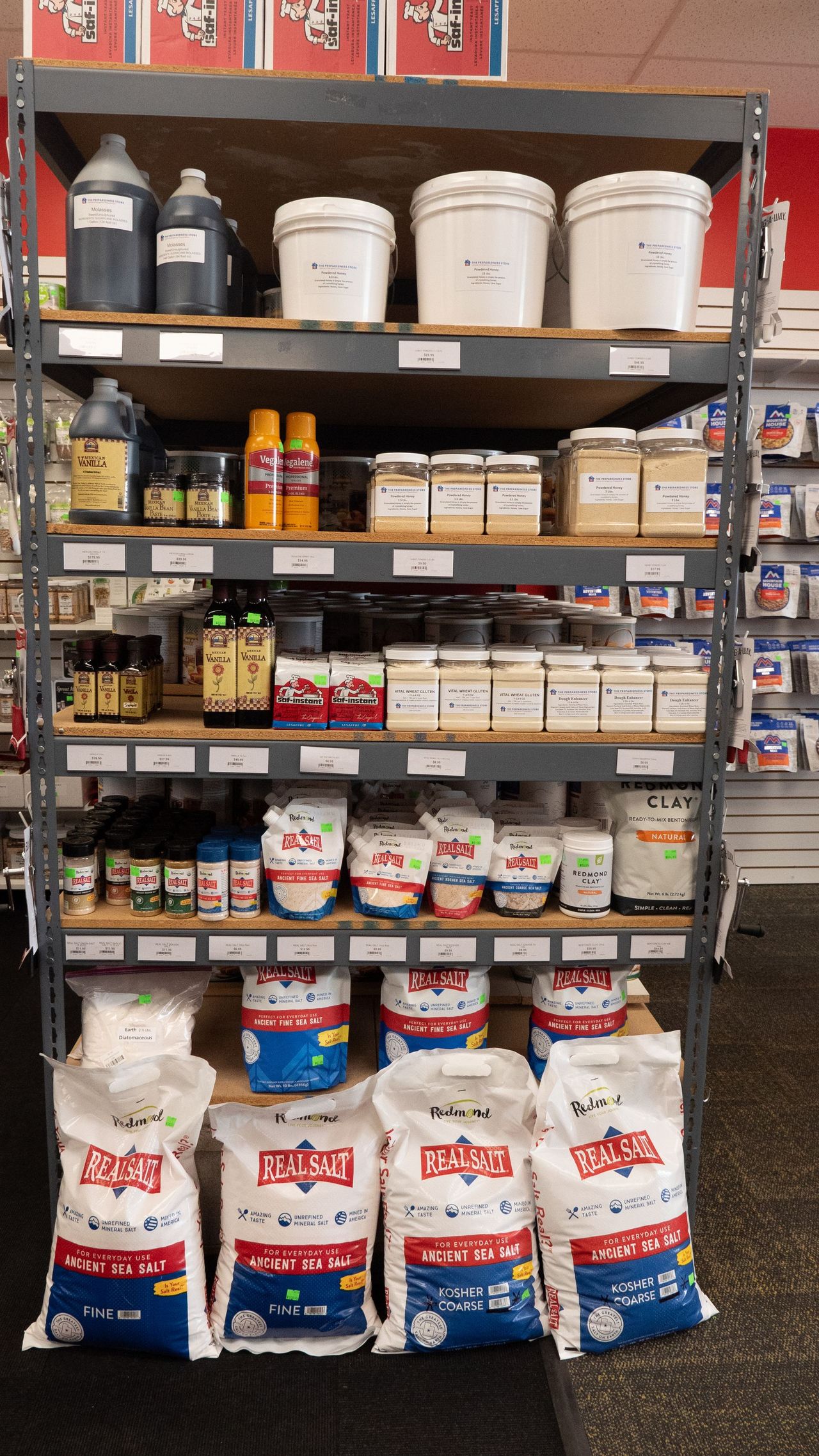
Credit: www.thepreparednessstore.com
Choosing The Right Foods
Choosing the right foods is a key step in preparing for emergencies. Proper selection ensures your food lasts long and keeps you healthy. Focus on foods that store well and provide essential nutrients. Think about variety to avoid boredom and maintain energy. Consider your family’s needs and preferences to make smart choices.
Non-perishable Options
Select foods that do not spoil quickly. These items can stay safe for months or years without refrigeration. Some great choices include:
- Canned beans and vegetables
- Dry rice and pasta
- Dried fruits and nuts
- Powdered milk and shelf-stable juices
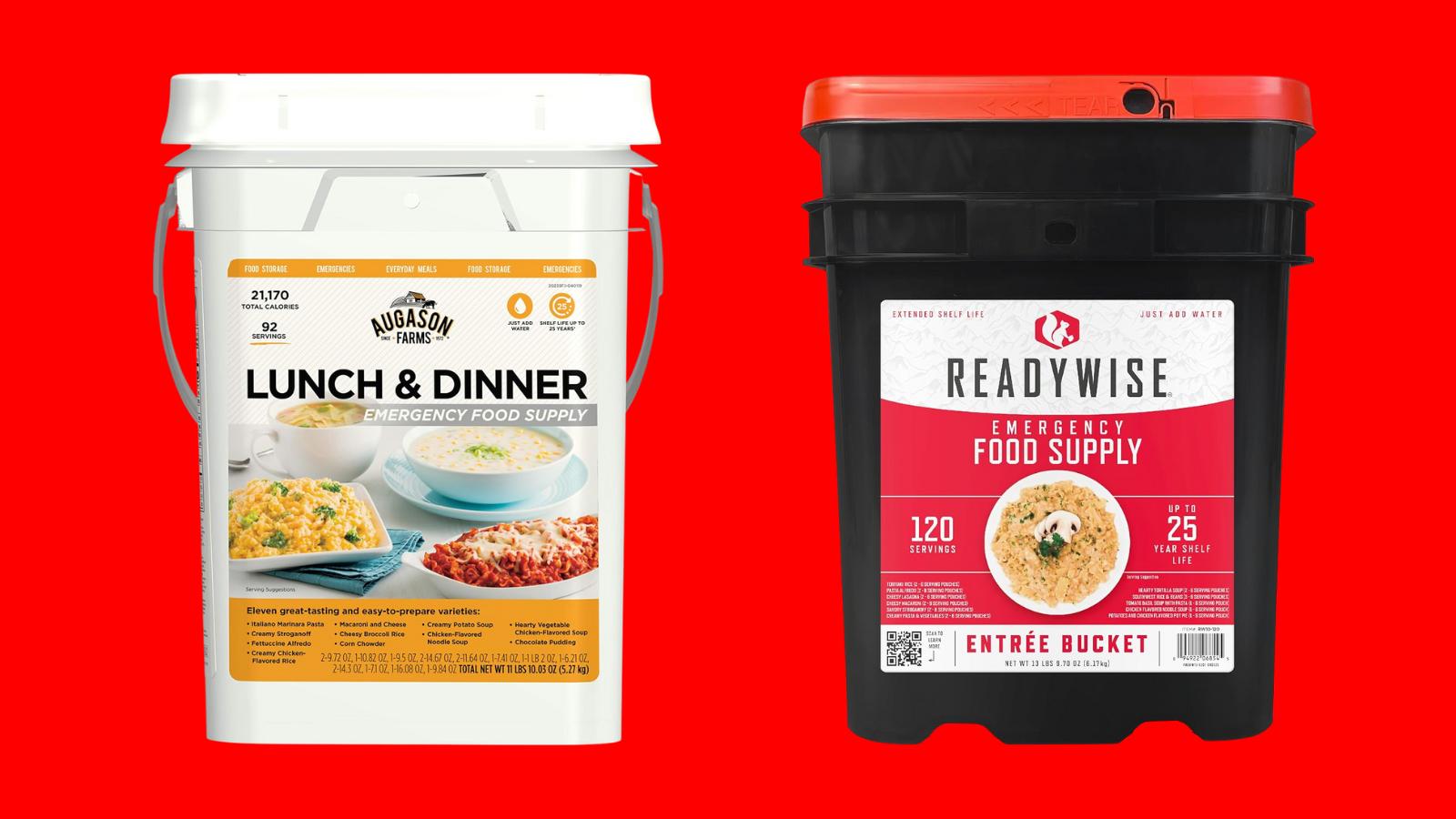
- Freeze-dried meals and soups
- Peanut butter and canned meats
Store these foods in a cool, dry place to extend their shelf life.
Nutritional Balance
Include foods that provide a mix of nutrients. Your body needs energy, protein, vitamins, and minerals. Choose items rich in:
- Carbohydrates for energy
- Proteins for muscle and repair
- Fats for long-lasting fuel
- Vitamins and minerals for overall health
Consider adding multivitamin supplements to fill any gaps.
Dietary Restrictions
Respect allergies and special diets in your household. Avoid foods that may cause reactions or discomfort. For example:
- Gluten-free grains for those with celiac disease
- Low-sodium options for heart health
- Vegetarian or vegan foods for plant-based diets
- Sugar-free items for diabetics
Label food packages clearly to prevent mix-ups during emergencies.
Storage Containers And Methods
Proper storage containers and methods keep food fresh longer. They protect food from moisture, air, and pests. Choosing the right container depends on the food type and storage duration. Using effective storage methods ensures your emergency food supply stays safe and edible.
Airtight Containers
Airtight containers stop air and moisture from reaching food. They prevent mold, bacteria, and insects. Use containers made of glass, plastic, or metal with tight seals. Store grains, beans, and dried foods in these containers. Label containers with contents and dates for easy tracking.
Vacuum Sealing
Vacuum sealing removes air around the food. This slows spoilage and keeps food fresher longer. It works well for meats, vegetables, and leftovers. Use a vacuum sealer machine with special bags. Store sealed bags in cool, dark places for best results.
Mylar Bags And Oxygen Absorbers
Mylar bags block light, air, and moisture completely. They are strong and durable for long-term storage. Adding oxygen absorbers inside the bags removes oxygen. This stops mold and insects from growing. Use Mylar bags for grains, seeds, and dried fruits. Seal bags tightly to maintain freshness.
Ideal Storage Conditions
Store food in a cool, dry place away from sunlight to keep it fresh longer. Use airtight containers to protect against moisture and pests. Regularly check stored food for any signs of spoilage or damage.
Ideal storage conditions are essential for preserving food during emergencies. Whether you are preparing for natural disasters, power outages, or unexpected events, knowing how to store food properly can make a significant difference. By controlling temperature, humidity, and light exposure, you can maximize the shelf life of your emergency food supplies.Temperature Control
Temperature is a crucial factor in food storage. Aim to keep your storage area cool, ideally between 50°F and 70°F. This helps prevent spoilage and slows down the growth of bacteria. Think of your pantry as your food’s sanctuary. If possible, store food in a basement or a dedicated cool room. Regularly check the temperature using a thermometer to ensure it remains consistent.Humidity Management
Humidity can be a silent enemy in food storage. High humidity levels can lead to mold and spoilage. Keep your storage area dry, with a humidity level below 15%. Use moisture absorbers or silica gel packs to control excess humidity. These small additions can make a big difference. Regularly inspect your storage for signs of moisture and adjust as needed.Light Exposure
Light can degrade food quality over time. Protect your food by storing it in a dark place. Direct sunlight can cause temperature fluctuations and degrade nutrients. Consider using opaque containers to block out light. This simple step can help maintain the nutritional value of your food. If storing in a room with windows, use curtains or blinds to minimize light exposure. By understanding and implementing these storage conditions, you ensure that your food remains safe and nutritious. What changes can you make today to improve your emergency food storage?Shelf Life And Rotation
Understanding shelf life and rotation is essential to keep your emergency food supply fresh and safe. Food can lose its nutritional value or become unsafe to eat if stored too long. Managing expiration dates and organizing your stock properly helps you avoid waste and ensures you always have good food ready when you need it.
Expiration Dates
Expiration dates are your first clue on how long food will stay good. These dates aren’t just suggestions—they indicate when food is at its best quality. Always check these dates before adding items to your emergency stash.
Some foods, like canned goods, can last well past their dates if stored properly, but others, like dairy or bread, spoil quickly. Keep a list of expiration dates for all your food items to track when they need to be used or replaced.
First In, First Out System
The First In, First Out (FIFO) system helps you use older food before newer purchases. Arrange your food so that the oldest items are at the front and easiest to reach. This simple habit prevents food from sitting forgotten until it goes bad.
Imagine grabbing your food during an emergency and finding some cans expired. Using FIFO means you won’t waste food or money, and your emergency supply stays fresh and reliable.
Regular Inventory Checks
Set a schedule to check your emergency food supply regularly, such as every three months. Look for expired items and signs of damage like bulging cans or broken seals. Replace anything that is past its prime or compromised.
Use these checks to update your list of what you have and what you need. Keeping an accurate inventory saves time and stress when you need to prepare quickly.
Water Storage Essentials
Water is the most important resource to store for any emergency. Without clean water, survival becomes very hard. Proper water storage keeps you safe and healthy. It also ensures you have enough water when regular supplies stop. Preparing water ahead saves time and stress during a crisis.
Safe Containers
Choose containers made for water storage. Use food-grade plastic or glass bottles. Avoid containers that held chemicals or non-food items. Clean containers thoroughly before filling. Seal containers tightly to stop dirt and bugs. Store water in a cool, dark place to prevent algae growth.
Purification Methods
Water may contain harmful germs. Purify water before drinking. Boiling water for at least one minute kills most bacteria and viruses. Use water purification tablets for quick treatment. Household bleach can disinfect water; add 8 drops per gallon, stir, and wait 30 minutes. Always check water clarity before purifying. If water is cloudy, filter it first using a clean cloth.
Daily Water Needs
Each person needs about one gallon of water daily. This covers drinking, cooking, and basic hygiene. Store at least a three-day supply for each person. For longer emergencies, plan for two weeks or more. Consider special needs for children, elderly, or pets. Monitor water supply regularly and replace every six months.

Credit: www.goodhousekeeping.com
Emergency Cooking Solutions
Cooking during an emergency can be challenging without electricity or gas. Having reliable cooking solutions ensures you can prepare meals safely and efficiently. Emergency cooking tools and methods help maintain nutrition and morale in tough times.
Choosing the right cooking option depends on your situation and available resources. Portable stoves offer convenience and ease. Alternative fuel sources extend your cooking capabilities. No-cook food options provide quick, nutritious meals without heat.
Portable Stoves
Portable stoves are compact and easy to carry. They use small fuel canisters or solid fuel tablets. Many models are lightweight and fit in a backpack. They work well for boiling water and cooking simple meals.
Look for stoves with good stability and easy ignition. A sturdy pot support helps prevent spills. Some stoves have adjustable flame control for better cooking.
Alternative Fuel Sources
Alternative fuels keep your stove working when gas runs out. Common options include:
- Charcoal
- Wood
- Alcohol burners
- Solid fuel tablets
Wood and charcoal need proper ventilation. Alcohol burners burn clean but require careful handling. Always store fuels safely and away from children.
No-cook Food Options
No-cook foods save fuel and time. They are perfect for quick meals or when cooking is not possible. Examples include:
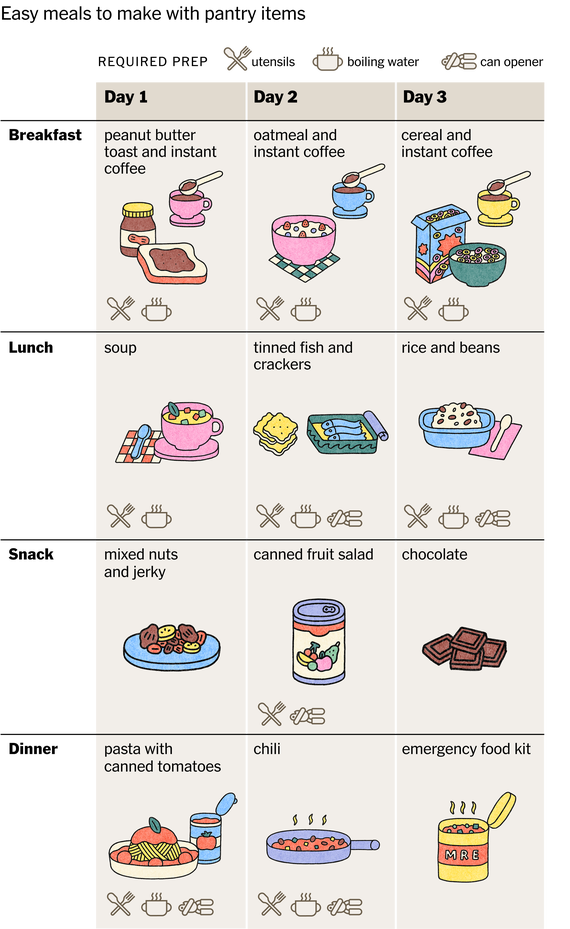
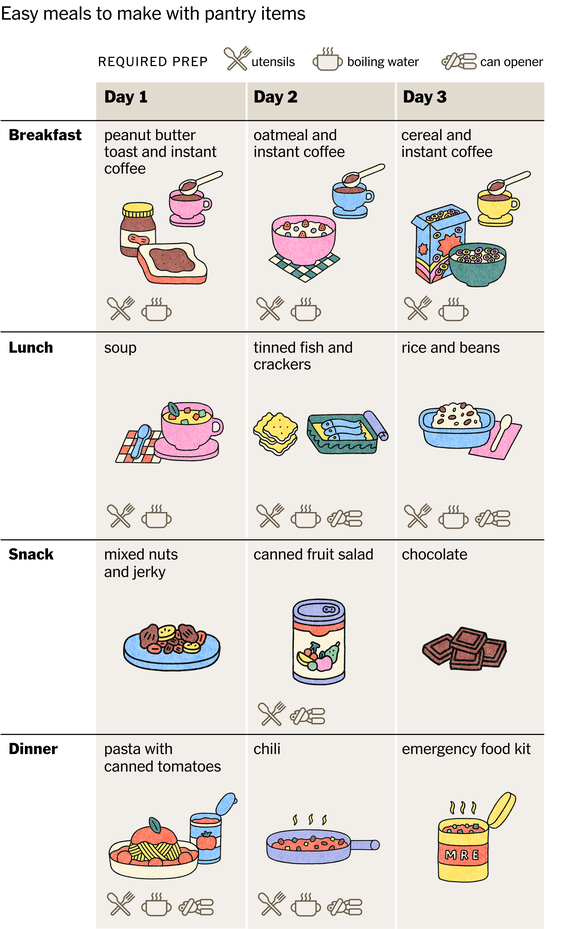
- Canned beans and vegetables
- Nut butters and crackers
- Dried fruits and nuts
- Energy bars and ready-to-eat meals
- Instant oatmeal or cereal
Keep a variety of no-cook items to maintain a balanced diet.
Additional Tips For Long-term Storage
Storing food for emergencies isn’t just about packing enough supplies. The way you manage and protect your stock over time can make all the difference. Paying attention to details beyond just the basics helps ensure your food stays safe, accessible, and usable when you need it most.
Labeling And Documentation
Clear labeling is essential. Mark each container with the food type, packing date, and expiration or best-by date. This simple step helps you rotate your stock effectively and prevents food waste.
Keep a separate inventory list. Note quantities, storage locations, and any special instructions. A well-maintained list saves time and frustration during an emergency.
Pest Prevention
Pests can quickly ruin your food supply. Use airtight containers made of glass or thick plastic to keep insects and rodents out. Avoid cardboard boxes, which pests can easily chew through.
Regularly inspect your storage area for signs of pests, like droppings or holes. Taking action early can save your entire stock. Consider natural deterrents like bay leaves or cedar blocks to keep pests at bay without chemicals.
Safe Location Selection
Choosing the right spot for your emergency food is crucial. Aim for a cool, dry place away from direct sunlight and temperature swings. Basements or interior closets often work well.
Think about accessibility during a crisis. Will you be able to reach your supplies quickly and safely? Avoid places prone to flooding or extreme heat, which can spoil your food faster.

Credit: www.nytimes.com
Frequently Asked Questions
What Are The Best Foods For Emergency Storage?
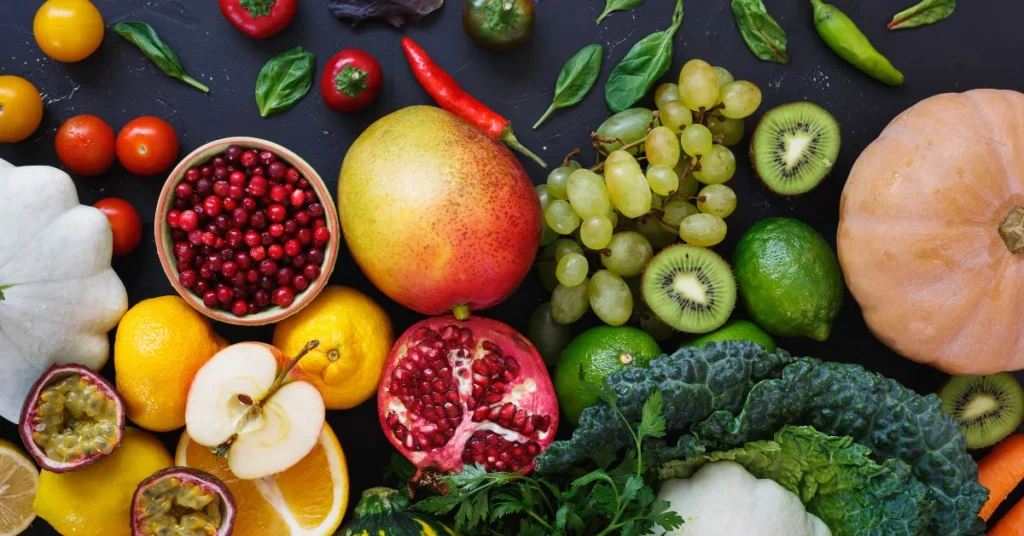
Choose non-perishable, nutrient-dense foods like canned beans, rice, pasta, and dried fruits. These items have long shelf lives and provide essential nutrients during emergencies. Avoid fresh produce as it spoils quickly. Focus on variety to maintain a balanced diet.
How Should I Store Emergency Food Safely?
Store food in a cool, dry, and dark place to extend shelf life. Use airtight containers to protect against moisture and pests. Label containers with purchase dates for easy rotation. Regularly check for expiration and replace items as needed.
How Long Can Emergency Food Last Stored?
Shelf life varies by food type; canned goods last 1-5 years, dried grains up to 10 years. Proper storage conditions significantly extend longevity. Rotate supplies every 6-12 months to ensure freshness and safety during an emergency.
Should I Include Water With My Emergency Food Storage?
Yes, water is essential for hydration and food preparation. Store at least one gallon per person per day. Keep water in clean, sealed containers away from direct sunlight. Regularly replace stored water every six months for safety.
Conclusion
Storing food for emergencies means being ready for tough times. Choose foods that last long and keep them in cool, dry places. Check your supplies often and use older items first. Keep a list of what you have and what you need.
Small steps today can make a big difference later. Stay calm and prepared. Your food storage can help you and your family stay safe. It’s simple to start, and it brings peace of mind. Ready for anything starts with smart food storage.