Imagine facing an emergency without the right food supplies. How would you keep yourself and your loved ones safe and nourished?
Knowing exactly what food to buy in case of emergency can make all the difference when time is tight and options are limited. You’ll discover simple, smart choices that ensure you’re prepared for any situation. Keep reading to find out how to build a food stash that keeps you strong, energized, and worry-free when it matters most.
Key Criteria For Emergency Food
Choosing the right food for emergencies requires careful thought. Food must last long, provide energy, and be easy to use. Understanding key criteria helps make smart choices. These factors ensure food stays good and keeps you healthy.
Shelf Life And Storage
Food with a long shelf life is essential. It should stay safe and edible for months or years. Proper storage prevents spoilage and waste. Look for sealed packaging that blocks air and moisture. Store food in cool, dark places to keep it fresh longer.
Nutritional Value
Emergency food must supply needed nutrients. It should include proteins, carbs, and fats. Vitamins and minerals support body functions during stress. Choose balanced options to maintain energy and health. Avoid foods high in sugar or empty calories.
Ease Of Preparation
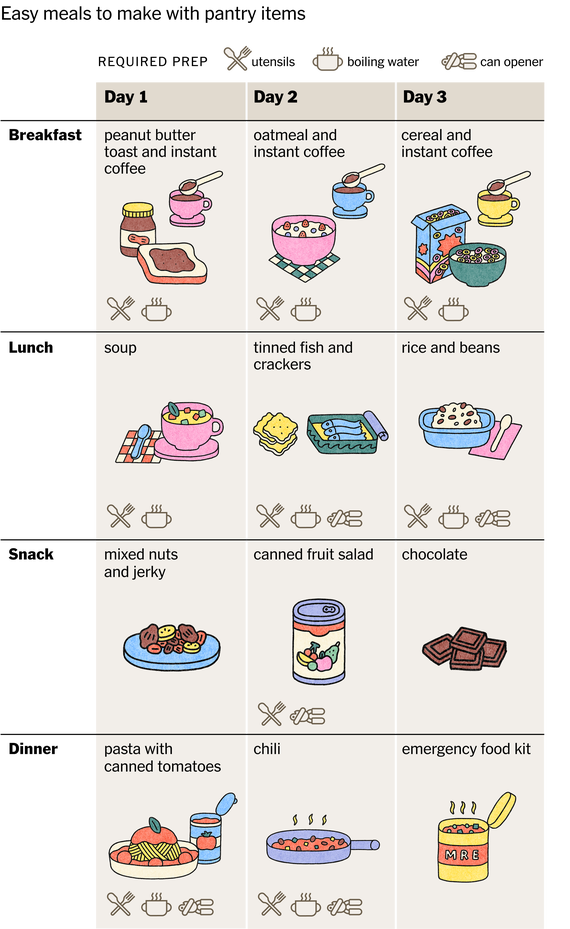
Simple food preparation saves time and effort. Ready-to-eat meals or foods needing little cooking work best. Avoid items that require special tools or long cooking times. Boiling water or no-cook foods are ideal during power outages.
Portability And Packaging
Compact packaging makes food easy to carry and store. Lightweight items fit in small spaces. Look for resealable bags or cans to keep food fresh after opening. Durable packaging protects food from damage and contamination.

Credit: www.costco.ca
Top Grains And Cereals
Choosing the right grains and cereals for your emergency food supply can make a huge difference in how well you manage during tough times. These staples are not only filling but also have long shelf lives, making them essential to your preparedness kit. Let’s look at some top options that deliver both nutrition and convenience.
Rice And Quinoa
Rice is a classic emergency food. It stores well for years if kept dry and sealed. Plus, it’s easy to cook and pairs well with almost any dish.
Quinoa is a powerhouse grain that offers complete protein, making it great if you’re looking to boost your nutrition. It cooks quickly and has a slightly nutty flavor. Have you tried swapping rice with quinoa for a change in your meals?
Oats And Barley
Oats are perfect for a quick breakfast or snack during emergencies. They provide fiber and energy, which you’ll need to keep going. Rolled oats or steel-cut oats both work well for storage.
Barley is often overlooked but is a fantastic grain to stock. It adds texture and nutrients to soups and stews. Storing barley can diversify your meal options beyond just rice and pasta.
Instant Cereals
Instant cereals are a lifesaver when cooking resources are limited. They require minimal water and cook fast, giving you warm meals even with little heat. Look for options fortified with vitamins and minerals to boost your diet.
Keep a variety of flavors on hand to avoid meal fatigue. Instant cereals can also double as a snack or a base for other ingredients you might have. What’s your go-to instant cereal during busy mornings?
Essential Protein Sources
Stock up on canned beans and lentils, rich in protein, for emergencies. Canned fish like tuna and salmon provide essential nutrients. Dried nuts and seeds are great for long-term storage. These options ensure you have vital protein sources during uncertain times.
In times of emergencies, having a reliable stock of protein-rich foods is crucial for maintaining energy and health. Protein is the building block of life, and in stressful situations, your body needs it to stay strong and resilient. Knowing what essential protein sources to have on hand can make all the difference.Canned Meats And Fish
Canned meats and fish are excellent protein sources that have a long shelf life. They are a convenient option, easy to store, and can be quickly prepared when needed. Whether it’s canned tuna, chicken, or salmon, these items can be used in various meals. Have you ever tried mixing canned salmon with crackers for a quick snack? It’s not only tasty but also packed with nutrients. Keeping a variety of canned meats ensures you don’t get bored with your options, making it easier to stick to your emergency food plan.Beans And Lentils
Beans and lentils are versatile and rich in protein and fiber. They are not only affordable but also easy to prepare. A simple bean stew can be a hearty meal that keeps you full for hours. Consider stocking up on different types, like black beans, chickpeas, and red lentils. Each brings a unique flavor and texture to your meals. Ever tried making a lentil curry? It’s comforting and nutritious, perfect for any emergency.Nuts And Seeds
Nuts and seeds are compact, nutrient-dense, and require no preparation, making them perfect for emergency situations. Almonds, walnuts, and sunflower seeds are just a few examples that are high in protein and healthy fats. Have you ever thought about making a trail mix with nuts and dried fruits? It’s an easy way to satisfy hunger and boost energy. Plus, nuts and seeds can be used in a variety of ways, from snacking to adding crunch to your meals. By keeping these essential protein sources handy, you ensure that you’re prepared for whatever comes your way. Are you ready to start building your emergency food supply?Vital Fruits And Vegetables
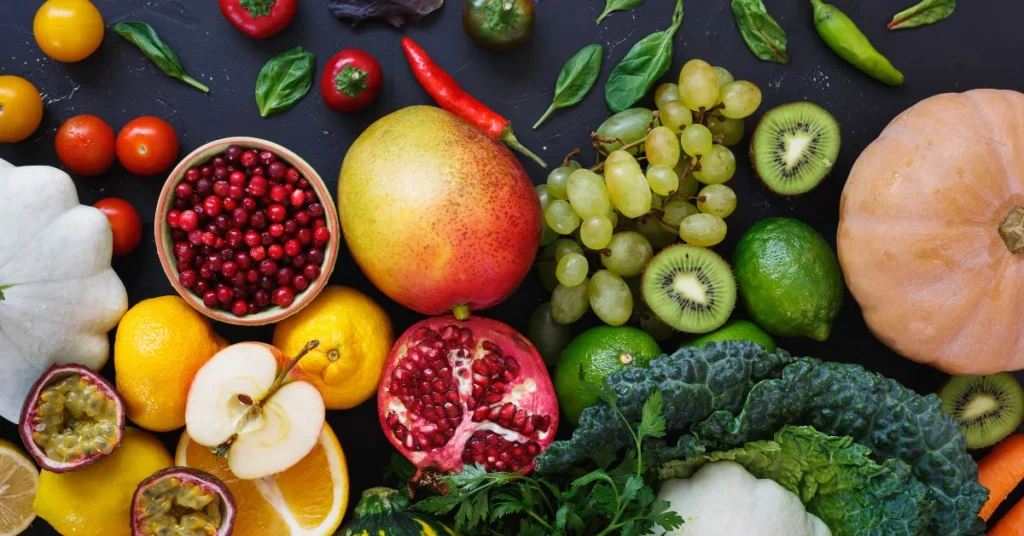
Fruits and vegetables are crucial in any emergency food supply. They provide essential vitamins, minerals, and fiber that keep your body strong and your immune system ready. But fresh produce can spoil quickly, so you need reliable alternatives that last long and still deliver nutrition.
Canned And Jarred Options
Canned and jarred fruits and vegetables are a great emergency staple. They often retain most nutrients and stay safe for years when stored properly. Look for low-sodium canned vegetables and fruits packed in natural juice or water to avoid extra sugar and salt.
Think about keeping canned green beans, corn, peaches, and pineapple. They’re easy to store and add variety to your meals. Have you checked the expiration dates on your canned goods recently? Rotating your stock can prevent waste.
Dehydrated And Freeze-dried Choices
Dehydrated and freeze-dried fruits and vegetables are lightweight and have a long shelf life. They keep almost all their nutrients and flavor without refrigeration. These options are perfect if you need to save space or plan to carry your food on the go.
Try freeze-dried strawberries, apples, peas, or carrots. You can eat them as snacks or rehydrate them for cooking. Ever tried freeze-dried berries in your morning cereal? They add a burst of flavor and nutrition without the mess.
Powdered Vegetables And Fruit
Powdered forms of fruits and vegetables offer a convenient way to boost your nutrition. You can mix them into water, soups, or smoothies, making it easy to consume multiple servings quickly. They take up very little space and last a long time.
Popular options include powdered spinach, kale, beetroot, and mixed fruit powders. Have you thought about adding a spoonful of powdered greens to your emergency meals? It’s a simple trick to keep your diet balanced.
Healthy Fats And Oils
Healthy fats and oils are essential in any emergency food supply. They provide concentrated energy and help your body absorb vital vitamins. Plus, they keep meals satisfying when fresh food options are limited.
Cooking Oils With Long Shelf Life
Choose oils that stay fresh for months or even years. Coconut oil and olive oil are excellent options. Coconut oil can last up to two years unopened, while high-quality extra virgin olive oil lasts about 18 months.
Store oils in a cool, dark place to extend their life. Avoid oils like flaxseed or walnut oil, which spoil quickly. Think about how you’ll use these oils—olive oil is great for dressings and low-heat cooking, while coconut oil can handle higher temperatures.
Nut Butters
Nut butters are a tasty way to get healthy fats and protein. Peanut butter and almond butter both have good shelf lives, especially when unopened. They are perfect for quick snacks or adding calories to meals.
Look for natural varieties without added sugars or hydrogenated oils. Once opened, nut butters last about 3 months in the pantry or longer if refrigerated. Have you checked your pantry lately to see if your nut butters are still fresh?
Shelf-stable Margarine
Shelf-stable margarine offers a butter alternative without refrigeration. Many brands use hydrogenated or partially hydrogenated oils, so pick options labeled trans-fat free. These margarines can last several months unopened.
They’re handy for baking and spreading when fresh butter isn’t available. Keep a few packs in your emergency stash—they’re lightweight and easy to store. How often do you think about margarine as a backup fat source?
Hydration Essentials
Staying hydrated during an emergency isn’t just about quenching thirst. Your body needs clean, safe water to function properly and avoid dehydration. Knowing exactly what to have on hand for hydration can make a big difference when resources are scarce.
Bottled Water Storage
Store enough bottled water to cover at least three days for each person in your household. Aim for one gallon per person per day, which covers drinking and basic sanitation. Check expiration dates regularly and rotate your stock to keep water fresh.
Choose bottles made of food-grade plastic and keep them in a cool, dark place. Avoid storing water containers directly on concrete floors, as chemicals can leach in over time. Have sturdy, sealed containers ready just in case you need to collect rainwater or other sources.
Water Purification Methods
Sometimes bottled water runs out or isn’t available. Having ways to purify water can save you from serious health risks. Boiling water for at least one minute is the simplest method to kill most bacteria and viruses.
Portable water filters are another great option—they remove particles and many harmful microbes. You can also use water purification tablets or drops; these are lightweight and easy to store. Do you know how to use each method correctly? Practicing before an emergency helps you avoid mistakes when it really matters.
Electrolyte Drinks
Water alone isn’t always enough during emergencies, especially if you’re sweating heavily or ill. Electrolyte drinks help replace essential minerals like sodium, potassium, and magnesium that your body loses. Keep powdered electrolyte mixes or ready-made drinks in your emergency kit.
These drinks support energy levels and prevent cramping or dizziness caused by dehydration. You can even make your own by mixing water, salt, and a bit of sugar if commercial options run out. Have you considered how electrolyte balance affects your survival chances?
Comfort And Convenience Foods
Comfort and convenience foods bring ease and calm during tough times. These foods require little or no preparation. They help maintain energy and morale in emergencies. Choosing items that are easy to store and eat is smart. They also provide a quick source of nutrition and comfort.
Snack Bars And Trail Mix
Snack bars and trail mix are excellent for emergencies. They are lightweight and easy to carry. Snack bars offer balanced energy from proteins, fats, and carbs. Trail mix combines nuts, seeds, and dried fruits. This mix gives a good dose of vitamins and healthy fats. Both options have a long shelf life. No cooking or refrigeration is needed. Great for quick snacks anytime.
Instant Soups And Meals
Instant soups and meals save time and effort. Just add hot water to prepare them. They come in many flavors and styles. These meals provide warmth and fullness quickly. Many are fortified with vitamins and minerals. Easy to store in a small space. Perfect for days without cooking facilities. They help keep spirits high with a hot meal.
Sweet Treats
Sweet treats lift mood during stressful moments. Candies, chocolates, and hard sweets last long. They offer a fast energy boost. Small portions are easy to pack and share. Sweet flavors comfort and calm the mind. Including some sweets in your emergency kit is wise. They provide a pleasant break from bland foods.

Credit: trueprepper.com
Special Dietary Needs
Special dietary needs require thoughtful planning during emergencies. People with allergies, intolerances, or specific diets need safe, reliable food options. Stocking these foods ensures everyone stays nourished and healthy when supplies run low. Prioritize nutrient-rich, long-lasting items that fit unique dietary rules.
Gluten-free Options
Gluten-free foods are vital for those with celiac disease or gluten intolerance. Choose naturally gluten-free staples like rice, quinoa, and cornmeal. Pack gluten-free pasta and crackers for variety. Label all items clearly to avoid confusion. Opt for canned beans and vegetables without gluten additives. Store gluten-free flours such as almond or coconut flour for baking needs.
Vegetarian And Vegan Staples
Vegetarian and vegan diets focus on plant-based nutrition. Stock canned beans, lentils, and chickpeas for protein. Include dried fruits, nuts, and seeds for snacks and energy. Freeze-dried vegetables and fruits preserve vitamins and taste. Keep plant-based milk alternatives like almond or oat milk. Whole grains such as oats, barley, and brown rice offer fiber and calories.
Allergy-friendly Foods
Food allergies demand careful selection to prevent reactions. Avoid common allergens like nuts, dairy, and soy if needed. Choose hypoallergenic protein sources such as rice or pea protein powders. Select canned fruits and vegetables without additives or cross-contamination risks. Store safe snack options like seed-based bars or rice cakes. Clearly separate allergy-friendly foods from others to maintain safety.
Storing And Rotating Supplies
Storing and rotating emergency food supplies keeps your stock fresh and safe. Proper management prevents waste and ensures you have usable food when needed. Organize your supplies carefully and check them often.
Optimal Storage Conditions
Store food in a cool, dry place away from sunlight. Avoid areas with high humidity to prevent mold and spoilage. Use airtight containers to keep out pests and moisture. Label each item with the purchase or expiration date. Keep storage areas clean and well-ventilated.
First-in, First-out Method
Use older items before newer ones. Arrange food so older packages are at the front. This system reduces the chance of food expiring unnoticed. Rotate new supplies to the back of the shelf. Always check dates before adding new stock.
Regular Inventory Checks
Check your supplies every month. Look for damaged packaging or expired products. Remove any spoiled or expired food immediately. Update your list to track what you have left. Regular checks help plan future purchases efficiently.

Credit: www.amazon.ca
Frequently Asked Questions
What Are The Best Non-perishable Foods For Emergencies?
Best non-perishable foods include canned beans, rice, pasta, peanut butter, and dried fruits. These items last long and provide essential nutrients. They require minimal preparation and storage, making them ideal for emergencies. Stocking a variety ensures balanced nutrition during a crisis.
How Much Emergency Food Should I Store Per Person?
Store at least a three-day supply of food per person. Ideally, keep a two-week supply for better preparedness. Factor in dietary needs and calorie requirements. This ensures sufficient energy and nutrition during unexpected situations or disasters.
Which Foods Provide The Most Energy In Emergencies?
High-calorie foods like nuts, peanut butter, granola bars, and dried fruits provide quick energy. They are easy to store and consume without cooking. These foods help maintain stamina and alertness when resources are limited.
Can I Store Fresh Food For Emergencies?
Fresh foods have a short shelf life and are not ideal for long-term emergencies. Instead, consider frozen or canned vegetables and fruits. These retain nutrients and last longer. Proper storage and rotation keep your emergency food fresh.
Conclusion
Choosing the right food can keep you safe during emergencies. Focus on items that last long and provide good energy. Think about water, canned goods, and dry foods like rice or beans. Don’t forget snacks that need no cooking. Store food in a cool, dry place.
Check your supplies often and replace expired items. Being prepared helps you stay calm and strong. Small steps today can make a big difference tomorrow. Stay ready, stay safe.