Are you wondering if people are actually getting emergency food stamps right now? You’re not alone.
When times get tough, knowing where to turn for help can make all the difference. This article will clear up the confusion and give you the facts you need. Keep reading to find out who qualifies, how to apply, and what to expect—so you can take action with confidence.
Don’t miss this chance to get the support you deserve.
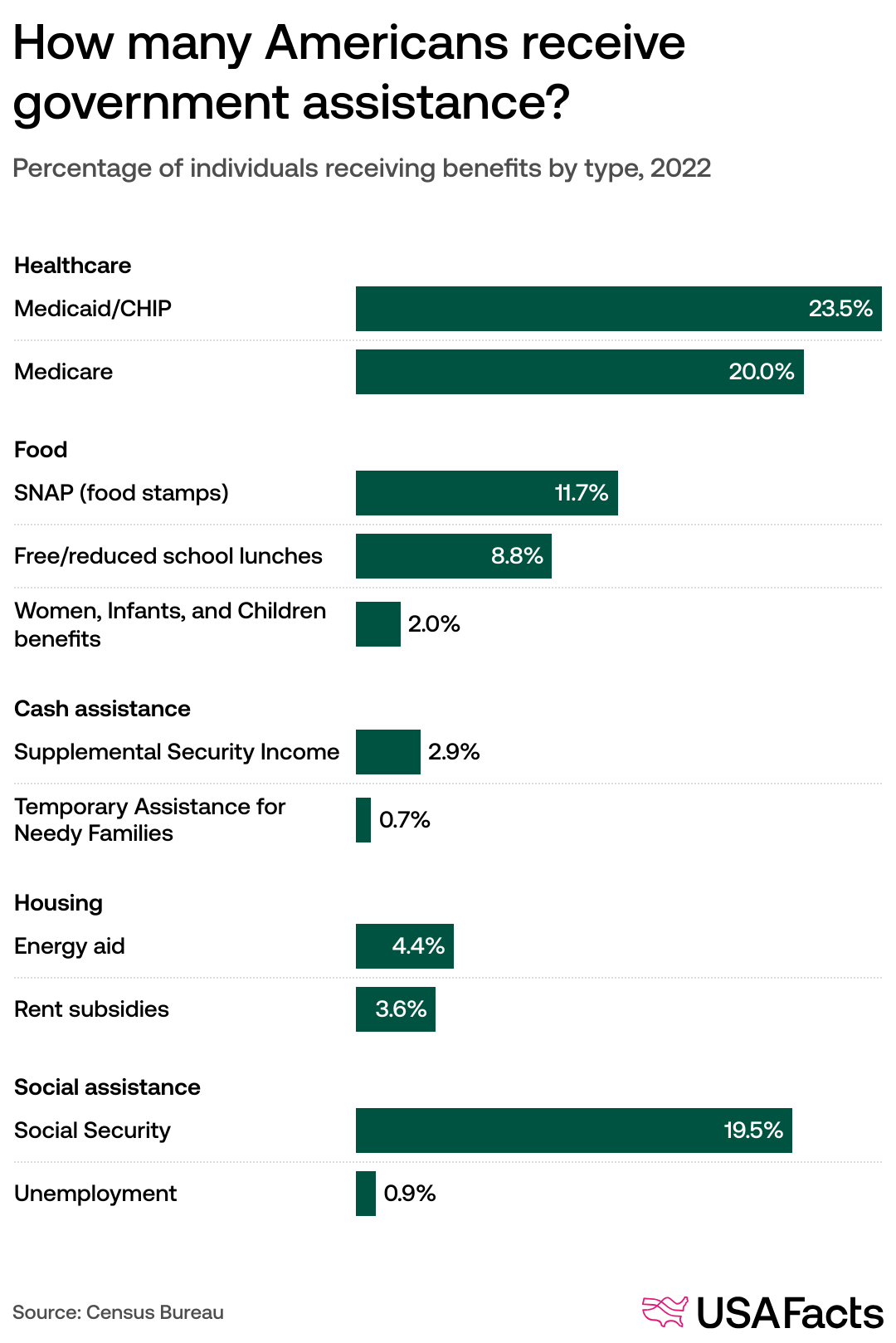
Credit: usafacts.org
Emergency Food Stamps Basics
Emergency food stamps help people buy food during hard times. They provide quick support for families facing sudden income loss or emergencies. Understanding the basics helps you know who can get these benefits and how to apply.
What Are Emergency Food Stamps
Emergency food stamps are extra benefits added to regular food assistance programs. They offer extra money to buy groceries fast. These stamps help cover urgent food needs and prevent hunger during crises.
Who Qualifies
People with low income or sudden job loss usually qualify. Families facing natural disasters, eviction, or other emergencies may also get help. Eligibility depends on your state rules and current situation.
Application Process
Applying for emergency food stamps starts with contacting your local food assistance office. You can apply online, by phone, or in person. You must provide proof of income and emergency circumstances. The process is designed to be fast to meet urgent needs.
Recent Trends In Emergency Food Assistance
Emergency food assistance has become a lifeline for many households facing sudden financial hardships. Understanding recent trends in this area helps you see how demand is shifting and what that means for communities and policy makers. Let’s take a closer look at the main factors driving these changes and the responses shaping the landscape.
Increased Demand Factors
Many people are turning to emergency food stamps due to unexpected events like job losses, medical emergencies, or rising living costs. The pandemic, for example, pushed more families into food insecurity than ever before. You might notice more local food banks reporting higher numbers of new clients each month.
Rising prices on everyday essentials add pressure, forcing even steady earners to seek help. Have you ever had to stretch your groceries thinner because your paycheck didn’t cover all expenses? This growing need reflects broader challenges in the economy that directly impact your neighbors and community.
Government Response
Governments have reacted by expanding eligibility and increasing benefit amounts for emergency food programs. Some states have simplified application processes, making it easier for you or someone you know to access help quickly. These changes aim to reduce barriers and get food assistance to those who need it most.
Additionally, temporary boosts in funding have supported food banks and community organizations. This support keeps shelves stocked and ensures families don’t face empty pantries during tough times. How easily do you think you could apply for emergency food assistance if your situation suddenly changed?
Impact Of Economic Changes
Economic shifts, like inflation and unemployment rates, directly affect the demand for emergency food stamps. As prices climb, your monthly budget may shrink, pushing you closer to needing extra support. Changes in job markets also influence how many people qualify for these programs.
These trends show how interconnected your financial health is with wider economic conditions. Paying attention to these shifts can help you plan better or advocate for policies that protect vulnerable families. What steps can you take today to buffer yourself or your community against these economic ups and downs?
Benefits Of Emergency Food Stamps
Emergency food stamps provide critical support during unexpected financial hardships. They offer more than just a temporary fix; they help stabilize lives and maintain dignity when resources run low. Understanding their benefits can help you see why they matter to individuals, families, and entire communities.
Immediate Relief
Emergency food stamps deliver fast assistance when you need it most. They allow you to buy groceries right away, preventing hunger and stress. Imagine facing an empty pantry and knowing you can quickly get nutritious food without waiting weeks.
This immediate access can reduce anxiety and help you focus on other urgent matters, like job searching or managing bills. What would it mean for you to have this safety net during a tough month?
Supporting Families
Families often bear the brunt of financial crises, especially when children are involved. Emergency food stamps ensure kids don’t go hungry, which supports their health and ability to learn. When your family has reliable food access, it creates a more stable home environment.
Think about the impact on your own family if you didn’t have to choose between food and other essentials. This support can keep your family strong and reduce the risk of deeper poverty.
Community Impact
When more people receive emergency food stamps, local communities benefit too. It reduces the strain on food banks and shelters, helping them serve more people effectively. Plus, it keeps money circulating in local grocery stores and markets.
How do you think your community changes when fewer people face hunger? Supporting emergency food programs can create a ripple effect that lifts everyone up.
Challenges In Accessing Emergency Food Stamps
Accessing emergency food stamps can be difficult due to complex rules and long wait times. Many people face challenges proving eligibility or navigating the application process. These barriers often delay or block urgent help for those in need.
Accessing emergency food stamps can be a lifeline during times of crisis, yet many people face significant hurdles in obtaining this crucial assistance. These challenges can range from complex eligibility requirements to lengthy application processes, and even a lack of awareness about the program’s existence. Understanding these obstacles can help you navigate the system more effectively and ensure you get the support you need.Eligibility Barriers
One of the primary challenges is understanding and meeting the eligibility criteria. Many people find these requirements confusing or overly strict, which can deter them from applying. A friend of mine, who recently lost her job, was unsure whether her temporary unemployment qualified her for emergency food stamps. Are you aware of the specific income thresholds or household size requirements that apply to you? Clarifying these details can save you time and frustration.Application Delays
Even after determining eligibility, the application process itself can be a major hurdle. Delays are common, often due to bureaucratic backlogs or incomplete paperwork. Have you ever had to wait weeks or even months for a response on a critical application? Such delays can be devastating when you’re in immediate need of food assistance.Awareness And Outreach
Surprisingly, many people are unaware that emergency food stamps are even an option. Outreach efforts often fail to reach those who need assistance most, leaving them in the dark about available resources. Do you know someone who might benefit from this program but doesn’t know it exists? Spreading the word can make a significant difference in your community. By tackling these challenges head-on, you can better position yourself to access the support you need during tough times.Tips For Applying Successfully
Applying for emergency food stamps can feel overwhelming, but a few smart strategies can make the process smoother and increase your chances of approval. You don’t need to be an expert to get it right; being organized and proactive goes a long way. Let’s look at some practical tips that can help you navigate the application successfully.
Gathering Required Documents
Before you start your application, collect all necessary documents. These usually include proof of identity, income statements, and residency verification.
Having these ready saves you from last-minute stress and delays. Think about your recent pay stubs, utility bills, and any letters about your current living situation. Missing documents can halt your application, so double-check everything before submitting.
Meeting Deadlines
Emergency food stamps often come with tight deadlines. Missing these can mean losing access to critical support when you need it most.
Mark the application due date clearly on your calendar. Set reminders a few days ahead to gather any additional information. Have you ever missed a deadline and wished for a little more time? Staying ahead prevents that frustration.
Seeking Assistance
You don’t have to do this alone. Many community organizations and government offices offer help with food stamp applications.
Reach out to local social service agencies or food banks for guidance. Sometimes, just having someone review your application can catch errors or missing details. Wouldn’t you want someone in your corner to boost your chances?

Credit: www.theatlantic.com
Alternatives To Emergency Food Stamps
If you find yourself in need of food assistance but aren’t eligible for emergency food stamps, don’t lose hope. There are several other ways to get help quickly and effectively. Understanding these alternatives can make a big difference when you need support.
Local Food Banks
Local food banks are a reliable source of free groceries and essentials. They often work with nearby farms, grocery stores, and donors to provide fresh and non-perishable items.
Many food banks don’t require extensive paperwork, so you can get help faster. It’s worth checking their hours and any specific requirements they might have. Have you checked if your community has a food bank nearby?
Community Programs
Community programs often offer meal services and food distribution events. Churches, nonprofits, and community centers organize these programs to support families and individuals in need.
You might find weekly or monthly food drives, hot meal services, or even delivery options if transportation is a challenge. These programs also connect you with others who can offer additional support, like job training or childcare.
Other Assistance Options
Beyond food stamps, there are programs like WIC, school meal plans, and emergency grants that can help fill gaps.
- WIC: Offers nutrition assistance for women, infants, and children.
- School Meal Programs: Provide free or reduced-price lunches for children.
- Emergency Grants: Some local governments and charities offer one-time financial help for food or utilities.
Have you explored these options? Sometimes a quick phone call or online search can open doors you didn’t know existed. The key is to reach out early and ask for what you need.

Credit: www.yahoo.com
Frequently Asked Questions
Are People Currently Receiving Emergency Food Stamps?
Yes, many people are receiving emergency food stamps due to ongoing economic challenges. States have expanded access to assist more families in need.
How Can Someone Apply For Emergency Food Stamps?
Applications can be submitted online, by phone, or in person at local offices. Eligibility is based on income and household size.
What Is The Typical Amount Of Emergency Food Stamps Given?
The amount varies by state and household size. It generally covers basic food needs for a month.
Who Qualifies For Emergency Food Stamps During A Crisis?
Low-income individuals, families, unemployed, and those facing unexpected hardships typically qualify for emergency assistance.
Conclusion
Many people do receive emergency food stamps during hard times. These benefits help families buy food quickly. Rules and availability may change by state or situation. Applying early can improve chances of getting help. Stay informed about local programs and deadlines.
Emergency food stamps offer crucial support when money is tight. Knowing how to access this aid matters a lot. Don’t wait if you need assistance now. Help is out there, ready to ease food struggles.