Have you ever wondered what you should have in your emergency food supply? When unexpected situations strike, having the right food on hand can make all the difference for you and your loved ones.
But it’s easy to feel overwhelmed by all the choices and advice out there. This guide will help you understand exactly what to include, so you feel confident and prepared. Keep reading to discover simple, practical tips that will ensure your emergency food supply truly supports you when you need it most.

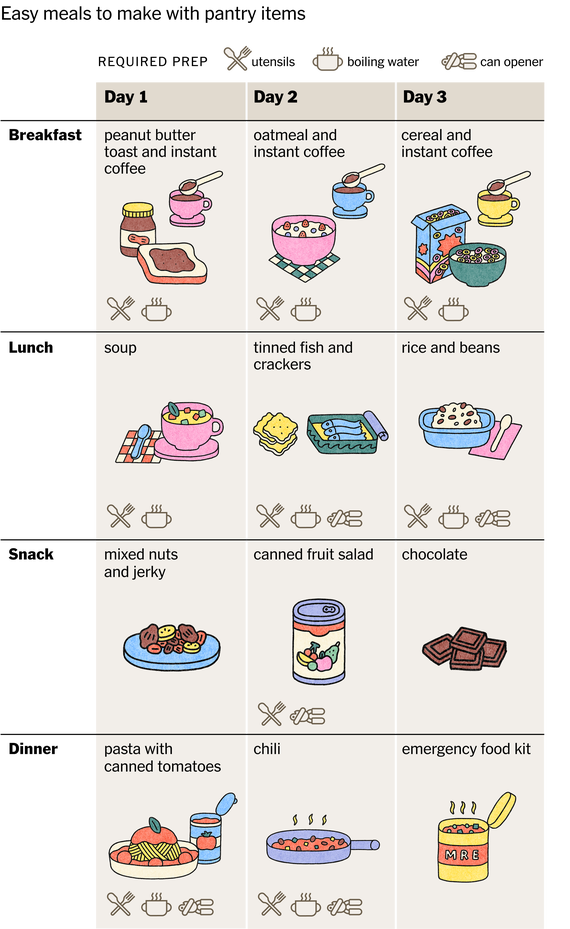
Credit: www.goodhousekeeping.com
Basic Food Essentials
Building an emergency food supply starts with choosing basic essentials. These items last long and provide good nutrition. Focus on foods that store well and need little preparation. These essentials help maintain energy and health during tough times.
Non-perishable Staples
Non-perishable staples form the foundation of your food supply. These foods do not spoil quickly and can be stored easily. Examples include:
- Rice
- Beans
- Lentils
- Flour
- Sugar
- Salt
- Cooking oil
These staples provide carbohydrates, protein, and essential fats. They are versatile for many meal options.
High-energy Snacks
High-energy snacks offer quick calories and keep hunger away. Choose snacks that last long and are easy to carry. Good options include:
- Nut butters
- Granola bars
- Dried fruits
- Nuts and seeds
- Trail mix
These snacks boost energy and morale during stressful situations.
Canned Goods
Canned goods are practical and nutritious. They usually contain ready-to-eat foods. Keep a variety for balanced meals:
- Canned vegetables
- Canned fruits
- Canned meats like tuna or chicken
- Canned soups and stews
Canned items help add flavor and protein to your food supply.
Dry Grains And Pasta
Dry grains and pasta are excellent sources of carbohydrates. They cook quickly and store well for months. Include items such as:
- Spaghetti
- Macaroni
- Oats
- Quinoa
- Couscous
These foods fill you up and provide steady energy during emergencies.

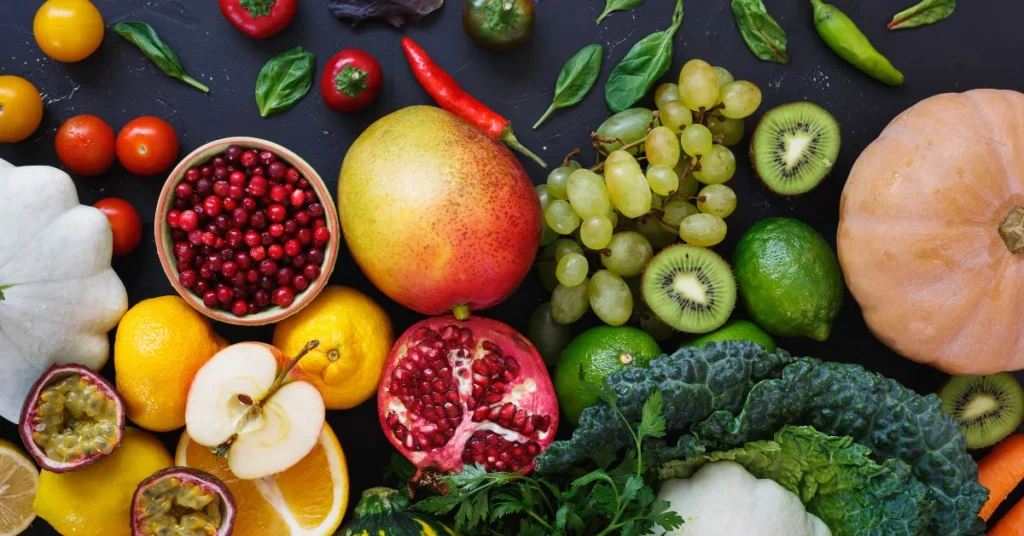
Credit: www.forbes.com
Nutritional Balance
Maintaining nutritional balance in your emergency food supply is essential for staying healthy. Your body needs a mix of nutrients to function well during stressful times. Balanced meals help keep energy, strength, and focus.
Choose foods that provide a variety of nutrients. Avoid relying on just one type of food. A good supply includes proteins, fruits, vegetables, and essential vitamins. These components support your immune system and overall health.
Protein Sources
Protein helps repair muscles and supports the immune system. Include long-lasting protein foods in your emergency kit.
- Canned tuna or chicken
- Dried beans and lentils
- Peanut butter
- Powdered eggs
- Protein bars
These options last long and are easy to store. Protein keeps you full and energized for longer periods.
Fruits And Vegetables
Fruits and vegetables provide important vitamins and fiber. Dried or canned versions save space and last longer.
- Dried apricots, apples, and raisins
- Canned tomatoes, corn, and green beans
- Freeze-dried vegetable mixes
Include different colors and types to cover many nutrients. Fiber helps digestion and keeps you feeling good.
Vitamins And Supplements
Vitamins support body functions and prevent deficiencies. Supplements help when fresh foods are limited.
- Multivitamin tablets
- Vitamin C tablets
- Electrolyte powders
Store these in a cool, dry place. They help maintain energy and immune health during emergencies.
Water And Hydration
When planning an emergency food supply, water and hydration should be at the top of your priority list. Water is not only essential for drinking but also for cooking and sanitation. Imagine being prepared with all the canned goods and dehydrated meals, only to find yourself without a safe water supply. It’s crucial to ensure you have adequate water storage and purification methods to keep yourself and your family safe and hydrated during emergencies.
Water Storage Options
Storing water is more than just filling up a few bottles. You need to consider the quantity and the storage method. The general rule is to have one gallon of water per person per day, covering drinking and basic hygiene.
- Store-Bought Water:It’s convenient and ready to use. Keep a supply of commercially bottled water as it’s designed to last long.
- Water Barrels:These are great for storing large quantities. Opt for food-grade barrels to ensure safety.
- Collapsible Containers:Perfect for saving space, these containers can be stored easily and filled when needed.
Water Purification Methods
Even with a good storage plan, you might find yourself needing to purify water during prolonged emergencies. Knowing how to make water safe can be a lifesaver.
- Boiling:A simple and effective method. Boil water for at least one minute to kill most pathogens.
- Water Purification Tablets:These are compact and easy to use. They’re a convenient solution for making water drinkable.
- Portable Water Filters:Devices like straws and pumps can filter out bacteria and protozoa, making them ideal for outdoor emergencies.
Consider your living situation and the likely scenarios you might face. Is your area prone to natural disasters? Do you have access to alternative water sources? Addressing these questions can guide you in selecting the best water storage and purification options for your emergency preparedness plan.

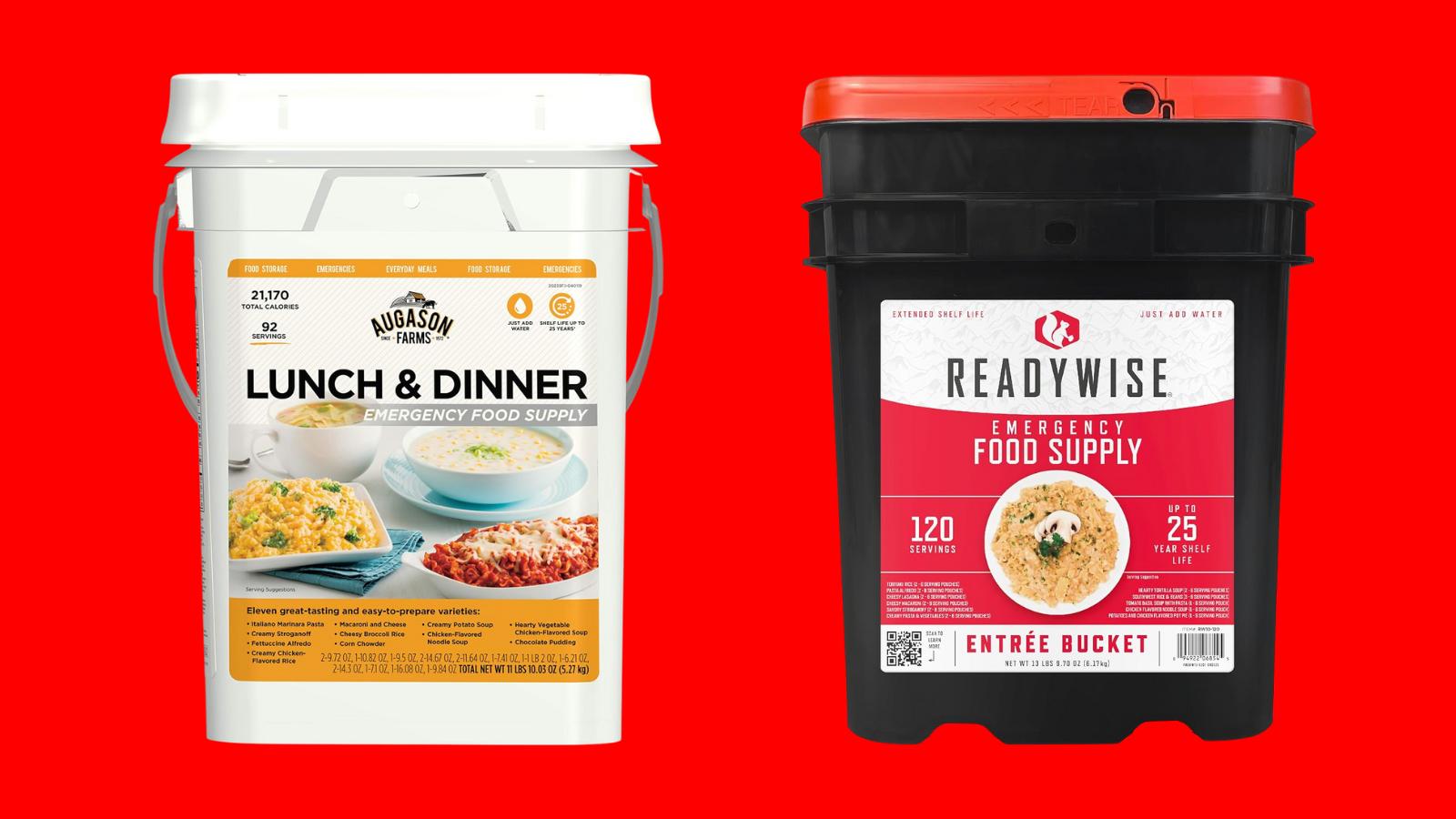
Credit: www.mypatriotsupply.com
Special Dietary Needs
Special dietary needs require careful planning in an emergency food supply. People with allergies, gluten intolerance, or vegan diets must have safe, reliable food options. Preparing for these needs ensures health and comfort during emergencies. It helps avoid allergic reactions and nutritional gaps.
Allergy-friendly Foods
Allergy-friendly foods avoid common triggers like nuts, dairy, or shellfish. Choose items clearly labeled as allergen-free. Examples include:
- Canned fruits and vegetables without additives
- Rice, quinoa, and other grains without cross-contamination
- Nut-free seed butters such as sunflower seed butter
- Safe snack bars made for allergy sufferers
Always check ingredient lists for hidden allergens. Store foods separately to prevent cross-contact.
Gluten-free And Vegan Options
Gluten-free and vegan foods provide essential nutrition without gluten or animal products. Include these in your emergency stock:
- Gluten-free pasta and cereals
- Dried beans, lentils, and peas for protein
- Canned vegetables and fruits without added gluten
- Plant-based protein powders or meal replacements
Look for products certified gluten-free and vegan. These options support diverse dietary needs safely.
Food Storage Tips
Storing emergency food properly keeps it safe and fresh for longer. Good food storage prevents spoilage and waste. It helps you rely on your supplies during an emergency without worry.
Proper Packaging
Use airtight containers to keep out moisture and pests. Vacuum-sealed bags work well for dry goods. Store food in sturdy, sealed cans or jars. Label each package with the packing date and contents. Clear containers make it easy to see what you have.
Temperature Control
Store food in a cool, dry place away from sunlight. Ideal temperature is between 50°F and 70°F (10°C to 21°C). Avoid areas with temperature swings like garages or attics. Keep food away from heat sources such as stoves or heaters. Proper temperature slows down spoilage and preserves nutrients.
Rotation And Shelf Life
Use the “first in, first out” rule for food rotation. Eat older supplies first and add new items to the back. Check expiration dates regularly and discard expired food. Keep a list of your stock and update it often. Rotate canned and dry foods every 6 to 12 months for best quality.
Additional Supplies
Having a well-stocked emergency food supply is more than just storing non-perishable items. You need the right tools and resources to prepare and enjoy your meals when regular conveniences disappear. Additional supplies can make a huge difference in your comfort and efficiency during an emergency.
Cooking Tools
Think about how you’ll cook your food without electricity or a gas stove. A portable camping stove or a small propane burner can be a lifesaver. Don’t forget basic tools like a can opener, a sharp knife, and a cutting board—they’re essential for preparing many foods.
It’s also smart to have a lightweight pot and pan set. These don’t take up much space but allow you to cook a variety of meals. Imagine trying to boil water or heat soup in a plastic container—you’ll quickly see why metal cookware is necessary.
Eating Utensils
Eating your emergency meals comfortably requires more than just food. Pack durable, reusable utensils such as forks, spoons, and knives. Avoid disposable cutlery if possible; they break easily and create waste.
Consider also having some bowls and plates made from lightweight, shatterproof materials. This way, you can eat hot meals safely and avoid injuries. Have you thought about how you’ll serve your food during a power outage?
Fuel Sources
Fuel is often overlooked but critical for cooking and heating. Stock up on reliable fuel sources like propane canisters, butane, or solid fuel tablets. Make sure these fuels are compatible with your cooking tools to avoid frustration.
It’s a good idea to have a backup fuel source as well. What if your primary fuel runs out or becomes unavailable? Having alternatives like charcoal or even a small wood-burning stove can keep you prepared.
Frequently Asked Questions
What Are The Essential Emergency Food Items To Store?
Essential emergency food items include non-perishable goods like canned beans, rice, pasta, and dried fruits. Include protein sources such as canned tuna or peanut butter. Don’t forget water, high-energy snacks, and multivitamins for balanced nutrition during emergencies.
How Long Should Emergency Food Supplies Last?
Emergency food supplies should last at least 72 hours to two weeks. This duration covers most short-term emergencies. For longer preparedness, stock up to a month. Rotate supplies regularly to keep food fresh and safe.
Can I Store Fresh Food In An Emergency Supply?
Fresh food isn’t ideal for long-term emergency storage. It spoils quickly without refrigeration. Instead, rely on canned, dried, or freeze-dried foods. These options last longer and provide necessary nutrients during crises.
How Much Water Is Needed With Emergency Food Supplies?
Store at least one gallon of water per person daily. This amount covers drinking, cooking, and basic hygiene. For a three-day emergency, plan for three gallons per person. Adjust quantities for longer preparedness.
Conclusion
Having a well-stocked emergency food supply brings peace of mind. Choose foods that last long and need little water or cooking. Include a mix of proteins, carbs, and fats for energy. Don’t forget some comfort foods to keep spirits high.
Check your supplies regularly to replace expired items. Prepare now to stay safe and ready for any situation. Simple steps make a big difference when emergencies happen. Stay calm, stay prepared.