When an emergency strikes, having the right food in your kit can make all the difference. You want to stay nourished, energized, and ready to face any challenge.
But what exactly should you pack to keep yourself safe and satisfied? Choosing the right foods isn’t just about filling your stomach—it’s about ensuring your survival and comfort when it matters most. Keep reading, and you’ll discover simple, smart food choices that will help you stay strong no matter what comes your way.
Your safety starts with what you pack today.

Credit: www.goodhousekeeping.com
Non-perishable Staples
Non-perishable staples form the backbone of any reliable emergency food kit. These items last long without refrigeration and provide essential nutrients. They are easy to store and prepare, making them perfect for urgent situations. Stocking a variety of non-perishable foods ensures balanced meals during emergencies.
Canned Proteins
Canned proteins offer a convenient and durable source of nutrition. Popular options include canned tuna, chicken, salmon, and beans. These foods provide necessary protein for energy and muscle repair. They remain safe to eat for years if stored properly. Choose low-sodium varieties to maintain a healthy diet.
Dry Grains And Legumes
Dry grains and legumes store well and fill you up. Examples are rice, oats, lentils, and dried beans. They are rich in carbohydrates and fiber, supplying long-lasting energy. These staples can be cooked easily with basic tools and water. Keep them in airtight containers to extend shelf life.
Shelf-stable Dairy Alternatives
Shelf-stable dairy alternatives include powdered milk, almond milk, and soy milk. These products do not need refrigeration until opened. They provide calcium and vitamins essential for bone health. Many options are fortified with extra nutrients. Perfect for those who are lactose intolerant or vegan.

Credit: heavensharvest.com
High-energy Snacks
High-energy snacks are essential in an emergency kit. They provide quick fuel for your body and keep you strong. Choose snacks that are easy to carry and last a long time. These snacks should offer a good mix of protein, fats, and carbohydrates. This balance helps maintain energy levels during stressful situations.
Nuts And Seeds
Nuts and seeds are natural powerhouses of energy. They contain healthy fats, protein, and fiber. These nutrients help you feel full longer. Examples include almonds, walnuts, sunflower seeds, and pumpkin seeds. Pack them in airtight containers to keep them fresh. Nuts and seeds are lightweight and easy to store.
Energy Bars
Energy bars are convenient and calorie-dense. They combine carbohydrates, protein, and fats in one compact snack. Look for bars with natural ingredients and low sugar. These bars are perfect for quick energy boosts. They don’t require refrigeration and have a long shelf life.
Dried Fruits
Dried fruits offer natural sweetness and quick energy. They provide vitamins, minerals, and fiber. Common options include raisins, apricots, and dates. Dried fruits are easy to pack and store. Avoid varieties with added sugars or preservatives for the healthiest choice.
Hydration Essentials
In any emergency, staying hydrated is crucial. Water is the most vital resource for survival. Your emergency kit should always prioritize hydration essentials. These essentials ensure you have safe, drinkable water at all times. Let’s explore the key elements you need to include.
Bottled Water
Bottled water is a must-have in your emergency kit. It is safe and ready to drink. Store enough bottled water for each person. Aim for at least one gallon per person per day. Consider the shelf life. Rotate your stock regularly to keep it fresh.
Water Purification Methods
Sometimes, you may need to purify water. This is crucial if bottled water runs out. Water filters are a reliable option. They remove bacteria and parasites. Portable filters are easy to use and carry. Water purification tablets are another choice. They kill harmful microorganisms quickly. Both methods make water safe to drink.
Electrolyte Solutions
In emergencies, electrolyte solutions help maintain balance. They prevent dehydration and replenish lost minerals. Pack powdered electrolyte drinks. They are light and easy to store. Mix them with purified water when needed. These solutions support energy and hydration levels.
Special Dietary Needs
Special dietary needs require careful food selection for emergency kits. People with these needs must have safe, nutritious options. Planning for allergies, intolerances, or lifestyle diets ensures comfort and health during emergencies.
Choose foods that meet specific requirements. Keep variety and shelf life in mind. Store enough to last several days or weeks.
Gluten-free Options
Gluten-free foods protect those with celiac disease or gluten sensitivity. Pack rice, quinoa, and gluten-free oats. Include canned beans and vegetables. Choose gluten-free crackers and nut butters for snacks.
Check labels to avoid hidden gluten. Store dry pasta made from corn or rice. Ready-to-eat soups or broths labeled gluten-free work well.
Allergy-friendly Choices
Allergy-friendly foods avoid common triggers like nuts, dairy, and eggs. Select seeds such as sunflower or pumpkin for protein. Use canned fruits and vegetables without added allergens.
Include hypoallergenic protein bars or mixes. Avoid cross-contamination by sealing foods tightly. Label each item clearly for safety.
Vegan And Vegetarian Picks
Vegan and vegetarian foods provide plant-based nutrition. Pack dried beans, lentils, and peas. Include canned vegetables, fruits, and plant-based soups.
Choose nuts, seeds, and whole grains for energy. Store shelf-stable plant milk alternatives. Ready-made vegan meals or snacks add variety and ease.
Packaging And Storage Tips
Packing food for an emergency kit requires careful thought about packaging and storage. Proper techniques keep food fresh and safe. Good storage protects food from damage and pests. Organizing the kit makes it easy to find items quickly. Managing shelf life helps avoid spoiled food. These tips ensure your emergency food lasts long and stays edible.
Proper Sealing Techniques
Seal food tightly to keep air and moisture out. Use airtight containers or vacuum-sealed bags. Heat-sealed plastic bags work well for dry goods. Label packages with the date of sealing. Avoid weak seals that can break during storage. Proper sealing prevents mold and insect damage.
Organizing Your Kit
Group similar foods together for quick access. Store heavy items at the bottom and light items on top. Use clear containers or label each box. Keep snacks, meals, and drinks in separate sections. Rotate items regularly to use older foods first. A neat kit saves time during emergencies.
Shelf Life Management
Check expiration dates before packing food. Choose items with long shelf lives like canned goods and dried foods. Store food in a cool, dry place to extend freshness. Use a first-in, first-out system to reduce waste. Replace expired items immediately. Proper shelf life management keeps your kit reliable.
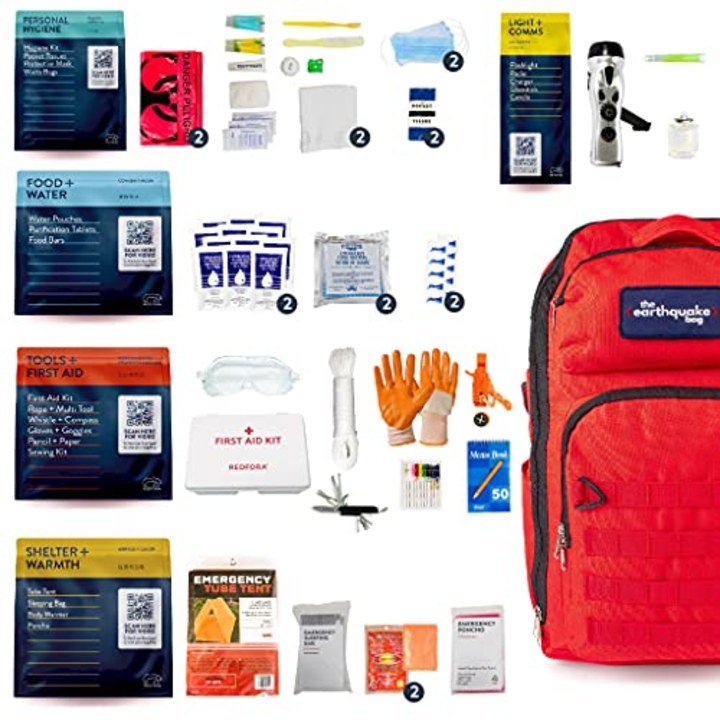
Credit: www.nbcnews.com
Cooking And Preparation Tools
Preparing food during emergencies needs more than just ingredients. Cooking and preparation tools make a big difference. They help you cook safely and efficiently, even in tough conditions. Choosing the right tools saves time and energy. It also keeps food clean and ready to eat.
Portable Stoves
Portable stoves are essential for emergency kits. They allow cooking without electricity or gas lines. Look for stoves that are compact and light. Small gas or alcohol stoves work well. They heat food fast and use minimal fuel. Some models fold or collapse for easy storage.
Utensils And Containers
Pack basic utensils like spoons, forks, and knives. Choose durable, easy-to-clean materials like stainless steel or plastic. Include a small cutting board and a pot or pan. Containers should be airtight to keep food fresh. Stackable containers save space and keep your kit organized.
Fuel And Fire Starters
Fuel is crucial for portable stoves. Carry enough but avoid heavy containers. Small fuel canisters or tablets are good options. Fire starters like waterproof matches or lighters are vital. Carry backups to ensure you can light a fire anytime. Store all fuel and fire starters safely to prevent accidents.
Frequently Asked Questions
What Are The Best Non-perishable Foods For An Emergency Kit?
Non-perishable foods like canned beans, nuts, dried fruits, and rice are ideal. They have a long shelf life and provide essential nutrients during emergencies.
How Much Food Should I Pack In An Emergency Kit?
Pack at least a three-day supply of food per person. This ensures sufficient energy and nutrition until help arrives or normal conditions return.
Should I Include Ready-to-eat Meals In My Emergency Kit?
Yes, ready-to-eat meals are convenient and require no cooking. They save time and energy during urgent situations, making them essential in any emergency kit.
Can I Pack Fresh Food In An Emergency Kit?
Fresh food is not recommended due to spoilage risks. Focus on shelf-stable options that last longer without refrigeration for safety and convenience.
Conclusion
Packing the right food keeps you safe during emergencies. Choose items that last long and need little water. Think about energy, nutrition, and easy preparation. Don’t forget special needs like allergies or kids. Rotate your supplies to keep food fresh.
A well-packed kit means peace of mind. Ready food helps you focus on staying calm. Simple, smart choices make all the difference. Stay prepared, stay safe.