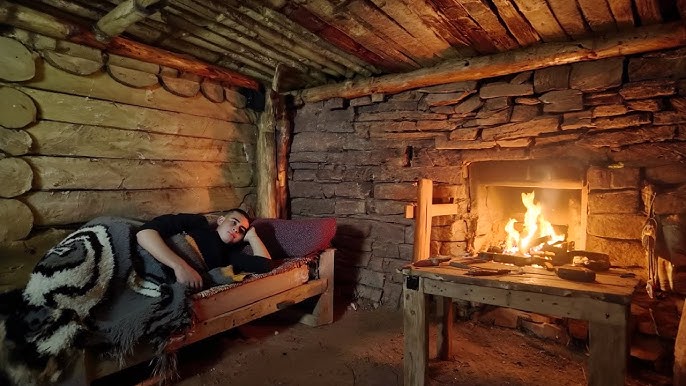
Imagine being in a survival shelter, cold and unsure how to stay warm through the night. Building a fireplace isn’t just about comfort—it can save your life.
You might think it’s complicated, but with the right steps, you can create a safe, efficient fireplace that keeps you warm and helps you cook food. In this guide, you’ll learn exactly how to build a fireplace in your shelter using simple materials and clear instructions.
Keep reading, because mastering this skill could make all the difference when you need it most.
Choosing The Right Location
Choosing the right location for a fireplace in a survival shelter is crucial. It affects safety, heat efficiency, and air quality. The spot must protect you and your shelter from fire hazards. It also needs good airflow to avoid smoke buildup. Careful planning helps create a warm and safe space during tough times.
Safety Considerations
Pick a spot away from flammable materials. Avoid dry leaves, wood piles, and fabrics. The fireplace must have a solid, fireproof base like stone or dirt. Clear the area around the fire pit to prevent sparks from spreading. Keep a bucket of water or sand nearby for emergencies. Never place the fireplace near exit paths or doorways.
Ventilation Needs
Good ventilation is essential to remove smoke and gases. Choose a location where smoke can easily escape. Near a natural opening like a window or vent is best. Avoid spots where smoke can blow back into the shelter. Make sure air flows freely around the fire to keep it burning well. Proper ventilation also helps prevent carbon monoxide buildup.
Proximity To Shelter Walls
Place the fireplace at least three feet from shelter walls. This distance reduces heat damage and fire risk. Walls made of wood or fabric need more space. Use heat-resistant materials on walls close to the fire. Avoid tight corners where smoke may gather. Positioning the fireplace in the center or near an open wall works well.

Credit: www.youtube.com
Gathering Materials
Gathering the right materials is the foundation of building a safe and efficient fireplace in your survival shelter. Without proper resources, your fire may struggle to start or stay lit, putting your warmth and cooking needs at risk. Let’s look at how you can find and collect what you need from both nature and common items you might have on hand.
Natural Resources
Look around your environment for dry wood, stones, and clay. Dry wood is essential because wet or green wood produces smoke and is hard to ignite. Small twigs, dry leaves, and bark work well as kindling to start your fire quickly.
Stones help build a sturdy fire ring to contain the flames and reflect heat. Choose flat, non-porous stones that won’t crack under heat. Clay or mud can be used to seal gaps and insulate your fireplace, making it more efficient.
Man-made Materials
If you have access to leftover bricks, metal sheets, or old tiles, these can improve your fireplace’s durability. Bricks can be stacked to form a strong firebox, while metal sheets help direct heat and protect surrounding areas from sparks.
Be cautious with treated or painted materials, as they might release harmful fumes when heated. Instead, opt for clean, untreated items. Even broken ceramics can be useful to line the fire area and keep embers contained.
Tools Required
Gathering materials is easier when you have the right tools. A sturdy knife or multi-tool can help cut kindling and shape wood. A small hatchet or axe makes splitting larger logs manageable, saving you time and effort.
A shovel or trowel is useful for digging a fire pit or moving stones around. Don’t forget gloves to protect your hands while handling rough or hot materials. Having a container to carry smaller items will keep everything organized.
Designing The Fireplace
Building a fireplace in a survival shelter needs careful planning for safety and warmth. Choose materials that resist heat and build a strong chimney for smoke to escape. Proper design keeps your shelter warm and air clean.
Designing the fireplace in a survival shelter involves careful planning. A well-designed fireplace provides warmth, light, and a place to cook. It must be safe and efficient. Let’s explore the key aspects of designing a fireplace.Basic Structure
Begin with a solid base using stones or bricks. This prevents heat from spreading to the ground. Stack the stones or bricks to form a U-shape. The open side faces the interior of the shelter. This design contains the fire and directs heat.Size And Shape
The size of your fireplace depends on the shelter’s size. A small shelter needs a small fireplace. Ensure the fireplace is not too large. A larger fire uses more resources. The shape should be simple, like a square or rectangle. This shape is easy to build and maintain.Smoke Vent Placement
Proper smoke vent placement is crucial. It prevents smoke from filling the shelter. Place a vent above the fireplace, leading outside. Use a pipe or create a gap in the shelter wall. This allows smoke to escape safely. A well-placed vent keeps the air inside fresh.Building The Base
Building a solid base is key for a safe and lasting fireplace in a survival shelter. The base supports the entire structure and keeps it stable. A well-built foundation helps contain the fire and prevents accidents. Focus on preparing the ground, arranging stones or bricks, and making sure everything stays steady.
Clearing The Ground
Start by removing leaves, sticks, and loose soil. Clear a flat area free of debris to avoid fire hazards. Dig down a few inches to create a level surface. Compact the soil by pressing it firmly with your hands or feet. This step prevents shifting and settling later.
Laying Stones Or Bricks
Use stones or bricks that resist heat well. Arrange them in a circle or square shape for the fire pit. Stack them tightly, leaving small gaps for airflow. Place larger stones at the bottom for better support. Keep the height low to control the fire and smoke.
Ensuring Stability
Check the base for any wobbling or uneven spots. Add smaller stones or soil to fill gaps and level the surface. Press each stone firmly into place to lock it with neighbors. Test stability by pressing down gently on the structure. Make adjustments until the base feels solid and secure.
Constructing The Walls
Constructing the walls of a fireplace in your survival shelter is a crucial step that determines both safety and efficiency. The walls need to withstand heat, contain the fire, and reflect warmth back into your shelter. Let’s focus on how to build these walls effectively with available materials and smart techniques.
Layering Techniques
Start by stacking stones or bricks in a staggered pattern. This creates a stronger, more stable wall that can handle heat without cracking. Use larger, flat stones on the bottom and smaller ones as you build higher to maintain balance.
Adding a layer of clay or mud between each stone can fill gaps and improve heat retention. Think about how nature stacks rocks—tight, overlapping layers work best to trap heat and block drafts.
Mortar Alternatives
If you don’t have access to commercial mortar, don’t worry. Mix clay, sand, and ash to create a natural binding material. This blend dries hard and resists heat, holding your stones firmly in place.
Another option is to use mud mixed with straw or grass. The fibers help the mixture stay together and add insulation. Have you tried using what’s around you to create strong bonds?
Fireproofing Tips
To protect your shelter from sparks or embers, line the inner walls of the fireplace with fire-resistant materials like firebricks or thick stone slabs. If those aren’t available, pack a thick layer of clay on the inner surface.
Keep a small gap between the firebox walls and the outer shelter walls to reduce heat transfer. This prevents accidental fires and keeps your shelter safe. How often do you think about the unseen dangers of heat spreading?

Credit: www.youtube.com
Creating The Chimney
Creating the chimney is a key part of building a fireplace in a survival shelter. It directs smoke out and keeps air flowing. A well-made chimney improves safety and comfort. Pay close attention to size and shape. Small mistakes can cause smoke problems or fire risks.
Chimney Height And Width
The chimney must be tall enough to pull smoke up and out. Aim for at least 3 feet above the shelter roof. The height helps create a strong draft. The width should match the fireplace opening. Too wide lets cold air in. Too narrow blocks smoke flow. A good width is about 6 to 8 inches.
Smoke Draft Principles
Smoke rises because warm air moves upward. The chimney creates a draft that pulls air from the fire. This draft keeps the fire burning well. A smooth, straight chimney works best. Avoid bends that slow the smoke. Use materials that stay warm to keep draft strong. Cold chimneys cause smoke to fall back inside.
Preventing Blockages
Blockages stop smoke and cause danger. Clear the chimney often to remove soot and debris. Build a chimney cap to keep out leaves, birds, and rain. Use a mesh screen if needed. Make sure the chimney opening is not too small. Remove any branches or obstacles near the chimney top. Check the chimney before every fire.
Starting And Maintaining The Fire
Starting and maintaining a fire inside a survival shelter is a delicate balance. You need warmth and the ability to cook, but safety is critical. Knowing how to ignite the fire safely, choosing the right fuel, and managing heat and smoke can make your shelter comfortable without putting you at risk.
Safe Ignition Methods
Choose ignition methods that minimize sparks and open flames near flammable materials. A reliable option is a ferrocerium rod, which produces hot sparks without the risk of a lighter running out of fuel. Waterproof matches are also handy but keep them in a dry container to avoid failure.
Before lighting, clear the area around your fire spot from debris and ensure proper ventilation. This prevents accidental fires and helps smoke escape efficiently. Have a small bucket of water or sand nearby to quickly extinguish flames if necessary.
Fuel Selection
Dry wood is your best friend when it comes to fuel. Collect small twigs and gradually add larger logs as the fire grows. Avoid green or wet wood; it produces excessive smoke and struggles to ignite.
Think about using natural tinder like dry leaves, pine needles, or bark shavings. They catch fire quickly and help you build the initial flame. Remember, the quality of your fuel directly impacts how long and strong your fire will burn.
Controlling Heat And Smoke
Position your fire to allow fresh air flow; this boosts combustion and reduces smoke. If you notice thick smoke, add smaller pieces of dry wood or rearrange the logs to increase airflow. Smoke indicates incomplete burning, which means wasted fuel and potential discomfort.
Use rocks or bricks to build a fire ring or wall that reflects heat inward. This setup warms your shelter more efficiently. Also, keep an eye on the fire size—too big can cause safety hazards, too small won’t provide enough heat or light.
Safety Measures
Building a fireplace in a survival shelter can provide warmth, comfort, and a way to cook food. However, safety is crucial to prevent accidents and ensure your shelter remains secure. Paying close attention to safety measures helps you avoid fire hazards and prepares you for unexpected situations.
Fire Containment
Keep your fire contained with a proper firebox made from non-flammable materials like stone or bricks. Avoid using wood or other combustible materials close to the fire area. A well-built firebox directs heat upward and prevents sparks from flying into the shelter.
Consider installing a metal screen or glass door to stop embers from escaping. Clear the area around the fireplace of any dry leaves, paper, or flammable debris. Have a fire-resistant floor beneath and a chimney to vent smoke safely outside your shelter.
Emergency Procedures
Prepare a clear plan in case the fire spreads or smoke fills your shelter. Store a bucket of water, sand, or a fire extinguisher near the fireplace for quick access. Teach everyone in your group how to use these tools effectively.
Have an escape route planned and keep it free of obstacles. Practice what to do if the fire gets out of control or if someone’s clothing catches fire. Knowing these steps can save lives and reduce panic during emergencies.
Regular Maintenance
Check your fireplace daily for cracks, blockages, or build-up of soot and creosote. These substances can cause dangerous chimney fires if ignored. Clean the chimney and firebox regularly to keep air flowing freely and prevent smoke from backing up into your shelter.
Inspect the surrounding area for any signs of heat damage or wear. Replace any damaged materials immediately to maintain a safe environment. How often you clean depends on how frequently you use the fireplace, but don’t skip this essential task.

Credit: m.youtube.com
Frequently Asked Questions
How Do I Start Building A Fireplace In A Survival Shelter?
Begin by selecting a safe, dry spot inside the shelter. Clear debris and gather non-flammable materials like stone or bricks. Design a simple, small firebox and ensure proper ventilation for smoke escape. Safety and airflow are key to an effective fireplace.
What Materials Are Best For A Survival Shelter Fireplace?
Use heat-resistant materials such as firebricks, stones, or clay. Avoid wood or flammable substances. These materials retain heat and prevent fire spread. They also enhance durability and safety in survival conditions.
How Can I Ensure Proper Ventilation For The Fireplace?
Create a chimney or flue that directs smoke outside. Position the vent above the firebox to allow smoke to rise naturally. Adequate ventilation prevents smoke buildup inside the shelter, maintaining air quality and safety.
What Safety Tips Should I Follow When Building A Fireplace?
Keep the fireplace away from flammable materials and shelter walls. Use a fireproof base and maintain a clear area around the fire. Never leave the fire unattended and always have water or sand nearby to extinguish flames.
Conclusion
Building a fireplace in your survival shelter keeps you warm and safe. It gives you heat, light, and a way to cook food. Choose safe materials and plan the space carefully. Always watch the fire and keep it under control.
A good fireplace can make your shelter more comfortable. Take your time and follow simple steps. This skill helps you stay prepared in tough times. Keep practicing and learning. Stay safe and stay warm.