Imagine a time when you can’t just run to the store for food. What will you eat?
How will you keep your family safe and strong? Preparing wise emergency food is not just about having enough supplies—it’s about making smart choices that keep you healthy, comfortable, and ready for anything. You’ll discover simple steps to plan, store, and use emergency food effectively.
By the end, you’ll feel confident that your emergency food won’t just fill your stomach, but also support your well-being when you need it most. Keep reading to learn how to prepare wisely and take control of your safety.
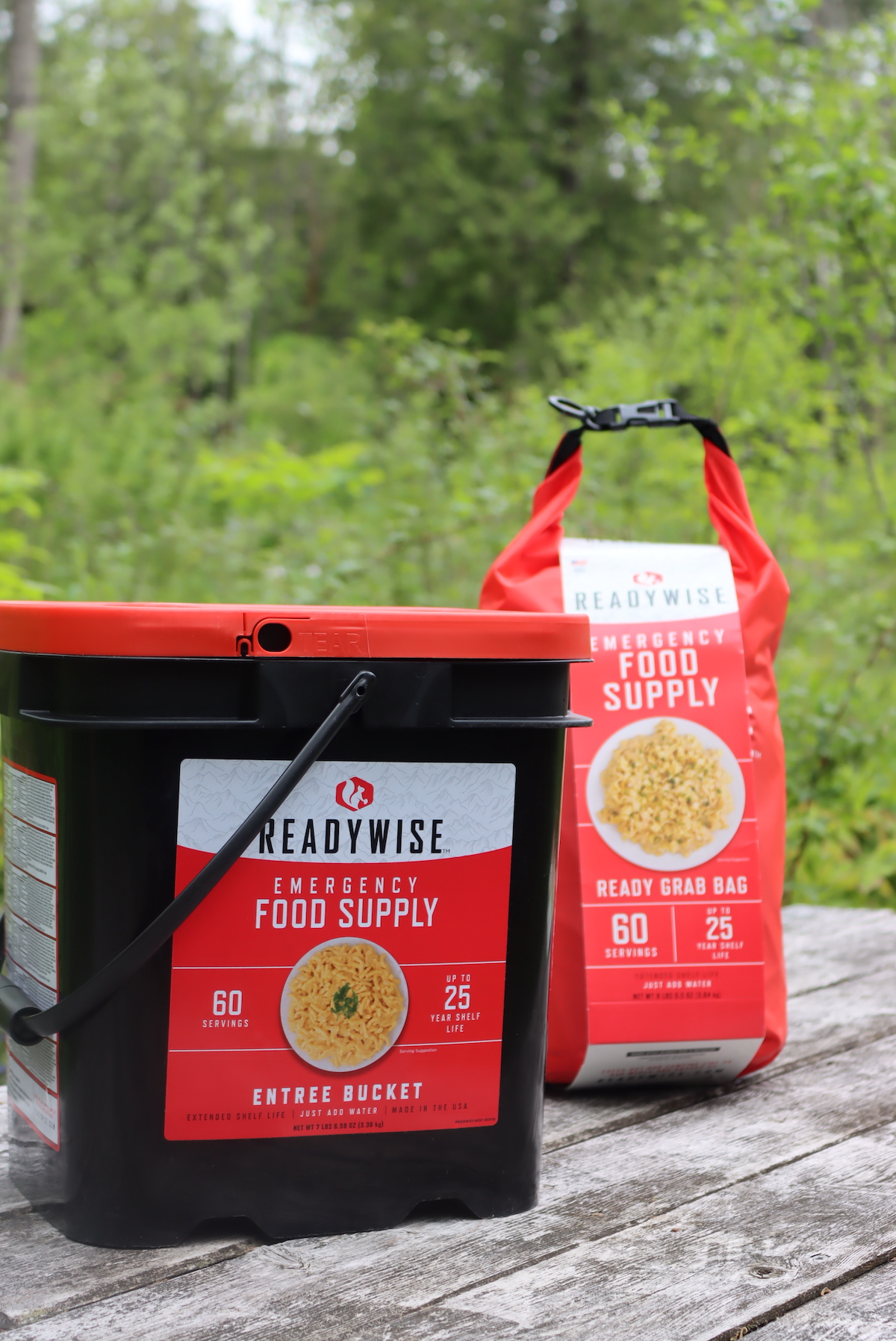
Credit: practicalselfreliance.com
Choosing The Right Foods
Choosing the right foods for your emergency stash can make a huge difference when you face unexpected situations. You want items that last long, provide good nutrition, and are easy to prepare. Think about what you and your family enjoy eating, and what can keep you energized without much hassle.
Long-lasting Staples
Focus on foods with a long shelf life to avoid frequent replacements. Items like dried beans, rice, pasta, and canned vegetables can stay good for years if stored properly.
- White rice lasts up to 30 years if kept dry and sealed.
- Dried beans are packed with protein and fiber, and can last over 10 years.
- Canned goods like tomatoes, corn, and tuna provide variety and convenience.
Have you checked the expiration dates on your current stock? Rotating these staples regularly keeps your supplies fresh and reliable.
Nutrient-dense Options
Your emergency food needs to fuel your body effectively. Choose foods rich in vitamins, minerals, protein, and healthy fats to keep you strong.
- Powdered milk or shelf-stable milk alternatives add calcium and protein.
- Nuts and seeds provide healthy fats and energy.
- Freeze-dried fruits and vegetables retain most nutrients and add flavor.
Don’t overlook small but powerful additions like multivitamin tablets—they can fill nutrient gaps when fresh produce isn’t available.
Easy-to-prepare Meals
Emergencies often mean limited cooking tools or fuel. Select foods that require minimal preparation or no cooking at all.
- Instant oatmeal and ready-to-eat canned soups save time and effort.
- Jerky and protein bars offer quick snacks without any prep.
- Dehydrated meals that only need hot water can be lifesavers.
Ask yourself: how much time and equipment will you realistically have to prepare food? Planning ahead with simple meals can reduce stress when it counts most.
Storage Techniques
Storing emergency food correctly is vital for long-term safety and quality. Proper storage techniques prevent spoilage and keep food fresh. Understanding how to store food helps you avoid waste and ensures preparedness during emergencies.
Proper Containers
Use airtight containers to keep moisture and pests out. Choose containers made of food-grade plastic, glass, or metal. Avoid thin plastic bags that can tear or let air in. Large, sealed buckets or vacuum-sealed bags work well for bulk storage. Label containers with content and date for easy identification.
Optimal Storage Conditions
Store food in a cool, dark, and dry place. Ideal temperature is between 50°F and 70°F (10°C to 21°C). Avoid areas with direct sunlight or high humidity. Basements, pantries, or closets often provide good conditions. Keep food away from chemicals or strong odors that can affect taste.
Rotation And Shelf Life
Practice the “first in, first out” rule to use older food first. Check expiration dates and plan meals to consume food before it expires. Regularly inspect stored food for signs of damage or spoilage. Replace any expired or damaged items promptly to maintain a reliable supply.
Balancing Nutrition
Balancing nutrition in your emergency food supply is essential to keep your energy stable and your body functioning well during stressful times. It’s easy to focus on just calories, but your body needs a mix of nutrients to stay healthy and strong. Think about what your body really needs to keep going—not just to survive, but to feel well.
Proteins And Carbohydrates
Proteins are the building blocks that help repair your body and keep your immune system strong. Include options like canned beans, nuts, and powdered eggs in your emergency stash. Carbohydrates provide quick energy, so pack foods like rice, oats, and whole grain crackers.
Balance these two groups to avoid energy crashes. Too many carbs without enough protein can leave you feeling tired and hungry faster. Have you ever noticed how a snack with nuts and fruit keeps you full longer than just chips?
Vitamins And Minerals
Your body needs vitamins and minerals to fight off illness and maintain organ function. Dried fruits, freeze-dried vegetables, and multivitamin supplements can help fill gaps in your emergency food. Don’t forget essentials like vitamin C and zinc, which support your immune defenses.
Think about the last time you felt run down—was your diet rich enough in nutrients? Balancing vitamins and minerals in your emergency food means you’re better prepared to handle stress and recover quickly.
Hydration Essentials
Water is the most critical part of your emergency food plan. Always have enough clean drinking water stored, and consider water purification tablets or filters for longer emergencies. Dehydration can sneak up on you and weaken your ability to think clearly and stay alert.
Include hydrating foods like canned fruits and soups as part of your supply. Ask yourself: Do I have a reliable way to stay hydrated if regular water sources aren’t available? Planning for hydration is just as important as packing food.
Credit: wisefoodstorage.com
Meal Planning Strategies
Preparing wise emergency food means choosing non-perishable, nutritious items that last long. Focus on easy-to-cook meals with balanced proteins, carbs, and fats for quick energy. Store food in airtight containers to keep it fresh and safe.
Preparing wise emergency food requires thoughtful meal planning strategies. It’s not just about stockpiling food but making sure you have meals that are nutritious, satisfying, and tailored to your needs. Whether you’re preparing for a short-term disruption or a long-term emergency, having a plan in place can make a significant difference in your comfort and well-being.Portion Control
Balancing food portions is crucial in an emergency setting. You want to ensure everyone gets enough to eat without exhausting your supplies too quickly. Consider using a simple table to track portions for each meal:| Meal | Portion Size | Notes |
|---|---|---|
| Breakfast | 1 cup oatmeal | Add nuts or dried fruits |
| Lunch | 2 cups soup | Include vegetables |
| Dinner | 1 cup rice, 1 cup beans | Pair with canned meat |
Variety And Palatability
Eating the same thing every day can lead to food fatigue, even in emergencies. A diverse menu keeps morale high and makes meals more enjoyable. Include a mix of flavors and textures:- Mix canned meats with different spices.
- Alternate between rice, pasta, and grains.
- Incorporate sweet and savory options like peanut butter and jam.
Special Dietary Needs
It’s essential to cater to any special dietary requirements when planning your emergency meals. Whether it’s allergies, intolerances, or lifestyle choices, these needs must be respected. Stock up on gluten-free grains or lactose-free milk alternatives if needed. Consider keeping a list of emergency-friendly recipes that accommodate these needs. For example, a simple chickpea salad can be both filling and suitable for a vegetarian diet. Are you aware of any specific allergies in your household? Address these ahead of time to avoid complications during an emergency. Meal planning for emergencies requires careful consideration and adaptability. By focusing on portion control, variety, and special dietary needs, you can ensure your emergency food supply is both efficient and enjoyable.Preparing For Different Scenarios
Preparing for different emergency scenarios helps ensure safety and food availability. Each situation demands specific food choices and storage methods. Understanding these differences helps create a smart emergency food plan.
Natural Disasters
Natural disasters often disrupt access to fresh food and water. Choose foods that last long without refrigeration. Canned goods, dried fruits, and nuts work well. Keep easy-to-prepare meals on hand. Include manual can openers and water purification tablets. Think about calorie needs and dietary restrictions.
Power Outages
Power outages stop refrigerators and freezers from working. Focus on non-perishable foods that need no cooking. Ready-to-eat meals, peanut butter, and crackers are good choices. Store foods in airtight containers to avoid pests. Have a supply of bottled water nearby. Consider foods that taste good cold or at room temperature.
Extended Isolation
Extended isolation means no trips to the store for days or weeks. Stock up on a variety of foods to prevent boredom. Include grains, canned meats, beans, and powdered milk. Rotate supplies regularly to keep food fresh. Plan for balanced nutrition with proteins, carbs, and fats. Don’t forget comfort foods to boost morale.
Safe Food Handling
Safe food handling is essential during emergencies. It prevents sickness and keeps food fresh longer. Proper care protects your family’s health. Simple habits can reduce risks of contamination and spoilage.
Focus on cleanliness, storing food correctly, and cooking safely. These steps help maintain food quality and safety, even in tough situations.
Sanitation Tips
- Wash hands thoroughly before handling food.
- Clean all surfaces and utensils with hot, soapy water.
- Use separate cutting boards for raw and cooked foods.
- Keep storage containers clean and dry.
- Dispose of expired or damaged food immediately.
Preventing Contamination
- Store raw meat away from ready-to-eat items.
- Seal food tightly in airtight containers or bags.
- Keep food at safe temperatures: cold below 40°F, hot above 140°F.
- Avoid touching food with bare hands; use utensils.
- Check canned goods for dents or leaks before use.
Emergency Cooking Methods
- Use portable stoves or grills outdoors for safety.
- Boil water for at least one minute to kill germs.
- Cook food thoroughly to recommended internal temperatures.
- Use solar ovens or campfires if electricity is unavailable.
- Keep cooked food covered to avoid insects and dust.
Supplementing With Water
Water is just as crucial as food when preparing for emergencies. Without enough clean water, your body’s ability to function declines rapidly, regardless of how much food you have stored. Ensuring you have a reliable supply of safe water can be a lifesaver during unexpected situations.
Storage And Purification
Storing water properly is key to keeping it safe for long-term use. Use food-grade containers and keep them in a cool, dark place to prevent contamination and algae growth.
If you’re unsure about the water’s purity, you can purify it using several methods:
- Boiling for at least one minute kills most pathogens.
- Using water purification tablets offers a lightweight option for emergencies.
- Portable water filters can remove bacteria and protozoa effectively.
Have you tested your purification methods before an emergency? Practicing now helps you avoid surprises later.
Daily Water Requirements
How much water do you actually need each day? The general guideline is about one gallon (3.8 liters) per person daily. This covers drinking, cooking, and basic hygiene.
Keep in mind, your water needs increase with heat, physical activity, or illness. Planning for these variables ensures you won’t run short in crucial moments.
Alternative Hydration Sources
Sometimes, stored water runs out or is not accessible. What alternatives do you have then?
- Collect rainwater using clean containers, but always purify it before drinking.
- Natural sources like streams or lakes can provide water, but require thorough purification.
- Vegetables and fruits such as cucumbers, watermelon, and oranges contain high water content and can supplement your hydration.
Have you identified safe water sources around your home or shelter? Knowing these spots can make all the difference when supplies dwindle.
Credit: readywise.com
Testing Your Emergency Food Kit
Testing your emergency food kit is a crucial step to ensure that your supplies truly meet your needs during an unexpected situation. It’s not just about having food stored; it’s about knowing how it tastes, how it holds up, and how well it fuels you when you rely on it. Taking the time to test your kit can reveal surprises and help you fine-tune your selection before an emergency occurs.
Trial Runs
Start by using your emergency food as you would in an actual emergency. Prepare meals from your kit during a weekend camping trip or a stay-at-home “survival day.” This hands-on approach lets you experience the taste, texture, and preparation time of each item.
Ask yourself: Is this meal satisfying? Can I prepare it with limited tools and water? Does it keep well once opened? These trial runs highlight any issues you might not notice until you’re under pressure.
Adjusting Based On Feedback
After testing, gather feedback from everyone who tried the food—family, friends, or roommates. Their opinions matter because preferences and dietary needs vary. You might discover that some foods cause discomfort or simply aren’t enjoyable.
Use this feedback to swap out items that didn’t work well. Maybe the freeze-dried vegetables were too tough, or a protein source was too bland. Adjusting your kit ensures it’s not just edible but also something you’ll willingly eat when it counts.
Updating Supplies Regularly
Food expires, tastes change, and your dietary needs might evolve. Set a schedule to check and rotate your emergency food every 6 to 12 months. This keeps your kit fresh and reliable.
Keep a checklist to track expiration dates and note any new products you want to try. Regular updates prevent the frustration of opening a kit filled with expired or unwanted items when you need it most.
Frequently Asked Questions
What Are The Best Foods For Emergency Preparation?
Choose non-perishable, nutrient-dense foods like canned beans, rice, dried fruits, and nuts. These last long and provide essential nutrients during emergencies.
How Long Should Emergency Food Supplies Last?
Prepare enough food to last at least 72 hours to two weeks. This duration covers most short-term emergencies and gives time for help to arrive.
How Should Emergency Food Be Stored Properly?
Store food in a cool, dry, and dark place. Use airtight containers to prevent spoilage and keep pests away, ensuring food stays fresh.
Can You Include Fresh Food In Emergency Supplies?
Fresh food is not ideal for long-term storage but can be included for short durations. Use it quickly and rotate regularly to avoid waste.
Conclusion
Preparing wise emergency food takes planning and care. Choose foods that last long and provide good energy. Store items in a cool, dry place to keep them fresh. Rotate your supplies regularly to avoid spoilage. Keep a variety of foods to meet different needs.
Don’t forget water and easy-to-make meals. Stay calm and ready by having your emergency food set. This simple preparation can help protect you and your family. Stay safe and prepared every day.