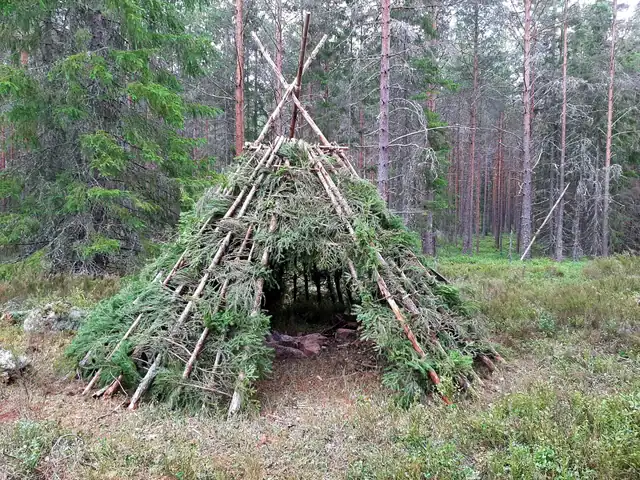
Have you ever wondered why shelter is one of the first things people seek when they are in a new or challenging environment? Imagine being exposed to harsh weather, wild animals, or even just the discomfort of the cold night—without a safe place to protect yourself.
Shelter is not just a roof over your head; it’s your lifeline to safety, warmth, and rest. You will discover exactly why shelter is crucial for your survival and how it impacts your health, security, and overall well-being. Keep reading to learn how having the right shelter can make all the difference when it comes to staying alive and thriving.
Protection From Elements
Protection from the elements is one of the most crucial roles shelter plays in survival. Without proper protection, your body faces constant threats that can quickly lead to severe health issues or even death. Shelter acts as a barrier, keeping harmful weather conditions at bay and helping your body maintain balance in challenging environments.
Shield Against Weather
Imagine being caught in a sudden rainstorm without any cover. Your clothes get soaked, and your body temperature starts dropping rapidly. Shelter provides a solid shield against rain, wind, snow, and intense sunlight, reducing your risk of hypothermia or heatstroke.
Even a simple tarp or natural materials like branches and leaves can offer significant protection. Have you ever noticed how animals instinctively seek shelter during harsh weather? They know survival depends on it, just like you do.
Temperature Regulation
Your body struggles to maintain its core temperature when exposed to extreme heat or cold. Shelter helps trap heat during cold nights and offers shade during blazing days. This regulation is key to preventing conditions like frostbite or heat exhaustion.
Think about a time when you felt comfortable inside a tent during a chilly night versus being exposed outdoors. That warmth, even if subtle, makes a huge difference in your survival chances.
Preventing Exposure Risks
Exposure to elements isn’t just about temperature—it also includes harmful UV rays, insects, and debris. Shelter acts as a protective barrier, reducing your exposure to these risks. It also keeps you away from wet ground, which can cause infections or attract unwanted wildlife.
Have you ever experienced a bug bite or sunburn that made your situation worse? A well-constructed shelter minimizes these dangers and keeps you safer while you focus on other survival tasks.

Credit: trueprepper.com
Safety From Wildlife
Safety from wildlife is a crucial reason why shelter matters in any survival situation. Being exposed can invite unwanted encounters with animals that may pose a threat to your well-being. A well-built shelter acts as a protective barrier, giving you peace of mind and a better chance to rest and recover.
Deterring Predators
Predators are often cautious of unfamiliar structures. Your shelter can serve as a strong deterrent by creating a physical boundary they hesitate to cross. Adding natural barriers like thorny branches or rocks around your shelter can increase this effect.
I once camped near a bear habitat, and setting up a sturdy tent with a perimeter of noise-making items kept curious bears at bay. What simple changes can you make to your shelter to keep predators away?
Avoiding Insect Bites
Insects can carry diseases and cause discomfort that disrupts your rest. A shelter with fine mesh or closed walls helps keep mosquitoes, ticks, and other biting insects out. Using natural repellents inside the shelter adds an extra layer of protection.
Sleeping inside a screened shelter prevented countless mosquito bites during my last outdoor trip. Could your shelter design include insect barriers to improve your comfort and safety?
Reducing Encounter Risks
Wildlife encounters often happen when you are exposed or visible. A shelter hides your scent, body heat, and movement, making it less likely for animals to notice you. Positioning your shelter away from animal trails or water sources further minimizes risks.
Have you considered how your shelter’s location affects your chances of crossing paths with wildlife? Small adjustments can greatly reduce these dangers.
Health Benefits
Having proper shelter is more than just a place to stay—it’s a key factor in protecting your health. Shelter acts as a barrier against harsh weather and environmental dangers that can seriously affect your body’s ability to function. Let’s look closer at how shelter supports your well-being during survival situations.
Preventing Hypothermia
Hypothermia happens when your body loses heat faster than it can produce it, causing your core temperature to drop dangerously low. Shelter keeps you warm by blocking wind, rain, and cold air. Imagine being caught in a storm without any cover—you’d feel your body temperature drop quickly, making it hard to think or move.
Even a simple structure can trap body heat and keep moisture away, which are critical to avoid hypothermia. Do you have a go-to way to stay warm when temperatures fall suddenly?
Reducing Illness Risks
Exposure to the elements can weaken your immune system and increase the chance of catching colds, flu, or infections. Shelter minimizes contact with rain, dust, insects, and other hazards that carry germs. It also helps you stay dry, which is essential because wet clothing and skin invite illnesses.
By creating a clean, dry space, you lower your risk of respiratory problems and skin infections. Have you noticed how quickly you feel sick after being soaked and cold for hours?
Promoting Rest And Recovery
Your body needs rest to heal and maintain strength during tough times. Shelter provides a safe and comfortable place to sleep, helping you recover from fatigue and injuries. Without shelter, stress and discomfort can keep your body in a constant state of alertness, slowing down healing.
Think about the last time you slept well after a hard day—didn’t you feel stronger and more focused the next day? Creating a quiet and protected area can boost your energy and improve your chances of survival.

Credit: 333sf.org
Psychological Support
Shelter does more than protect your body from harsh weather—it also plays a crucial role in supporting your mind. Psychological support from having a secure place can make a huge difference when you’re facing challenging survival situations. The feeling of safety and stability that shelter provides helps you stay focused and calm.
Building A Sense Of Security
Having a shelter gives you a clear boundary between you and the outside world. This boundary helps your brain feel safe, which is essential for clear thinking and decision-making. When you know there’s a place where you can rest and recover, your mind can shift from survival panic to practical problem-solving.
Think about a time when you felt lost or scared. Didn’t finding a familiar or safe place ease your worries? Shelter creates that same kind of comfort during survival, allowing your mind to relax enough to plan your next steps.
Reducing Stress And Anxiety
Stress and anxiety drain your energy and cloud your judgment. Shelter acts as a mental shield, reducing exposure to constant threats like bad weather or wild animals. This reduction in stress helps your body conserve energy and your mind stay clearer.
When you’re sheltered, your brain isn’t constantly in overdrive trying to manage immediate dangers. This downtime is critical to maintaining your mental health and avoiding burnout, which can be deadly in survival situations.
Enhancing Mental Resilience
Survival often tests your mental toughness. Shelter gives you a stable base to regain strength and face challenges with renewed focus. It’s easier to bounce back from setbacks when you have a secure place to rest and recover.
Ask yourself—how do you handle stress when you have a safe space? Shelter fosters resilience by allowing your mind to recharge. This mental resilience can keep you going longer and help you adapt to changing situations.
Resource Conservation
Shelter protects us from harsh weather and dangerous animals. It keeps the body warm and safe, which is vital for survival. Without shelter, staying healthy and alive becomes much harder.
Resource Conservation In survival situations, conserving resources becomes essential for prolonging your ability to withstand adverse conditions. A well-constructed shelter plays a pivotal role in this process. By offering protection from the elements, it helps you maintain energy and safeguard your precious supplies.Saving Energy
An effective shelter reduces your need to constantly seek warmth or cooling. Imagine being in a windy, cold environment without adequate cover. Your body would expend energy just to maintain its core temperature, leaving you exhausted and more vulnerable. With a proper shelter, you conserve this energy, giving you more stamina for other survival tasks.Protecting Supplies
Keeping your supplies dry and secure is crucial. Picture your food and tools exposed to rain or snow. Not only do they become unusable, but they also deplete faster. A reliable shelter keeps these essentials safe, ensuring you have what you need to survive longer periods.Efficient Use Of Materials
When building a shelter, utilizing available materials wisely is key. Whether using branches, leaves, or rocks, thoughtful construction means less waste. This efficiency allows you to create a sturdy structure without depleting the natural resources around you. What strategies have you found effective in conserving resources in survival scenarios? Your insights might just be the tip someone else needs.
Credit: blanchethouse.org
Facilitating Survival Tasks
Shelter plays a key role in making daily survival tasks easier. It creates a protected space for essential activities. These spaces help conserve energy and improve safety. Shelter allows people to focus on critical needs without constant exposure to harsh conditions.
Cooking And Food Storage
A shelter provides a safe spot to cook food. It shields the fire or stove from wind and rain. Cooking inside or near shelter helps keep food warm and clean. It also limits the risk of wildfires spreading.
Food storage becomes safer in a shelter. It keeps animals and insects away from supplies. A cool, dry spot inside shelter prevents food from spoiling quickly. This helps conserve valuable nutrition for longer periods.
Sheltered Resting Area
Rest is vital for survival and recovery. A shelter offers a calm, dry place to sleep. It blocks cold winds and heavy rain that cause discomfort. This rest area supports better health and energy for daily tasks.
Being protected from weather reduces stress and fatigue. It also lowers chances of illness from exposure. A sheltered spot allows people to regain strength faster.
Base For Rescue Operations
A shelter acts as a central point for rescue efforts. It helps survivors stay organized and visible. Rescue teams can find people more easily when they gather at a shelter.
It also stores tools, supplies, and communication devices. This base improves coordination and speeds up help arrival. Shelter keeps everyone safer while waiting for rescue.
Frequently Asked Questions
Why Is Shelter Crucial For Survival In The Wild?
Shelter protects you from harsh weather, insects, and predators. It helps maintain body temperature and prevents hypothermia or heatstroke. A secure shelter also provides a safe resting place, boosting your energy and chances of survival.
How Does Shelter Protect Against Extreme Weather Conditions?
Shelter acts as a barrier against wind, rain, snow, and sun. It reduces exposure to harmful elements that can cause illness or injury. Proper shelter keeps you dry and warm, which is essential for maintaining health and energy.
What Materials Are Best For Building Survival Shelter?
Natural materials like leaves, branches, and bark are excellent for shelter construction. Use what’s available locally to create insulation and protection. Combining materials increases durability and comfort, enhancing your survival chances.
Can Shelter Improve Mental Well-being During Survival Situations?
Yes, shelter provides a sense of security and stability. It reduces stress and anxiety by creating a safe, private space. Feeling safe improves focus and decision-making, which are vital for survival.
Conclusion
Shelter keeps us safe from harsh weather and wild animals. It helps us stay warm, dry, and healthy. Without shelter, survival becomes much harder. People need shelter to rest and protect their bodies. It also gives a sense of security and comfort.
Finding or building shelter should be a top priority in any survival situation. Good shelter increases chances of living longer and staying strong. Safe shelter means a safer life. Simple, sturdy shelter can make a big difference. Shelter is not just a need; it is a lifeline.