A tornado can strike without warning, leaving you with little time to find shelter. What would you do if you were caught outside when one hits?
Knowing how to survive a tornado without shelter could save your life. You’ll learn practical, easy-to-follow steps that can protect you in the most dangerous moments. Don’t wait until it’s too late—read on to discover what actions you must take right now to stay safe.

Credit: www.lonestarsaferooms.com
Recognize Tornado Signs
Recognizing the signs of a tornado is your first line of defense when you have no shelter nearby. Your ability to spot these warnings early can make a difference between safety and danger. Let’s break down how to identify these signs through weather indicators, sound warnings, and visual clues.
Weather Indicators
Sudden changes in the weather often signal a tornado. You might notice a drop in temperature or an unusual shift in wind direction. Dark, greenish skies or thick, low-lying clouds can also warn you that a tornado is near.
Pay attention to the atmosphere around you. If the air feels heavy or the humidity spikes suddenly, it could be a sign to stay alert. Have you ever felt the calm before a storm? That stillness can mean a tornado is about to hit.
Sound Warnings
Listen carefully to the sounds around you. Tornadoes produce a distinctive roar, often compared to a freight train or a continuous rumble. This noise is louder than regular wind and can signal an immediate threat.
Don’t ignore sirens if they’re sounding nearby—they are designed to warn you of a tornado’s approach. Even if you don’t have a siren nearby, trust your ears and be ready to act quickly if you hear that deep, persistent roar.
Visual Clues
Look for unusual movement in the sky. A rotating, funnel-shaped cloud extending from a thunderstorm is a clear sign of a tornado. Debris swirling near the ground, even without a visible funnel, means a tornado could be touching down.
Sometimes, the tornado might be obscured by rain or dust. Watch for sudden swirling dust clouds or debris that don’t fit the natural wind patterns around you. These visual clues are critical—can you spot them before it’s too late?
Immediate Actions When Shelter Is Unavailable
Facing a tornado without a proper shelter is a frightening situation that demands quick and smart decisions. Your immediate actions can make the difference between safety and serious injury. Knowing where to go and what to do right away helps you stay as protected as possible until the tornado passes.
Find Low-lying Areas
Look for natural depressions in the ground like ditches or ravines. These spots offer the best protection from flying debris and strong winds. Crouch down low to reduce your profile and cover yourself with any available materials like a blanket or jacket.
Be cautious, though—avoid areas prone to flooding. Have you ever thought about how water can turn a safe ditch into a dangerous trap during heavy rain?
Avoid Vehicles And Structures
Vehicles and buildings might seem like safe options, but they can be deadly during a tornado. Cars can be tossed around or crushed, and structures without proper reinforcement can collapse. If you’re caught in a vehicle, try to get out and find a low-lying area instead.
Stay away from mobile homes and large signs as well. They often cannot withstand tornado-strength winds and become hazardous. Your safety depends on avoiding these tempting but risky shelters.
Protect Your Head And Neck
Your head and neck are the most vulnerable parts of your body during a tornado. Use your arms, a backpack, or even your coat to shield them. If you have a helmet or hard object nearby, use it immediately.
Think about the last time you experienced strong winds—did you instinctively cover your head? This natural reaction can save you from serious injuries caused by flying debris.
Using Natural Features For Protection
Surviving a tornado without a shelter is challenging but possible. Knowing how to use natural features for protection can save your life. Nature provides several options that can offer some safety. These features, while not perfect, can reduce the risk of injury.
Ditches And Culverts
Ditches and culverts offer low ground protection. They can shield you from flying debris. Lie flat in the ditch, covering your head. This position reduces wind exposure. Ensure the ditch is not prone to flooding. Water can be a hazard during storms.
Dense Vegetation
Dense vegetation can act as a windbreak. Thick bushes or small trees may provide cover. Crouch low and protect your head with your arms. Vegetation can reduce wind speed and block some debris. Ensure the area is stable and not prone to falling branches.
Rock Formations
Rock formations can offer solid protection. Find a crevice or overhang to shelter in. They can block strong winds and flying objects. Stay clear of loose rocks that may fall. Use rocks to shield your body from the wind’s force.
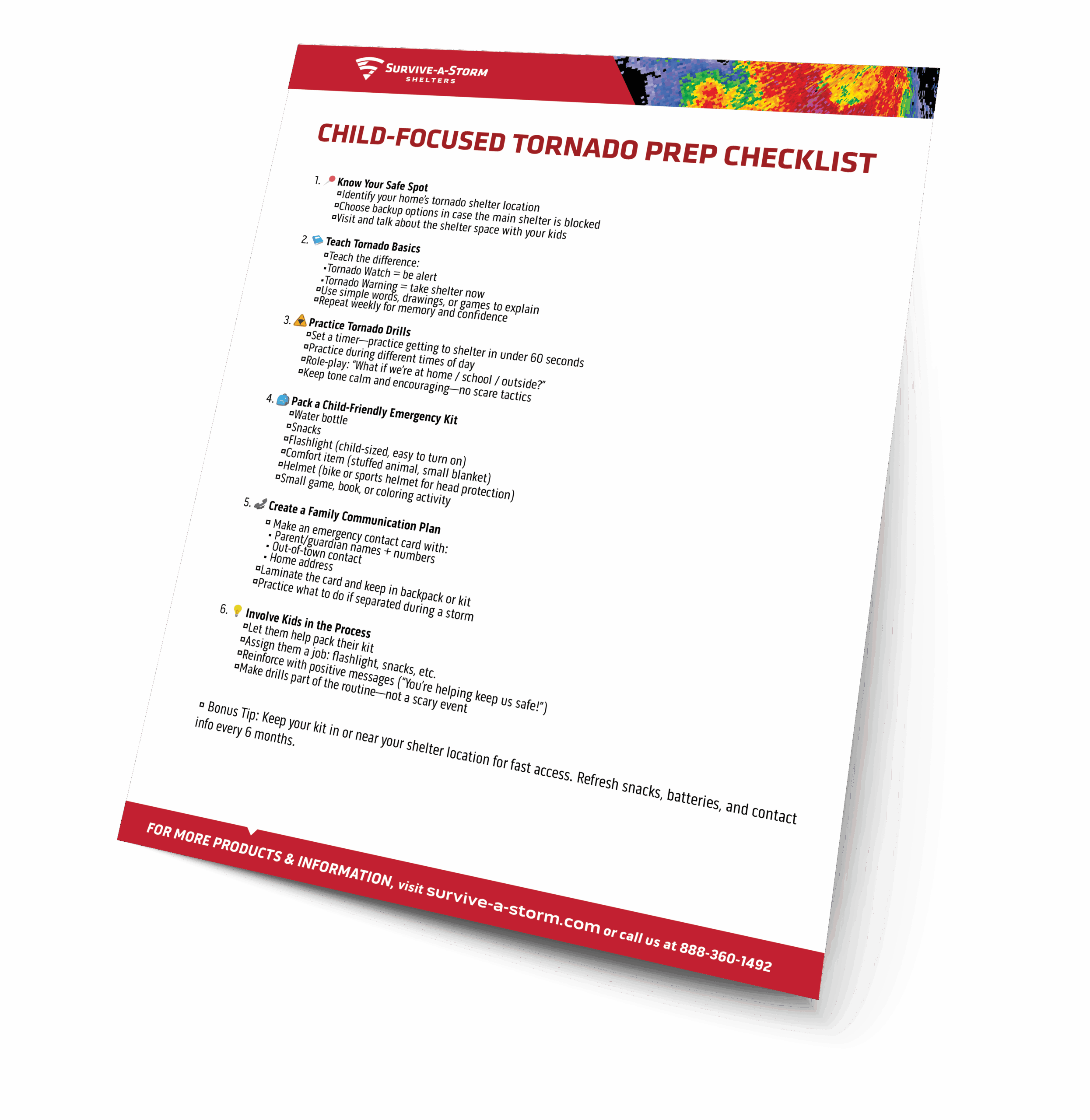
Credit: survive-a-storm.com
Improvised Safety Measures
Finding yourself caught in a tornado without a proper shelter is terrifying, but taking quick, improvised safety measures can increase your chances of survival. Using whatever is at hand to protect yourself from flying debris and strong winds is crucial. Your focus should be on minimizing exposure and shielding vital parts of your body.
Creating Barriers With Objects
Look around immediately for sturdy objects that can act as a barrier between you and flying debris. Items like tables, doors, or even thick wooden planks can absorb impacts and reduce injury.
If you’re outdoors, crouch behind a large tree trunk or a ditch wall to block the wind. Always aim to position yourself so the object is between you and the tornado’s path.
Using Clothing For Shielding
Use your clothing to protect your head and neck, which are the most vulnerable areas during a tornado. Wrap heavy jackets, blankets, or even scarves around your head to cushion against debris.
If you have a backpack or bag, hold it over your head or chest for extra padding. Don’t underestimate the protective power of layering fabric tightly around your body—it can make a real difference.
Staying Low And Covering Vital Areas
Drop to the ground immediately and curl into a ball to minimize your profile against the wind. Protect your head, neck, and chest with your arms to shield vital organs.
Try to keep your face down and cover your eyes to avoid injury from dust and debris. Staying low reduces the chance of being hit by flying objects or lifted by powerful gusts. Have you thought about how you would position your body if you had only seconds to react?
Post-tornado Safety Tips
After a tornado passes, dangers remain. Knowing how to stay safe helps you protect yourself and others. Follow these important tips to avoid harm and get help fast.
Avoiding Debris And Downed Power Lines
Stay clear of broken branches, glass, and other sharp objects. These can cause injuries and infections. Watch your step carefully to avoid cuts or falls. Keep away from fallen power lines. They may still carry electricity and cause serious shocks. Do not touch or move any wires. Report downed lines to emergency services as soon as possible.
Seeking Medical Help
Check yourself and others for injuries immediately. Treat small cuts and bruises with clean water and bandages. Call for emergency help if someone is seriously hurt or unconscious. Avoid moving injured people unless absolutely necessary. Help may arrive faster if you stay calm and provide clear information about the injuries.
Staying Informed
Use a battery-powered radio or phone to get updates. Follow local news for warnings about further storms or emergencies. Avoid using phones unless necessary to keep lines open for emergencies. Check on neighbors and share information safely. Staying informed helps you make better decisions in uncertain situations.

Credit: weather.com
Preparing For Future Tornadoes
Preparing for future tornadoes means taking simple steps today. These steps help protect you and your loved ones during dangerous storms. Planning ahead lowers risks and boosts confidence in tough moments.
Emergency Kits
Emergency kits hold vital items for survival during a tornado. Keep your kit in a sturdy, easy-to-carry bag. Include:
- Bottled water for at least three days
- Non-perishable food items
- Flashlight with extra batteries
- First aid supplies
- Whistle to signal for help
- Portable phone charger
- Copies of important documents
Check your kit regularly. Replace expired items to stay ready all year.
Communication Plans
Communication plans keep families connected during emergencies. Decide on a meeting place outside the tornado area. Share contact numbers of trusted friends or relatives. Use text messages to save phone battery and avoid busy lines. Agree on a way to update each other’s status after the storm. Practice your plan often so everyone remembers it.
Safe Location Identification
Knowing safe locations helps you act fast during a tornado. Identify basements, storm cellars, or interior rooms without windows in your home. Learn the safest spots at work and school too. Outdoors, find low-lying areas like ditches or ravines for shelter. Avoid cars, mobile homes, and open fields. Mark these locations on a map for quick reference.
Frequently Asked Questions
What Is The Safest Position During A Tornado Without Shelter?
Crouch low to the ground covering your head with your hands. Stay away from windows and doors. Find a low-lying area like a ditch to protect yourself from flying debris.
How Can I Protect Myself From Flying Debris Outdoors?
Use anything sturdy like a backpack or blanket to shield your head. Stay away from trees and vehicles that can be blown over. Cover your body as much as possible to minimize injury.
Where Should I Avoid During A Tornado Without Shelter?
Avoid open fields, hilltops, and cars. These areas expose you to strong winds and flying debris. Seek low ground and shield yourself with natural barriers like ditches or thick bushes.
How Can I Stay Calm And Alert During A Tornado?
Focus on your breathing and stay aware of your surroundings. Listen for emergency alerts and watch the sky for changes. Staying calm helps you think clearly and act quickly.
Conclusion
Tornadoes are dangerous and can happen fast. Staying calm helps you think clearly. Find a low spot and cover your head. Avoid windows and flying debris at all times. Use heavy clothing or blankets for protection. Keep listening for updates on your phone or radio.
Being prepared can save your life. Practice these steps regularly to stay safe. Remember, quick action matters most during a tornado. Stay alert and stay alive.