
Have you ever wondered how long germs can hang out on your clothes? You might be surprised to learn that some bacteria and viruses can survive for hours or even days on fabric.
Knowing this can help you protect yourself and your loved ones from getting sick. You’ll discover exactly how long germs live on different types of clothes and what simple steps you can take to keep your wardrobe clean and safe.
Keep reading—you won’t want to miss these easy tips that could make a big difference in your health.
Credit: www.caldwellandgregory.com
Factors Affecting Germ Survival
Germs do not survive the same length of time on all clothes. Several factors change how long germs stay alive on fabric. These factors affect how easily germs spread and how to clean clothes properly.
Understanding these factors helps reduce the risk of infection from contaminated clothes. Small changes in the environment or fabric type can make a big difference.
Type Of Fabric
Different fabrics hold germs differently. Natural fibers like cotton absorb moisture and trap germs. Synthetic fabrics like polyester are less absorbent, so germs may survive less time. Rough fabrics can protect germs by hiding them in small crevices. Smooth fabrics expose germs more to air, which can reduce their survival.
Temperature And Humidity
Warm temperatures usually kill germs faster than cold ones. Germs survive longer in cool, damp places. High humidity helps germs stay alive by keeping them moist. Dry air causes germs to dry out and die sooner. Changes in temperature and moisture levels affect germ survival on clothes.
Presence Of Moisture
Moisture is a key factor for germ survival. Wet clothes provide a perfect environment for germs to live longer. Dry clothes make it hard for germs to survive because they dry out. Sweat, rain, or spilled liquids increase moisture and can extend germ survival. Keeping clothes dry reduces the chance of germs staying alive.
Common Germs Found On Clothing
Clothes are more than just fabric; they can be carriers of various germs that stick around longer than you might expect. Understanding which germs commonly live on your clothing helps you take better care of your hygiene and health. Let’s take a closer look at the types of germs you might be wearing every day.
Bacteria And Viruses
Bacteria such as Staphylococcus aureusand Escherichia colican cling to your clothes after contact with skin, sweat, or contaminated surfaces. These bacteria can survive on fabric for hours to days, depending on moisture and temperature.
Viruses like the flu virus and common cold viruses also find clothing a comfortable temporary home. Some viruses can stay infectious on fabric for up to 24 hours, which means your clothes could spread germs if not washed regularly.
Have you ever noticed a lingering smell on workout clothes? That’s often bacteria multiplying on damp fabric, showing how easy it is for germs to thrive without proper care.
Fungi And Molds
Fungi, including types of mold and yeast, can grow on your clothes when they remain damp for extended periods. This is especially common with towels, socks, and workout gear.
Fungal spores can survive on fabric for days or even weeks, leading to skin irritations or infections like athlete’s foot. These germs prefer warm, moist environments, so leaving clothes wet in a laundry basket can make the problem worse.
Do you let your clothes dry completely before putting them away? Skipping this step might invite unwanted fungal growth that’s harder to get rid of later.
Duration Of Germ Survival
Understanding how long germs survive on your clothes can help you make better choices about laundry and hygiene. The duration varies widely depending on the type of germ and the fabric. Knowing which germs fade quickly and which linger can change how you handle everyday clothing.
Short-lived Germs
Some germs don’t last long on fabric surfaces. Many respiratory viruses, like the common cold, survive only a few hours on clothes. This means if you accidentally sneeze on your shirt, the risk of infection drops significantly after a day.
Bacteria such as Staphylococcus aureus also tend to die off within a day or two on dry clothing. However, if the fabric stays damp or dirty, these germs may stick around longer. Think about sweaty gym clothes—that moisture can extend germ survival and increase your risk.
Long-lasting Germs
Not all germs are so quick to disappear. Some bacteria and viruses can survive on clothing for days or even weeks. For example, MRSA (Methicillin-resistant Staphylococcus aureus) can remain viable on fabric surfaces for up to a month.
Fungi, including those causing athlete’s foot, also thrive on damp clothes and can linger for extended periods. This is why washing your workout gear regularly and drying it thoroughly is crucial. Are you leaving your clothes in a pile long enough to let these stubborn germs multiply?
Credit: www.consumerreports.org
Impact Of Washing And Drying
Washing and drying clothes play a major role in reducing germs. Germs can survive on fabric for hours or even days. Proper cleaning helps remove and kill many of these germs. Understanding how washing and drying affect germs is important for keeping clothes safe.
Effectiveness Of Detergents
Detergents contain ingredients that break down dirt and germs. They help lift germs from fabric fibers. Some detergents have added disinfectants. These can kill bacteria and viruses better than regular soap. Using enough detergent is key. Too little may not clean well. Using the right detergent helps reduce germs effectively.
Role Of Water Temperature
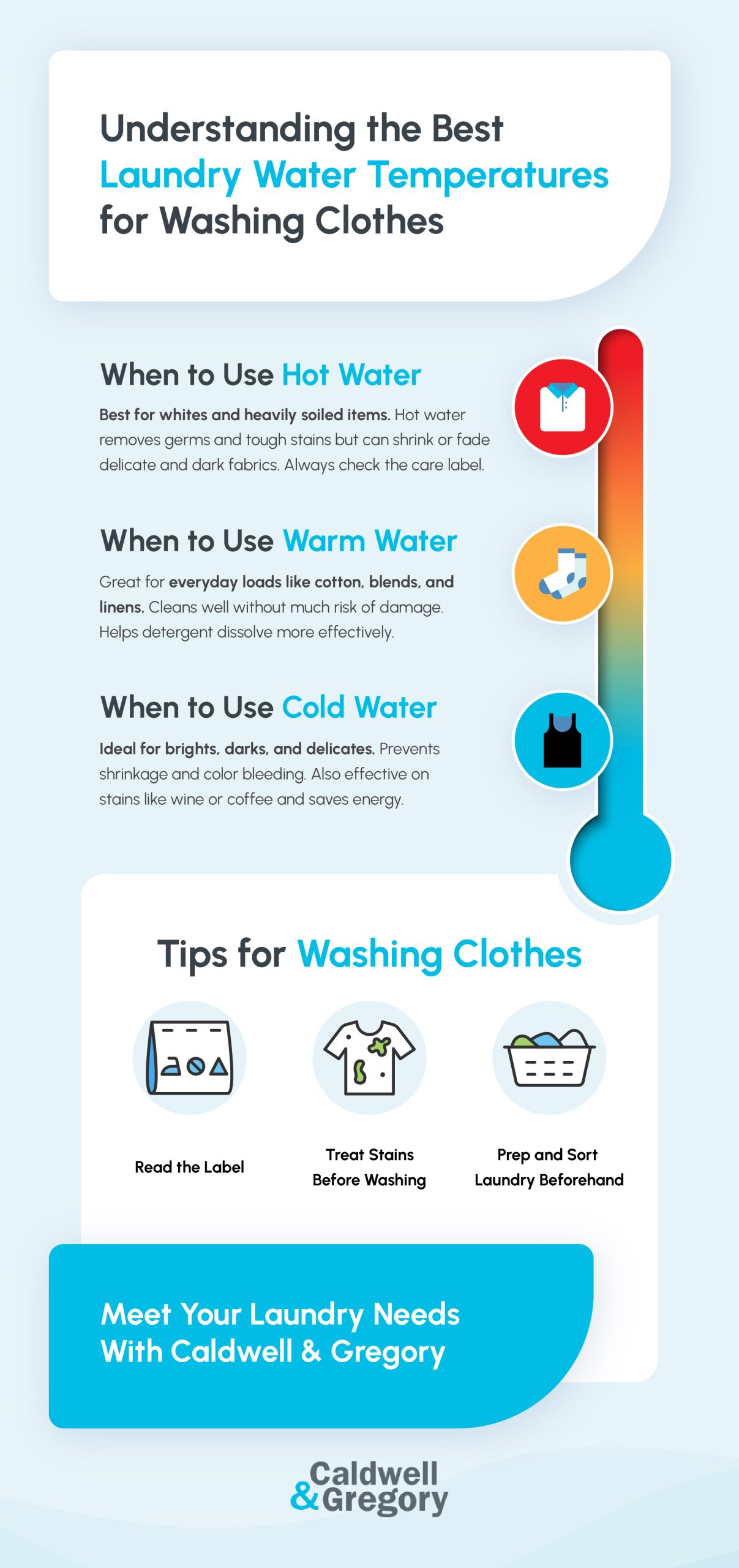
Water temperature impacts how well germs are removed. Hot water kills more germs than cold water. Washing clothes in water above 60°C (140°F) can reduce many bacteria and viruses. Cold water is less effective but saves energy. Use hot water for items like towels and bedding. This helps keep clothes more hygienic.
Preventing Germ Spread Through Clothing
Clothing can carry germs longer than you might expect, making it easy for bacteria and viruses to spread without you noticing. Taking steps to prevent germs from sticking around on your clothes helps protect you and those around you. Simple habits in handling, washing, and storing clothes play a big role in reducing the chances of germ transmission.
Proper Laundry Practices
Washing clothes at the right temperature can kill most germs. Hot water above 140°F (60°C) is effective, especially for towels and bed linens.
Use a good quality detergent and avoid overloading the washing machine. Overcrowding stops clothes from getting fully clean.
If you’re worried about stubborn germs, adding a disinfectant or bleach (if fabric-safe) can boost cleaning power. Have you noticed how fresh clothes feel after a proper wash? That freshness often means fewer germs.
Safe Storage Techniques
Storing clean clothes separately from dirty laundry prevents cross-contamination. Keep your laundry baskets and hampers in well-ventilated areas to reduce moisture buildup that encourages germ growth.
Fold and put away clothes promptly after drying. Leaving clothes in the washer or dryer too long can cause dampness, allowing bacteria to multiply.
Consider using breathable fabric bags for seasonal or infrequently worn clothing. These allow air circulation and reduce the chance of germs lingering unnoticed.

Credit: www.army.mil
Myths About Germs On Clothes
There’s a lot of talk about germs lurking on your clothes, but not everything you hear is true. Some ideas about germs surviving on fabric are more myth than fact. Understanding the truth can help you take smarter steps to stay healthy without unnecessary worry.
Common Misconceptions
Many people think germs can live on clothes for days or even weeks, leading to constant fear of contamination. You might have heard that wearing the same outfit twice in a row is unsafe or that germs easily transfer from your clothes to your skin. Some even believe that regular washing doesn’t fully remove these invisible threats.
These ideas can make you over-clean your wardrobe or avoid wearing certain fabrics altogether. But is it really necessary to wash clothes after every single use? What about the risk of picking up germs from public places?
Scientific Evidence
Research shows that germs do survive on clothes, but typically for a much shorter time than you might expect. Most bacteria and viruses lose their ability to infect after a few hours to a couple of days, depending on the type of germ and the fabric.
For example, flu viruses tend to survive on soft surfaces like clothing for less than 24 hours. Meanwhile, some hardy bacteria might last a bit longer but often need specific conditions like moisture and warmth to thrive.
Washing clothes with detergent and warm water effectively removes most germs. Adding a dryer cycle further reduces any remaining microbes by exposing them to heat. So, while germs can be on your clothes, they usually don’t hang around long enough to pose a serious risk.
Frequently Asked Questions
How Long Do Germs Live On Clothes?
Germs can survive on clothes from a few hours up to several days. The duration depends on the germ type, fabric, and environment. Moisture and warmth increase survival time, while dryness and sunlight reduce it. Regular washing helps remove and kill most germs effectively.
Can Washing Clothes Kill All Germs?
Washing clothes with detergent and warm water usually kills most germs. Adding bleach or disinfectants enhances germ removal. However, some viruses and bacteria can survive if washing is too cold or brief. Proper drying, especially in sunlight, further reduces germ presence on fabrics.
Do Germs Transfer From Clothes To Skin?
Yes, germs on clothes can transfer to skin through direct contact. This can cause infections, especially if skin is broken or sensitive. Good hygiene, frequent washing of clothes, and avoiding touching your face reduce the risk of germ transmission from clothing.
Which Fabrics Harbor Germs Longest?
Synthetic fabrics like polyester and nylon often harbor germs longer than natural fibers. Natural fibers like cotton dry faster, reducing germ survival. However, all fabrics can hold germs, especially when damp or dirty. Regular cleaning is essential to minimize germ buildup on any fabric type.
Conclusion
Germs can live on clothes for hours or even days. This depends on the type of germ and fabric. Washing clothes regularly helps remove these germs effectively. Drying clothes in sunlight can also reduce germs quickly. Always handle dirty clothes carefully to avoid spreading germs.
Staying clean keeps you and others safer. Simple actions make a big difference in stopping germs on clothes. Remember, clean clothes mean a healthier home and body.


