
Have you ever wondered how long nits can survive on your clothing? If you’re dealing with lice, knowing this can help you stop them from spreading and protect your family.
These tiny pests can be surprisingly tough, clinging to fabrics and causing frustration. You’ll discover exactly how long nits live outside the scalp and what you can do to make sure they don’t stick around. Keep reading to learn simple steps that can save you time and stress.

Credit: globalnews.ca
Nits And Their Lifecycle
Understanding nits and their lifecycle is key to managing head lice effectively. Knowing how long these tiny eggs can survive, especially on clothing, helps you take the right steps to prevent re-infestation. Let’s break down what nits are and how their life cycle plays a role in their survival outside the scalp.
What Are Nits?
Nits are the eggs laid by head lice. They look like tiny white or yellowish specks stuck firmly to hair strands. Unlike dandruff, nits won’t easily brush off—they are glued close to the scalp to stay warm and protected.
Many people mistake nits for dirt or hair flakes, but nits are actually living eggs. This means they need specific conditions to hatch and grow, which is why understanding where they can survive is crucial for effective treatment.
Lifecycle Of Head Lice
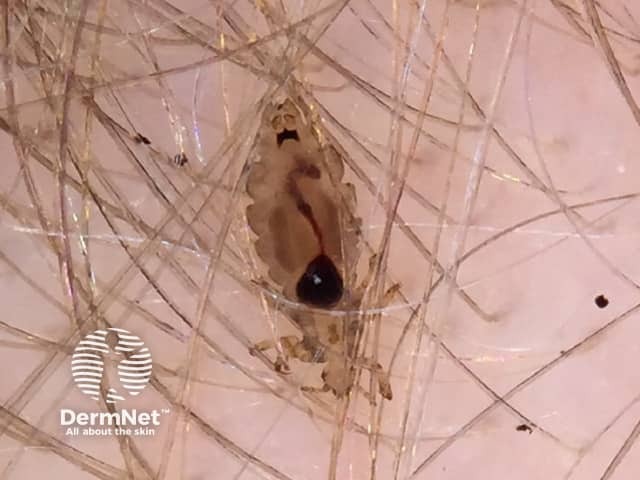
The lifecycle of head lice includes three main stages: egg (nit), nymph, and adult. Nits hatch in about 7 to 10 days after being laid. Once hatched, the young lice, called nymphs, mature into adults in roughly 7 days.
Adult lice live for around 30 days on a human host but cannot survive long without feeding on blood. This is why lice and nits found on clothing or bedding usually die within 1 to 2 days. Have you ever wondered why lice treatments focus so heavily on cleaning personal items? This lifecycle explains it well.
Nits On Clothing
Nits are tiny eggs laid by head lice. These eggs often stick to hair strands. But they can also end up on clothing. Understanding how nits get on clothes helps control their spread. It also helps in preventing re-infestation. The survival of nits on fabrics depends on several factors. This section explains how nits land on clothes and what affects their survival.
How Nits End Up On Clothing
Nits usually stay attached to hair close to the scalp. Sometimes, they fall off or get brushed onto clothes. This happens during close contact with infested people. Sharing hats, scarves, or coats spreads nits to fabrics. Lice can lay eggs on clothing fibers too. This happens when clothes touch the scalp or hair directly.
Children are more likely to transfer nits to clothing. They often share personal items and play closely. Nits on collars, hats, or hairbands are common. These can move to other clothes and surfaces easily.
Conditions Affecting Survival
Nits need warmth and moisture to survive. Clothing away from the body gets cold and dry quickly. This reduces their chances of survival. Most nits die within 1-2 days on clothes. Extreme heat or cold kills them faster.
Humidity plays a role too. Higher humidity may help nits survive longer on fabric. Dry air causes them to dry out and die sooner. Sunlight exposure also harms nits on clothing. UV rays can kill eggs and lice within hours.
Washing clothes in hot water kills nits effectively. Drying at high heat finishes the job. Regular cleaning of clothes and bedding prevents lice spread. Keeping clothes separate and not sharing items helps too.
Lifespan Of Nits On Fabric
Nits, the eggs of head lice, can cling to clothing fibers, raising concerns about how long they remain viable outside the scalp. Understanding the lifespan of nits on fabric is crucial if you want to prevent reinfestation or protect your family. Let’s break down what affects their survival and what science tells us.
Factors Influencing Nits’ Lifespan
The survival of nits on fabric depends on several key factors. Temperature plays a major role—warmer conditions tend to reduce their lifespan, while cooler, humid environments help them survive longer.
Moisture is another critical element. Dry clothes make it harder for nits to stay alive, as they need some humidity to develop. On the other hand, freshly worn clothing with some scalp oils can provide a more hospitable environment.
Fabric type also matters. Rough or tightly woven textiles can trap nits better than smooth materials, potentially extending their lifespan. Have you ever noticed how some clothes seem to hold onto particles more than others?
Scientific Studies And Findings
Research shows that nits rarely survive more than 7 days off the human scalp. One study found that at room temperature, viable nits on fabric usually hatch within 7 to 10 days or die before hatching.
Another finding highlighted that nits lose viability faster on dry, clean clothes compared to worn items. This suggests that washing and drying clothes thoroughly can significantly reduce the risk of lingering nits.
These studies confirm that while nits can survive briefly on clothing, their chances of causing reinfestation diminish quickly if proper hygiene is maintained. Does this change how you think about handling clothes after a lice outbreak?
Preventing Nits Infestation
Preventing a nits infestation starts with understanding how to handle clothing and personal items. Nits can survive for a short time on fabrics, so careful cleaning and storage reduce risks. Keeping clothes free from nits helps stop their spread in homes and schools.
Effective Laundry Practices
Wash clothes in hot water to kill nits and lice. Temperatures above 130°F (54°C) work best. Use regular detergent and dry clothes on high heat for at least 20 minutes. This heat ensures all nits and lice are removed from fabric.
For items that cannot be washed, seal them in plastic bags for two weeks. This time is enough to starve any lice or nits on the fabric. Avoid shaking clothes after exposure to prevent spreading nits.
Storage Tips For Clothing
Store clean clothes in sealed containers or bags. This prevents contact with lice from other sources. Avoid piling clothes together to reduce hiding spots for nits. Keep storage areas dry and well-ventilated.
Regularly check stored clothes for any signs of nits or lice. Early detection helps prevent infestations. Encourage family members to keep personal items separate to limit the spread.
Debunking Myths About Nits
Nits, the eggs of head lice, cause many questions and worries. People often hear many things about how long nits survive on clothing. Some of these ideas are not true. Understanding the facts helps stop the spread of lice and avoids unnecessary stress.
Common Misconceptions
- Nits can live for weeks on clothes without a host.
- Wearing clothes with nits always leads to lice infestation.
- Freezing clothes kills all nits immediately.
- Vacuuming furniture removes all nits and lice.
Many believe nits stay alive on clothes for a long time. This is not accurate. Nits need the warmth and blood from a scalp to survive. Without a host, they die quickly. Clothes are not a safe place for nits to live.
Facts Versus Fiction
| Myth | Fact |
|---|---|
| Nits can hatch on clothes. | Nits need scalp warmth to hatch; clothes are too cold. |
| Clothes are the main source of lice spread. | Direct head-to-head contact is the main way lice spread. |
| Freezing clothes kills nits instantly. | Freezing slows down nits but may not kill all. |
| Vacuuming furniture prevents lice infestation. | Vacuuming helps but does not guarantee complete removal. |
Understanding true facts helps in treating lice properly. Focus on direct contact and proper hair treatment. Washing clothes in hot water kills nits effectively. Avoid panic about nits on clothing, as they rarely survive long there.

Credit: www.medicalnewstoday.com
Innovative Solutions And Treatments
Innovative solutions and treatments offer fresh ways to tackle nits on clothing. These approaches aim to stop nits from surviving and spreading effectively. Both modern tools and natural remedies play key roles in keeping clothes nit-free.
Modern Tools And Techniques
Technology has introduced new tools for dealing with nits on clothes. Heat treatment is one popular technique. High temperatures kill nits quickly without harming fabric. Specialized dryers and steamers target nits hiding in clothing fibers.
Vacuum devices designed for fabric surfaces remove nits and lice. These tools reach deep into seams and folds where nits hide. Washing clothes in hot water above 130°F also destroys nits efficiently. Combining heat and thorough cleaning offers strong protection.
Natural And Chemical Treatments
Natural oils like tea tree and neem show promise against nits. These oils disrupt nit survival and reduce their numbers on fabrics. Applying diluted essential oils to clothing may help prevent infestations.
Some chemical sprays are formulated to kill nits on clothes. These products must be used carefully to avoid fabric damage or skin irritation. Always follow label instructions closely for safety.
Regular cleaning combined with natural or chemical treatments improves results. This approach helps stop nits from spreading through clothing and other textiles.
Credit: www.rch.org.au
Frequently Asked Questions
How Long Do Nits Live On Clothing?
Nits can survive on clothing for up to 48 hours. They need human scalp warmth to live longer. Without a host, they die quickly.
Can Nits Hatch Off The Scalp?
Nits rarely hatch off the scalp. They require warmth and moisture from hair to develop. Off the scalp, their survival is limited.
How To Remove Nits From Clothes Effectively?
Wash clothes in hot water above 130°F (54°C). Dry on high heat to kill nits and lice. Avoid sharing clothing to prevent spread.
Do Nits Survive On Bedding And Towels?
Nits survive briefly on bedding and towels, usually less than two days. Regular washing and drying in hot settings eliminate them effectively.
Conclusion
Nits cannot live long on clothes without a host. They usually die within one or two days. Washing clothes in hot water helps remove and kill them quickly. Drying clothes on high heat also prevents nits from surviving. Regular cleaning reduces the risk of spreading lice.
Keep clothes and bedding clean to stay safe. Remember, nits need hair to live and grow. Taking simple steps stops their spread effectively. Stay vigilant and protect your family from lice.


