
Have you ever wondered if yeast can live on your clothes? You might be surprised to learn how long these tiny organisms can survive outside your body.
Understanding this can help you keep your clothes clean and protect yourself from potential skin issues. Keep reading to discover the truth about yeast on clothing and what you can do to stay safe and fresh.
Credit: www.thebump.com
Yeast Basics
Understanding yeast is key to knowing how long it can survive on clothing. Yeast is a type of fungus that thrives in warm, moist environments. It’s microscopic, but its impact can be surprisingly persistent, especially when it comes to fabrics you wear every day.
Not all yeast behaves the same way. Some types are harmless or even beneficial, like the ones used in baking or brewing. Others can cause infections or unpleasant odors, especially if they linger on your clothes.
What Is Yeast?
Yeast is a single-celled organism that reproduces quickly through budding. It feeds on sugars and starches, breaking them down to produce energy. This process can leave behind residues that cling to fabric fibers.
Think about the last time you spilled something sugary on your shirt. Yeast can use that sugar as food, helping it survive longer on your clothing. This makes it more than just a kitchen ingredient—it’s a potential fabric invader.
Where Does Yeast Come From?
Yeast is everywhere around us—on our skin, in the air, and on surfaces. Your own body is a natural carrier, especially in warm, moist areas like underarms. When you sweat, yeast can transfer to your clothes and start growing.
Have you noticed how some clothes develop a musty smell after just one wear? That’s often yeast activity. It thrives when clothes don’t dry quickly or get washed properly.
How Yeast Survives On Fabrics
Yeast needs moisture, warmth, and nutrients to survive. Clothing that’s damp or has traces of body oils and sweat provides the perfect environment. Once established, yeast can survive for days or even weeks if conditions remain favorable.
But drying your clothes thoroughly and washing them with the right detergent can reduce yeast survival drastically. Have you ever left a damp towel in a hamper and noticed an unpleasant smell days later? That’s yeast at work.
Survival Conditions
Yeast survival on clothing depends on several key conditions. These conditions affect how long yeast can live and grow outside its natural environment. Understanding these factors helps control yeast presence on fabrics.
Temperature Impact
Yeast thrives at warm temperatures, around 25-30°C (77-86°F). At higher temperatures, yeast cells start to die quickly. Cold temperatures slow yeast growth but do not kill them immediately. Freezing can preserve yeast but does not eliminate it. Extreme heat, above 60°C (140°F), usually kills yeast on contact.
Moisture And Humidity
Yeast needs moisture to survive and multiply. Wet or damp clothing offers ideal conditions for yeast growth. Dry fabrics cause yeast cells to become dormant and die off slowly. High humidity levels help yeast stay alive longer. Low humidity speeds up yeast dehydration and death.
Material Influence
Natural fibers like cotton hold moisture longer, helping yeast survive. Synthetic fabrics dry faster, reducing yeast survival time. Rough textures may trap yeast cells more easily. Smooth materials tend to shed yeast particles quicker. Fabric type plays a big role in how long yeast remains alive.
Yeast’s Lifespan On Fabrics
Yeast can survive on clothing for various lengths of time. The lifespan depends on the type of fabric and its condition. Understanding how yeast behaves on fabrics helps in managing cleanliness and hygiene. Some fabrics provide a better environment for yeast to live longer. Others, due to their structure or treatment, reduce yeast survival.
Natural Fibers Vs Synthetic
Natural fibers like cotton and wool hold moisture well. Moist environments help yeast survive longer. Yeast can live several days on these fabrics if damp. Synthetic fibers such as polyester and nylon do not absorb water easily. These dry surfaces make yeast survival harder. Yeast tends to die faster on synthetic materials. The fabric’s breathability also affects yeast lifespan.
Impact Of Fabric Treatment
Fabric treatments influence yeast survival greatly. Antimicrobial treatments kill or slow down yeast growth. Some fabrics are coated to resist moisture and germs. These treatments reduce yeast lifespan on clothing. Untreated fabrics allow yeast to stay alive longer. Frequent washing also removes yeast from fabrics.
Credit: planbwellness.com
Factors Affecting Yeast Viability
Yeast survival on clothing depends on several important factors. These factors influence how long yeast cells can remain active and potentially cause issues. Understanding these elements helps in managing cleanliness and preventing unwanted yeast growth on fabrics.
Environmental Factors
Temperature plays a big role in yeast survival. Yeast thrives in warm, moist conditions but dies quickly in extreme heat or cold. Humidity also affects yeast viability; damp environments help yeast live longer. Light exposure impacts yeast too. Direct sunlight can reduce yeast survival by drying out and killing the cells. Fabric type matters as well. Natural fibers like cotton can hold moisture longer, supporting yeast growth. Synthetic fabrics often dry faster, limiting yeast survival time.
Washing And Cleaning Methods
Proper washing can remove or kill yeast on clothing effectively. Hot water kills yeast more reliably than cold water. Detergents break down the yeast cell walls, helping to remove them from fabric. Using bleach or other disinfectants increases the chance of killing yeast. Drying clothes thoroughly is essential. Yeast cannot survive long on dry fabrics. Air drying in sunlight or using a hot dryer reduces yeast presence significantly.
Health Implications
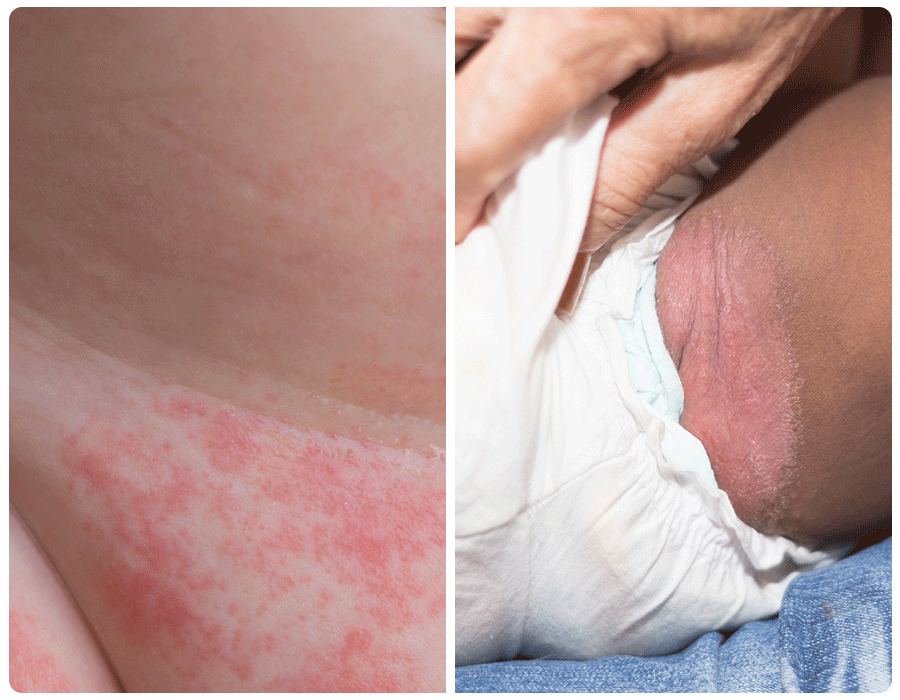
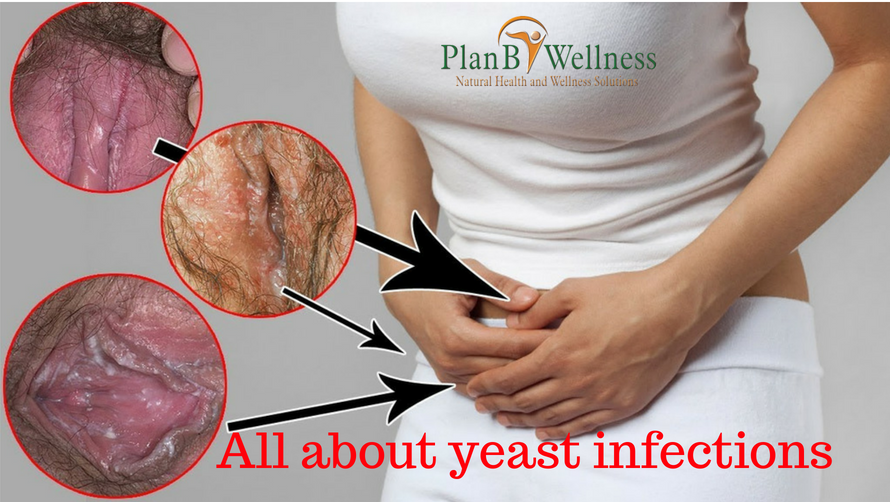
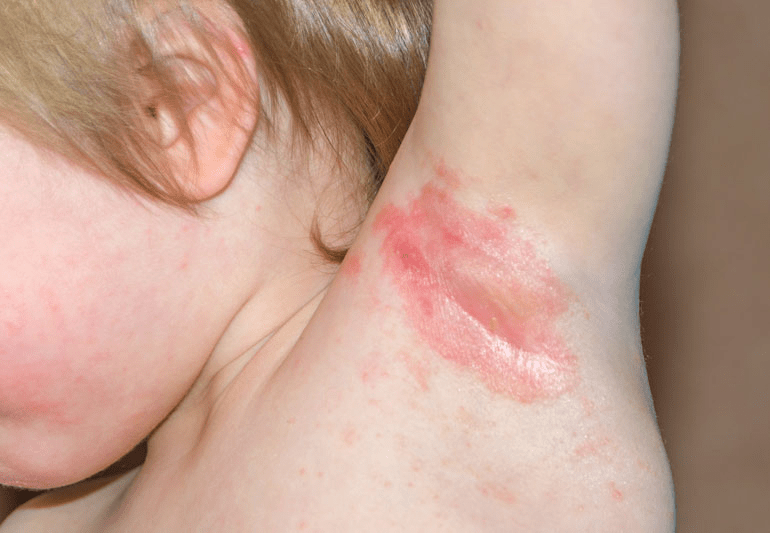
Yeast on clothing can affect health, especially for sensitive individuals. It may cause skin irritation or infections if the yeast stays alive on fabric. Understanding these health risks helps in managing exposure and keeping safe.
Potential Risks
- Skin rashes or redness from yeast contact
- Worsening of fungal infections like athlete’s foot
- Allergic reactions in people with yeast sensitivity
- Spreading yeast to other parts of the body
- Increased risk for those with weak immune systems
Precautionary Measures
- Wash clothes thoroughly in hot water
- Use antifungal detergents or additives
- Dry clothes completely to prevent yeast growth
- Avoid sharing clothing or towels
- Store clothes in a dry, clean place
Credit: health.clevelandclinic.org
Research And Studies
Research and studies provide valuable insights into how long yeast can survive on clothing. Scientists have explored this topic to understand yeast’s durability and potential health risks. This section presents key findings from scientific research and expert opinions on yeast survival on fabrics.
Scientific Findings
Studies show yeast can live on clothing from a few hours to several days. Survival depends on factors like fabric type, moisture, and temperature. Yeast thrives better on damp, warm fabrics.
Research highlights:
- Yeast cells survive longer on synthetic fibers than on cotton.
- Dry conditions reduce yeast survival significantly.
- High temperatures and sunlight kill yeast faster.
- Yeast can multiply if the fabric remains moist.
These findings help understand how yeast behaves outside the body. It also guides cleaning practices to reduce yeast presence on clothes.
Expert Opinions
Health professionals emphasize keeping clothes dry and clean to limit yeast survival. Experts suggest washing clothes in hot water kills most yeast. They also recommend using antifungal detergents for better results.
Doctors warn that yeast on clothing can cause skin infections if not managed. They advise against sharing clothes to prevent yeast spread. Experts agree that proper hygiene is key to controlling yeast on fabrics.
Preventive Measures
Taking preventive measures helps reduce the chance of yeast surviving on clothing. Proper care and hygiene keep fabrics safe and fresh. It also stops yeast from spreading to other items or surfaces.
Effective Cleaning Techniques
Wash clothes in hot water to kill yeast cells. Use detergent with antifungal properties for better results. Avoid using fabric softeners, as they may protect yeast. Dry clothes thoroughly under sunlight or in a hot dryer. Sunlight helps eliminate moisture and yeast spores. Clean washing machines regularly to prevent yeast buildup inside. Consider using vinegar or baking soda in the rinse cycle for extra cleaning power.
Proper Storage Solutions
Store clothes in dry, well-ventilated areas. Avoid damp or humid places where yeast thrives. Use breathable garment bags or cotton storage bins. Do not keep damp clothes in closets or drawers. Separate clean clothes from used or dirty items. Change storage location if you notice musty smells or moisture. Regularly check stored clothes for signs of yeast or mold growth.
Frequently Asked Questions
How Long Can Yeast Live On Fabric Surfaces?
Yeast can survive on clothing for several hours to a few days. Survival depends on moisture, temperature, and fabric type. Dry and cool conditions reduce yeast lifespan. Warm and damp fabrics allow longer survival. Proper washing eliminates most yeast from clothes effectively.
Does Yeast On Clothes Cause Infections?
Yes, yeast on clothing can contribute to skin infections. Wearing damp, unwashed clothes promotes yeast growth on skin. This can cause irritation, itching, or fungal infections. Maintaining hygiene and regular washing reduces this risk significantly.
How To Kill Yeast On Clothing Effectively?
Use hot water and antifungal laundry detergents to kill yeast. Washing clothes at 60°C (140°F) or higher is recommended. Adding vinegar or baking soda can enhance yeast elimination. Always dry clothes thoroughly to prevent yeast regrowth.
Can Yeast Survive On Dry Versus Wet Clothes?
Yeast survives longer on wet clothes than dry ones. Moisture supports yeast growth and reproduction. Dry clothes reduce yeast survival to just a few hours. Keeping clothes dry helps control yeast contamination effectively.
Conclusion
Yeast can live on clothing for a few hours to several days. Factors like moisture and temperature affect its survival time. Keeping clothes dry helps reduce yeast growth. Washing clothes regularly removes yeast and keeps you safe. Drying clothes completely is important to stop yeast from spreading.
Understanding how yeast lives on fabric helps maintain good hygiene. Simple care steps keep your clothes clean and fresh. Stay mindful of yeast to protect your health every day.


