
Have you ever wondered how long the coronavirus can survive on your clothes? Knowing this can help you protect yourself and your loved ones better.
When you touch fabric, you might not realize if the virus is still there and how risky it could be. This article will clear up those questions for you. By the end, you’ll understand exactly what to do with your clothes to stay safe and confident every day.
Keep reading to find out the facts that could make a real difference in your health routine.
Credit: www.goodrx.com
Virus Lifespan On Fabrics
Understanding how long the coronavirus survives on cloth is important for managing your daily routines and laundry habits. The virus doesn’t live forever on fabrics, but its lifespan can vary depending on the type of material and environmental conditions. Knowing these details helps you reduce risks without overthinking every piece of clothing.
Survival Time Of Coronavirus On Different Fabrics
Studies show that the virus can survive on cloth surfaces from a few hours up to two days. Natural fibers like cotton tend to absorb moisture, which can shorten the virus’s lifespan. Synthetic fabrics such as polyester may allow the virus to live a bit longer because they don’t absorb moisture as well.
- Cotton:Virus survives up to 24 hours.
- Polyester:Virus may survive up to 48 hours.
- Blended fabrics:Survival time varies between cotton and polyester ranges.
Factors That Affect Virus Lifespan On Fabrics
Temperature and humidity play a major role. Warmer temperatures and higher humidity tend to reduce the virus’s survival time on cloth. Sunlight exposure, especially ultraviolet rays, also helps break down the virus quickly.
Have you noticed your clothes drying faster in the sun? That drying process isn’t just about comfort; it’s also about reducing viral presence. So, drying clothes in sunlight might be a simple way to add an extra layer of safety.
Practical Tips To Minimize Risk From Fabrics
- Wash clothes regularly using warm water and detergent.
- Dry fabrics completely, ideally in sunlight.
- Avoid touching your face before washing hands after handling potentially exposed clothes.
You might wonder if the virus can transfer from your clothes to your hands easily. While the risk is lower than from hard surfaces, it’s still good practice to handle laundry carefully, especially if you’ve been in crowded places.
Credit: www.mass.gov
Factors Affecting Survival
The survival of the coronavirus on cloth isn’t the same everywhere. Several factors change how long the virus can stay active and infectious on fabric. Knowing what affects its survival helps you decide how to handle your clothes safely and reduce risks.
Material Type
Different fabrics hold the virus for different lengths of time. Smooth, synthetic materials like polyester tend to let the virus survive longer than rough, natural ones like cotton. This is because the virus gets absorbed and trapped differently depending on the fabric’s texture and weave.
Think about your workout clothes versus a cotton t-shirt. The virus might linger longer on your synthetic gym wear. So, washing those items more frequently or at higher temperatures can make a real difference.
Temperature And Humidity
Temperature plays a big role in virus survival on cloth. Higher temperatures usually reduce the virus’s lifespan quickly. Cold, damp environments can let the virus stay active for longer periods.
Ask yourself: Is your laundry area warm and dry, or cool and moist? If it’s the latter, the virus might survive longer on your fabrics. This means drying your clothes completely before storing them is a smart move to lower risk.
Exposure To Sunlight
Sunlight can be a powerful disinfectant. UV rays from the sun damage the virus’s structure and reduce its ability to infect. Hanging clothes outside in direct sunlight can speed up virus breakdown.
If you dry your clothes indoors, you might want to consider using a UV light sanitizer or drying them outside when possible. Have you noticed your clothes smelling fresher and cleaner after sun drying? That freshness could also mean fewer germs lingering.
Scientific Studies And Findings
Scientific studies help us understand how long the coronavirus can live on cloth surfaces. These findings guide safety measures and cleaning practices. Researchers use lab tests to see how the virus behaves on different fabrics.
Results vary depending on fabric type, temperature, and humidity. Most studies show the virus does not survive very long on cloth compared to hard surfaces.
Virus Survival Time On Different Cloth Types
Studies show the virus stays longer on synthetic fabrics than natural ones. For example, polyester holds the virus longer than cotton. The virus can survive from a few hours up to two days on cloth.
Impact Of Temperature And Humidity
Higher temperatures reduce the virus survival time on fabrics. Humid conditions also shorten how long the virus stays active. Cooler, dry environments help the virus last longer on cloth.
Effectiveness Of Washing In Removing The Virus
Scientific tests confirm regular washing with detergent removes the virus from cloth. Hot water and soap break down the virus quickly. Washing clothes after exposure is a key safety step.
Comparing Cloth To Other Surfaces
- Hard surfaces like plastic and metal allow longer virus survival.
- Cloth usually shows shorter virus lifespan.
- Porous nature of fabric traps and deactivates the virus faster.

Credit: famurgentcare.com
Protective Measures For Clothing
Protecting your clothing from coronavirus contamination requires more than just regular washing. Understanding how to properly clean and disinfect fabric can reduce the risk of virus survival on cloth surfaces. Let’s look at effective measures you can take to keep your clothes safe and virus-free.
Washing Techniques
Use hot water when washing clothes, ideally above 60°C (140°F), as heat helps kill viruses on fabric. If your washing machine has a sanitizing cycle, use it to boost the cleaning power. Adding detergent is essential because it breaks down the virus’s lipid membrane, making it inactive.
Have you noticed how your clothes feel fresher after a hot wash? That freshness isn’t just about smell—it’s about eliminating harmful particles. Avoid overloading the machine so water and detergent can reach every part of your clothes effectively.
Use Of Disinfectants
Some fabrics tolerate disinfectants like diluted bleach or alcohol-based sprays. Before applying, check the care label to avoid damage. You can mix 4 teaspoons of bleach with 1 quart of water to create a disinfecting solution for color-safe whites.
Spraying or soaking clothes with these solutions can kill lingering viruses, but don’t soak delicate fabrics too long to prevent weakening fibers. Have you tried disinfecting your masks or gym clothes this way? It’s a practical step for items you wear close to your face or sweat in.
Proper Drying Methods
Drying clothes thoroughly is crucial. The virus does not survive well in heat and dry conditions. Use a dryer on a high heat setting whenever possible, as it further reduces viral presence.
If you prefer air drying, pick sunny, well-ventilated spots. UV rays from sunlight can help inactivate the virus. Have you ever noticed how clothes dried outside smell cleaner? That’s partly due to sunlight’s disinfecting effect.
Common Myths And Misconceptions
There’s a lot of confusion around how long the coronavirus can survive on cloth surfaces. Myths and misconceptions spread quickly, leading to unnecessary fear or careless habits. It’s important to separate fact from fiction so you can take practical steps to protect yourself and others.
Does Coronavirus Live For Days On Clothes?
Many believe the virus can survive on fabric for days, but research shows it generally lasts for a few hours under normal conditions. The virus struggles to stay active on porous surfaces like cloth compared to smooth ones like plastic or metal. So, your everyday clothes are less likely to be a major source of infection than you might think.
Can Washing Clothes With Cold Water Kill The Virus?
Some think cold water is enough to kill coronavirus on fabric, but that’s not true. Hot water or disinfectant detergents are more effective at removing and inactivating the virus. If you only use cold water without detergent, you might not fully clean your clothes.
Is It Safe To Reuse Clothes Without Washing After Exposure?
There’s a misconception that you must wash clothes immediately after any exposure to be safe. The virus’s survival time on cloth is limited, so if you can’t wash them right away, airing them out in sunlight or a dry, ventilated space reduces risk. You don’t always need to panic and wash clothes after brief exposure.
Does Fabric Type Affect Virus Survival?
Some think synthetic fabrics hold the virus longer than natural ones, but evidence is mixed. The key factor is moisture and temperature, not just the type of fabric. This means focusing on cleaning habits is more important than the fabric itself.
Can Using Hand Sanitizer On Clothes Kill Coronavirus?
Applying hand sanitizer directly on clothes won’t reliably kill the virus. Sanitizers are designed for skin and may not penetrate fabric fibers effectively. Washing with detergent remains the best method for cleaning contaminated clothing.
Recommendations For Public Safety
Protecting yourself and others from coronavirus contamination on cloth requires clear and practical actions. Knowing how long the virus can survive on fabric helps you decide the best ways to clean and handle your clothes and masks. These recommendations focus on simple steps you can take every day to keep your environment safer.
Proper Washing Techniques For Cloth Items
Wash your clothes regularly with detergent and hot water, ideally above 60°C (140°F). This temperature helps to kill the virus effectively.
If you’re worried about delicate fabrics, adding bleach or disinfectant designed for clothes can increase safety. Avoid letting dirty clothes pile up; wash them soon after use to reduce risk.
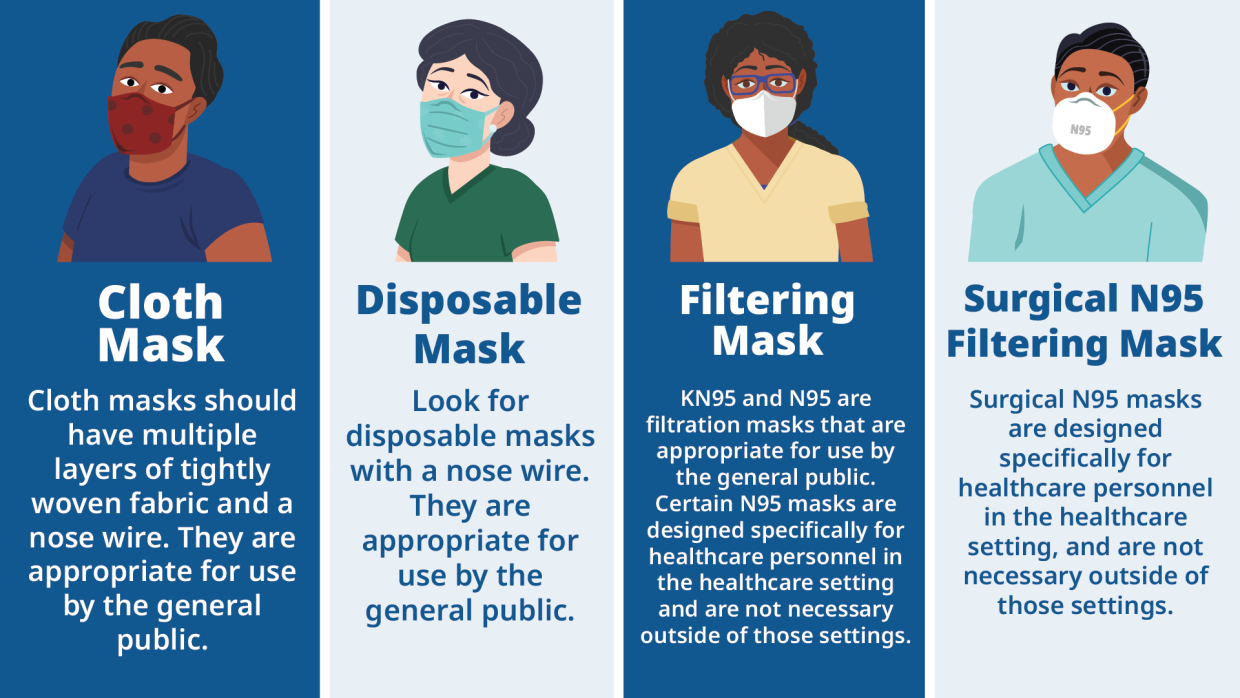
Handling And Storing Cloth Masks Safely
When you take off your cloth mask, avoid touching the front part. Handle it only by the ear loops or ties to prevent spreading germs.
Store used masks in a clean, breathable bag until you can wash them. This keeps the virus from spreading to other surfaces or people.
Disinfecting Cloth Surfaces In Public Spaces
If you come into contact with cloth surfaces like seats, bags, or upholstery, consider using disinfectant sprays suitable for fabric.
Keep disinfectant wipes handy for quick cleaning, especially when traveling or using public transport. Regularly clean your personal cloth items after outings.
Practical Tips To Avoid Cross-contamination
- Wash your hands before and after touching cloth items, especially masks and outerwear.
- Use separate laundry bags for potentially contaminated clothes to keep them apart.
- Change and wash your clothes promptly after returning home from public places.
Have you noticed how often you touch your mask or shirt during the day? Being mindful of this can reduce accidental contamination significantly.
Frequently Asked Questions
How Long Does Coronavirus Survive On Cloth Surfaces?
Coronavirus can survive on cloth for 1 to 2 days, depending on fabric type and environmental conditions. Virus longevity decreases with heat and sunlight exposure.
Does Washing Cloth Remove Coronavirus Effectively?
Yes, washing cloth with detergent and hot water kills coronavirus efficiently. Regular cleaning reduces infection risk from contaminated fabric surfaces.
Can Coronavirus Spread Through Contaminated Clothing?
Transmission through clothing is possible but less common. The virus mainly spreads via respiratory droplets and close contact.
How Does Fabric Type Affect Coronavirus Survival?
Natural fabrics like cotton tend to retain the virus for shorter periods than synthetic materials. Porous surfaces generally reduce virus viability faster.
Conclusion
Corona virus can stay on cloth for a few hours to days. The exact time depends on fabric type and environment. Washing clothes regularly helps remove the virus safely. Drying in sunlight or using heat also kills it faster. Always handle clothes with clean hands to avoid spread.
Understanding this helps keep you and others safe. Stay cautious and keep good hygiene habits. Small actions make a big difference in stopping the virus. Keep your surroundings clean and stay healthy every day.


