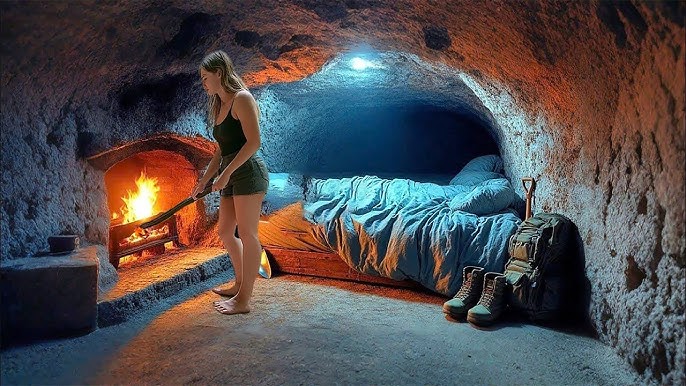
Imagine finding yourself alone in the dark, without a single piece of clothing to protect you. How would you stay warm, safe, and comfortable through the night?
This might sound scary, but knowing how to survive in the night without clothes can make all the difference in an emergency. You’ll discover simple, practical tips that anyone can use to protect their body and mind when the temperature drops and the world goes quiet.
Keep reading—you might never know when this knowledge could save your life.

Credit: www.youtube.com
Understanding Body Heat
Surviving a night without clothes challenges your body’s ability to keep warm. Understanding how your body generates and retains heat can make the difference between discomfort and safety. Your body is not just a passive vessel; it actively works to maintain its core temperature even in tough conditions.
The Role Of Metabolism
Your metabolism is like a built-in furnace. It burns calories to produce heat, keeping your core temperature stable. When you’re cold, your metabolism speeds up to generate more warmth.
Have you ever noticed how you start to shiver when you feel cold? That’s your body triggering muscle activity to boost heat production. Even small movements help increase your metabolic rate.
Eating before the night can fuel your metabolism, giving your body energy to produce heat. Without food, your metabolism slows down, making it harder to stay warm. Think about how your body feels after a long fast versus after a meal—there’s a clear difference in your energy and warmth.
Insulation Through Body Hair
Body hair acts like a natural insulation layer. It traps a thin layer of air close to your skin, slowing down heat loss. While it’s not as effective as clothing, it still provides some warmth.
Not everyone has the same amount of body hair, and this can affect how well you retain heat. If your hair is thick, it can create a better barrier against cold air. Thin or sparse hair offers less protection, so you’ll need to rely more on other survival strategies.
Have you ever noticed how animals fluff up their fur in cold weather? Your body hair works similarly, standing up slightly to trap more air and add insulation. You can try to mimic this by curling up tightly to reduce exposed surface area and keep the trapped warm air close.
Finding Shelter
Finding shelter is crucial for surviving the night without clothes. Your body needs protection from cold, wind, and insects. A good shelter can help keep you safe and warm. Choosing the right spot and using natural barriers can make all the difference.
Choosing The Right Location
Pick a spot away from strong winds and water. Avoid low areas where cold air settles or water collects. Look for flat ground that is dry and firm. Stay near natural resources like wood or leaves. Close to a water source is good, but not too close to avoid bugs or flooding. A sunny place during the day can help warm you up before night.
Natural Barriers For Protection
Use trees, rocks, or bushes to block wind and rain. Dense bushes can hide you from animals and keep warmth inside. Large rocks absorb heat during the day and release it at night. Fallen logs or thick branches make good walls or roofs. Arrange leaves, grass, or moss inside for insulation. These barriers create a small, warm space to shield your body.
Utilizing Natural Insulation
Surviving the night without clothes means you must rely on what nature offers to keep warm. Using natural insulation is a smart way to protect your body from cold ground and chilly air. It’s about creating a barrier that traps heat and keeps the cold out.
Using Leaves And Grass
Leaves and grass are among the easiest natural materials to find and use. They act as excellent insulators because they trap air, which keeps warmth close to your body.
Gather dry leaves and grass, avoiding anything wet or damp as it will only make you colder. Pile them thickly under you to create a cushion that stops cold ground from pulling heat away.
Have you ever noticed how animals sleep on thick leaf beds? You can do the same to stay warm and comfortable.
Creating A Sleeping Nest
Building a sleeping nest is more than just piling leaves and grass. Arrange them in a circular or oval shape to form walls around you, which blocks wind and traps warmth.
Add layers gradually, mixing different materials if possible, like pine needles for extra insulation. Make sure the nest is deep enough to cover your whole body when you lie down.
Try lying down inside your nest and feel the difference. Does it hold your body heat better than the bare ground? Adjust the thickness until it feels snug and warm.
Harnessing Body Heat
Surviving through the night without clothes demands smart use of your body’s natural heat. Your body constantly produces warmth, but without barriers like clothing, it escapes quickly. Learning to harness and conserve this heat is crucial for staying alive and comfortable.
Curling Up For Warmth
Curling into a tight ball helps trap your body heat. By reducing the surface area exposed to cold air, you slow down heat loss. Imagine how animals curl up to stay warm—your body uses the same principle.
You can also tuck your limbs close to your torso to protect vital organs. This position minimizes heat escape from your hands and feet, which tend to cool down faster. Have you ever noticed how cold your fingers get when stretched out? Keeping them close can make a big difference.
Sharing Body Heat
If you are not alone, sharing body heat is one of the most effective ways to survive cold nights without clothes. Pressing close to another person transfers warmth directly and reduces exposure to the cold environment.
This technique works well when you lie side by side or face to face, allowing maximum skin contact. Even if you don’t have blankets, body heat can create a microclimate warm enough to keep both of you alive.
Think about how animals huddle in groups during freezing nights. Can you apply this simple strategy to your situation? It’s a natural, no-cost way to save heat and energy.
Building A Fire
Building a fire is your best ally for survival during a cold night without clothes. It provides essential warmth, keeps predators away, and gives you a psychological boost. But starting a fire without the usual tools can be challenging; knowing how to gather the right materials and use effective techniques can make all the difference.
Gathering Materials
First, focus on finding dry tinder, kindling, and fuel wood. Tinder catches fire easily—think dry leaves, grass, pine needles, or bark shavings. Look under dense bushes or tree branches for the driest options.
Kindling consists of small sticks, usually as thick as a pencil, that help the fire grow. Collect a handful of these and arrange them carefully. For fuel, gather larger pieces of wood—sticks and logs thicker than your wrist—to keep the fire burning longer.
Pay attention to your surroundings. Dead wood on the ground is usually dry. If everything seems damp, try scraping bark off a dead tree to expose dry inner wood. Have you noticed how some trees shed bark easily? That’s your hidden tinder waiting to be used.
Fire Starting Techniques
Without matches or a lighter, friction-based methods are your go-to options. The bow drill and hand drill are classic techniques that rely on rubbing wood together to create heat. Practice patience—this can take time and effort.
Another option is using a spark from stones like flint and steel or striking quartz against iron-rich rocks. If you have no tools, try the “fire plough” method, where you rub a stick along a groove in a wooden base to generate embers.
Once you see smoke or a small ember, gently blow on it to grow the flame. Then, carefully add more tinder and kindling to build a steady fire. Have you ever tried to start a fire with just natural materials? It’s a test of both skill and perseverance, but the warmth you gain is worth every moment.
Credit: switchupcb.medium.com
Hydration And Nutrition
Staying hydrated and nourished is crucial when surviving a night without clothes. Your body loses water and energy faster without protection. Drinking clean water and eating the right foods help keep strength and focus. Understanding where to find water and safe plants can save your life.
Finding Water Sources
Water is the most vital resource. Look for signs of water like green plants or animal tracks. Collect rainwater or dew in leaves or containers. Streams and rivers are good sources but always try to purify water before drinking.
- Collect dew early in the morning using cloth or leaves.
- Follow animals or birds; they often lead to water.
- Use sunlight to boil or filter water if possible.
Edible Plants For Energy
Plants provide energy and nutrients. Learn to identify safe, edible plants. Avoid those with milky sap or bitter taste. Look for roots, berries, and leaves known to be safe. Eat small amounts first to check for reactions.
- Wild berries like blackberries or blueberries are good choices.
- Roots such as cattail or wild carrots offer calories.
- Leaves from plants like dandelion or chickweed provide vitamins.
Mental Resilience
Surviving the night without clothes pushes you into a raw, vulnerable state. Your body faces physical challenges, but your mind often becomes the deciding factor between distress and endurance. Mental resilience is your secret weapon; it keeps you alert, calm, and ready to tackle whatever the night throws your way.
Staying Calm And Focused
In extreme situations, panic can drain your energy and cloud your judgment. You need to slow your breathing and clear your mind. Try to focus on one small task at a time—like finding shelter or gathering dry leaves—instead of the overwhelming whole.
When I was caught outdoors with nothing but the night around me, staying calm helped me notice subtle sounds and movements. Those details became clues for safety and warmth. Can you imagine how much clearer your mind becomes when you stop fighting your fear?
Positive Visualization Techniques
Visualizing a positive outcome can boost your confidence and reduce stress. Picture yourself building a protective space or warming up by a fire you’ve just made. This mental rehearsal primes your brain to believe in success, which can increase your chances of survival.
Try to create a vivid mental picture with all your senses—see the flames, feel the heat, hear the crackle. This technique helped me stay motivated during cold nights. What positive scene can you imagine that would keep your spirits high right now?

Credit: www.youtube.com
Frequently Asked Questions
How Can You Stay Warm At Night Without Clothes?
Use natural insulation like leaves or grass to trap heat. Seek shelter from wind and rain. Keep moving to maintain body warmth.
What Are Safe Ways To Build Warmth Without Clothing?
Build a small fire using dry wood and kindling. Stay close but avoid smoke inhalation. Use rocks heated by fire to warm your body.
How Does Body Heat Regulation Work Without Clothing?
Your body loses heat mainly through skin exposure. Minimizing skin contact with cold surfaces reduces heat loss. Staying dry and sheltered helps maintain core temperature.
Can Breathing Techniques Help Survive Cold Nights Unclothed?
Yes, slow deep breaths reduce heat loss through respiration. Controlled breathing conserves energy and helps manage body temperature effectively.
Conclusion
Surviving the night without clothes is tough but possible. Stay warm by finding shelter and using natural materials. Keep moving to maintain body heat. Avoid wet areas and strong winds. Stay calm and think clearly. Your body can adapt if you protect it well.
Nature offers many ways to help you survive. Trust your instincts and stay alert. Survival depends on your choices and actions. Remember, preparation and awareness increase your chances. Stay safe and respect your surroundings.


