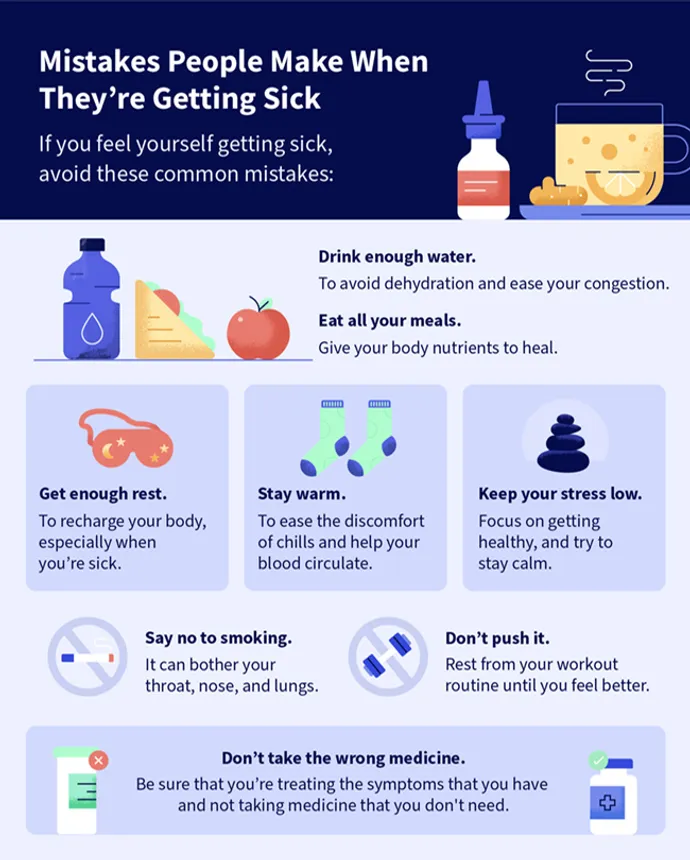
Have you ever wondered how long the coronavirus can live on your clothes? Knowing this can help you protect yourself and your loved ones better.
You might be touching your jacket, pants, or even your favorite shirt without thinking twice. But what if the virus is still there, waiting to catch you off guard? You’ll discover simple facts about how long the virus survives on different fabrics and easy steps you can take to keep your clothes—and yourself—safe.
Keep reading to learn what really matters when it comes to your everyday clothing and the coronavirus.

Credit: resources.hygienehub.info
Virus Survival On Different Fabrics
Understanding how long the coronavirus survives on different fabrics is key to keeping your clothes safe and minimizing risk. The virus does not behave the same way on every material. Some fabrics can harbor it longer, while others allow it to fade quickly.
Cotton And Natural Fibers
Cotton and other natural fibers like wool and linen tend to absorb moisture, which can actually reduce the virus’s lifespan. Studies show the coronavirus can survive on these materials for a few hours to a day, but it generally becomes inactive faster compared to synthetic fabrics.
If you’ve ever worn a cotton shirt that feels damp, you might have noticed it dries quickly. This quick drying limits the virus’s chance to stay alive. Washing these fabrics with regular detergent is effective in removing the virus completely.
Synthetic Materials
Synthetic fabrics such as polyester and nylon tend to hold onto moisture on the surface, creating a more hospitable environment for the virus. Research indicates the coronavirus can survive on these materials for up to two to three days.
Think about your workout clothes or jackets made from polyester. These can potentially carry the virus longer if not cleaned properly. Regular washing at the highest safe temperature for the fabric is essential to eliminate the virus.
Mixed Fabrics
Mixed fabrics, which combine natural and synthetic fibers, present a middle ground for virus survival. The duration the virus remains active varies depending on the proportion of each fiber type.
If you own clothes made from blends like cotton-polyester, it’s best to treat them as you would synthetics. Frequent laundering and avoiding prolonged wearing without washing can help keep you safe.

Credit: resources.hygienehub.info
Factors Influencing Virus Longevity
Understanding what affects how long the coronavirus survives on clothes helps you make smarter choices about handling and washing your garments. The virus does not live the same amount of time on all fabrics or in all environments. Several key factors change its lifespan dramatically.
Temperature And Humidity
Higher temperatures generally reduce the virus’s survival time on clothes. Heat can break down the virus’s outer layer, making it inactive faster.
Humidity plays a tricky role. Low humidity can help the virus stay infectious longer, while high humidity tends to shorten its life. Think about a dry, cool day versus a warm, humid one—your clothes might hold the virus differently.
Exposure To Sunlight
Sunlight, especially UV rays, is a natural virus killer. If your clothes sit in direct sunlight, the virus tends to die quicker.
Indoor clothes or those in shaded areas can keep the virus alive longer. So, airing your clothes outside when possible can be a simple yet effective safety step.
Contact With Other Contaminated Surfaces
Clothes can pick up the virus again if they touch other contaminated surfaces. For example, putting a jacket on a chair or bed that has the virus might transfer it back onto your fabric.
This means you should be mindful of where you place your clothes, especially after being in public spaces. Clean surfaces help reduce the chances of re-contamination.
Research Findings
Understanding how long the coronavirus survives on clothes is crucial for your daily safety. Research findings offer clear insights into this, helping you decide how to handle your laundry and clothing after exposure. Let’s dive into what studies reveal about the virus’s lifespan on fabrics and how it compares to other surfaces you encounter.
Key Studies And Results
Several experiments tested the virus’s survival on different types of fabric under various conditions. One study found that the virus can live up to 2 days on synthetic fabrics like polyester, but only a few hours on cotton. This difference is important because it affects how you should wash and store your clothes.
Humidity and temperature also play a big role. In warmer, more humid environments, the virus dies faster on clothes. So, if you live in a hot climate, your risk might be lower but not zero.
- Study A:Virus detectable up to 48 hours on polyester but less than 24 hours on cotton.
- Study B:At 30°C and high humidity, virus survival dropped to less than 12 hours on fabrics.
- Study C:Virus load decreased significantly after washing with detergent and warm water.
Comparative Analysis With Other Surfaces
The coronavirus behaves differently on clothes compared to hard surfaces like plastic or stainless steel. Research shows the virus can survive for up to 3 days on hard surfaces, which is longer than on most fabrics. This means touching door handles or phones might pose a higher risk than handling your clothes.
Yet, fabrics absorb moisture and viral particles, which can reduce the virus’s ability to spread. This absorption can work in your favor, as the virus becomes less infectious quicker on clothes than on non-porous surfaces. However, this doesn’t mean you can ignore washing clothes regularly.
| Surface Type | Virus Survival Time | Key Insight |
|---|---|---|
| Polyester Fabric | Up to 48 hours | Longer survival, avoid prolonged contact |
| Cotton Fabric | Few hours | Shorter survival, easier to disinfect |
| Plastic/Steel | Up to 72 hours | Higher risk, frequent cleaning needed |
Have you ever wondered why your mask or jacket might feel safer than your phone or keys? Understanding these differences helps you prioritize what to clean more often. Your clothes need care, but they aren’t the biggest threat—focus on surfaces you touch constantly, and wash fabrics regularly with warm water to keep risks low.
Safety Measures For Clothing
Clothes can carry viruses, including the coronavirus, for varying periods. Taking the right safety measures for your clothing helps reduce the risk of infection and keeps your household safer. Simple habits and care techniques can make a big difference.
Proper Washing Techniques
Use warm or hot water when washing clothes that might be contaminated. The heat helps break down the virus more effectively than cold water.
Adding regular laundry detergent is enough to clean most garments. But if you’re concerned about virus survival, consider washing clothes separately and drying them completely.
Have you noticed how your clothes feel fresher and cleaner after drying in the sun? Sunlight adds a natural disinfecting effect that helps kill germs lingering on fabrics.
Using Disinfectants
You can add disinfectants safe for fabrics, like laundry sanitizers, to the wash cycle. These products target viruses and bacteria without harming your clothes.
Be cautious with bleach—it works well but can damage colored or delicate fabrics. Always check the care label and test on a small area first.
Think about the last time you used a disinfectant spray on your shoes or bags. Similar sprays exist for clothes and can be handy for quick sanitation between washes.
Storage And Handling Tips
Keep worn clothes separate from clean ones, especially if you’ve been in crowded places. Use a dedicated laundry basket or bag to avoid cross-contamination.
Handle dirty laundry with gloves or wash your hands immediately after touching them. This small step reduces the chance of transferring the virus to other surfaces.
Before putting away clean clothes, ensure they are completely dry. Moisture can help viruses survive longer on fabrics, so a thorough drying process is essential.
Common Myths Debunked
Many myths about how long the coronavirus survives on clothes have caused unnecessary worry. It’s easy to get confused by misinformation spreading online. Let’s clear up some common misunderstandings so you can feel confident about handling your laundry and clothing safely.
Misconceptions About Virus Transmission
Some believe that simply touching clothes can easily infect you with the virus. However, the virus mainly spreads through respiratory droplets, not by just touching fabric. Your skin and hands are natural barriers, and the risk from clothes is quite low if you practice regular hand hygiene.
Think about your daily routine—do you catch every cold from touching your jacket? Probably not. The virus needs a way to enter your body, usually through your mouth, nose, or eyes. So, worry less about your clothes and more about keeping your hands clean.
False Claims About Fabric Types
You might hear that certain fabrics like silk or polyester kill the virus faster than cotton. This is not true. The virus doesn’t favor or avoid specific fabric types; instead, it depends on environmental factors like humidity and temperature.
In my own experience, washing clothes in regular detergent with warm water effectively removes the virus regardless of fabric type. What really matters is how you wash and dry your clothes, not the material they’re made from.
- Use warm water and regular detergent.
- Dry clothes completely, preferably in a dryer or sunlight.
- Avoid shaking dirty laundry to reduce airborne particles.
Have you ever paused to think why some myths stick around despite evidence? It’s often fear and misunderstanding. Question what you read and focus on simple, proven actions instead.
Expert Recommendations
Experts have studied how long the coronavirus survives on clothes. Their advice helps people stay safe. Following expert recommendations reduces the risk of spreading the virus through fabric. Understanding these guidelines makes cleaning and handling clothes easier and safer.
Guidelines From Health Organizations
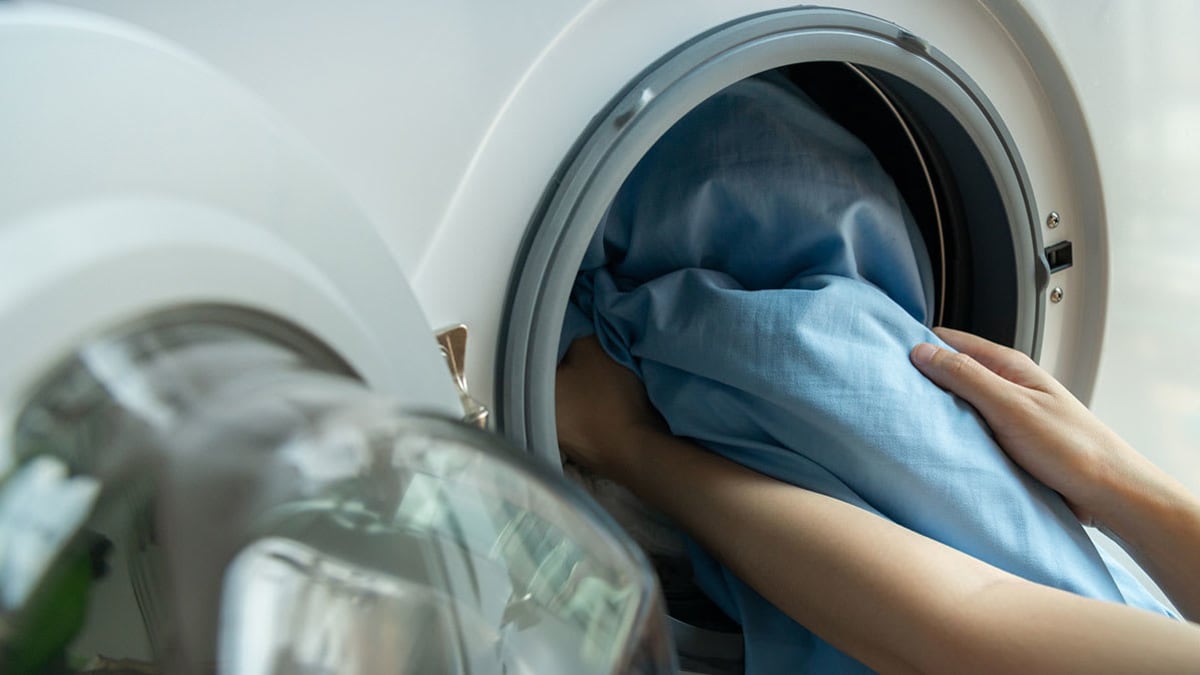
Health organizations recommend washing clothes regularly with soap and water. Use the warmest water safe for the fabric. Dry clothes completely as heat helps kill the virus. Avoid shaking dirty laundry to stop spreading the virus through the air. Use gloves if you handle clothes from sick people.
Advice From Medical Professionals
Medical experts stress frequent handwashing after touching clothes. They suggest keeping clean and dirty clothes separate. Avoid touching your face while handling laundry. If possible, wash clothes immediately after use. Use disinfectants on surfaces that touch clothes, like laundry baskets.
Credit: www.consumerreports.org
Frequently Asked Questions
How Long Does Coronavirus Survive On Fabric?
Coronavirus can survive on fabric for 1 to 3 days. Survival depends on fabric type, humidity, and temperature. Porous materials like cotton reduce virus lifespan. Washing clothes with detergent kills the virus effectively.
Can Virus Transfer From Clothes To Skin?
Yes, virus particles on clothes can transfer to skin. However, the risk is low if hands are washed regularly. Avoid touching your face after handling potentially contaminated fabrics to reduce infection chances.
What Is The Best Way To Disinfect Clothes?
Use hot water above 60°C and detergent to wash clothes. Drying clothes thoroughly in sunlight or a dryer also helps kill the virus. Avoid shaking dirty clothes to prevent spreading virus particles.
Does Fabric Type Affect Virus Survival Time?
Yes, virus survives longer on synthetic fabrics than natural ones. Porous fabrics like cotton absorb and trap viruses, reducing their lifespan. Smooth, non-porous materials allow viruses to survive longer.
Conclusion
The coronavirus can stay on clothes for a short time. Washing clothes with soap and water helps remove the virus. Drying clothes completely also lowers the risk. Avoid touching your face after handling worn clothes. Keep good hygiene to protect yourself and others.
Staying informed helps you stay safe every day. Simple steps make a big difference in stopping the spread. Clean clothes, clean hands, and safe habits matter most.


