Imagine you are stranded in a remote wilderness, with no way to call for help. Your hope might seem slim, but then, from the sky, a rescue pilot drops a survival kit right where you can reach it.
What’s inside that kit could mean the difference between waiting and surviving. You’ll discover exactly what a rescue pilot includes in these life-saving packages—and why knowing this could one day save your life or someone you care about. Keep reading, because every second counts when survival is on the line.
The Role Of A Rescue Pilot
Rescue pilots play a crucial role in saving lives during emergencies. They fly into dangerous areas to deliver aid and rescue people in distress. Their work involves quick decisions and careful planning. Dropping a survival kit is one way they provide immediate help. This kit contains essential supplies for those stranded or injured. Understanding the role of a rescue pilot helps appreciate their skill and bravery.
Challenges Faced In Emergency Situations
Rescue pilots face many challenges during missions. Weather can change quickly, making flying risky. They often land or drop supplies in tough terrain. Time is critical, so every second counts. Communication with ground teams is vital but can be difficult. Pilots must stay calm under pressure to avoid accidents. Each mission is different, requiring flexibility and sharp focus.
Training And Skills Required
Becoming a rescue pilot requires extensive training and skills. Pilots learn to operate various aircraft types in all conditions. They train in navigation, emergency procedures, and survival techniques. Physical fitness and mental toughness are essential. Pilots practice flying in low visibility and rough weather. They also study how to deliver supplies accurately from the air. Teamwork and quick thinking help them succeed in rescue missions.
The Survival Kit Essentials
When a rescue pilot drops a survival kit, every item inside can mean the difference between life and death. The kit is designed to cover the most critical needs quickly and efficiently. Understanding what essentials belong in that kit helps you prepare better, whether you’re adventuring off the grid or just want peace of mind.
Navigation Tools
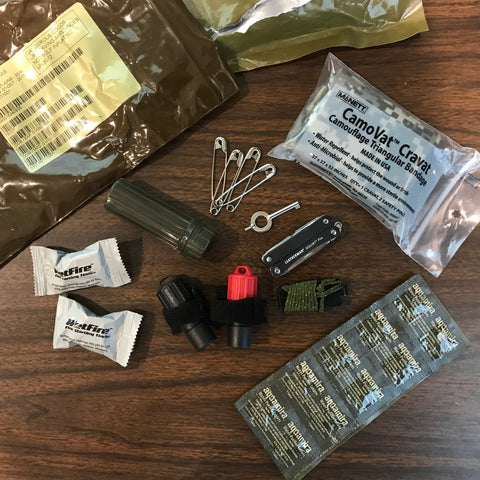
Navigation tools are your lifeline in unfamiliar terrain. A reliable compass paired with a detailed map can guide you back to safety when technology fails. Many kits also include a whistle or signal mirror to catch the attention of rescuers from a distance.
Have you ever thought about how you’d find your way if your phone battery died? These simple tools keep you oriented and visible, reducing the panic of being lost.
First Aid Supplies
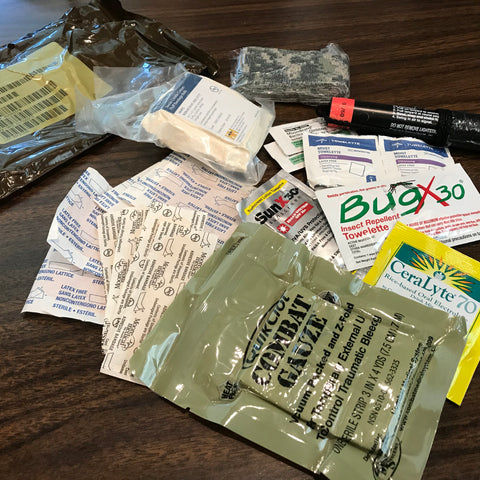
First aid supplies in a survival kit cover a range of emergencies. Bandages, antiseptic wipes, and pain relievers help you manage wounds and infections. Including items like tweezers and scissors lets you handle splinters or remove debris effectively.
Remember, quick treatment can prevent a small injury from becoming a serious problem. Would you be ready to treat a cut or burn on your own?
Food And Water Provisions
Survival depends heavily on sustaining energy and hydration. The kit usually contains high-calorie energy bars or dried foods that don’t spoil easily. Water purification tablets or a compact filter ensure you can safely drink from natural sources.
Think about how long you could last without clean water. Having these provisions in your kit means you won’t have to guess or take unnecessary risks.
Shelter And Warmth Items
Protection from the elements is crucial for survival. Lightweight emergency blankets, ponchos, or compact tarps provide shelter and help retain body heat. Fire starters like waterproof matches or magnesium rods allow you to create warmth and signal for help.
Have you ever felt how quickly cold can drain your energy? These items not only keep you warm but also boost your chances of being found faster.
Innovative Gear In Modern Survival Kits
Modern survival kits go beyond just matches and bandages. They now include cutting-edge tools designed to increase your chances of staying safe and comfortable in emergencies. These kits reflect the latest advancements in technology and design, making them smarter and easier to carry than ever before.
Technology-driven Solutions
Imagine a survival kit that can send your GPS location to rescuers or purify water on the spot. These features are becoming standard in many kits today. Devices like solar-powered chargers, compact satellite communicators, and multi-use tools with built-in LED lights give you practical advantages in tough situations.
One pilot shared how a compact satellite messenger in his kit helped him signal for help after dropping his survival gear in a remote area. This kind of technology can make a huge difference between waiting for days and getting rescued quickly.
Compact And Lightweight Designs
Survival kits used to be bulky and heavy, but now they fit easily into your backpack or even a pocket. Manufacturers use durable, lightweight materials so you can carry what you need without extra strain. Every item is carefully chosen to serve multiple purposes, saving space and weight.
Think about a folding knife that doubles as a screwdriver or a thermal blanket that packs smaller than a water bottle. These smart designs mean you can bring more essential gear without feeling weighed down.

Credit: 5col.com
Case Studies Of Successful Rescues
Examining case studies of successful rescues reveals how a well-equipped survival kit can turn a critical situation into a life-saving opportunity. These real-life stories show the importance of what a rescue pilot drops to those stranded in remote or hazardous environments. You’ll see how quick thinking and the right tools make all the difference.
Stories From The Field
A rescue pilot once dropped a survival kit to hikers stranded after a sudden storm in a dense forest. The kit included essential items like a thermal blanket, water purification tablets, and a compact radio. These tools helped the hikers stay warm, hydrated, and communicate their location until help arrived.
In another mission, a pilot delivered a survival kit to fishermen caught in rough seas. The kit’s signal mirror and flare gun proved crucial. They attracted the attention of a nearby ship, leading to a prompt rescue.
Have you ever wondered what small items could save your life in an emergency? These stories highlight why each component in a survival kit is carefully chosen and can be a game changer.
Lessons Learned From Past Missions
- Keep it lightweight but comprehensive:Pilots learned that bulky kits slow down delivery, so every item must be essential and compact.
- Include communication tools:Radios or signal mirrors increase the chances of being spotted quickly.
- Tailor kits to environments:Desert rescues require different supplies than mountain or sea missions.
- Train recipients:Survivors benefit more when they know how to use the kit effectively.
These lessons show you don’t just need a kit—you need the right kit, designed for the situation. What survival item would you prioritize if you were waiting for rescue?
The Impact Of Survival Kits On Rescue Missions
Survival kits play a crucial role in rescue missions, especially when a rescue pilot drops one to aid stranded individuals. These kits are more than just a collection of items; they can significantly influence the outcome of survival situations. Understanding their impact helps you appreciate why every rescue mission carefully plans the contents and timing of these drops.
Enhancing Survival Chances
Survival kits provide essential tools and supplies that increase your odds of staying alive until help arrives. They often include items like water purification tablets, emergency food, first aid supplies, and signaling devices. Each piece is selected to address common survival needs such as hydration, warmth, and communication.
Imagine being stranded in a remote area without a way to call for help or clean water. A survival kit can be the difference between waiting helplessly and actively improving your situation. Rescue pilots understand this, which is why they prioritize dropping kits where they can be found quickly.
Psychological Benefits For Stranded Individuals
Receiving a survival kit can boost your morale when you feel isolated and vulnerable. Knowing that help is on the way and you have resources at hand can reduce panic and give you a sense of control. This mental strength often translates into better decision-making and persistence.
Have you ever faced a tough situation where a small sign of hope changed everything? Survival kits serve as that lifeline. They remind you that you are not alone, helping you stay calm and focused on survival tasks rather than despair.
Credit: 5col.com
Future Trends In Survival Gear
The future of survival gear is shifting toward smarter, more efficient, and eco-friendly solutions. As rescue pilots drop survival kits in remote locations, the gear inside needs to meet evolving demands. You’ll want equipment that not only keeps you safe but also adapts to changing environments and reduces environmental impact.
Emerging Technologies
Technology is transforming survival kits in exciting ways. Compact solar panels now power essential devices, giving you reliable energy without carrying heavy batteries. GPS trackers with real-time location sharing can alert rescuers instantly, improving your chances of a quick recovery.
Wearable tech like biometric sensors monitor your health and stress levels, helping you make better decisions in critical moments. Imagine having a survival kit that talks to your phone and guides you step-by-step through emergency procedures. Wouldn’t that make you feel more confident in the wild?
Sustainability In Survival Equipment
Survival gear is becoming more sustainable, reflecting a growing awareness of environmental responsibility. Brands now use recycled materials for backpacks and clothing, reducing waste and resource use. Biodegradable packaging ensures your kit won’t harm nature if left behind.
Water purification methods have also improved, using natural filters that don’t rely on chemicals or disposable cartridges. This means you can drink safely without adding plastic waste. How important is it for you to carry gear that protects both you and the planet?

Credit: www.pilotmall.com
Frequently Asked Questions
What Items Are Included In A Rescue Pilot’s Survival Kit?
A rescue pilot’s survival kit typically includes water, first aid supplies, signaling devices, food rations, and a multi-tool. These items help survivors stay safe and communicate their location until help arrives.
How Does A Rescue Pilot Drop A Survival Kit Safely?
Pilots use parachutes or low-altitude drops to release kits accurately. They ensure the kit lands close to survivors without causing harm or damage.
Why Is A Survival Kit Important In Rescue Missions?
Survival kits provide essential resources for stranded individuals. They improve chances of survival by addressing immediate needs like hydration, warmth, and signaling rescuers.
When Do Rescue Pilots Decide To Drop Survival Kits?
Pilots drop kits when survivors are unreachable by ground teams. They assess conditions and drop kits to provide urgent aid quickly.
Conclusion
A rescue pilot dropping a survival kit can save lives fast. These kits carry essential tools for tough situations. They help people stay safe until help arrives. Pilots must act quickly and carefully every time. Survival kits give hope in dangerous moments.
Everyone should understand how important these kits are. They show how teamwork and planning work in real life. A small drop can make a big difference. Remember, safety and readiness always come first.