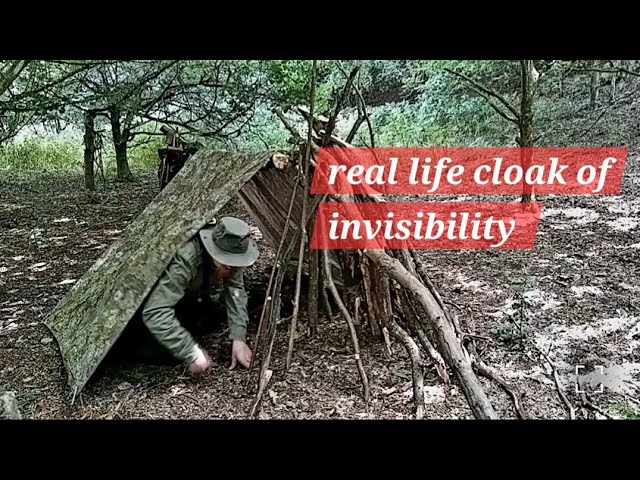
Imagine being out in the forest, far from home, and needing warmth and comfort. Your survival could depend on a simple cloth blanket.
But how do you make one that truly works? This guide will show you exactly how to create a cloth blanket perfect for forest survival. You’ll learn step-by-step tips that anyone can follow, even without special skills. By the end, you’ll feel confident and ready to stay warm no matter where you are.
Keep reading, because your safety and comfort might just come down to what you learn here.
Choosing The Right Fabric
Choosing the right fabric is key for making a cloth blanket for forest survival. The fabric affects warmth, durability, and comfort. Picking the best material helps you stay safe and comfortable outdoors. Consider the environment and your needs carefully before selecting fabric.
Natural Vs Synthetic Materials
Natural fabrics like cotton, wool, and linen are soft and breathable. Wool keeps warmth even when wet. Cotton is gentle on skin but absorbs water and dries slowly. Linen is strong but less warm.
Synthetic fabrics such as polyester and nylon dry quickly and resist water. They often weigh less and dry faster. Synthetics handle rough use well but may trap sweat and heat.
Balance warmth, weight, and moisture control. Wool blends offer good warmth and durability. Synthetic blends dry faster and resist mold better.
Weather Considerations
Cold, wet, or dry weather changes fabric needs. In cold weather, choose thick, insulating fabrics like wool. Layering thin fabrics can also trap heat well.
Wet conditions demand quick-drying, water-resistant fabrics. Synthetics like nylon or polyester work best. Avoid cotton in rain or snow.
Hot or humid climates require breathable, lightweight materials. Natural fabrics like linen or cotton help keep cool. Avoid heavy or thick fabrics that trap heat.

Credit: tytarp.com
Gathering Essential Tools
Gathering the right tools is essential for making a cloth blanket in the forest. The right equipment makes the process easier and more efficient. Each tool has a specific role that helps you work faster and better.
Cutting Tools
Sharp cutting tools are needed to shape the fabric. A sturdy knife or scissors work well for this task. Look for blades that cut smoothly without fraying the cloth. A small folding knife is useful for detailed cuts. Keep the tools clean and sharp for the best results.
Measuring Instruments
Accurate measurements ensure the blanket fits your needs. A tape measure or a ruler helps mark the fabric precisely. Use chalk or fabric markers to draw cutting lines. Measure twice to avoid mistakes. Good measurements save time and material.
Sewing Supplies
Sewing is key to joining fabric pieces securely. Bring needles and strong thread suitable for outdoor use. A thimble can protect your fingers during sewing. If possible, carry a small sewing kit with spare threads. Hand sewing works well, but a portable sewing machine speeds things up.
Designing The Blanket
Designing a cloth blanket for forest survival requires thoughtful planning. The blanket must provide warmth and durability. It also needs to be easy to carry and use. Choosing the right size and layering technique makes a big difference. These factors improve comfort and protection during outdoor stays.
Size And Dimensions
Pick a size that fits your body well. A blanket too small won’t keep you warm. Too large, and it becomes heavy to carry. A good size is about 60 by 80 inches. This size covers most adults comfortably.
Consider extra space for wrapping around your body. Also, think about packing space in your bag. A blanket that folds compactly is easier to carry. Measure yourself or your group before cutting fabric.
Layering Techniques
Use multiple fabric layers for better insulation. Layers trap air, which keeps you warm. Start with a soft inner layer for comfort. Wool or fleece works well for this.
Add a thick middle layer for warmth. Felt or thick cotton are good choices here. The outer layer should resist wind and moisture. Consider materials like canvas or treated cotton.
- Inner layer: soft and comfortable
- Middle layer: thick and warm
- Outer layer: durable and weather-resistant
Stitch layers tightly to prevent cold air from passing through. Use strong thread and double stitching for durability. Reinforce edges to avoid fraying in rough conditions.
Cutting And Preparing Fabric
Cutting and preparing fabric is a key part of making a cloth blanket for forest survival. This stage sets the base for a strong, warm blanket. Careful cutting ensures the pieces fit well and the blanket lasts long. Preparing the fabric correctly helps avoid fraying and uneven edges. The process starts with creating patterns and ends with handling edges properly.
Creating Patterns
Start by choosing a simple shape for your blanket pieces. Rectangles or squares work best. Use paper or fabric scraps to make a pattern. Mark the pattern on the fabric with chalk or a fabric marker. Make sure to add extra space for seams. Cut the fabric carefully along the marks. Keep the cuts straight for easy sewing later.
Handling Edges
Edges can fray easily in the forest environment. To stop this, finish edges right after cutting. Use a zigzag stitch on a sewing machine or hand stitch with a blanket stitch. Folding edges over before sewing adds strength. Another option is to use fabric glue or fray check. These methods keep the blanket neat and durable. Well-prepared edges help the blanket stand up to rough use outdoors.
Sewing Techniques
Sewing techniques form the foundation of a strong cloth blanket for forest survival. Proper stitching ensures durability and comfort. Learning simple stitches can help create a blanket that withstands rough outdoor conditions. Focus on neat, tight stitches for better strength.
Basic Stitching
Start with a running stitch for basic seams. It is easy to learn and quick to sew. Insert the needle in and out of the fabric evenly. Keep stitch length about 1/4 inch for balance between strength and flexibility.
Use a backstitch for stronger seams. It overlaps stitches to prevent gaps. Push the needle back into the fabric, then forward past the last stitch. This creates a solid line that holds well under stress.
Reinforcing Seams
Double stitching adds extra strength to seams. Sew over the same seam twice in parallel lines. This prevents tearing at weak points.
Use a whip stitch to close blanket edges. Loop the thread over the edge to protect fabric from fraying. Keep stitches close together for firm reinforcement.
Patch weak or thin areas with extra fabric pieces. Sew patches firmly using tight stitches. This helps extend the blanket’s life in harsh forest use.
Adding Insulation
Adding insulation to your cloth blanket can make a huge difference in keeping you warm during forest survival situations. Insulation traps heat close to your body, helping you maintain a comfortable temperature even when the air is cold and damp. Knowing how to choose and secure the right insulating materials will boost your blanket’s effectiveness and increase your chances of staying safe outdoors.
Selecting Insulating Materials
Look for materials that trap air well, as air pockets act as natural barriers against cold. Wool, fleece, and down feathers are excellent choices because they keep warmth even when wet. You can also use natural options found in the forest, like dry leaves, moss, or pine needles, which add bulk and insulation without much weight.
Think about availability and durability. Wool lasts long and doesn’t lose its insulating power easily, while dry leaves might compress and lose effectiveness. Have you ever tried stuffing your jacket with leaves for extra warmth? This simple trick proves you don’t always need fancy gear to stay warm.
Securing Layers Together
Once you have your insulating materials, keep them in place by layering carefully and fastening securely. Use needle and thread or strong twine to stitch pockets inside the blanket where you can insert insulation. If sewing isn’t an option, wrap the insulation in a separate cloth layer and tie it tightly with strips of fabric.
Make sure the layers don’t shift around as you move. A well-secured blanket feels more comfortable and prevents cold spots. Have you ever felt a chill because your insulation slid out of place? Avoid that by checking your layers before settling down for the night.
Incorporating Survival Features
Adding survival features to your cloth blanket can make a huge difference in a forest setting. These features enhance functionality, helping you stay warm, dry, and hidden. Think about the challenges you might face outdoors and how your blanket can become more than just a piece of fabric.
Waterproofing Methods
Keeping dry is crucial. You can add waterproofing to your cloth blanket using wax, such as beeswax or paraffin. Melt the wax and rub it evenly onto the fabric, then heat it slightly to help it soak in.
This simple step makes your blanket resistant to rain and dew, so you stay comfortable even in damp conditions. Another option is using a waterproof spray, which is easy to apply and dries quickly. Remember, a waterproof blanket can double as a shelter cover or ground sheet.
Camouflage Options
Blending into your surroundings helps avoid unwanted attention from animals or other people. You can paint or dye your blanket with natural colors found in the forest—greens, browns, and dark grays work well.
Using fabric markers or natural dyes from plants is a practical way to add camouflage. You might also sew on leaves, twigs, or small patches of moss to break up the outline of the blanket. How much effort you put into camouflage depends on your environment, but even small changes can make a big difference.

Credit: arcturusgear.com
Testing For Durability
Testing for durability is crucial when crafting a cloth blanket for forest survival. Your blanket needs to withstand rough conditions without falling apart. How do you know if it’s tough enough? You put it through real-world tests that mimic the challenges it will face outdoors.
Stress Testing
Stress testing involves putting your cloth blanket under physical strain to see how much it can handle. Stretch the fabric firmly to check if it retains its shape or tears easily. You can also rub it against rough surfaces like tree bark to test abrasion resistance.
Try folding and unfolding it multiple times to simulate repeated use. Watch for weak spots, loose threads, or thinning areas. If your blanket fails here, it might not hold up during a long survival trip.
Weather Resistance Checks
Your survival blanket will face rain, wind, and possibly snow. Test its ability to repel water by sprinkling or lightly soaking it and observing how fast it dries. A durable blanket shouldn’t stay wet for hours or become heavy when damp.
Expose the cloth to sunlight for several hours to see if colors fade or fabric weakens. Also, check how well it insulates when wet. A blanket that loses warmth quickly could leave you vulnerable in cold conditions.
Have you ever felt a blanket get soggy and useless after a rainstorm? Ensuring your cloth blanket resists weather can prevent that problem and keep you warm and dry.
Maintenance And Repair Tips
Maintaining and repairing your cloth blanket is key to its long life in the forest. Regular care keeps it clean, strong, and ready for use. Small repairs prevent bigger damage and save time later.
Cleaning Guidelines
Clean your blanket gently to keep the fabric soft and intact.
- Shake off dirt and debris after each use.
- Hand wash with mild soap and cold water.
- Avoid strong detergents that can weaken fabric fibers.
- Rinse thoroughly to remove all soap.
- Air dry in shade to prevent fading and shrinking.
- Do not use bleach or fabric softeners.
Quick Fix Solutions
Fix small tears and holes immediately to avoid worsening damage.
- Sew tears with a needle and strong thread.
- Use fabric glue for quick, no-sew patches.
- Apply iron-on patches for durable repairs.
- Reinforce worn edges with extra stitching.
- Check seams regularly and repair loose threads.

Credit: www.youtube.com
Frequently Asked Questions
What Materials Are Best For A Cloth Blanket In Forest Survival?
Natural fibers like wool, cotton, and fleece are ideal for forest survival blankets. They provide warmth, breathability, and durability. Avoid synthetic materials that may retain moisture and cause discomfort. Choose materials that dry quickly and insulate well in damp conditions.
How Do You Make A Cloth Blanket Suitable For Forest Use?
Cut fabric into a large square or rectangle, then sew edges to prevent fraying. Add layers for extra warmth if needed. Reinforce corners with grommets for hanging or securing. Ensure the blanket is lightweight and compact for easy carrying in the forest.
Can A Cloth Blanket Protect Against Cold And Moisture Outdoors?
Yes, a well-made cloth blanket can provide insulation and some moisture resistance. Wool is especially good at retaining heat even when damp. Layering the blanket with a waterproof tarp increases protection against rain and ground moisture during survival situations.
How To Maintain A Cloth Blanket During Forest Survival Trips?
Keep the blanket dry by storing it in a waterproof bag when not in use. Air it out regularly to prevent mildew. Clean it with mild soap and water after exposure to dirt or sweat. Proper care extends the blanket’s lifespan in the wild.
Conclusion
Making a cloth blanket for forest survival is simple and useful. You only need basic materials and some time. This blanket can keep you warm and dry in the wild. It also helps protect your body from cold and rough ground.
Practice making one before your trip. Stay safe and comfortable in the forest with your own blanket. Small steps like this make a big difference outside. Keep learning and be ready for nature’s challenges.


