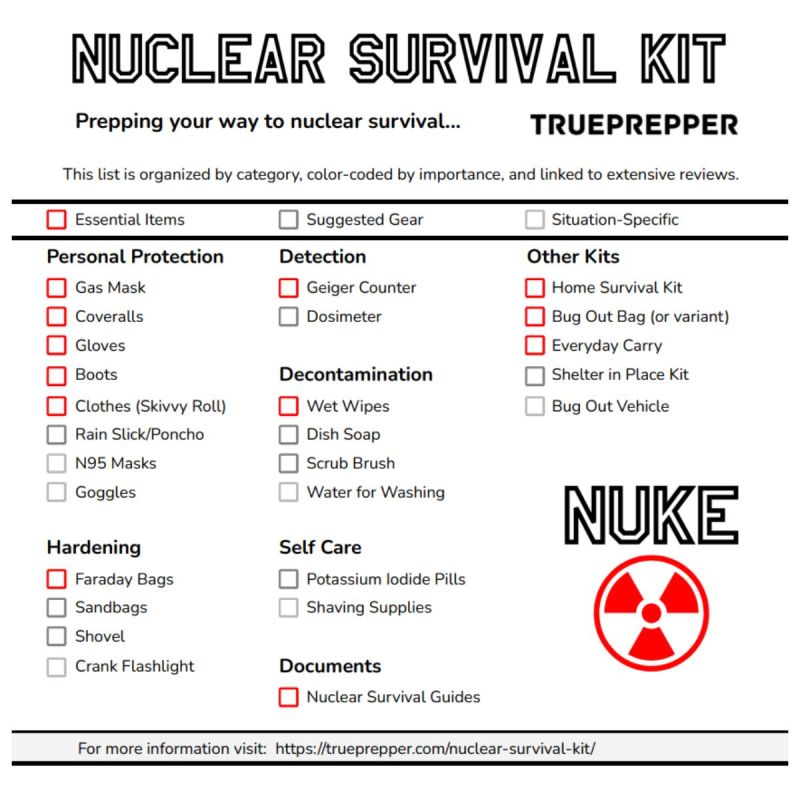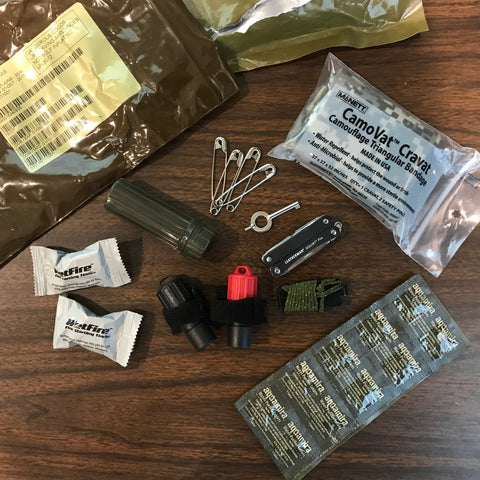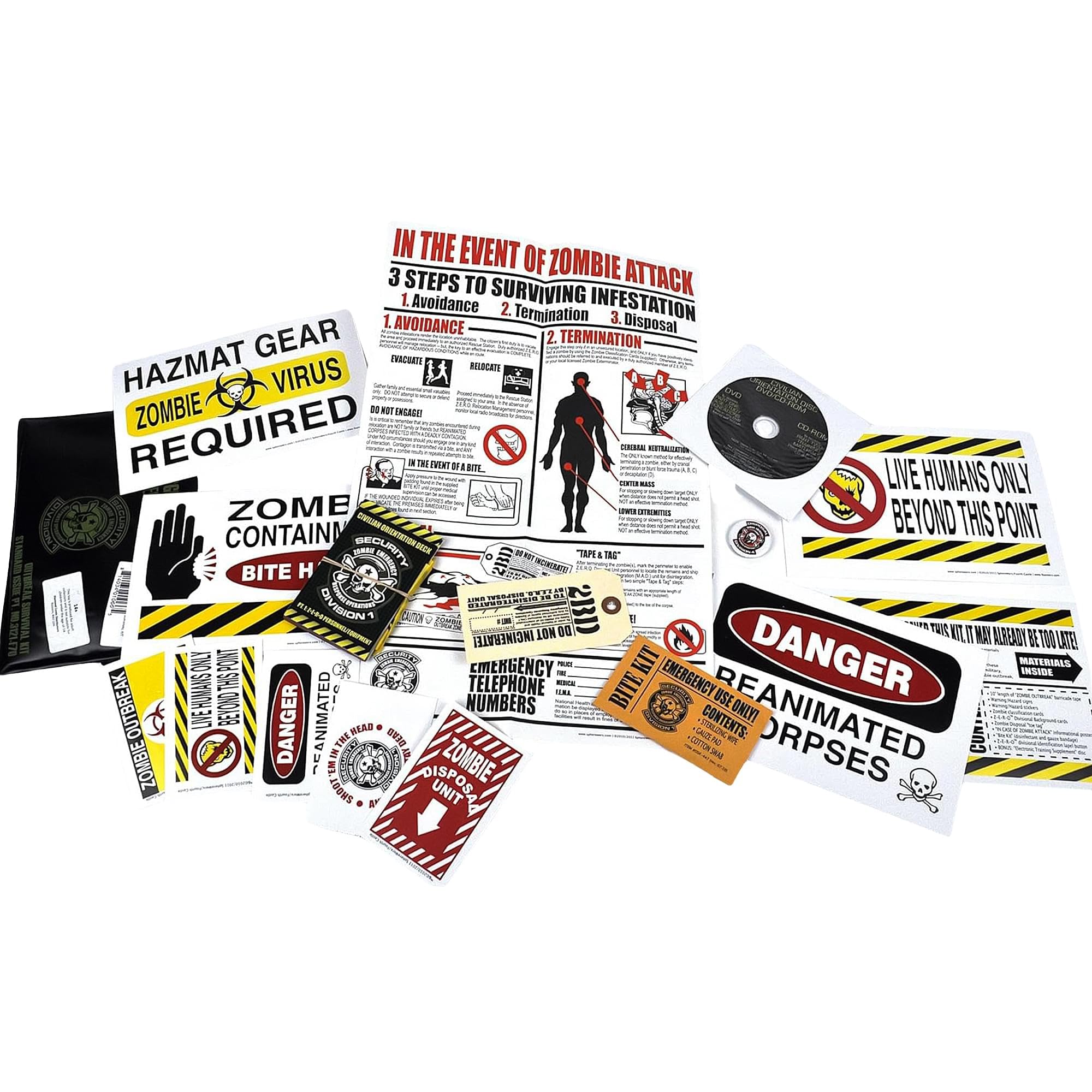
Imagine waking up to a world where zombies roam freely. What would you need to stay alive?
Your survival depends on having the right tools at your fingertips. You’ll discover exactly what to have in a zombie survival kit. From essential supplies to smart gear, you’ll learn how to prepare yourself for the unexpected. Keep reading, and make sure you’re ready when the unthinkable happens.
Your safety could depend on it.
Zombie Survival Kit Basics
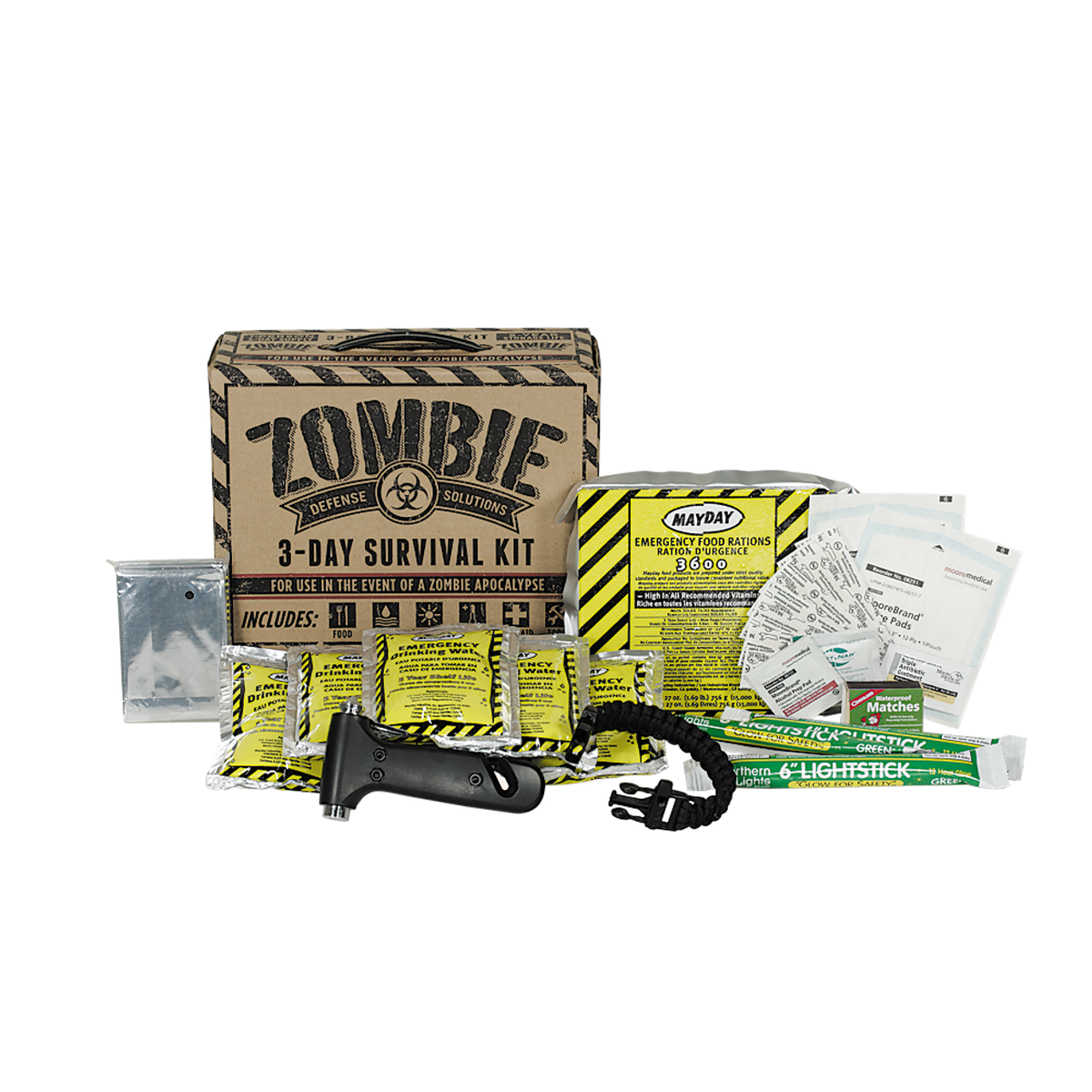
Building a zombie survival kit requires careful thought. You need items that keep you safe and alive. This kit should cover basic needs like food, water, and protection. Every item must be reliable and easy to carry. Prepare for different situations. Think about what you will need in the first 72 hours. This period is critical for survival.
Essential Food And Water Supplies
Food and water are the top priorities. Choose non-perishable food that lasts long. Canned goods, energy bars, and dried fruits work well. Water must be clean and stored safely. Carry water purification tablets or a small filter. Always have at least one gallon of water per person per day. Plan for three days minimum.
Tools And Weapons
Tools help you build, fix, and defend. A sturdy knife is a must-have. Multi-tools save space and offer many functions. Include a flashlight with extra batteries. Firearms and blunt weapons offer protection. Choose weapons you can handle confidently. Safety and training matter most.
First Aid And Hygiene
Health is vital during a zombie outbreak. Stock a basic first aid kit with bandages, antiseptics, and painkillers. Add any personal medications. Hygiene items prevent illness and infection. Pack soap, toothbrush, toothpaste, and hand sanitizer. Cleanliness keeps you strong.
Clothing And Shelter
Wear durable, comfortable clothes suitable for all weather. Include a hat and gloves. Pack a compact tent or tarp for shelter. Sleeping bags or blankets keep you warm. Shelter protects you from elements and zombies alike.
Stay informed and find your way. Carry a battery-powered or hand-crank radio. Maps and a compass are essential. GPS devices work but need power. Always have backup options for navigation. Communication tools help you connect with others.

Credit: www.amazon.com
Food And Water Supplies
Food and water are the backbone of any survival kit. Without them, your chances of lasting through a zombie apocalypse drop quickly. You need supplies that last, keep you energized, and don’t require complicated preparation.
Non-perishable Foods
Non-perishable foods are your best bet when you can’t rely on refrigeration or fresh supplies. Think canned beans, dried fruits, and energy bars. These items stay good for months or even years and provide steady energy.
Include a variety of proteins, carbs, and fats. Peanut butter packs protein and fat, while instant oatmeal is a quick carb source. Don’t forget comfort foods like chocolate or hard candies to keep morale up—because your mental health matters.
- Canned tuna or chicken
- Instant noodles or rice
- Granola bars and trail mix
- Powdered milk or protein shakes
- Vegetable and fruit cans
Water Purification Methods
Water is heavy to carry but impossible to survive without. You won’t always find clean water, so you need reliable purification methods. Carry a mix of options to fit different situations.
Water purification tablets are lightweight and easy to use. A portable water filter can remove bacteria and protozoa, making natural water sources safer. Boiling water is the most foolproof, but it requires fuel and time.
- Water purification tablets (iodine or chlorine)
- Portable water filter (like a LifeStraw)
- Metal container for boiling water
- Collapsible water bottles to save space
Ask yourself: how will you access water if your kit is all you have? Planning for water means planning for life itself.
First Aid Essentials
First aid essentials are vital for any zombie survival kit. Injuries can happen anytime, and quick care helps prevent infections and serious problems. A well-stocked first aid kit can save lives and keep you healthy during tough times.
Basic Medical Supplies
- Adhesive bandages in various sizes for small cuts
- Sterile gauze pads to cover larger wounds
- Medical tape to secure bandages and dressings
- Antiseptic wipes to clean wounds and stop germs
- Disposable gloves to protect your hands
- Scissors and tweezers for cutting and removing debris
- Elastic bandages for sprains and strains
- CPR face shield for safe resuscitation
Emergency Medications
- Pain relievers like ibuprofen or acetaminophen
- Antihistamines for allergic reactions
- Antibiotic ointment to prevent infection
- Anti-diarrheal medicine to control stomach issues
- Oral rehydration salts to prevent dehydration
- Any personal prescription medications you need
Tools And Equipment
Having the right tools and equipment in your zombie survival kit can make all the difference between staying safe and getting overwhelmed. These items help you handle emergencies, build shelter, and defend yourself when needed. Choosing the right gear means you can act quickly and confidently, even under pressure.
Multi-tools And Knives
A sturdy multi-tool is like having a whole toolbox in your pocket. It usually includes pliers, screwdrivers, scissors, and more—perfect for fixing gear or crafting makeshift solutions. A reliable knife is just as important; it can help you cut ropes, prepare food, or defend yourself if necessary.
I once had to use a multi-tool to repair a broken zipper on my backpack during a hike. That quick fix kept my supplies safe and dry, which could be critical in a survival scenario. Think about the last time you needed a tool but didn’t have one—how much easier would it have been with a multi-tool?
- Choose a multi-tool with high-quality steel for durability.
- Pick a knife with a fixed blade for strength and reliability.
- Make sure both fit comfortably in your survival kit without adding too much weight.
Fire Starting Tools
Fire is essential for warmth, cooking, and signaling for help. You can’t rely on just matches, as they can get wet or run out. Carry multiple fire-starting options like waterproof matches, a lighter, and a ferrocerium rod to cover all bases.
I once tried to start a fire with only damp matches and learned the hard way that having a ferro rod saved me hours of frustration. You want to avoid that kind of stress in a real survival situation. Ask yourself—how confident are you in your fire-starting skills with your current tools?
- Waterproof matches—easy to use but keep them dry.
- A lighter—compact and convenient but can run out of fuel.
- Ferrocerium rod—reliable in wet conditions and lasts a long time.
Shelter And Warmth
Shelter and warmth are vital in a zombie survival situation. Staying dry and warm prevents illness and keeps energy high. A good survival kit must include items to build shelter and keep heat.
Portable Shelters
Portable shelters provide quick protection from the weather. They are lightweight and easy to carry. Consider these options:
- Tent: Compact and easy to set up.
- Tarp: Versatile for building makeshift shelters.
- Emergency bivvy bag: Reflects body heat and blocks wind.
- Pop-up shelter: Instant cover with minimal effort.
Choose shelters that pack small but offer good coverage. Quick setup saves time and energy during emergencies.
Insulation And Clothing
Warmth depends on proper insulation and clothing layers. Wool and synthetic fabrics keep heat even when wet. Avoid cotton, as it traps moisture.
- Thermal underwear: Keeps core temperature stable.
- Insulating mid-layer: Fleece or down for added warmth.
- Waterproof outer layer: Shields from rain and wind.
- Gloves and hats: Prevent heat loss from extremities.
Pack extra socks and a space blanket for emergencies. Dress in layers to adjust to changing temperatures.
Credit: www.ebay.com
Communication And Navigation
Communication and navigation are vital in a zombie survival scenario. Staying connected with others helps share important updates. Knowing your location and direction keeps you safe and moving forward. A well-prepared survival kit must include reliable tools for both tasks.
Radios And Signal Devices
Radios are essential for short-distance communication. They work without cell towers or internet. Choose two-way radios with long battery life. Carry extra batteries or a portable charger. Signal devices like whistles or flare guns attract help. They can also warn others of danger. Keep these items easy to reach in your kit.
Maps And Compasses
Digital devices may fail during a zombie outbreak. Physical maps and compasses provide reliable navigation. Use waterproof maps showing your local area. A compass helps find the right direction quickly. Learn basic map reading and compass skills. Mark safe zones and resources on your maps. Keep these tools in a protective case to avoid damage.
Self-defense Items
Self-defense items are crucial in a zombie survival kit. They protect you from threats and increase your chances of survival. Carrying the right tools helps you stay safe during dangerous encounters.
Melee Weapons
Melee weapons are silent and effective. They do not need ammunition, which makes them reliable. Choose weapons that are easy to carry and use.
- Baseball bat: sturdy and good for close combat
- Machete: sharp and versatile for defense and cutting
- Hatchet: useful for both defense and survival tasks
- Knife: small, lightweight, and easy to handle
Practice using these weapons to improve your skills. Quiet attacks can keep you safe without attracting zombies.
Protective Gear
Protective gear shields your body from bites and scratches. Strong gear reduces injury risks during fights or escapes.
- Leather gloves: protect hands from cuts and bites
- Helmet: guards your head against impacts
- Thick jacket: shields arms and torso
- Knee and elbow pads: prevent injuries while moving fast
Wear protective gear even if it feels heavy. Safety is more important than comfort in survival situations.
Lighting And Power Sources
Lighting and power sources are essential in a zombie survival kit. Darkness brings danger and slows down movement. Reliable light helps you see clearly and stay safe. Power sources keep your devices working when electricity is gone. Choose items that last long and are easy to carry.
Flashlights And Lanterns
Flashlights provide focused light and are easy to carry. Choose LED flashlights for bright light and low power use. Carry extra flashlights to avoid being left in the dark. Lanterns light up a whole area and are good for camps or shelters.
- Compact size for easy storage
- Water-resistant or waterproof models
- Multiple light modes for different needs
- Sturdy design to survive rough conditions
Batteries And Chargers
Extra batteries are a must for all your lights and devices. Store different types to fit all your gear. Rechargeable batteries save money and reduce waste. Carry portable chargers powered by solar or hand-crank to stay ready anywhere. Check battery life often to avoid surprises.
- AA, AAA, and specialized batteries
- Solar chargers for off-grid power
- Hand-crank chargers for emergency use
- Power banks for charging phones and radios
Personal Documents And Cash
When preparing for a zombie apocalypse, securing your personal documents and cash is crucial. These items can be your lifeline for identification, accessing resources, or proving ownership. Without them, you could face unnecessary delays or even danger in chaotic situations.
Essential Personal Documents To Include
Keep copies of your ID, passport, and any medical records in a waterproof pouch. These documents verify who you are and your medical needs, which might be vital if you encounter others or need help.
Adding emergency contacts and insurance information can also save time and stress. Think about what you would want someone to know if you were unable to speak for yourself.
How Much Cash Should You Carry?
Cash remains king when electronic payment systems fail. Small bills are better since they’re easier to use for trading or buying supplies.
Consider carrying a mix of denominations, like $1, $5, and $20 bills. Have enough for basic needs but avoid carrying too much to reduce risk.
Safe Storage Tips For Documents And Cash
Use waterproof, fireproof containers to protect your valuables. I once stored my documents in a simple plastic bag, only to find them soaked and unreadable after a sudden downpour.
Keep this container in an easily accessible but secure spot in your survival kit. Quick access could make a big difference when time is critical.

Credit: www.amazon.com
Miscellaneous Items
Every zombie survival kit needs more than just food and weapons. Miscellaneous items can make a huge difference in your chances of staying safe and comfortable. These often-overlooked tools help you solve unexpected problems quickly.
Duct Tape And Paracord
Duct tape is a lifesaver in any emergency. You can fix torn clothes, patch holes in your gear, or even create makeshift bandages. I once used duct tape to secure a broken backpack strap during a hike, and it held strong for miles.
Paracord is just as essential. It’s lightweight but incredibly strong. Use it to build shelters, tie supplies together, or create traps if you need to catch food. Have you ever tried to replace a shoelace in the wild? Paracord handles that with ease.
Personal Hygiene Products
Staying clean might seem low priority when zombies are around, but personal hygiene is critical to prevent infections. Pack travel-sized soap, toothbrush, toothpaste, and hand sanitizer. You’ll feel fresher, and your immune system will thank you.
Don’t forget items like feminine hygiene products or wet wipes. These small comforts can boost your morale significantly. Imagine being stuck for days without any way to clean yourself—how would that affect your focus and energy?
Frequently Asked Questions
What Are Essential Items For A Zombie Survival Kit?
Essential items include water, non-perishable food, first aid supplies, a flashlight, batteries, and a reliable weapon. These basics ensure hydration, nutrition, safety, and defense during a zombie outbreak. Always customize your kit based on your environment and needs.
How Much Water Should I Pack In A Survival Kit?
Pack at least one gallon of water per person per day. Water is crucial for hydration and survival, especially during a zombie apocalypse. Store water in durable, leak-proof containers and consider purification tablets for emergencies.
Which Weapons Are Best For Zombie Defense?
Blunt weapons like bats and crowbars, and firearms with ample ammunition, are effective. Choose weapons that are easy to handle, silent, and durable. Avoid noisy options to prevent attracting more zombies.
Should I Include Communication Devices In My Kit?
Yes, include a battery-powered radio or walkie-talkie. Communication devices help you stay informed and coordinate with others. Ensure extra batteries and keep devices protected from damage.
Conclusion
A good zombie survival kit saves lives and keeps you safe. Choose items that are light, useful, and easy to carry. Don’t forget food, water, tools, and first aid. Practice using your kit often to stay prepared. Stay calm and think clearly during any crisis.
Being ready helps you face challenges with confidence. Keep your kit updated and check it regularly. Survival is about smart choices and quick action. Stay safe, stay ready.