Have you ever wondered how a small Altoids tin can become a powerful survival tool? You might be surprised at how much you can fit inside this tiny container to help you in an emergency.
Whether you’re new to prepping or just want a handy kit for unexpected situations, knowing exactly what to put in an Altoids survival kit can make all the difference. You’ll discover simple, practical items that fit perfectly in your kit and could be lifesavers when you need them most.
Keep reading to learn how to create your own compact survival kit that’s ready to go whenever you are.

Credit: www.youtube.com
Choosing The Right Altoids Tin
Choosing the right Altoids tin is the first step to creating an effective survival kit. The tin acts as a sturdy container that keeps all your essential items safe and organized. Not all Altoids tins are the same size or shape, so picking the right one depends on what you plan to carry inside.
Consider how much space you need for your survival gear. A larger tin allows room for more items but may be bulkier to carry. A smaller tin is easy to slip into a pocket but limits what you can include. The material of the tin also matters for durability and water resistance.
Choosing a tin with a tight-fitting lid ensures your items stay secure. Some tins come with a hinged lid, while others have a slide-off top. The choice affects how easy it is to open and close the kit quickly.
Size And Capacity
Check the dimensions of the Altoids tin before buying. Standard tins measure about 3.7 inches by 2.3 inches and 0.8 inches deep. Larger tins give extra space for tools and supplies. Smaller tins are more compact but hold fewer items. Match the tin size to the type of survival kit you want.
Material And Durability
Most Altoids tins are made of metal. Metal tins protect contents from impacts and moisture. Avoid plastic tins as they may crack or break. A metal tin also helps keep items dry and clean. Look for tins with smooth, rust-resistant surfaces for longevity.
Lid Design And Security
Choose a tin with a secure lid to prevent accidental opening. Hinged lids stay attached but can loosen over time. Slide-off lids fit snugly but may be harder to open with wet hands. Consider tins that allow sealing with tape or rubber bands for extra security.
Portability And Weight
Consider how you will carry your survival kit daily. A lightweight tin reduces bulk in your pocket or backpack. Slim tins fit better in tight spaces. Weight and size influence how often you carry your kit. Pick a tin that matches your lifestyle and survival needs.
Fire Starting Tools
Fire starting tools are essential in any Altoids survival kit. They give you the ability to create warmth, cook food, and signal for help. Having reliable options means you won’t be caught off guard when conditions get tough.
Waterproof Matches
Waterproof matches are a simple yet powerful addition. They stay dry even in wet environments, so you can light a fire quickly without frustration. Keep them in a sealed container inside your Altoids tin to ensure they remain effective.
Think about times you’ve tried to start a fire with regular matches in damp weather. Frustrating, right? Waterproof matches prevent that hassle, saving you precious time and energy.
Ferrocerium Rod
A ferrocerium rod, also called a fire steel, is a durable tool that sparks fire by scraping. It works even when wet and lasts for hundreds of strikes. Including a small striker or using the back of a knife blade can easily generate sparks to ignite tinder.
I once relied on a ferro rod during a rainy hike. While others struggled with soggy matches, I had a fire going in minutes. Could your survival kit do the same?
Cotton Balls With Petroleum Jelly
Cotton balls coated in petroleum jelly make excellent tinder. They catch a spark quickly and burn for a long time, giving you enough time to add kindling. Store them in a small waterproof bag to keep them dry.
This combo is lightweight and inexpensive, yet incredibly effective. Have you ever tried lighting plain cotton balls? Adding petroleum jelly changes everything, making fire starting a breeze.
Cutting Instruments
Cutting instruments are essential tools in an Altoids survival kit. They help with many tasks like preparing food, making kindling, or crafting other tools. Compact and sharp items fit well inside the small Altoids tin. Choose tools that are safe, reliable, and easy to use.
Miniature Knife
A miniature knife fits perfectly in a survival kit. It can cut ropes, open packages, or carve small sticks. Look for a knife with a sturdy blade and a secure handle. Folding knives are ideal because they stay safe when closed. A sharp blade makes cutting easier and safer.
Razor Blades
Razor blades are thin, sharp, and versatile. They can split wood, cut fabric, or shave tinder for fire-starting. Carry them in a small protective case to avoid injury. Razor blades take little space and weigh almost nothing. Keep a few spare blades to replace dull ones quickly.

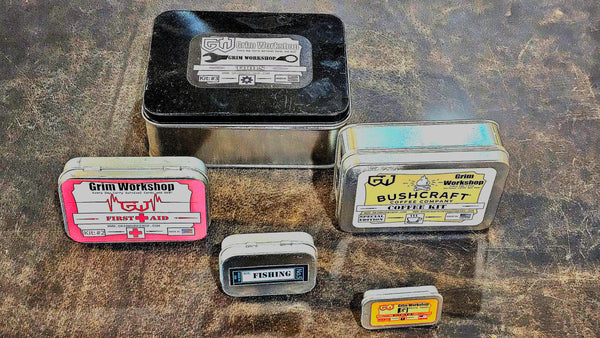
Credit: grimworkshop.com
Lighting Solutions
Lighting is a crucial part of any Altoids survival kit. Without proper light, even simple tasks can become challenging after dark. You want lighting options that are compact, reliable, and easy to use in emergencies.
Mini Led Flashlight
A mini LED flashlight fits perfectly inside an Altoids tin without taking up much space. These flashlights offer bright, focused light that can help you navigate or signal for help. Many models come with features like waterproofing and multiple brightness settings.
Choose one with easily replaceable batteries or a rechargeable option. I once found myself fumbling through my gear at night, and having a small but powerful LED light made a huge difference. It’s a simple tool that can keep you safe and oriented.
Glow Sticks
Glow sticks are another excellent lighting choice for your kit. They don’t require batteries and can provide steady light for several hours. You can use them to mark a trail, signal rescuers, or light up your immediate area without worrying about running out of power.
They are also safe to use around flammable materials, unlike candles or matches. Adding a few glow sticks in different colors gives you versatile lighting options. Have you ever thought about how a small glow stick could make a big difference in a dark situation?
Navigation Aids
Navigation aids are essential tools in any Altoids survival kit. They help you find direction and stay oriented during emergencies. Without these aids, you risk getting lost in unfamiliar areas. A small but reliable navigation device fits perfectly inside the compact Altoids tin. It can guide you back to safety or help you track your path in the wild.
Compact Compass
A compact compass is a must-have in your survival kit. It is small, lightweight, and easy to carry. This tool points north, helping you keep your bearings. Choose a compass with clear markings and a rotating bezel for quick adjustments. It works well even in low light or bad weather. A compass requires no batteries, so it’s always ready to use.
Signal Mirror
A signal mirror is a simple but powerful navigation aid. It reflects sunlight to send signals over long distances. This tool can attract attention from rescuers or nearby people. The mirror should be small enough to fit in your Altoids tin. Look for one with a sighting hole or aiming device. It can also be used for personal grooming in survival situations.
Water Purification
Clean water is vital in any survival situation. Carrying a way to purify water ensures safety from harmful bacteria and viruses. An Altoids survival kit can include simple tools to make water safe to drink. Focus on compact, lightweight items that fit easily inside the tin.
Water Purification Tablets
Water purification tablets are small and easy to carry. They kill germs and bacteria quickly. Drop one tablet into a bottle of water and wait. Usually, 30 minutes is enough for safe drinking water. Tablets come in sealed packets to keep them fresh and dry. They are lightweight and perfect for a small survival kit. Always check expiration dates before packing them.
Small Plastic Bag For Water Collection
A small plastic bag helps collect water from different sources. It can hold rainwater, dew, or stream water. Use the bag to carry water before purifying it. Choose a durable, resealable bag to avoid leaks. It is also useful for boiling water over a fire. The bag’s compact size fits well inside an Altoids tin. This simple item makes water collection easier in the wild.
First Aid Essentials
Every Altoids Survival Kit needs a solid first aid foundation. Minor injuries can happen anytime, especially outdoors or during unexpected situations. Having the right first aid items ensures you can treat cuts, scrapes, and other small wounds quickly and effectively.
Adhesive Bandages
Adhesive bandages are a must-have in your kit. They protect cuts and blisters from dirt and bacteria, helping wounds heal faster.
Choose a variety of sizes to cover different types of injuries. Small bandages work well for finger cuts, while larger ones can protect bigger wounds or blisters on your feet.
Keep a few waterproof bandages for wet conditions. This simple addition can make a big difference if you get caught in the rain or near water.
Antiseptic Wipes
Antiseptic wipes help clean wounds and prevent infection right away. Carry individually wrapped wipes so they stay sterile until you need them.
Using antiseptic wipes before applying a bandage reduces the risk of infection dramatically. I’ve seen a small scratch turn into a problem because there was nothing to clean it properly.
Look for wipes with ingredients like alcohol or iodine, as they kill most bacteria on contact. These wipes are lightweight and don’t take up much space in your Altoids tin.
Food And Nutrition
Food and nutrition are key in any survival kit. Small, lightweight items that pack a punch help keep energy high. The right food keeps the mind sharp and the body strong. Choose items that last long and are easy to carry. Focus on compact, high-calorie options that support quick energy boosts.
Energy Chews
Energy chews are perfect for a tiny survival kit. They provide quick energy without bulk. These chews often contain sugars and electrolytes. They help maintain stamina during physical activity. Easy to eat on the move and do not spoil fast. Choose flavors that are easy to stomach in stress.
Fishing Line And Hooks
Fishing gear might not seem like food, but it is. Small fishing line and hooks fit inside an Altoids tin. They allow you to catch fish for fresh protein. Fresh fish is a vital source of nutrients in survival situations. Lightweight and easy to carry, they add great food options. Knowing how to use them is essential for success.
Shelter And Warmth
Shelter and warmth are key to staying safe in any survival situation. They help keep the body temperature stable and protect from harsh weather. A small Altoids survival kit can include essential items that provide immediate shelter and heat retention. Compact and lightweight tools can save lives by preventing hypothermia and exposure.
Space Blanket
A space blanket is a thin, reflective sheet that traps body heat. It is small enough to fit inside an Altoids tin. This blanket reflects up to 90% of your body heat back to you. It is waterproof and windproof, offering protection from rain and cold winds. Space blankets are easy to use and can be wrapped around the body or used as a ground cover.
Mini Cordage
Mini cordage is a short length of strong rope or paracord. It helps secure a shelter or tie items together. Cordage can be used to hang a space blanket or create a makeshift tent. It is lightweight and takes up very little space. Having cordage in your kit allows quick shelter building and adds versatility to your survival tools.
Signaling Devices
Signaling devices are crucial in any survival kit. They help rescuers find you quickly. Small, lightweight tools fit well in an Altoids tin. These devices can save lives by attracting attention. Choose items that are easy to use and reliable.
Whistle
A whistle is a loud, clear signal tool. It works even when you can’t shout. Its sound travels far, cutting through noise. A small plastic or metal whistle fits perfectly inside. Use short bursts to send distress signals. Three blasts are the universal call for help.
Reflective Tape
Reflective tape shines brightly in light, aiding visibility. It is lightweight and takes little space. Stick pieces on your clothes or gear. Use tape to mark your location at night. Rescue teams use flashlights to spot reflections. This simple tool increases your chances of being found.
Miscellaneous Items
Miscellaneous items add great value to an Altoids survival kit. These small tools solve many unexpected problems. They do not take much space but offer huge help in tough situations. Including these items ensures you are ready for different challenges.
Duct Tape Strips
Duct tape is a must-have in any survival kit. Small strips can fix gear, patch clothes, or seal wounds. Its strong adhesive holds well on many surfaces. Carry several strips folded neatly for quick use. Duct tape can also help create makeshift tools or traps.
Safety Pins
Safety pins are simple but very useful. Use them to fasten torn fabric or secure bandages. They can hold items together or act as fishing hooks in a pinch. Safety pins are lightweight and easy to carry. Having a few in your kit can solve many small problems quickly.

Credit: grimworkshop.com
Packing And Organization
Packing and organizing an Altoids survival kit is key to quick access and efficiency. A well-arranged kit saves time during emergencies. It keeps supplies neat and prevents damage. Smart packing helps carry more in a small space. It also reduces stress when you need something fast.
Using Ziplock Bags
Ziplock bags separate items and keep them dry. Use small bags for tiny supplies like matches or pills. Larger bags hold bigger items like bandages or tools. Clear bags let you see contents without opening them. Group similar items together for easy access. For example:
- First aid supplies in one bag
- Fire-starting tools in another
- Food and water purification items separately
Seal bags tightly to avoid moisture and dirt. This method keeps your kit clean and organized.
Labeling And Inventory
Label each bag or compartment clearly. Use simple words or symbols for quick reading. Keep an inventory list of all items in the kit. This list helps you check supplies before and after use. Update it regularly to replace used or expired items.
Labels and inventory make your kit user-friendly. You won’t waste time searching or forgetting important tools. It also helps when sharing the kit with others.
Frequently Asked Questions
What Essential Items Go In An Altoids Survival Kit?
An Altoids survival kit should include a small knife, waterproof matches, fishing line, hooks, and a mini compass. Add a whistle, bandages, and pain relievers for safety. These items are compact and useful in emergencies.
How Do I Choose Items For A Compact Survival Kit?
Select lightweight, multi-purpose tools that fit the Altoids tin. Prioritize items for fire-starting, navigation, first aid, and food gathering. Choose durable, waterproof materials to ensure reliability in tough conditions.
Can An Altoids Tin Hold Enough Survival Gear?
Yes, an Altoids tin is compact but can hold essential survival gear. Careful selection and miniaturization of tools allow efficient use of space. It’s ideal for lightweight, emergency kits.
Why Include A Mini Compass In An Altoids Kit?
A mini compass helps with navigation if you get lost outdoors. It’s small and fits well in the tin. It provides direction, increasing your chances of finding safety.
Conclusion
An Altoids survival kit holds many small, useful items. Choose things that help in emergencies. Think about what you might need most. A compact kit fits easily in your pocket. Keep it simple but practical. Change items as seasons or needs change.
Carry your kit wherever you go. Ready for surprises? A well-packed kit brings peace of mind. Start building yours today. Stay safe and prepared, always.