Have you ever wondered how long the flu virus can hang around on your clothes? Knowing this can help you protect yourself and your loved ones from getting sick.
The flu virus doesn’t just disappear the moment you take off your jacket or change your shirt. It can survive on fabric, waiting for the right moment to infect you. You’ll discover exactly how long the flu virus survives on different types of clothes and simple steps you can take to keep your wardrobe safe.
Keep reading—your health might depend on it.
Flu Virus Basics
The flu virus is a common cause of illness worldwide. It spreads easily from person to person. Understanding its nature helps reduce the risk of infection. The virus can survive on surfaces, including clothes, for varying times. Knowing how long it lives on fabrics helps protect yourself and others.
What Is The Flu Virus?
The flu virus is a tiny germ that causes flu. It infects the nose, throat, and lungs. The virus has many types, but all cause similar symptoms. These include fever, cough, and body aches.
How Does The Flu Virus Spread?
The flu virus spreads mainly through droplets in the air. These droplets come from coughs, sneezes, or talking. The virus also spreads by touching surfaces with the virus on them. Then, touching the face can cause infection.
Flu Virus Survival Outside The Body
The flu virus can live outside the body for hours or days. Its survival depends on temperature, humidity, and surface type. On hard surfaces, the virus lasts longer than on soft ones.
Flu Virus On Clothes
Clothes can hold the flu virus for a shorter time than hard surfaces. The fabric type and moisture affect how long the virus survives. The virus usually dies faster on dry clothes.
Transmission Of Flu Virus
The flu virus spreads easily from person to person. It moves through tiny droplets in the air. These droplets come from coughs, sneezes, or talking. When someone breathes in these droplets, they may catch the flu.
Surfaces, including clothes, can also carry the flu virus. Touching contaminated clothes and then touching the face can cause infection. Understanding how the flu virus transmits helps in preventing its spread.
Airborne Transmission
The flu virus spreads through droplets in the air. These droplets can travel a short distance. People nearby can breathe them in. This is the most common way the flu spreads.
Contact With Contaminated Clothes
Flu droplets can land on clothes. The virus can survive on fabric for some time. Touching these clothes may transfer the virus to hands. Then, touching the nose or mouth can cause infection.
Survival Time On Clothes
The flu virus can live on clothes for several hours. The exact time varies with fabric type and conditions. Moist, cool environments help the virus survive longer. Dry, warm conditions reduce its lifespan.
Preventing Transmission From Clothes
- Wash clothes regularly with hot water and detergent.
- Avoid touching your face after touching clothes.
- Use hand sanitizer if hand washing is not possible.
- Change clothes after being in crowded places.
Survival Of Flu Virus On Surfaces
The flu virus can survive on many surfaces after someone coughs or sneezes. Understanding how long it lives on different materials helps to reduce the risk of catching it. Surfaces play a key role in spreading the flu. Some surfaces hold the virus longer than others.
Knowing which surfaces keep the flu virus active can guide cleaning habits. Clothes are soft surfaces, but the virus behaves differently on other types of surfaces. This section explains the survival time of the flu virus on various surfaces and what affects it.
Hard Surfaces Vs. Soft Surfaces
Hard surfaces include metal, plastic, and glass. The flu virus can survive longer on these surfaces. It may live up to 24-48 hours on hard surfaces under certain conditions.
Soft surfaces like clothes, upholstery, and paper absorb moisture. The flu virus usually survives for a shorter time on soft surfaces. Often, it lives less than 12 hours on fabrics.
- Hard surfaces keep the virus active longer due to lack of absorption.
- Soft surfaces dry out the virus faster, reducing its lifespan.
- Virus survival on clothes depends on fabric type and moisture.
Factors Affecting Survival Time
Temperature affects how long the flu virus stays active. Cooler temperatures help the virus survive longer. Warm environments cause the virus to die faster.
Humidity also plays a role. Low humidity helps the virus survive on surfaces. High humidity shortens the virus’s life.
The amount of virus initially present on the surface matters. More virus means it may last longer. Less virus means it dies quickly.
| Factor | Effect on Virus Survival |
|---|---|
| Temperature | Lower temperature increases survival time |
| Humidity | Low humidity extends virus life |
| Surface Type | Hard surfaces prolong virus activity |
| Virus Amount | More virus equals longer survival |
Flu Virus Longevity On Fabrics
Understanding how long the flu virus can survive on your clothes is key to preventing its spread. The virus doesn’t live forever on fabrics, but its longevity varies widely depending on several factors. Knowing these details helps you make smarter choices when handling your laundry or deciding how often to wash certain items.
Types Of Fabrics
Not all fabrics hold the flu virus equally. Smooth, non-porous materials like polyester or nylon tend to let the virus survive longer because they don’t absorb moisture well. On the other hand, natural fibers such as cotton and wool absorb moisture, which can shorten the virus’s lifespan.
Think about your favorite sweater or workout gear. If it’s made from synthetic fibers, the flu virus might stick around for up to 24 to 48 hours. But on cotton t-shirts or towels, the virus usually dies off within a few hours. This means your choice of fabric can directly affect how long you need to isolate or disinfect clothing after exposure.
Environmental Conditions
The environment around your clothes plays a huge role in the flu virus’s survival. Temperature, humidity, and light exposure all change how long the virus remains active. For example, flu virus particles tend to survive longer in cold and dry conditions.
If you leave your clothes in a warm, sunny room, the virus won’t last as long. UV light from sunlight can quickly break down the virus’s structure. Conversely, damp, cool environments can help the virus linger, making it riskier to wear or handle clothes without washing.
Have you ever noticed your gym clothes feeling damp and stale after a workout? That moisture creates a perfect environment for germs to survive longer. Drying clothes thoroughly and storing them in warm places can reduce flu virus survival significantly.
Effective Prevention Strategies
Stopping the flu virus from staying on clothes is key to staying healthy. Simple actions can reduce the risk of spreading the virus. Focus on keeping good hygiene and cleaning clothes well. These steps protect you and others from catching the flu.
Proper Hygiene Practices
- Wash hands often with soap and water for 20 seconds.
- Avoid touching your face after handling clothes or fabrics.
- Use tissues or elbow to cover coughs and sneezes.
- Change clothes after exposure to crowded or public places.
- Keep personal items like towels and scarves separate.
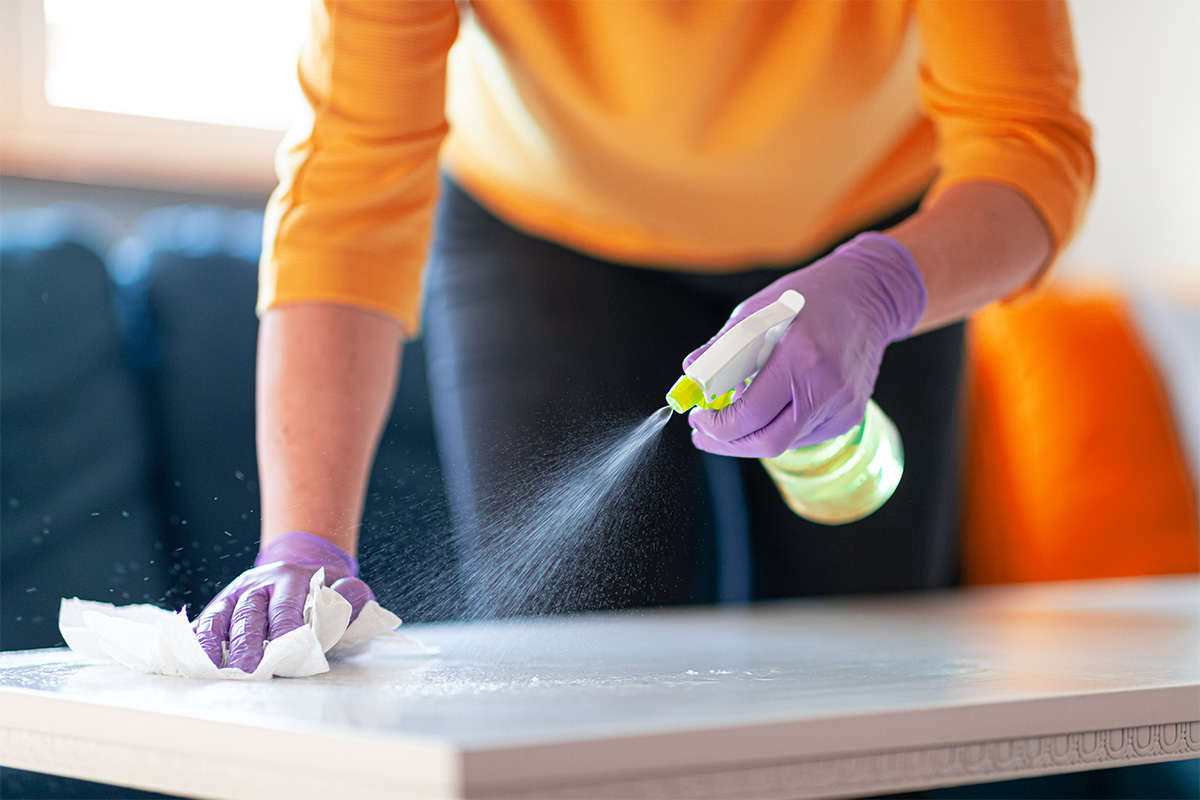
Cleaning And Disinfection
Wash clothes in hot water to kill flu viruses effectively. Use detergent and, if possible, add a disinfectant safe for fabrics. Dry clothes completely using a dryer or sunlight. Avoid shaking dirty clothes to prevent spreading germs. Clean laundry baskets and washing machines regularly.
Credit: www.optum.com
Myths And Misconceptions
Many people hold strong beliefs about how long the flu virus can survive on clothes. These ideas often come from hearsay or outdated information. Clearing up these myths can help you take better care of yourself and those around you.
Flu Virus Dies Immediately On Fabrics
Some think the flu virus cannot live long on clothes and dies instantly. In reality, the virus can survive for several hours on fabric surfaces, depending on the material and environmental conditions.
For example, synthetic fabrics like polyester may allow the virus to live longer than cotton. This means your clothes can carry the virus if not washed properly.
Washing Clothes In Cold Water Kills The Virus
Many believe that washing clothes in cold water is enough to kill the flu virus. However, cold water alone may not remove or kill all virus particles.
Adding detergent and using the right washing cycle are more important than water temperature. Have you noticed how some detergents claim to kill germs even in cold water? That’s because ingredients, not just temperature, matter.
Drying Clothes Outdoors Eliminates The Virus
There’s a common idea that hanging clothes outside to dry kills the flu virus because of sunlight and fresh air. While sunlight does reduce some viruses, it is not a guaranteed method for full elimination.
Humidity and temperature also affect how long the virus survives. So, relying solely on outdoor drying could leave some virus particles on your clothes.
Only Visible Dirt Or Stains Carry The Virus
People often think that if clothes look clean, they are virus-free. Flu viruses are invisible to the naked eye and can cling to even the cleanest-looking fabric.
Just touching or sneezing near your clothes can deposit virus particles. So, don’t let clean appearance fool you into ignoring proper hygiene.
Expert Opinions And Research Findings
Experts have studied how long the flu virus can live on clothes. Their findings help us understand the risk of catching the flu from fabrics. Research shows the virus does not survive very long on soft materials like clothing. The virus needs a moist environment to stay alive.
Different factors affect how long the flu virus stays on clothes. These include fabric type, temperature, and humidity. Scientists use lab tests to measure the virus’s survival time. Their work guides cleaning and safety advice during flu season.
Survival Time Of Flu Virus On Different Fabrics
Studies reveal the flu virus survives for a few hours on cotton and wool. Synthetic fabrics may allow the virus to live slightly longer. The virus dies faster on dry, porous surfaces like clothes. Wet or damp fabric can help the virus survive up to 24 hours.
Impact Of Temperature And Humidity
Higher temperatures reduce the flu virus’s survival on clothes. Warm, dry air speeds up virus decay. Cold and humid conditions help the virus survive longer. Experts suggest washing clothes in warm water to kill the virus.
Expert Recommendations For Handling Clothes
- Wash clothes regularly with detergent and warm water.
- Avoid shaking dirty laundry to prevent spreading the virus.
- Dry clothes completely before wearing or storing.
- Use gloves if handling heavily soiled or shared clothing.
Credit: www.maxhealthcare.in

Credit: www.mdpi.com
Frequently Asked Questions
How Long Does Flu Virus Survive On Clothes?
The flu virus can survive on clothes for 8 to 12 hours. It depends on fabric type and environmental conditions like humidity and temperature.
Can Washing Clothes Remove The Flu Virus?
Yes, washing clothes with detergent and hot water effectively removes the flu virus. Drying clothes thoroughly also helps kill remaining viruses.
Does Fabric Type Affect Flu Virus Survival Time?
Yes, flu virus survives longer on smooth, non-porous fabrics. It dies faster on rough, porous fabrics that absorb moisture.
Is It Safe To Touch Clothes Exposed To Flu Virus?
Touching contaminated clothes can transfer the virus to your hands. Wash hands immediately after handling such clothes to prevent infection.
Conclusion
Flu virus can live on clothes for several hours to a day. Washing clothes in hot water helps remove the virus quickly. Drying clothes fully also reduces the virus survival chances. Avoid touching your face after handling dirty laundry. Regular hand washing keeps you safer from flu germs.
Staying clean and cautious helps stop flu spread easily. Simple habits protect you and those around you. Keep these tips in mind during flu season. Stay healthy and take care of your clothes well.


