
Have you ever wondered how safe your clothes really are when it comes to the coronavirus? You touch, wear, and wash your clothes every day, but do you know how long the virus can actually survive on the fabric?
Understanding this can help you protect yourself and your loved ones better. Keep reading to discover simple facts and smart tips that could make a big difference in keeping your clothes—and you—safe.
Credit: www.goodrx.com
Coronavirus Transmission On Clothing
Clothing plays a unique role in the transmission of the coronavirus. While not the primary source of spread, contaminated clothes can carry viral particles, posing a hidden risk. Understanding how the virus behaves on different fabrics can help you protect yourself and your loved ones more effectively.
How Long Does Coronavirus Live On Fabrics?
The virus can survive on clothing for a few hours to several days, depending on the fabric type and environmental conditions. Smooth, synthetic materials tend to hold the virus longer than natural fibers like cotton.
For example, a polyester shirt might harbor the virus longer than a cotton t-shirt. Temperature and humidity also affect survival time—higher heat and sunlight reduce the virus’s lifespan.
Can You Catch Covid-19 From Your Clothes?
Transmission through clothing is possible but less common than through airborne droplets. The virus needs to transfer from your clothes to your hands and then to your mouth, nose, or eyes to infect you.
Think about how often you touch your clothes and then your face. Avoiding this habit can lower your risk significantly.
Best Practices For Handling Potentially Contaminated Clothes
- Wash clothes regularly with detergent, especially after being in public places.
- Use the warmest water safe for the fabric to help kill the virus.
- Dry clothes completely, as heat speeds up virus inactivation.
- Handle laundry with clean hands and avoid shaking clothes to reduce airborne particles.
What About Dry Cleaning Or Wearing Clothes Multiple Times?
Dry cleaning may not always kill the virus because of the lack of heat involved. Washing clothes at home with soap and water is more reliable for virus removal.
Wearing clothes multiple times without washing can increase risk if you were exposed. Consider washing clothes after outings or if you suspect contamination.
How To Protect Yourself In Everyday Situations
When returning home, take off your outerwear and wash your hands immediately. If you can, change out of clothes worn in public before touching anything else.
Ask yourself: Are your clothes a safe barrier or a hidden carrier? Small habits can make a big difference in keeping your household safe.
Factors Affecting Virus Longevity On Fabrics
The survival time of the coronavirus on clothes depends on several factors. These factors influence how long the virus can remain infectious on different fabric surfaces. Understanding these can help reduce the risk of transmission through contaminated clothing.
Material Type
Different fabrics affect virus survival differently. Non-porous materials like polyester hold the virus longer. Porous materials such as cotton absorb moisture and reduce virus life. Smooth surfaces allow the virus to stay active longer than rough textures.
Environmental Conditions
Temperature and humidity play a key role. Higher temperatures usually kill the virus faster. Low humidity helps the virus survive longer on fabrics. Cold and dry environments increase virus longevity on clothing.
Exposure To Sunlight
Sunlight can destroy the virus quickly. UV rays break down the virus’s outer layer. Clothes left in direct sunlight lose the virus faster. Lack of sunlight allows the virus to survive longer on fabrics.
Comparing Virus Survival On Different Surfaces
Understanding how long the coronavirus can survive on various surfaces helps you make smarter decisions about cleaning and safety. Different materials provide different environments for the virus, affecting its ability to stay infectious. Comparing clothing to hard surfaces gives you a clearer picture of where the risk lies and how to reduce it effectively.
Clothing Vs. Hard Surfaces
Clothing is made from porous fibers, which absorb moisture and trap viral particles. This tends to reduce the virus’s ability to remain active compared to non-porous, hard surfaces like plastic or metal.
Hard surfaces, such as doorknobs and countertops, provide a smoother, less absorbent environment. The virus can linger longer here because it doesn’t get absorbed or trapped like it does in fabric.
Have you noticed how your phone screen feels cleaner after you wipe it, but your jacket seems safe without washing? This difference highlights how surface type influences virus survival.
Duration Of Viability
Studies show coronavirus can survive up to 72 hours on some hard surfaces, especially plastic and stainless steel. On clothing, the virus usually lasts for a shorter period, often just a few hours.
The exact time depends on factors like humidity, temperature, and the fabric type. For instance, synthetic fabrics may hold the virus longer than cotton, which absorbs moisture quickly and helps deactivate the virus faster.
Knowing this, you can prioritize washing frequently touched hard surfaces daily while washing clothes regularly but without over-worrying about instant contamination.
Research And Studies On Virus Persistence
Understanding how long the coronavirus survives on clothes helps reduce infection risks. Scientists study virus persistence to guide safety practices. Their research shows how different materials affect virus survival times.
Key Findings
- The virus can survive from a few hours to several days on fabric.
- Smooth fabrics like polyester often hold the virus longer than rough ones.
- Moisture and temperature strongly influence virus survival on clothes.
- Washing clothes with detergent usually removes or kills the virus effectively.
- Drying clothes in sunlight may reduce virus presence faster than indoor drying.
Limitations Of Studies
- Most studies use controlled lab conditions that differ from real life.
- Virus amounts in experiments are often higher than typical exposure.
- Different fabrics and treatments make results hard to compare directly.
- Many studies focus on virus particles, not actual infection risk.
- Environmental factors like wind or dirt are not always included in tests.
Preventive Measures For Clothing
Clothes can carry the coronavirus for a short time. Taking steps to clean and handle clothing safely reduces the risk of spreading the virus. Proper care keeps you and your family safe. Use these simple tips for your laundry routine.
Effective Washing Techniques
Wash clothes with warm water at least 60°C (140°F). Use regular detergent to remove dirt and germs. Avoid overloading the washing machine. This allows water and soap to reach all fabrics. Dry clothes completely in a dryer or under sunlight. Drying kills many germs left after washing.
Safe Handling Of Laundry
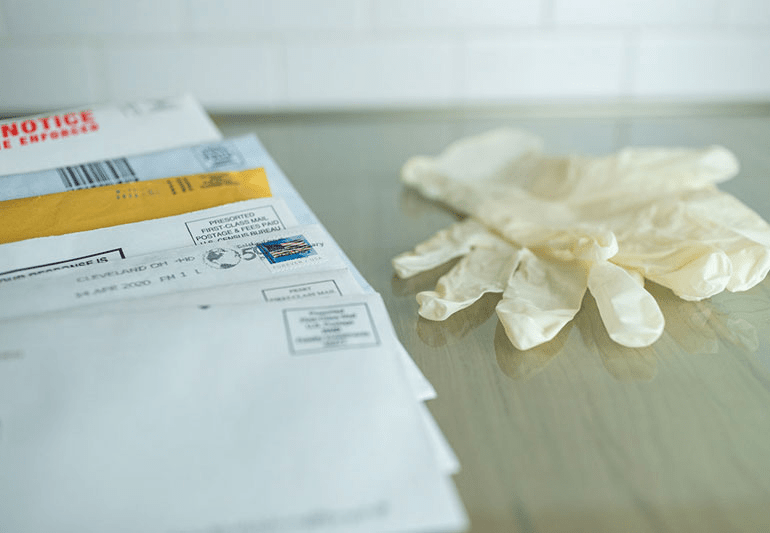
Wear gloves when handling dirty clothes. Avoid shaking clothes to prevent spreading germs in the air. Put laundry in a closed bag before washing. Wash hands with soap and water after handling dirty clothes. Keep clean and dirty laundry separate to stop cross-contamination.
Use Of Disinfectants
Add disinfectants approved for fabrics to the wash cycle. Follow product instructions carefully for safe use. Use sprays designed for clothes on items that cannot be washed easily. Test sprays on a small fabric area first. Let disinfectants dry completely before wearing or storing clothes.

Credit: health.clevelandclinic.org
Myths And Misconceptions
Many myths and misconceptions surround how long the coronavirus can survive on clothes. These misunderstandings create unnecessary fear and confusion. Clearing up false information helps people take the right precautions. Knowing the facts supports safer daily choices and reduces anxiety.
Common Misunderstandings
- The virus can survive on clothes for days without losing strength.
- Touching clothes always means catching the virus.
- Washing clothes frequently is useless against the virus.
- Only special disinfectants can clean clothes from the virus.
Clarifying Misinformation
The virus does not live long on porous surfaces like fabric. It usually dies within a few hours. Normal washing with detergent removes and kills the virus effectively. There is no need for harsh chemicals or multiple washes.
Touching clothes is less risky than touching hard surfaces. The virus transfers less easily from fabric. Washing clothes regularly and practicing good hygiene are enough. Avoid panic about catching the virus from your clothes.
Expert Recommendations
Experts share clear advice on handling clothes that may carry coronavirus. Their guidelines help people reduce virus spread and stay safe. Following expert advice is key to protecting yourself and others.
Guidelines From Health Authorities
Health authorities state the virus can survive on clothes for hours to days. Survival time depends on fabric type and environmental conditions. Washing clothes regularly with detergent removes the virus effectively. Drying clothes completely also lowers virus presence. Avoid shaking dirty clothes to stop virus particles from spreading in the air.
Best Practices For Public Safety
- Wash clothes in warm water using normal detergent.
- Use the highest temperature safe for the fabric.
- Dry clothes thoroughly in a dryer or sunlight.
- Handle dirty clothes gently to avoid spreading virus particles.
- Wash hands immediately after touching used clothes.
- Store clean clothes separately from dirty ones.
Credit: health.clevelandclinic.org
Frequently Asked Questions
How Long Does Coronavirus Survive On Clothes?
Coronavirus can survive on clothes for up to 1-2 days. Survival depends on fabric type, temperature, and humidity. Porous materials like cotton reduce virus longevity. Washing clothes with detergent effectively removes and kills the virus, ensuring safety.
Can Washing Clothes Kill The Coronavirus?
Yes, washing clothes with detergent and warm water kills coronavirus. Detergents break down the virus’s lipid envelope, inactivating it. Use water temperature above 60°C (140°F) for best results. Drying clothes completely also helps eliminate remaining virus particles.
Is It Safe To Handle Clothes From Infected Persons?
Handling clothes from infected individuals is generally safe with precautions. Avoid shaking clothes to prevent airborne particles. Use gloves if possible and wash hands thoroughly after handling. Washing clothes promptly reduces any risk of virus transmission.
Does Fabric Type Affect Coronavirus Survival?
Yes, fabric type affects virus survival on clothes. Porous fabrics like cotton absorb moisture and reduce virus lifespan. Synthetic fabrics may retain the virus longer. Environmental factors like temperature and humidity also influence virus persistence on different materials.
Conclusion
Coronavirus can stay on clothes for hours to a few days. It depends on fabric type and environment. Washing clothes with soap and warm water removes the virus well. Drying clothes fully also helps kill germs. Avoid touching your face after handling unwashed clothes.
Clean hands often to stay safe. These small steps reduce the chance of spreading the virus. Stay aware and keep good hygiene habits daily. That way, you protect yourself and others around you. Simple actions make a big difference in stopping the virus.


