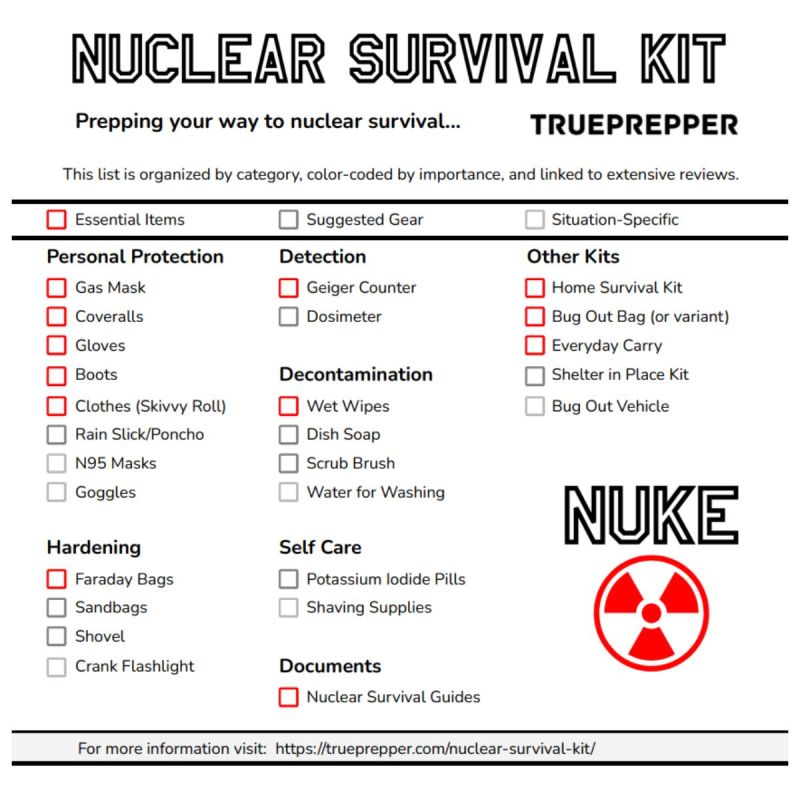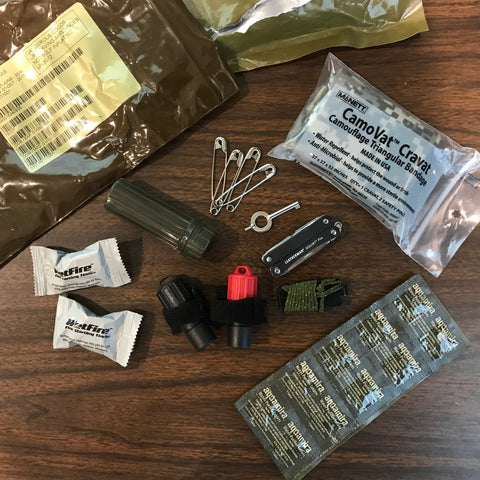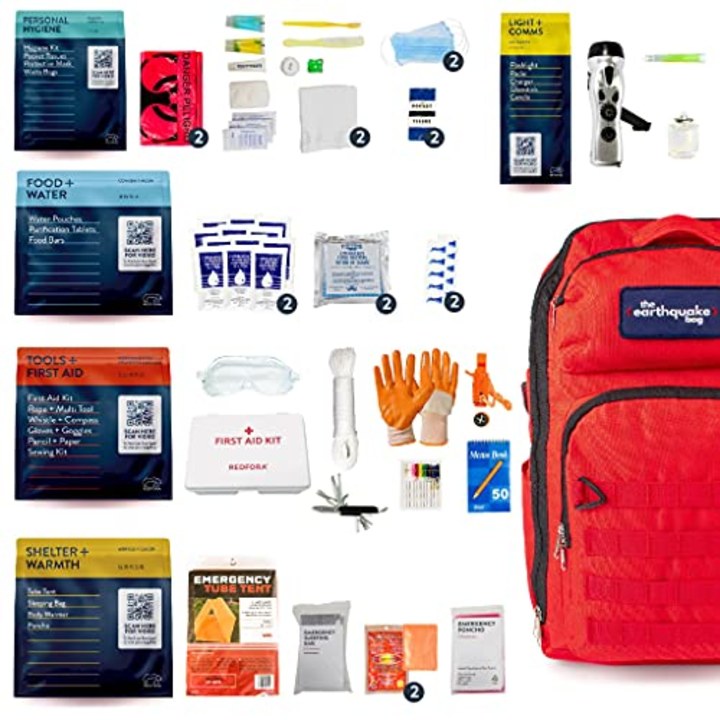
Imagine a sudden emergency where you need to act fast to protect yourself and your loved ones. Do you have everything ready to keep you safe and comfortable?
Your emergency survival kit can make all the difference between feeling helpless and staying in control. But what exactly should you include to be truly prepared? Keep reading, because what you pack now could save your life later. This guide will walk you through every essential item you need, so you can build a kit that works when it matters most.
Importance Of A Survival Kit
A survival kit is essential for safety during emergencies. It provides basic tools and supplies to help you stay alive. Emergencies can happen without warning. Being prepared can make a big difference.
Having a survival kit ensures you have access to crucial items. These items help you handle unexpected situations. It reduces stress and increases your chances of staying safe.
Provides Immediate Access To Essentials
A survival kit contains water, food, and first aid supplies. These essentials keep you alive in the first hours or days. Quick access to these items can prevent panic and confusion.
Supports Self-reliance In Crisis
Relying on a survival kit means you can help yourself. It reduces dependence on outside help, which might be delayed. This independence is critical in remote or disaster-struck areas.
Boosts Confidence And Peace Of Mind
Knowing you have a survival kit boosts confidence. It helps you feel ready for emergencies. Peace of mind improves your ability to think clearly and act fast.
Prepares For Various Situations
A well-stocked kit prepares you for different emergencies. It can include tools for shelter, fire, navigation, and communication. This versatility makes the kit invaluable in many scenarios.

Credit: www.amazon.ca
Water And Hydration
Water is the most important item in any emergency survival kit. Staying hydrated keeps your body working well. Without clean water, health risks increase fast. Carrying safe water sources helps you survive longer. This section covers key hydration tools for emergencies.
Portable Water Filters
Portable water filters remove dirt and germs from natural water. They are small and easy to carry. Filters can clean water from rivers, lakes, or streams. This makes water safe to drink quickly. Many filters remove bacteria, protozoa, and some viruses. They do not need chemicals or electricity to work.
Water Purification Tablets
Water purification tablets kill harmful bacteria and viruses. They are lightweight and fit in any kit. Tablets dissolve in water and make it safe to drink. They are useful when water looks clean but may have germs. Tablets usually need 30 minutes to work. Always follow package instructions for best results.
Emergency Water Pouches
Emergency water pouches provide ready-to-drink water storage. They last for years without spoiling. Pouches are sealed and easy to pack in your kit. You can drink water directly from the pouch. They are a reliable backup when fresh water is unavailable. Carry several pouches to ensure enough supply.
Food Supplies
Food supplies are a crucial part of any emergency survival kit. You need items that last long, provide good nutrition, and are easy to prepare. Think about what you would want to eat if help is days away and your options are limited.
Non-perishable Foods
Non-perishable foods should make up the bulk of your emergency kit. These are foods that won’t spoil quickly and can be stored safely for months or even years.
- Canned beans, vegetables, and meats
- Dried rice, pasta, and lentils
- Freeze-dried fruits and vegetables
- Powdered milk and instant soups
Have you ever opened a can thinking it would be fresh, only to find it off? Always check expiration dates and rotate your stock regularly.
Energy Bars And Snacks
Energy bars and snacks are perfect for quick fuel. They don’t require cooking and are easy to carry around.
- Granola bars with nuts and seeds
- Trail mix with dried fruits and chocolate
- Peanut butter or nut butter packets
- Jerky or dried meat strips
Think about how important a small pack of nuts or a bar of chocolate could be when you need a boost. What snacks keep you going on a tough day?
Cooking Tools And Utensils
Having food is one thing, but you also need the right tools to prepare it. A lightweight stove, basic utensils, and a can opener are essential.
- Portable camping stove or small gas burner
- Lightweight pots and pans
- Reusable cutlery and a sturdy knife
- Manual can opener
Remember, a simple tool like a can opener can make the difference between eating and going hungry. How prepared are you to cook without your usual kitchen?
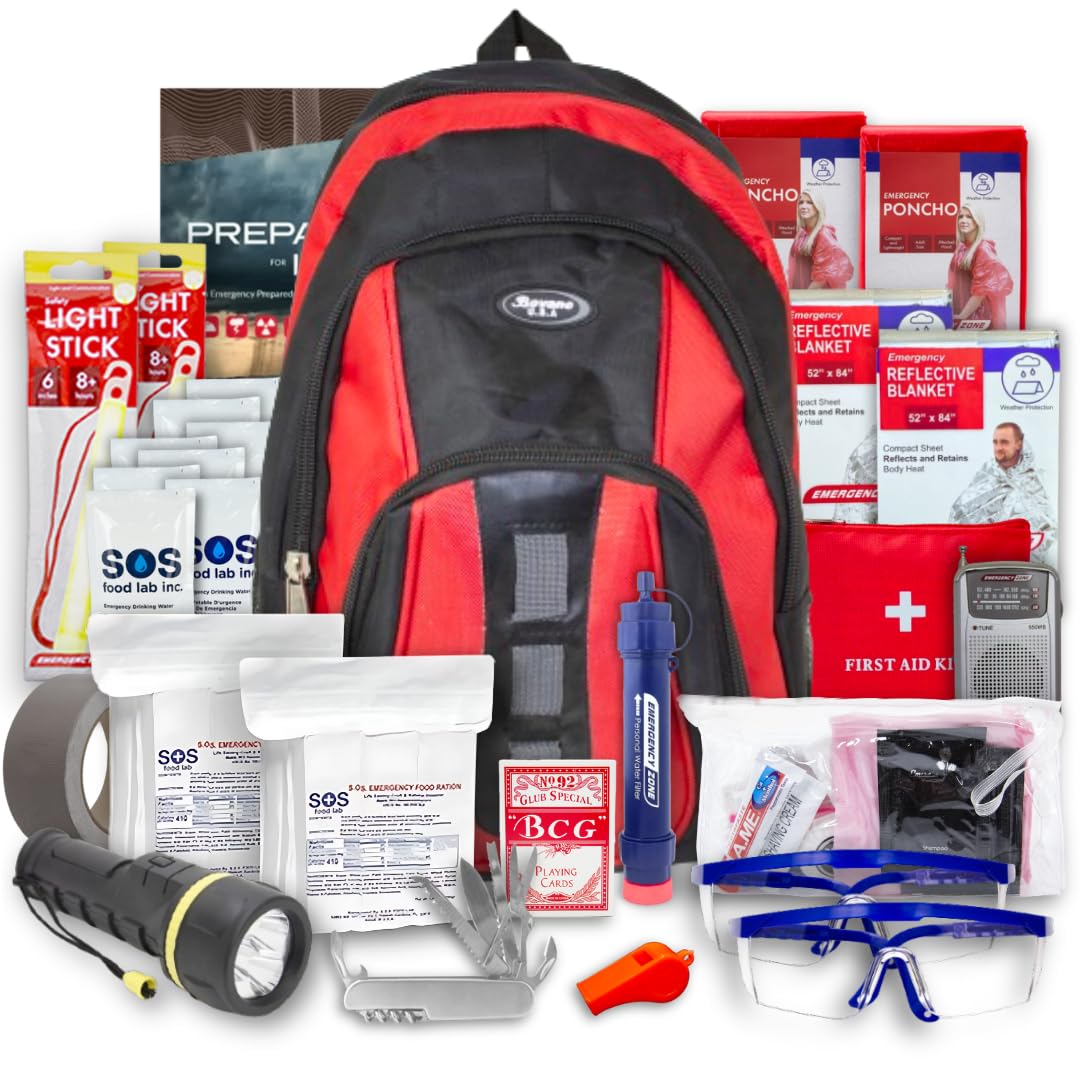
Credit: www.amazon.ca
First Aid Essentials
First aid essentials are the heart of any emergency survival kit. They help treat injuries fast and prevent infections. Having the right supplies can make a big difference. Simple items can save lives and ease pain.
Choose supplies that cover common injuries like cuts, scrapes, and burns. Keep everything organized for quick access during emergencies. Quality and variety matter to handle different situations.
Bandages And Dressings
Bandages protect wounds from dirt and germs. Include various sizes for small cuts and large wounds.
- Adhesive bandages for minor cuts
- Gauze pads for larger wounds
- Elastic bandages for sprains and support
- Sterile dressings to cover deep wounds
- Medical tape to secure dressings
Antiseptic Wipes And Ointments
Antiseptic wipes clean wounds and kill bacteria. Use them before applying dressings.
- Alcohol wipes for surface cleaning
- Antiseptic solution for deeper cleaning
- Antibiotic ointments to prevent infection
- Burn creams to soothe and protect skin
Pain Relievers And Medications
Pain relievers ease discomfort during emergencies. Stock common over-the-counter options.
- Acetaminophen for pain and fever
- Ibuprofen to reduce swelling and pain
- Antihistamines for allergic reactions
- Any personal prescription medications
Shelter And Warmth
Keeping yourself protected from the elements is crucial during an emergency. Shelter and warmth can make the difference between comfort and serious health risks like hypothermia. Your survival kit must include reliable items that help you create a safe, warm space quickly and effectively.
Emergency Blankets
Emergency blankets are lightweight, compact, and incredibly effective at retaining body heat. You can easily slip one into your backpack without adding bulk. I once used one during a chilly night hike when the temperature dropped unexpectedly—it kept me surprisingly warm and dry.
These blankets reflect up to 90% of your body heat, making them essential for any survival kit. Don’t overlook their versatility; they can also serve as a ground cover or a makeshift shelter roof.
Waterproof Tarps
A waterproof tarp is a must-have for creating a quick shelter from rain, snow, or wind. It’s easy to set up using nearby trees or poles and can protect you from harsh weather conditions. Carrying a tarp in your kit offers flexibility—you can use it to cover your gear or as a rain catchment system too.
Choose a tarp that’s lightweight but durable enough to withstand rough use. Imagine being caught in a sudden downpour with no shelter—having a tarp could save you from hours of discomfort and potential sickness.
Fire Starting Tools
Fire is not just for cooking; it’s a critical source of warmth and a signal for help. Your kit should include reliable fire starters like waterproof matches, a lighter, or a ferrocerium rod. I learned this firsthand during a camping trip when a simple ferro rod helped me start a fire despite damp conditions.
Practice using your fire starters before an emergency strikes. Knowing you can quickly light a fire boosts confidence and ensures you stay warm when it matters most.
Tools And Equipment
Tools and equipment form the backbone of any emergency survival kit. They help you perform essential tasks quickly. Choosing the right tools increases your chances of staying safe and comfortable. Every item should be durable and easy to use. A compact selection can make a big difference during emergencies.
Multi-tool And Knife
A multi-tool combines many functions in one device. It usually has pliers, screwdrivers, scissors, and more. A strong knife is vital for cutting, preparing food, and protection. Both tools should be sharp and reliable. Choose lightweight tools that fit comfortably in your hand.
Flashlights And Batteries
Flashlights provide light in dark or low-visibility situations. Pick LED flashlights for longer battery life. Carry extra batteries to avoid losing light when you need it most. Consider compact designs that fit easily in your kit or pocket. A bright and sturdy flashlight can guide you safely.
Whistle And Signaling Devices
Whistles help signal for help over long distances. They are loud and require little effort to use. Other signaling devices include mirrors and flares. These tools can attract attention and aid rescuers. Keep these devices within easy reach at all times.
Clothing And Personal Items
Clothing and personal items are essential parts of any emergency survival kit. They protect you from harsh weather and keep you comfortable. Choosing the right items helps you stay safe and healthy during emergencies. Focus on practical, durable, and easy-to-maintain clothing and personal care products.
Weather-appropriate Clothing
Select clothes that match the climate of your area. Include layers for cold weather and breathable fabrics for heat. Waterproof jackets and thermal underwear work well in rainy or cold conditions. Avoid cotton as it holds moisture and chills the body. Pack extra socks and gloves for added warmth and protection.
Sturdy Footwear
Strong shoes or boots protect your feet from rough terrain and injuries. Choose footwear with good grip and ankle support. Avoid sandals or worn-out shoes. Waterproof boots are best for wet conditions. Keep an extra pair in case your primary shoes get wet or damaged.
Personal Hygiene Products
- Toothbrush and small toothpaste tube
- Soap or body wipes
- Hand sanitizer
- Feminine hygiene products
- Small towel or washcloth
- Comb or hairbrush
- Moisturizer and lip balm
- Basic first aid items like band-aids
These items help maintain cleanliness and prevent infections. Pack travel-sized products for convenience and space-saving.
Communication And Navigation
Effective communication and reliable navigation are crucial in any emergency situation. Without them, you risk losing contact with help or getting lost, which can escalate the danger. Your emergency survival kit must prioritize tools that keep you connected and oriented, no matter where you are.
Portable Radio
A portable radio is a lifeline when phone signals fail. It can receive emergency broadcasts, weather updates, and government alerts. Choose a model with multiple power options—battery, hand crank, or solar—so you’re never left in silence.
I once relied on a small, hand-crank radio during a weekend blackout. It kept me informed about restoration times and safety tips, proving how essential it is beyond just survival scenarios.
Maps And Compass
Even in the age of GPS, physical maps and a compass remain indispensable. Batteries die, and signals disappear, but a map and compass always work. Know how to read them before you need them; practice makes perfect.
Imagine finding yourself off-grid with no digital navigation. Having a detailed map of your area and a reliable compass can guide you back to safety without guesswork. Can you confidently plot your route on paper?
Mobile Phone Chargers
Your phone is a powerful tool, but it’s useless if the battery dies. Pack portable chargers, like power banks or solar chargers, to keep your devices running. Make sure they are fully charged before heading out.
Think about how often you rely on your phone for directions, communication, or emergency apps. Would you risk losing all access just because you forgot to bring a charger? Keep your lifeline alive by always having backup power ready.
Personal Documents
Personal documents are vital in any emergency survival kit. They prove your identity and help access essential services. Without these papers, recovery becomes harder. Keep copies safe and easy to reach. Store originals in a waterproof container if possible.
Identification Copies
Include copies of key ID cards. Examples:
- Driver’s license
- Passport
- Birth certificate
- Social security card
These documents confirm who you are. They help with shelter, aid, and travel during crises.
Emergency Contact Information
Write down phone numbers and addresses of important contacts. Include:
- Family members
- Close friends
- Doctors
- Local emergency services
Keep this list updated and easy to find. It speeds up communication in tough times.
Insurance And Medical Records
Carry copies of insurance policies. Health, home, and car insurance papers matter most.
Medical records should include:
- Allergies
- Current medications
- Chronic conditions
- Doctor’s contact details
This information helps emergency workers provide proper care quickly.

Credit: www.thermapparel.com
Frequently Asked Questions
What Essential Items Belong In An Emergency Survival Kit?
An emergency kit must include water, non-perishable food, a flashlight, batteries, a first aid kit, and a multi-tool. These basics ensure safety, hydration, nutrition, and medical care during emergencies.
How Much Water Should I Store In A Survival Kit?
Store at least one gallon of water per person daily. This amount covers drinking and basic hygiene needs for three days or more.
Should Medications Be Included In An Emergency Kit?
Yes, include essential prescription medications and over-the-counter medicines. Keep them in a waterproof container to ensure availability during emergencies.
Is A Portable Phone Charger Necessary In Survival Kits?
Absolutely. A portable charger helps maintain communication, especially when power outages occur. It keeps your phone operational for emergencies.
Conclusion
A good emergency survival kit saves lives and eases stress. Pack basic items like water, food, and first aid supplies. Include tools for shelter, light, and communication. Check and update your kit regularly. Stay ready for any sudden situation. Being prepared helps you stay calm and safe.
Small steps make a big difference. Don’t wait for an emergency to start building your kit today. Safety begins with simple, smart choices.